
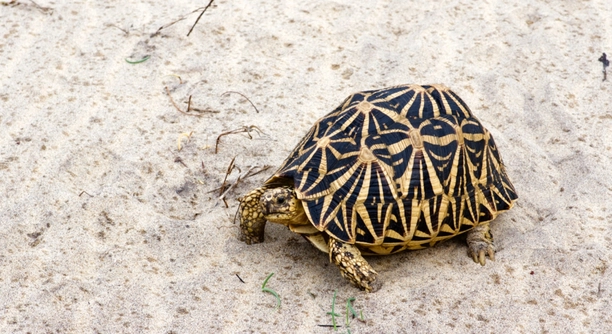
Turtles are fascinating pets, but their skin can sometimes show signs of change. If you notice your turtle’s skin becoming softer than usual, it’s important to understand the possible causes and how to address them.
The primary reason for softening skin in turtles is inadequate humidity, poor diet, or insufficient UVB light exposure. These factors can lead to changes in their skin texture and overall health, which can impact the turtle’s well-being.
Understanding these factors will help you keep your turtle healthy and happy in its environment.
What Causes Your Turtle’s Skin to Become Softer?
There are several common reasons why your turtle’s skin may become softer than expected. In most cases, it’s related to either environmental factors or improper care. Turtles require a specific balance of humidity, UVB light, and proper diet to maintain their skin health. Without the right conditions, your turtle’s skin can become thin, soft, and sometimes even peeling.
A lack of UVB light is one of the most common causes. UVB light helps turtles produce vitamin D3, which is crucial for calcium absorption. Without it, your turtle may suffer from soft, weak skin and even bone problems. Additionally, humidity plays a big role. If your turtle’s habitat is too dry, the skin can lose moisture, leading to a softer texture.
Proper hydration is just as important. Turtles need access to clean, fresh water, not just for drinking, but also for soaking. This helps maintain skin elasticity and prevents dryness. You should also ensure the temperature is appropriate in their habitat, as it affects their metabolism and overall health.
The Role of Diet in Skin Softness
Your turtle’s diet significantly impacts its skin health. Turtles need a balanced diet rich in calcium, vitamins, and minerals to maintain healthy skin. Without adequate nutrition, they may experience soft or shedding skin. Make sure to include leafy greens, vegetables, and protein in their meals.
Calcium is especially important for the skin. It helps maintain proper skin texture and promotes strong shell and bone health. If your turtle isn’t getting enough calcium, soft skin may be a sign of deficiency. Offer cuttlefish bone or calcium-rich food to ensure they get what they need.
How to Improve Your Turtle’s Skin Health
To improve your turtle’s skin health, make adjustments to both its environment and diet. First, provide a proper UVB light source, allowing your turtle to bask for at least 10-12 hours a day. Additionally, check the humidity levels in the tank. If it’s too low, consider using a humidity gauge or a humidifier to maintain an optimal level.
Ensure that your turtle’s diet is varied and contains enough calcium. Offer leafy greens like collard greens or dandelion greens, as well as other calcium-rich foods. If necessary, add a calcium supplement to their food. Regular water changes are also crucial to keep your turtle hydrated and healthy.
By improving both the environment and diet, you can restore your turtle’s skin health. Keep track of these changes and monitor how your turtle responds to ensure long-term well-being.
The Importance of Proper Lighting
Turtles require proper lighting to stay healthy. Without UVB light, they cannot produce vitamin D3, leading to soft skin and weakened bones. Ensure that your turtle has access to UVB light for at least 10-12 hours a day to maintain healthy skin and a strong shell.
UVB light not only helps with vitamin D3 production but also promotes calcium absorption. Without proper calcium intake, your turtle’s skin can soften. A lack of UVB light can also lead to metabolic bone disease, which affects their overall health. Be sure to check the quality and intensity of your UVB bulb, as it loses effectiveness over time.
Consider using a combination of UVA and UVB bulbs to simulate natural sunlight. Position the light above the basking area and ensure your turtle can access it easily. Regularly replace the bulbs to ensure consistent light quality for your turtle’s health.
Humidity and Temperature Requirements
Proper humidity and temperature are essential for maintaining your turtle’s skin. Turtles need a warm environment with a humid basking spot to keep their skin healthy. Without the right conditions, their skin can become dry and soft.
Humidity levels should be maintained between 50% and 70%. You can achieve this by using a water heater, a humidifier, or misting the tank regularly. Be sure to measure humidity with a gauge to prevent it from becoming too low. Along with humidity, your turtle’s tank temperature should be set between 75°F and 85°F to mimic its natural environment.
Providing a warm, humid environment encourages shedding and helps maintain skin elasticity. Ensure that the basking area is warmer than the rest of the tank to allow your turtle to regulate its body temperature. The combination of the right temperature and humidity will keep your turtle’s skin smooth and healthy.
The Role of Water Quality
Clean water is essential for your turtle’s skin health. Poor water quality can lead to skin issues, including softness. Regular water changes and a proper filtration system are necessary to maintain clean and healthy water for your turtle.
Dirty water contains toxins and bacteria that can irritate your turtle’s skin. These harmful substances may cause infections or skin shedding. Change the water every 1-2 weeks, depending on the size of the tank and the number of turtles you have. Ensure that the water is dechlorinated and free of chemicals that can harm your pet.
A high-quality filtration system also helps by removing waste and maintaining the overall cleanliness of the tank. Keeping the water temperature stable and comfortable further contributes to your turtle’s well-being.
Checking for Infections
Soft skin can also indicate an underlying infection. Bacterial or fungal infections often result in skin changes. If you notice abnormal softness along with other signs like swelling, discoloration, or sores, an infection may be present.
Turtles are susceptible to various infections that can affect their skin, shell, and overall health. Fungal infections can cause peeling or softening of the skin, while bacterial infections often result in lesions. If you suspect an infection, it’s essential to consult a veterinarian who specializes in reptiles for proper diagnosis and treatment.
The Impact of Stress
Stress can negatively affect your turtle’s health, including its skin. If your turtle is stressed due to environmental changes, overcrowding, or improper handling, it can lead to skin problems. Reducing stress is key to maintaining a healthy pet.
Stress weakens the immune system, making your turtle more susceptible to skin issues. Be sure to maintain a calm environment, avoid sudden changes in their habitat, and handle them gently. Keeping their tank at the right temperature, humidity, and lighting can help reduce stress and prevent skin problems.
FAQ
What should I do if my turtle’s skin feels soft?
If your turtle’s skin feels soft, first check the environmental conditions. Ensure the humidity and temperature are appropriate, and that your turtle is receiving enough UVB light. A diet lacking in calcium or vitamin D3 can also cause soft skin, so make sure your turtle is getting proper nutrition. If the softness persists, consider visiting a vet to rule out infections or other health issues.
How can I ensure my turtle is getting enough UVB light?
To provide adequate UVB light, ensure your turtle has access to a UVB bulb that is placed over their basking area. The light should be on for about 10-12 hours a day. Regularly replace the UVB bulb, as it loses its effectiveness over time. Also, make sure your turtle can bask directly under the light, as this is essential for vitamin D3 production.
Is there a specific humidity level I should maintain for my turtle?
Yes, humidity levels should be kept between 50% and 70% for most turtles. Too much humidity can lead to mold and bacterial growth, while too little can dry out your turtle’s skin. Use a humidity gauge to monitor the levels and adjust as needed by misting the tank or using a humidifier.
Can poor water quality affect my turtle’s skin?
Absolutely. Poor water quality can cause infections, irritations, and dry skin. To maintain good water quality, clean the tank regularly, change the water every 1-2 weeks, and use a proper filtration system. Always ensure the water is free from chlorine and harmful chemicals that can affect your turtle’s health.
How often should I change my turtle’s water?
Water should be changed every 1-2 weeks, depending on tank size and the number of turtles. If you have a small tank or multiple turtles, more frequent water changes might be needed. A good filtration system can reduce the frequency of water changes, but it’s still important to monitor water quality regularly.
Why is my turtle shedding skin?
Shedding is a normal process for turtles. It’s part of their growth cycle, and they often shed their skin to allow for the growth of new, healthier skin. However, excessive or irregular shedding can indicate issues like poor diet, lack of UVB light, or an underlying health condition. If the shedding is unusual, consult a vet.
What are the signs that my turtle has an infection?
Signs of infection in turtles include swelling, redness, soft or discolored skin, sores, and foul-smelling discharge. If you notice any of these symptoms, it’s crucial to consult a veterinarian. Infections can worsen if not treated promptly and can lead to more serious health problems.
What type of diet should I feed my turtle to keep its skin healthy?
A well-balanced diet is essential for your turtle’s overall health and skin condition. Offer leafy greens like dandelion greens and collard greens, vegetables, and protein sources such as worms or shrimp. You can also add calcium supplements to ensure your turtle’s bones and skin remain strong and healthy.
Can stress affect my turtle’s skin?
Yes, stress can weaken your turtle’s immune system, leading to skin problems. Common stressors include improper tank conditions, overcrowding, frequent handling, or sudden changes in the environment. By creating a stable, calm environment, you can help prevent stress-related skin issues and promote overall well-being.
How do I check if my turtle is getting enough calcium?
A turtle that’s getting enough calcium should have hard, strong skin and shell. If your turtle’s skin is soft, or if its shell shows signs of softness or deformation, it could be a sign of calcium deficiency. To ensure your turtle gets enough calcium, provide cuttlefish bone, calcium-rich foods, or calcium supplements in their diet.
Can I use a regular bulb for my turtle’s UVB lighting?
No, regular bulbs do not provide the necessary UVB light for your turtle. You need to use a UVB-specific bulb designed for reptiles. These bulbs help your turtle produce vitamin D3, which is crucial for calcium absorption and overall health. Ensure the bulb is placed in the appropriate spot for basking.
What are the signs that my turtle’s tank is too dry?
Signs that your turtle’s tank is too dry include shedding skin, lethargy, and skin softening. Turtles require a humid environment to keep their skin healthy. You can maintain the right humidity by misting the tank or using a humidifier to add moisture to the air. Monitoring humidity with a gauge is essential.
How can I keep my turtle’s tank clean?
Regularly clean your turtle’s tank by removing waste and debris. Use a siphon to clean the substrate and remove excess food. Change the water every 1-2 weeks, and always check the filtration system to ensure it’s working properly. A clean tank reduces the risk of bacterial and fungal infections that can affect your turtle’s skin.
How long can I leave my turtle without UVB light?
Turtles can go without UVB light for short periods but should not be deprived of it for long. Prolonged exposure to a lack of UVB light can lead to health problems like soft skin, weakened bones, and even metabolic bone disease. Make sure your turtle has access to UVB light consistently, around 10-12 hours a day.
What temperature should my turtle’s tank be?
The tank temperature should be maintained between 75°F and 85°F. The basking area should be slightly warmer, around 90°F, while the cooler side of the tank can be a bit lower. This temperature range allows your turtle to regulate its body temperature effectively and ensures optimal health.
Can I use a heater in my turtle’s tank?
Yes, a heater is necessary for maintaining the proper temperature in your turtle’s tank. A submersible aquarium heater can keep the water warm enough for your turtle to stay active and healthy. Be sure to monitor the water temperature with a thermometer to prevent overheating or underheating.
How can I help my turtle shed properly?
To ensure proper shedding, maintain appropriate humidity levels and provide a well-balanced diet that includes calcium and vitamin D3. Also, make sure your turtle has access to UVB light for vitamin D3 production. If your turtle has trouble shedding, gentle soaking in warm water can help.
Why does my turtle have flaky skin?
Flaky skin is often a sign of dryness, which can result from improper humidity levels. Ensure the tank has the correct humidity range, between 50% and 70%. If the skin flaking continues, it could be a sign of a nutritional imbalance or an infection, so a vet check is recommended.
Final Thoughts
Taking care of your turtle’s skin is essential for its overall health and well-being. Soft or flaky skin can be a sign of environmental issues, poor diet, or even an underlying health condition. It’s important to monitor your turtle’s habitat and make sure it’s providing the right amount of humidity, temperature, and UVB light. These factors play a significant role in maintaining strong and healthy skin. A balanced diet that includes calcium, vitamins, and the right amount of protein is also crucial for preventing skin problems.
While some skin changes like shedding are a natural part of a turtle’s life cycle, other issues, such as soft or discolored skin, may indicate a more serious problem. If you notice any unusual symptoms, such as swelling, redness, or discharge, it’s best to consult with a veterinarian. They can help identify whether your turtle’s skin issues are related to diet, environmental factors, or a more serious infection. A quick diagnosis and treatment plan can help prevent long-term health issues and ensure your turtle’s skin stays healthy.
In conclusion, by paying attention to your turtle’s habitat, diet, and health, you can easily prevent and address soft or problematic skin. Proper lighting, the right humidity levels, and a well-balanced diet will keep your turtle thriving. Regular tank maintenance and routine vet visits are also part of ensuring your turtle stays happy and healthy. Addressing any skin concerns early on can help maintain the quality of life for your turtle and avoid more serious problems down the road.

Hello,
If you enjoy the content that we create, please consider saying a "Thank You!" by leaving a tip.
Every little bit helps us continue crafting quality advice that supports the health, happiness, and well-being of pets around the world, for pets of all shapes, sizes, and species.
We really appreciate the kindness and support that you show us!