
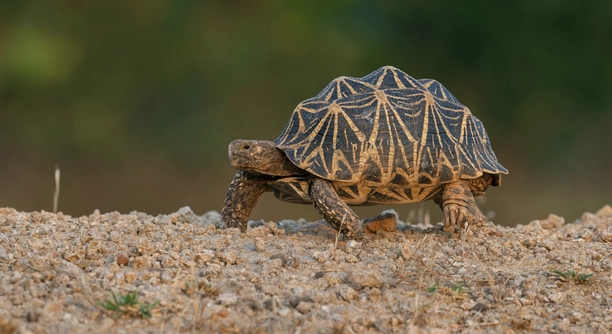
Do you notice red spots on your turtle’s skin?
Red spots on your turtle’s skin can indicate several health issues, ranging from mild irritation to more serious infections. These spots may be caused by improper care, such as poor water conditions or a nutritional imbalance.
Understanding these causes will help you identify the root of the problem and find the best solution to ensure your turtle’s well-being.
Possible Causes of Red Spots on Your Turtle’s Skin
Red spots on your turtle’s skin can be a sign of various issues, often related to water quality, diet, or general care. Poor water conditions, such as unclean or improperly heated water, can lead to skin irritation. Additionally, a lack of UVB lighting can weaken your turtle’s immune system, leaving it more susceptible to infections. If your turtle has a vitamin A deficiency, this can also lead to skin problems. Furthermore, stress, resulting from environmental changes or overcrowding, might contribute to skin irritation. It’s important to identify the specific cause to help treat the problem effectively.
If the spots seem to be caused by bacteria or fungi, consult a veterinarian right away.
Keeping your turtle’s tank clean and ensuring it has a proper diet with enough vitamins and minerals is essential for its overall health. Regularly check water temperature, filtration, and lighting. If the problem persists, it may be necessary to take your turtle to a vet for further examination.
How to Treat Red Spots
If your turtle is showing red spots, you may need to adjust its care routine. A change in water conditions, including better filtration, can help reduce irritation.
Treatment for red spots often includes improving environmental factors. Keep the water clean, with regular changes, and make sure the tank has proper lighting. You should also ensure that your turtle’s diet is rich in essential vitamins, particularly vitamin A, which is crucial for skin health. Overcrowding or handling the turtle too much can increase stress, so try to reduce both. In more serious cases, a veterinarian can recommend topical treatments or antibiotics to clear up any infections. Always monitor your turtle for signs of improvement.
If your turtle’s condition doesn’t improve after making these changes, a vet’s opinion will be necessary to rule out more serious health problems.
Importance of UVB Lighting
UVB lighting plays a critical role in your turtle’s health. It helps them absorb calcium and strengthens their immune system. Without proper UVB exposure, your turtle may develop skin problems, including red spots. Ensure your turtle has access to UVB lighting for around 10-12 hours a day, especially if kept indoors.
If your turtle is not receiving enough UVB light, its body won’t process calcium properly, leading to weak bones and skin issues. This can make your turtle more vulnerable to infections. Use a high-quality UVB bulb and replace it regularly. Even if the bulb still emits light, the UVB radiation can decrease over time.
Providing UVB lighting helps prevent metabolic bone disease and supports the turtle’s overall health. You can also provide your turtle with some time outside in natural sunlight when possible. This ensures your turtle gets the right balance of light exposure to thrive.
Diet and Nutritional Imbalances
A lack of proper nutrients, especially vitamin A, can cause red spots on your turtle’s skin. Vitamin A deficiency is common in turtles that aren’t fed a varied diet or are overfed with low-quality food.
Turtles need a diet rich in leafy greens, vegetables, and protein. Vitamin A is vital for maintaining healthy skin and preventing infections. If your turtle isn’t getting enough of this vitamin, it could lead to skin issues, including the development of red spots. It’s also important to ensure a balanced ratio of protein, fats, and other vitamins for overall health.
In some cases, supplementing with vitamin A can help treat skin problems. However, it’s always better to focus on providing a diverse diet, as over-supplementing may have side effects. Make sure your turtle’s diet includes a range of nutrients that support its immune system and skin health.
Tank Conditions and Water Quality
Dirty water is one of the most common causes of skin problems in turtles. Bacteria, algae, or waste buildup can irritate your turtle’s skin and cause redness.
Regularly cleaning the tank and changing the water is essential for maintaining healthy skin. Make sure to check the water’s pH and temperature, as imbalances can also lead to skin irritation.
If the water conditions are poor, red spots may develop, and your turtle could be at risk for infections. A high-quality filtration system is necessary to keep the water clean and clear.
Stress and Overhandling
Stress is often overlooked but can cause physical changes in your turtle’s skin. Overhandling your turtle or sudden changes in its environment may trigger stress, leading to skin issues like red spots.
Turtles are sensitive creatures and need a stable environment. Ensure your turtle has a quiet, secure space with enough room to move around. Reducing the frequency of handling and providing a calm environment will help minimize stress and improve your turtle’s overall well-being.
Identifying Signs of Infection
If your turtle’s skin continues to develop red spots or the condition worsens, it could be infected. Look for other signs such as swelling, discharge, or a change in behavior.
Infection can occur when bacteria or fungi enter through broken skin. These issues should be addressed quickly, as untreated infections can lead to more severe health problems. If you notice these symptoms, it’s essential to consult a veterinarian for proper treatment.
FAQ
What can cause red spots on my turtle’s skin?
Red spots on your turtle’s skin can be caused by several factors, such as poor water quality, vitamin deficiencies, stress, or infections. Water conditions, like high bacteria levels or incorrect temperature, can irritate the skin. A lack of UVB lighting can also lead to immune system issues, which might cause redness or irritation. Furthermore, improper diet or stress may contribute to skin problems. It’s essential to identify the cause to address it correctly and prevent future issues.
How do I know if the red spots are from an infection?
If the red spots on your turtle’s skin are accompanied by swelling, discharge, or an unpleasant odor, there is a higher chance that an infection is present. Infections may occur if bacteria or fungi enter the skin through cuts or abrasions. If you notice any change in behavior, such as lethargy, loss of appetite, or difficulty swimming, this is also a sign that an infection might be the cause. In such cases, it is crucial to consult a veterinarian for proper diagnosis and treatment.
Can poor water quality lead to red spots on a turtle’s skin?
Yes, poor water quality is one of the most common causes of skin irritation in turtles. Dirty water can harbor bacteria, algae, and waste, all of which can cause skin problems. If the water in your turtle’s tank is not changed regularly or filtered effectively, it can lead to redness, irritation, or even infection. Make sure to clean the tank regularly, maintain proper filtration, and monitor the water’s temperature and pH to keep your turtle’s skin healthy.
How often should I clean my turtle’s tank?
You should clean your turtle’s tank at least once a week to ensure the water quality remains optimal. This includes changing 25-50% of the water and scrubbing any surfaces where algae or waste might have accumulated. If your tank is smaller or contains multiple turtles, you may need to clean it more frequently. A reliable filtration system will help keep the water cleaner between cleanings, but regular maintenance is still essential to prevent skin problems and other health issues.
Can a poor diet cause red spots on my turtle’s skin?
Yes, a poor diet can contribute to red spots or other skin issues in turtles. A lack of essential nutrients, especially vitamin A, can lead to skin problems. Vitamin A deficiency is commonly linked to dry or irritated skin and can lead to infections if not addressed. Turtles require a balanced diet that includes leafy greens, vegetables, and protein. Supplements may be necessary if your turtle’s diet is lacking in specific vitamins. Ensure your turtle gets the right nutrients to maintain healthy skin and overall well-being.
How can I provide UVB lighting for my turtle?
UVB lighting is vital for your turtle’s health, particularly for vitamin D3 production, which helps them absorb calcium and maintain a strong immune system. Ensure your turtle has access to UVB lighting for about 10-12 hours a day. The light should be positioned over the basking area so your turtle can bask and absorb the UVB rays. Use a high-quality UVB bulb, and replace it regularly, even if it still emits light. You can also allow your turtle to bask in natural sunlight when possible to supplement the UVB lighting.
Is there a way to treat red spots on my turtle’s skin?
Treating red spots on your turtle’s skin depends on the cause. If poor water quality is to blame, cleaning the tank and improving filtration should help. For a vitamin A deficiency, adding foods rich in this vitamin or supplementing with vitamin A may help resolve the issue. In the case of infections, it is best to seek the help of a veterinarian who can recommend antibiotics or topical treatments. Ensuring proper diet, water quality, and UVB lighting will help prevent future issues.
Can stress lead to skin problems in turtles?
Yes, stress can negatively affect your turtle’s health, including causing skin problems. Turtles that are overhandled, placed in unfamiliar environments, or subjected to overcrowding can experience stress. Stress weakens their immune system and can lead to skin irritation, including red spots. Reducing stress by providing a quiet, comfortable environment and limiting handling will help prevent these issues. It’s essential to provide enough space, warmth, and hiding spots to ensure your turtle feels secure.
What should I do if my turtle’s red spots don’t go away?
If your turtle’s red spots persist despite changes in water quality, diet, and environment, it’s time to seek professional help. A veterinarian can perform a thorough examination to determine whether the spots are caused by an infection, fungal issue, or something more serious. They may recommend medication, topical treatments, or other interventions to address the problem. It’s important not to delay professional care, as untreated skin issues can lead to more significant health complications for your turtle.
Are there any other health problems that cause red spots on a turtle’s skin?
In addition to infections, vitamin deficiencies, and stress, other health problems can cause red spots. These include parasitic infections, injuries, or burns from exposure to overly hot surfaces or water. It’s essential to keep an eye on your turtle’s overall health, as red spots can sometimes be a symptom of a more serious underlying issue. If the spots don’t improve or seem to worsen, consulting with a veterinarian is recommended to rule out any other health problems.
Final Thoughts
Red spots on your turtle’s skin can be a sign of several potential issues, from poor water quality to nutritional imbalances. It’s important to pay attention to your turtle’s environment and diet to help prevent skin problems. Regularly cleaning the tank, providing the right lighting, and ensuring a balanced diet can go a long way in keeping your turtle healthy. If you notice red spots, it’s worth evaluating all these factors and adjusting them if needed.
In some cases, red spots could be a sign of an infection, which may require veterinary attention. If the spots are accompanied by swelling, discharge, or a change in behavior, it’s best to consult a vet. Early intervention can prevent the problem from worsening. While some skin issues are mild and can be treated with better care, others may require medical treatment. If you’re unsure, a veterinarian’s advice can help clarify the situation and guide you on the best course of action.
The key to keeping your turtle healthy is consistency. Regular water changes, proper UVB lighting, and a varied, nutritious diet are all essential for maintaining good skin health. Red spots can be a warning that something is wrong, but they can often be prevented or resolved with the right care. By staying proactive and attentive to your turtle’s needs, you can ensure it lives a long, healthy life free from skin issues.

Hello,
If you enjoy the content that we create, please consider saying a "Thank You!" by leaving a tip.
Every little bit helps us continue crafting quality advice that supports the health, happiness, and well-being of pets around the world, for pets of all shapes, sizes, and species.
We really appreciate the kindness and support that you show us!