
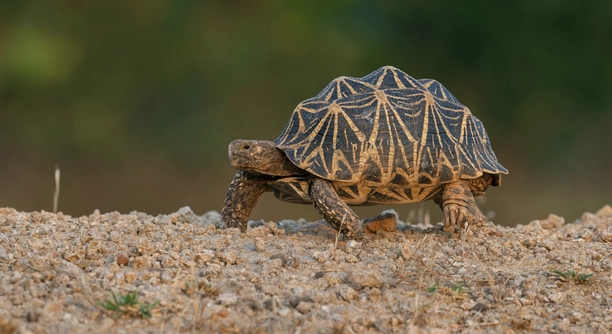
Turtles are wonderful pets, and keeping them healthy is essential. If you notice that your turtle’s skin is getting flaky, you might be wondering what’s going on. This can be a sign of something that needs attention.
Flaky skin in turtles can occur due to shedding, poor humidity, or skin infections. In some cases, inadequate diet or water quality might contribute to skin problems. It’s important to observe your turtle and ensure its environment supports its health.
Identifying the cause of your turtle’s flaky skin will help in resolving the issue and ensuring your turtle’s well-being. Keep reading to learn more about the possible causes and how to address them.
Common Causes of Flaky Skin in Turtles
Flaky skin in turtles is often due to natural shedding. Like many reptiles, turtles shed their outer layer of skin as they grow. However, it can also be caused by environmental factors such as improper humidity or water temperature. If your turtle is kept in a dry environment, the skin may become dry and peel off more than usual. In some cases, an unhealthy diet can also lead to skin problems. Lack of essential nutrients, like vitamin A, can affect your turtle’s skin and overall health. If flaky skin persists, it might indicate a more serious underlying issue, like an infection.
Humidity is a crucial factor in a turtle’s health. If your turtle’s habitat is too dry, their skin may become flaky and irritated.
Inadequate humidity levels in a turtle’s habitat can result in dry, flaky skin. Turtles are naturally accustomed to humid environments, so it’s important to replicate this in their tank. Using a humidity gauge can help monitor the environment, ensuring your turtle has the appropriate levels for shedding and overall health. Adjusting the tank’s humidity, or providing a humid hide, can often resolve the problem.
Poor Diet and Skin Issues
A poor diet can directly impact your turtle’s skin. If your turtle is not receiving the proper nutrients, it can lead to dry, flaky patches on the skin. Turtles need a balanced diet rich in vegetables, proteins, and vitamins, especially vitamin A. Vitamin A is essential for maintaining healthy skin and vision. A deficiency can cause skin problems, leading to flakiness, shedding, or even infections. Providing a variety of foods, including leafy greens, insects, and some fruits, can help prevent nutritional deficiencies. If flaky skin continues despite dietary changes, further investigation is needed.
Feeding your turtle the right foods can help maintain its skin health. If you’re unsure of what to feed, consulting with a vet is advisable.
A balanced diet ensures that your turtle gets the right nutrients to maintain healthy skin and overall well-being. Many turtles can also benefit from occasional supplements if their diet lacks certain nutrients. Consulting a reptile veterinarian can help determine the best food plan for your turtle, ensuring they stay healthy and vibrant.
Water Quality and Skin Health
Water quality plays a significant role in your turtle’s skin health. Dirty water can harbor bacteria and parasites, which may lead to skin infections or irritation. Ensuring the water is clean and properly filtered is essential for your turtle’s overall well-being. Regular water changes and proper filtration can help prevent these issues.
If your turtle’s water is not clean, it could lead to skin problems. Make sure to clean the tank regularly and maintain proper filtration. If the water is cloudy or has a strong odor, it’s a sign that something might be wrong. Turtles are sensitive to the quality of their habitat, and poor water conditions can quickly affect their health.
A water filter designed for turtles can help maintain water quality and reduce harmful bacteria. Also, consider monitoring the temperature of the water. Water that is too cold or too hot can stress your turtle, causing them to shed their skin more than usual. Consistent, clean water will help your turtle thrive and maintain healthy skin.
Bacterial and Fungal Infections
Bacterial or fungal infections are another common cause of flaky skin. These infections can develop if a turtle’s environment is not clean or if they are exposed to harmful microorganisms. If the flaky skin appears in patches and is accompanied by swelling or redness, an infection may be present. Infections can spread quickly, so it’s essential to address them as soon as possible.
Infections, both bacterial and fungal, can be treated with medications prescribed by a vet. If you suspect your turtle is dealing with an infection, taking them to a veterinarian is crucial. They may recommend topical treatments or medications to help clear up the infection. While waiting for professional treatment, maintaining clean water and a stress-free environment will aid in preventing further complications.
Proper hygiene in your turtle’s tank is the best way to avoid bacterial and fungal infections. Cleaning the tank, removing uneaten food, and ensuring a stable environment can go a long way in preventing skin problems. Keeping your turtle’s habitat clean is essential for preventing further health issues.
Stress and Skin Problems
Stress can cause your turtle’s skin to become flaky. Changes in their environment, like loud noises, moving their tank, or introducing new pets, can be stressful for turtles. This stress weakens their immune system, leading to skin shedding and other health issues.
A stressed turtle may also exhibit signs like hiding, loss of appetite, or unusual behavior. It’s important to create a peaceful, stable environment for your turtle to minimize stress. Providing hiding spots, a consistent routine, and avoiding loud disturbances can help keep them calm.
Improper Lighting
Turtles rely on UVB light for healthy skin and shell growth. Without proper UVB lighting, your turtle can develop skin issues such as flakiness or shedding. UVB light helps them metabolize calcium, which is essential for maintaining their skin health.
Without the proper light source, your turtle may develop a deficiency in calcium and vitamin D3, causing skin problems. It’s important to invest in a quality UVB bulb and ensure it’s placed correctly in your turtle’s habitat. Replacing the bulb every six months is recommended to maintain optimal lighting for their health.
Poor Hydration
Dehydration is another cause of flaky skin in turtles. If your turtle isn’t drinking enough water or isn’t submerged in water long enough, their skin may become dry and shed excessively. Turtles need constant access to clean water for hydration.
Turtles can also benefit from occasional soaking in warm water to help them stay hydrated. Make sure to monitor your turtle’s water intake and ensure they have easy access to water. Regular soaking can also aid in preventing shedding and dry skin.
FAQ
Why is my turtle’s skin peeling?
Skin peeling in turtles is a natural process known as shedding. However, excessive peeling or flakiness may indicate environmental factors like low humidity or poor water quality. It can also be a sign of a nutritional deficiency or an infection. If the peeling continues, it’s important to check your turtle’s habitat and diet, and if needed, consult a vet.
How can I prevent my turtle’s skin from getting flaky?
To prevent flaky skin, make sure your turtle’s habitat is kept clean, with proper water filtration and temperature. Maintaining the right humidity levels is also crucial for their skin. Offering a balanced diet with the necessary nutrients, including vitamin A, will help keep their skin healthy.
Is it normal for my turtle to shed its skin?
Yes, it is normal for turtles to shed their skin, especially as they grow. They shed in patches, and this process helps them remove old skin. However, excessive shedding or flakiness can indicate other issues, such as stress or a health problem. Monitoring the frequency of shedding can help you determine if something unusual is happening.
How do I know if my turtle has a skin infection?
Signs of a skin infection include redness, swelling, pus, or lesions on the skin. If your turtle’s skin becomes inflamed or infected, it may appear discolored or have sores. If you suspect an infection, consult a veterinarian for proper diagnosis and treatment.
Can a poor diet cause skin problems in turtles?
Yes, a poor diet can lead to skin problems, especially if it lacks essential vitamins and minerals. Vitamin A deficiency is a common cause of skin issues in turtles. A well-balanced diet with leafy greens, vegetables, and some protein will support your turtle’s skin and overall health.
What should I do if my turtle has flaky skin and I suspect it’s caused by stress?
If you think stress is causing flaky skin, try to identify the stressor in your turtle’s environment. Remove any loud noises, other pets, or environmental changes. Ensure that your turtle’s habitat is quiet and stable. A calm, stress-free environment helps turtles maintain healthy skin and overall well-being.
Can improper lighting affect my turtle’s skin?
Yes, improper lighting can negatively affect your turtle’s skin. UVB light is essential for vitamin D3 metabolism, which supports healthy skin and shell growth. Without proper UVB lighting, turtles can develop skin issues like dryness, flakiness, and shedding. Ensure your turtle has access to a suitable UVB light source for optimal health.
How often should I change my turtle’s water to avoid skin issues?
Changing your turtle’s water regularly is key to preventing skin issues. It’s recommended to perform a partial water change at least once a week. If the water becomes cloudy or has a strong odor, it’s a sign it needs to be changed more often. Clean water is essential to avoid bacterial and fungal infections, which can cause flaky skin.
Can dehydration cause flaky skin in turtles?
Yes, dehydration can lead to flaky, dry skin in turtles. They need access to clean water at all times, both for drinking and soaking. Make sure your turtle has a clean water source in its tank, and consider offering regular soaks in warm water to help keep their skin hydrated.
What is the best way to hydrate my turtle?
The best way to hydrate your turtle is by providing fresh water in its tank at all times. You can also soak your turtle in warm water for about 20 minutes, a couple of times a week. This helps hydrate them and prevents dry, flaky skin. Make sure the water is not too hot, as this can cause stress.
Can I use lotion or creams on my turtle’s flaky skin?
It is not recommended to use lotions or creams designed for humans on your turtle. Turtles have different skin needs, and these products could cause irritation. If your turtle’s skin is flaking, it’s better to address the underlying cause, such as humidity levels or diet, rather than applying creams. If the issue persists, consult a vet.
What other signs should I look for if my turtle has skin problems?
Along with flaky skin, look for signs like swelling, redness, sores, or changes in behavior. If your turtle appears lethargic, refuses to eat, or shows any signs of infection, it’s important to seek veterinary care. Early treatment can prevent the condition from worsening and help ensure your turtle’s health.
How can I keep my turtle’s habitat clean to prevent skin issues?
To keep your turtle’s habitat clean, remove uneaten food and waste daily. Perform partial water changes at least once a week and use a proper filtration system to maintain water quality. Clean the tank regularly, including the substrate and any decorations. A clean environment will help prevent skin infections and other health issues.
Final Thoughts
Turtles are resilient creatures, but they do require specific care to stay healthy. Flaky skin can be a sign of various issues, from environmental factors like poor lighting and dehydration to diet deficiencies and stress. It’s important to keep an eye on your turtle’s behavior and the condition of its skin to determine the cause. Addressing these issues early can prevent more serious health problems down the line.
Maintaining a proper habitat for your turtle is crucial. Ensuring that your turtle has access to clean water, appropriate lighting, and the right temperature will help prevent many skin problems. A stable and stress-free environment is equally important, as changes in surroundings or routine can cause unnecessary stress that leads to flaky skin. Providing a balanced diet that includes the right vitamins and minerals, especially vitamin A, will also go a long way in supporting your turtle’s skin health.
If your turtle’s skin continues to appear flaky despite making these adjustments, it may be time to consult a vet. A professional can help determine if there is an underlying health issue that requires treatment. Regular check-ups and monitoring your turtle’s skin condition will help you spot any problems early. By staying proactive and maintaining good care, you can ensure your turtle leads a healthy, comfortable life.

Hello,
If you enjoy the content that we create, please consider saying a "Thank You!" by leaving a tip.
Every little bit helps us continue crafting quality advice that supports the health, happiness, and well-being of pets around the world, for pets of all shapes, sizes, and species.
We really appreciate the kindness and support that you show us!