
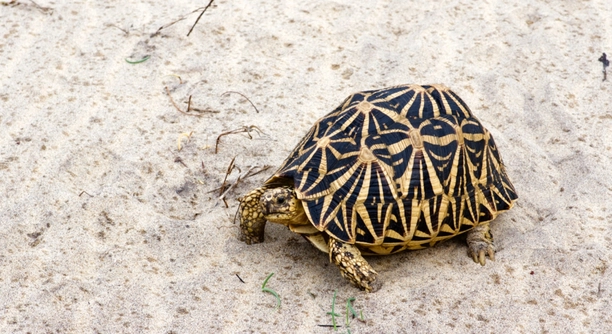
Turtles are fascinating pets, but sometimes you may notice their skin becoming wrinkled. If you’ve observed this in your turtle, it’s important to understand what could be causing this change.
Wrinkled skin in turtles is often a result of dehydration, poor humidity, or an improper diet. It can also indicate stress or environmental issues that need to be addressed to keep your turtle healthy.
There are simple steps you can take to help improve your turtle’s skin condition. By ensuring the right environment and hydration, you can help your turtle regain its healthy, smooth skin.
Causes of Wrinkled Skin in Turtles
Turtles can develop wrinkled skin for various reasons, with dehydration being the most common. If your turtle isn’t drinking enough water, or its environment is too dry, its skin can become shriveled. Humidity is another key factor that affects a turtle’s skin. Turtles require a certain level of humidity to keep their skin moist and healthy. If their habitat is too dry, it can lead to dehydration and wrinkling.
Another reason could be poor diet. A lack of essential nutrients, like vitamin A, can cause skin issues. Vitamin A is vital for a turtle’s skin health and overall well-being. Without it, they may struggle to shed their old skin properly, resulting in dryness or wrinkles. Stress or illness can also lead to skin changes, including wrinkling. If your turtle is stressed, it can show up in various ways, including changes in its skin condition.
Additionally, if a turtle is kept in water that is too cold, its skin may appear wrinkled as a response to stress. Turtles need the right water temperature to stay healthy, and exposure to cold water can cause their skin to dry out and wrinkle.
Dehydration and Its Effect on Your Turtle’s Skin
Dehydration is one of the main reasons turtles develop wrinkled skin. When turtles don’t have enough water, their skin loses moisture and becomes wrinkled.
To prevent this, make sure your turtle has access to clean, fresh water at all times. It’s essential that their habitat includes a water source that is easy for them to access. For aquatic turtles, the water should be changed regularly to maintain cleanliness. For land-based turtles, ensure they have a shallow water dish that they can drink from or soak in. Keeping your turtle hydrated will help maintain its healthy, smooth skin.
The Role of Humidity in Turtles’ Health
Humidity is crucial for turtles, especially those living in tropical or subtropical climates. Without the proper humidity level, a turtle’s skin will not stay hydrated. When humidity is too low, your turtle’s skin will lose moisture and can become wrinkled or flaky. It’s essential to maintain the right humidity levels in your turtle’s habitat.
Use a hygrometer to monitor the humidity level inside the enclosure, and if it’s too low, consider adding a humidity source, like a damp sponge or regular misting. This will keep the environment moist enough for your turtle’s skin to stay hydrated. If you’re unsure of the ideal humidity range for your turtle species, research the specific needs of the breed you own. Keeping the habitat humidity at the proper level will prevent skin issues and help your turtle feel more comfortable.
Poor Diet and Its Effect on Skin Health
A poor diet can lead to wrinkled skin in turtles. If your turtle isn’t getting the right balance of nutrients, it may show on its skin. Turtles need a variety of foods, including leafy greens, vegetables, and protein sources like insects or fish.
Lack of vitamin A, in particular, is a common issue. Vitamin A helps maintain healthy skin and supports the shedding process. Without enough of this vitamin, your turtle may struggle with skin issues, including wrinkles. Consider adding foods rich in vitamin A, like carrots or kale, to your turtle’s diet.
Along with vitamin A, it’s important to provide a well-rounded diet that includes calcium and other essential nutrients. Improper feeding can cause metabolic bone disease and other health issues that affect the skin. A balanced diet will support your turtle’s overall health, keeping its skin smooth and hydrated.
Stress and Environmental Factors
Stress can significantly affect a turtle’s skin. If your turtle feels unsafe or uncomfortable in its environment, it may show signs of stress, including wrinkling skin. Environmental stressors like loud noises, overcrowding, or frequent handling can cause turtles to feel threatened.
A turtle needs a stable and quiet environment to thrive. If you notice your turtle becoming withdrawn or lethargic, consider whether something in its environment may be causing it stress. Also, changes in temperature can play a role in stress. Turtles are cold-blooded, and their body temperature is affected by the water and air around them. Too much fluctuation can lead to skin problems like wrinkles.
Ensure that your turtle’s habitat is peaceful, secure, and within the right temperature range. Provide hiding spots and enough space to avoid overcrowding. This will minimize stress and help maintain your turtle’s healthy skin.
Temperature and Skin Condition
Cold temperatures can stress your turtle and cause its skin to wrinkle. Turtles are sensitive to changes in temperature, and a drop in water or air temperature can cause dehydration or slowed metabolism, leading to skin issues.
Ensure that the water is warm enough for your turtle. Use a thermometer to monitor the temperature, and make sure it matches the specific needs of the species. If the temperature is too low, your turtle may become sluggish, which can cause skin problems like wrinkling.
Water Quality and Skin Health
Dirty water is another common cause of wrinkled skin. Turtles need clean, filtered water to thrive. Poor water quality can cause bacterial infections, which can affect your turtle’s skin and overall health.
Regularly clean the water in your turtle’s tank and ensure the filter is functioning properly. If you have an aquatic turtle, make sure the water is being changed frequently to avoid any build-up of harmful bacteria. Clean water helps prevent skin problems, such as wrinkling, and keeps your turtle happy and healthy.
The Importance of Proper Shedding
Turtles shed their skin periodically, and improper shedding can lead to wrinkled skin. If your turtle is not shedding properly, it could result in the skin becoming dry or wrinkled.
To help your turtle shed smoothly, maintain the right humidity levels in the tank. Dry environments can interfere with the shedding process, leading to skin issues. If you notice your turtle struggling to shed, try increasing humidity or soaking them in water to help with the process.
FAQ
What are the main causes of wrinkled skin in turtles?
The main causes of wrinkled skin in turtles are dehydration, improper humidity, poor diet, and stress. Dehydration often occurs when your turtle doesn’t drink enough water or when the environment is too dry. A lack of humidity can also contribute to dry, wrinkled skin. Poor diet, especially a deficiency in vitamin A, can cause skin issues. Stress from environmental factors or temperature fluctuations may also result in wrinkling.
How can I prevent my turtle’s skin from becoming wrinkled?
To prevent wrinkled skin, ensure your turtle has access to fresh, clean water at all times. Maintain the right humidity level in the habitat, especially for species that require higher humidity. Make sure your turtle’s diet includes nutrient-rich foods, especially those with vitamin A, and keep their environment stress-free.
How do I know if my turtle is dehydrated?
Dehydration in turtles often shows up as wrinkled or dry skin. Other signs include lethargy, a lack of appetite, and a sunken appearance around the eyes. If your turtle’s skin is starting to look shriveled, it’s essential to provide proper hydration by soaking them in water and ensuring the enclosure is humid enough.
What should I feed my turtle to avoid skin problems?
A balanced diet rich in vegetables, protein, and calcium is crucial for preventing skin issues. Offer leafy greens, such as kale or collard greens, along with protein like insects or fish. Vitamin A-rich foods, such as carrots and sweet potatoes, are important for skin health. Avoid feeding your turtle too much processed food, as it may lead to nutritional imbalances.
Can stress cause my turtle’s skin to wrinkle?
Yes, stress can cause skin problems, including wrinkles. Stress in turtles can result from environmental factors like overcrowding, loud noises, or frequent handling. It’s important to create a stable, quiet environment with appropriate hiding spots. Also, temperature fluctuations can add to stress, making it vital to keep the habitat consistent.
What temperature should my turtle’s environment be to prevent skin issues?
The ideal temperature depends on the species of your turtle, but most need a basking spot between 85-90°F (29-32°C) and water temperatures between 75-80°F (24-27°C). If the water is too cold or fluctuates too much, it can stress your turtle and lead to skin issues, including wrinkles. Always monitor the temperature with a reliable thermometer to ensure your turtle’s habitat is within the right range.
How can I help my turtle shed properly?
Proper shedding is essential for healthy skin. To help your turtle shed, maintain an appropriate humidity level in their habitat, as this helps soften the old skin. If your turtle struggles to shed, you can soak it in warm water for 20-30 minutes to loosen the skin. Avoid pulling off the skin yourself, as this can harm your turtle.
Is wrinkled skin always a sign of illness in turtles?
Not always. While wrinkled skin can indicate dehydration or environmental issues, it doesn’t always point to illness. However, if your turtle’s skin doesn’t improve after addressing hydration, humidity, and diet, or if you notice other signs like lethargy, lack of appetite, or abnormal behavior, it’s best to consult a vet.
Can I use lotions or creams to treat my turtle’s wrinkled skin?
It’s not advisable to use lotions or creams on your turtle’s skin. Turtles have sensitive skin, and some products may irritate them or be toxic. Instead, focus on improving the environment, diet, and hydration. If the problem persists, a vet can recommend the appropriate treatment or ointment that is safe for turtles.
How often should I clean my turtle’s tank to prevent skin problems?
Regular tank cleaning is essential to maintain a healthy environment for your turtle. For aquatic turtles, change the water and clean the filter weekly. For land turtles, wipe down surfaces and clean their water dish regularly. Keeping the tank clean helps prevent bacteria and other pathogens that can lead to skin infections.
Can I give my turtle a bath to improve its skin condition?
Yes, you can give your turtle a bath to help with dehydration and skin issues. Soaking your turtle in warm water for about 20-30 minutes can hydrate it and help with shedding. Be sure the water temperature is appropriate (not too hot or cold) and always supervise your turtle during the bath.
Why is my turtle’s skin still wrinkled despite my efforts?
If you’ve been adjusting the humidity, hydration, and diet but the skin remains wrinkled, there could be other underlying issues. The turtle might have an infection, a metabolic issue, or a more serious health condition that requires professional attention. In such cases, a visit to the vet is recommended.
Can I prevent my turtle from getting wrinkled skin in the future?
Yes, with proper care, you can prevent future skin issues. Ensure your turtle always has access to clean water, maintain proper humidity and temperature, and feed a balanced diet. Regularly check your turtle’s skin, hydration, and environment to catch any problems early. Consistency in care is key to preventing skin problems.
Final Thoughts
Turtles are resilient creatures, but like any pet, they require proper care to stay healthy. If you notice your turtle’s skin becoming wrinkled, it’s important to understand the possible causes and take action. Dehydration, poor humidity, diet issues, stress, and environmental factors can all lead to wrinkling. Thankfully, most of these issues are preventable or can be corrected with simple adjustments to your turtle’s care routine. By providing the right environment and ensuring that your turtle is properly hydrated, well-fed, and comfortable, you can help maintain its skin health.
One of the most effective ways to prevent skin problems is to create a stable and suitable habitat. Make sure the water temperature, humidity, and cleanliness are all in check. Regularly cleaning your turtle’s tank and changing the water helps avoid bacteria and infection. Also, offering a varied and nutrient-rich diet is essential to keeping your turtle’s skin healthy. Vitamin A, in particular, plays a significant role in skin health, so be sure to include foods that are rich in this vitamin. If your turtle is well-cared for, it’s much less likely to experience wrinkled skin or other health issues.
If your turtle’s skin remains wrinkled despite making these changes, it’s important to seek help from a veterinarian. A professional can diagnose underlying health issues that may not be immediately apparent. Wrinkling skin could be a sign of a more serious condition, such as a skin infection or metabolic problem, that needs medical attention. By staying observant and addressing any issues early on, you can help ensure your turtle leads a long, healthy life. Taking the time to understand your turtle’s needs will go a long way in keeping it happy and healthy.

Hello,
If you enjoy the content that we create, please consider saying a "Thank You!" by leaving a tip.
Every little bit helps us continue crafting quality advice that supports the health, happiness, and well-being of pets around the world, for pets of all shapes, sizes, and species.
We really appreciate the kindness and support that you show us!