
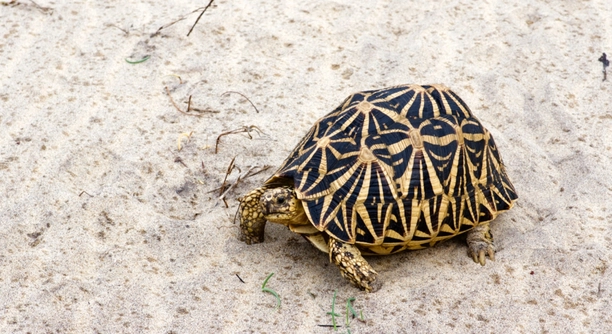
Turtles are fascinating creatures, and observing their behavior and health can help ensure they live a long, happy life. However, a common issue owners encounter is a greenish tint on their turtle’s shell. This can raise concern.
The green color on your turtle’s shell is often caused by algae growth, a natural occurrence in aquatic environments. Poor water quality, lack of sunlight, or an overcrowded tank can contribute to this. Regular cleaning and proper care can prevent it.
Understanding the causes of this issue will help you take the right steps to restore your turtle’s health and shell appearance.
Causes of a Green Turtle Shell
A greenish tint on your turtle’s shell is typically caused by algae growth. This happens when the water in the tank is not cleaned regularly or when it doesn’t receive enough sunlight. Turtles in natural environments often have algae growth on their shells, as it is a part of their habitat. However, when kept in tanks, poor maintenance or improper care can lead to excessive algae buildup, making the green color more noticeable. Algae can also thrive in stagnant water, so regular filtration and cleaning are necessary to reduce its growth.
Algae buildup is more common in tanks with insufficient filtration.
A turtle’s shell turning green can indicate a deeper issue related to its environment. A lack of natural light, poor water circulation, or overcrowded tanks can make it easier for algae to grow. If the tank isn’t cleaned regularly, algae will continue to spread, affecting the turtle’s health.
How to Prevent and Fix a Green Turtle Shell
Cleaning your turtle’s tank regularly is one of the most effective ways to prevent algae from forming. This means changing the water frequently, using a quality filter, and removing any uneaten food. If you notice algae buildup on the shell, you can gently scrub it off using a soft toothbrush. It’s important to be careful not to damage the shell, as this could cause harm to your turtle. Another crucial step is ensuring that your turtle has access to natural sunlight or UVB light. UVB light helps prevent excess algae growth and supports the overall health of your turtle.
Proper maintenance, regular cleaning, and UVB light are key to keeping your turtle’s shell clear.
The Importance of Proper Tank Lighting
Proper lighting is essential for a turtle’s overall health and shell condition. UVB light helps prevent algae growth while supporting the turtle’s ability to process calcium, which keeps its shell strong. Without proper lighting, the turtle’s immune system weakens, making it more susceptible to health issues.
UVB light should be provided for about 10-12 hours each day, simulating natural sunlight. It’s important to replace the bulb regularly, as UVB output decreases over time. If you use natural sunlight, place the tank near a window but avoid direct exposure to prevent overheating. Monitoring your turtle’s behavior can also help identify if the lighting conditions are correct.
Turtles exposed to UVB light are more likely to thrive. Not only does it help reduce algae growth on their shells, but it also prevents metabolic bone disease. Ensure your turtle’s environment is set up correctly to avoid unnecessary shell issues in the future.
Tank Cleaning and Maintenance
Regular cleaning is crucial to keep your turtle’s tank healthy and prevent algae buildup. Changing the water once a week and vacuuming the substrate can help eliminate organic matter where algae thrive. It’s also important to scrub the sides of the tank with an aquarium-safe cleaner.
In addition to cleaning, check the filtration system regularly. A good filter will help maintain water clarity and reduce algae. Over time, filters can become clogged, losing their effectiveness. A proper filter prevents debris from accumulating, keeping the tank water fresh and your turtle’s shell free from algae.
If you notice algae growing on the turtle’s shell, use a soft toothbrush to gently scrub it off. Be careful not to scratch the shell. Regular tank maintenance not only keeps algae at bay but also ensures your turtle is living in a healthy environment.
The Right Water Temperature
Maintaining the proper water temperature is key to your turtle’s health. Water that is too cold or too hot can stress your turtle and cause health issues, including shell discoloration. The ideal water temperature for most turtle species is between 75°F and 80°F.
Use a reliable water heater with a thermostat to keep the water at a consistent temperature. Too much fluctuation in temperature can lead to shell problems, such as algae growth. It’s important to monitor the water temperature regularly using a thermometer to make adjustments as needed.
Diet and Shell Health
What your turtle eats affects the condition of its shell. A balanced diet with enough calcium, vitamin D3, and protein is vital for a healthy shell. Feeding your turtle fresh vegetables, leafy greens, and occasional protein-rich food will provide the necessary nutrients.
Supplements can also be used to ensure your turtle is getting enough calcium. Without enough calcium, your turtle may experience shell deformities or weakened immune systems. A healthy diet and proper supplements will support strong shell development and overall well-being.
Tank Size
The size of the tank plays an important role in the health of your turtle’s shell. A cramped environment can cause stress and contribute to unhealthy shell growth. Providing enough space for your turtle to swim and bask reduces stress.
A tank that is at least 40 gallons is recommended for a single adult turtle. Larger tanks offer better water quality and allow more room for natural behaviors. A larger tank also helps maintain stable water conditions, reducing the chance of algae buildup.
FAQ
Why is my turtle’s shell turning green?
A green shell is usually caused by algae growth. Algae thrive in stagnant or poorly maintained water. When a turtle’s tank isn’t cleaned regularly, or the water lacks proper filtration, algae can build up on the shell. Additionally, lack of exposure to UVB light or sunlight can encourage algae growth.
How can I prevent algae growth on my turtle’s shell?
Regular tank maintenance is essential. Clean the tank weekly and change the water frequently. Use a quality filter to keep the water clean and reduce algae buildup. Ensure your turtle gets enough UVB light and isn’t exposed to direct sunlight for long periods.
Is it harmful if my turtle’s shell is green?
A green shell caused by algae is generally not harmful. However, it can indicate that the turtle’s environment isn’t properly maintained. Excess algae can be a sign of poor water quality, which can lead to other health problems, including shell rot or infections.
Can I remove algae from my turtle’s shell?
Yes, you can remove algae from your turtle’s shell. Gently scrub the shell with a soft toothbrush. Avoid using harsh chemicals or abrasive tools that could damage the shell. Always handle your turtle carefully during cleaning to avoid injury.
How often should I clean my turtle’s tank?
The tank should be cleaned at least once a week. Change about 25-50% of the water weekly, depending on tank size. Perform a deeper clean every 2-4 weeks by scrubbing the tank and cleaning the filter.
How do I know if the water temperature is right for my turtle?
The water temperature should be between 75°F and 80°F for most turtle species. Use a reliable thermometer to monitor the temperature regularly. If the water is too cold, your turtle may become sluggish or stressed, while water that is too hot can cause overheating.
What lighting does my turtle need?
Turtles need UVB lighting to stay healthy. A proper UVB light should be on for about 10-12 hours per day. UVB helps your turtle process calcium and prevents algae buildup on the shell. Ensure the bulb is replaced regularly as its UVB output decreases over time.
Can algae on my turtle’s shell cause health issues?
While algae itself isn’t harmful, it can be a sign of an unhealthy environment. Poor water quality and lack of proper lighting can lead to weakened immune systems, which may increase the risk of shell infections. Keeping the environment clean helps reduce this risk.
How can I tell if my turtle’s shell is unhealthy?
Signs of an unhealthy shell include discoloration, soft or pitted areas, swelling, and foul odors. If you notice any of these symptoms, consult a vet for proper treatment. Shell problems can be a sign of infections, malnutrition, or poor living conditions.
How can I provide better UVB exposure for my turtle?
Ensure your turtle has access to a proper UVB light source. Place it near the basking area, where your turtle can soak up the light. If you use natural sunlight, avoid prolonged exposure to direct sun to prevent overheating.
What should I feed my turtle for a healthy shell?
Feed your turtle a balanced diet of leafy greens, vegetables, and occasional protein sources. Include foods rich in calcium, such as cuttlebone or calcium supplements, to support shell health. A proper diet ensures your turtle’s shell stays strong and free of deformities.
Can I use tap water in my turtle’s tank?
Tap water is generally safe for your turtle, but it may contain chlorine or chloramine, which can harm your turtle. Use a water conditioner to remove these chemicals or let the water sit for 24-48 hours before adding it to the tank.
Is my turtle’s shell affected by the tank’s size?
Yes, the size of the tank can affect the turtle’s overall health. A smaller tank increases stress and limits space for natural behaviors like swimming. Providing a larger tank allows for better water quality, which helps prevent algae growth and supports your turtle’s health.
Can I use aquarium plants to help with algae growth?
Live aquarium plants can help balance the water by absorbing excess nutrients, which may reduce algae growth. However, make sure the plants are safe for turtles, as some species may eat them. Plants also provide hiding spots and enrichment for your turtle.
How do I treat shell rot in my turtle?
Shell rot is a serious condition that requires prompt attention. If your turtle shows signs of soft or damaged areas on its shell, it is important to consult a veterinarian. Treatment usually involves cleaning the shell, improving tank conditions, and possibly antibiotics.
Can stress affect my turtle’s shell?
Yes, stress can affect your turtle’s shell health. Overcrowded tanks, improper water temperature, and lack of hiding spots can cause stress, weakening the immune system. Ensure your turtle has a calm, spacious environment to reduce stress and promote overall health.
What is the best filter for a turtle tank?
Choose a filter rated for a tank size larger than yours, as turtles produce more waste than fish. Canister filters or powerful internal filters work well, as they can handle the waste load. Be sure to clean the filter regularly to maintain good water quality.
Final Thoughts
Maintaining your turtle’s shell health is closely tied to providing the right environment. A clean tank, proper water temperature, and good lighting are all essential factors that directly affect the condition of your turtle’s shell. Algae buildup may seem like a minor issue, but it’s often a sign of deeper environmental problems. Regular tank maintenance, proper UVB lighting, and a balanced diet go a long way in keeping your turtle’s shell healthy and preventing unwanted discoloration.
Understanding the importance of a clean and stable environment is crucial. Your turtle relies on you to manage its habitat so it can thrive. Regular water changes, monitoring the temperature, and making sure the tank is large enough for your turtle to move freely are all part of this responsibility. It’s not just about keeping the shell clean, but about promoting overall health. An environment that lacks proper care can lead to health issues like shell rot or weakened immune systems, which can cause long-term harm.
Addressing the causes of algae buildup is simple when you follow proper care guidelines. A healthy shell is a reflection of how well you maintain your turtle’s tank and diet. By understanding the signs of poor water quality and staying on top of cleaning routines, you can prevent common issues like algae growth. Ensuring that your turtle gets enough calcium and vitamin D3 through food or supplements will also support its shell health. With the right knowledge and effort, you can help your turtle maintain a strong, vibrant shell for years to come.

Hello,
If you enjoy the content that we create, please consider saying a "Thank You!" by leaving a tip.
Every little bit helps us continue crafting quality advice that supports the health, happiness, and well-being of pets around the world, for pets of all shapes, sizes, and species.
We really appreciate the kindness and support that you show us!