
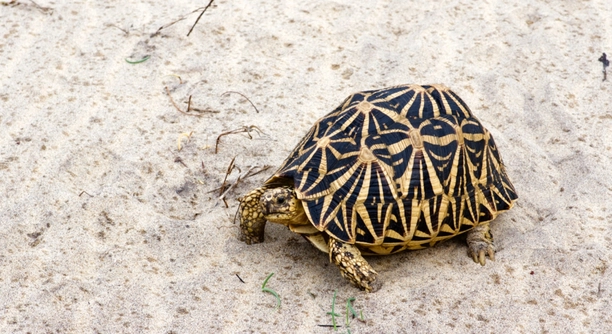
Turtles can be fascinating pets, but sometimes their shells may start peeling in large pieces. This can be alarming for pet owners who may not understand why it’s happening. Understanding the reasons behind it is important.
Peeling in large pieces is often due to natural shedding, poor humidity, or an unbalanced diet. A turtle’s shell grows in layers, and improper care can cause abnormal shedding, leading to larger flakes. A balanced environment can help.
Learning about what causes this issue can help you take better care of your turtle. It’s important to address these factors for your turtle’s health and wellbeing.
Natural Shedding Process in Turtles
Turtles naturally shed layers of their shells as they grow. This is a normal process, where older layers of the shell peel away to make room for new growth. The shedding usually happens in small pieces, but sometimes it can appear as larger flakes. The size of the pieces may vary depending on the turtle’s age, health, and environment. If the shedding is consistent and there are no other signs of illness, it’s generally nothing to worry about. However, it’s important to monitor the process to ensure it isn’t excessive or accompanied by other symptoms like sores or discoloration.
Sometimes, larger pieces of shell peeling can be a sign that the turtle’s shell isn’t growing properly or is under stress. In these cases, the shedding might be more intense, and the shell might become soft. If the shell becomes too soft, it can indicate a deficiency in calcium or improper conditions. Keeping an eye on your turtle’s health will help you identify if there’s a deeper issue.
Humidity and Temperature Issues
Incorrect humidity or temperature levels can cause peeling in large pieces. Turtles need a stable environment to thrive. If the humidity is too low or the temperature too high, it can result in stress, affecting their shell growth.
Ensuring that the habitat is appropriately regulated is key to preventing large-scale shell peeling. A proper humidity level of 70-90% and a temperature between 75-85°F will support healthy shell shedding.
Nutritional Deficiencies
A poor diet can contribute to large pieces of shell peeling. If your turtle isn’t getting enough calcium, vitamin D3, or other essential nutrients, their shell may not develop properly. Without these, their shells may weaken and peel in larger sections.
Turtles need a balanced diet that includes leafy greens, high-quality pellets, and calcium supplements. If your turtle isn’t getting enough nutrients, their shell will suffer. Calcium is particularly important for hardening the shell, and without enough, it may become soft or peel. Offering the right variety of foods and ensuring they have access to proper UVB light can improve the overall health of their shell.
If you’re noticing shell issues, check that your turtle’s diet is rich in vitamins and minerals. Be sure to provide a UVB light source to help them process calcium and promote healthy shell growth. Over time, this will improve the condition of their shell.
Poor Water Quality
Dirty water can lead to several health issues, including shell peeling. Bacteria and fungi in unclean water can infect the turtle’s shell, causing it to peel or develop lesions. Regular water changes and proper filtration are essential.
Maintaining clean water is vital to a turtle’s health. Dirty water can promote bacterial or fungal infections that damage the shell, leading to peeling in large pieces. Without proper filtration, harmful bacteria can thrive, increasing the risk of shell rot. Water changes should be done weekly, or more often if necessary. Additionally, using a reliable filtration system will help keep the water clean and safe.
Make sure to regularly check the water’s temperature and pH levels. It’s important to clean your turtle’s tank often and use a filter that can handle the size of your turtle’s habitat. Proper maintenance is the key to a healthy shell and a happy turtle.
Excessive Handling
Constant handling can lead to shell stress, causing it to peel in large pieces. Turtles are sensitive to too much interaction. While some handling is fine, frequent touching or moving can disrupt their natural shell growth.
Turtles prefer minimal handling, especially if they feel stressed. If you find your turtle shedding large flakes after frequent handling, it’s a sign they’re under stress. Stress can slow down shell development and cause abnormal peeling. It’s important to let them adjust to their environment and only handle them when necessary to prevent stress-related issues.
Shell Injuries
Physical damage to the shell can cause peeling. If a turtle’s shell is injured, whether by another pet or during an accident, it may begin to peel or flake off. The injury could disrupt normal growth patterns.
If you suspect shell damage, examine the turtle for cracks, scratches, or discoloration. Even minor injuries can lead to peeling. It’s essential to provide proper care and avoid handling the turtle in a way that could cause further harm. Protecting the shell from injuries is key to preventing larger flakes of peeling.
Dehydration
Dehydration is another factor that can lead to peeling shells. Turtles require enough water to stay hydrated. If they aren’t getting sufficient moisture, their shells may become brittle and peel.
Dehydrated turtles often suffer from cracked or peeling shells. It’s important to ensure that they always have access to fresh water, and the water should be changed regularly to maintain quality. If the tank isn’t big enough, consider adding more water to help your turtle stay hydrated and healthy. A healthy turtle should remain hydrated to keep its shell intact.
FAQ
Why is my turtle’s shell peeling?
A turtle’s shell naturally sheds in layers as they grow, which can result in pieces of the shell peeling off. However, excessive peeling, particularly in large pieces, may indicate stress, dehydration, or nutritional deficiencies. Inconsistent humidity, poor water quality, or inadequate UVB light can also contribute to abnormal peeling.
How can I stop my turtle’s shell from peeling?
To stop the peeling, ensure your turtle has a balanced diet with enough calcium and vitamin D3. Maintain proper tank humidity and temperature levels, and make sure the water is clean and filtered. Limiting handling and avoiding stress can also prevent shell damage.
What are signs of a healthy turtle shell?
A healthy turtle shell should be smooth, hard, and free of cracks or soft spots. It may have slight natural shedding, but this should happen in small, controlled flakes rather than large chunks. The shell should also have a uniform color and no signs of infections, such as discoloration or sores.
Is peeling normal for young turtles?
Yes, peeling is common in young turtles as they grow. Their shells may shed more frequently as they develop, which is part of the natural growth process. However, keep an eye on the peeling to ensure it doesn’t become excessive or lead to other health issues like softening.
How can I improve the conditions in my turtle’s tank?
To improve your turtle’s living conditions, ensure the tank has the correct temperature and humidity levels. Invest in a good quality water filter and change the water regularly. Also, provide UVB lighting to help your turtle absorb calcium and maintain shell health.
Can poor water quality cause shell peeling?
Yes, dirty or stagnant water can cause bacteria and fungi to grow, leading to infections that may damage the turtle’s shell. Unclean water can also lead to stress, which can further contribute to abnormal shedding. Regular water changes and proper filtration are crucial for maintaining a healthy environment.
Should I give my turtle a calcium supplement?
If your turtle’s diet lacks sufficient calcium, a supplement is recommended. Calcium helps maintain a strong shell and prevents it from becoming soft or peeling. You can provide calcium in the form of powdered supplements or by adding cuttlebone to the tank. Be sure to also provide adequate UVB lighting for calcium absorption.
How often should I clean my turtle’s tank?
Cleaning your turtle’s tank at least once a week is essential for maintaining good water quality. However, if your turtle is very active or the water looks dirty sooner, you may need to clean it more frequently. Regular water changes, along with a good filter, help prevent harmful bacteria buildup.
Can dehydration cause shell peeling?
Yes, dehydration can lead to brittle and dry shells, causing them to peel. Turtles require access to fresh water at all times. If a turtle is not getting enough moisture, whether from water or their diet, it can lead to shell issues. Ensure your turtle has a proper water source to stay hydrated.
Can I treat my turtle’s peeling shell at home?
If the peeling is mild and seems natural, there’s no immediate need for treatment. However, if you notice signs of infection, such as swelling, sores, or an unusually soft shell, it’s best to consult a vet. In the meantime, ensure your turtle is in a clean tank with appropriate humidity and nutrition.
What should I do if my turtle’s shell becomes soft?
If the shell becomes soft, it’s typically a sign of calcium deficiency or insufficient UVB light. You should adjust their diet to include more calcium-rich foods and offer a supplement if needed. Ensure the tank has a UVB light source to aid in calcium absorption. If the problem persists, a visit to the vet may be necessary.
Final Thoughts
Turtle shell peeling can be a natural process, especially as they grow, but it’s important to pay attention if it happens in large pieces or becomes excessive. While some shedding is expected, abnormal peeling could be a sign of stress, dehydration, or a nutritional issue. Understanding the possible causes of shell peeling will help you make the right adjustments to your turtle’s care routine.
Proper tank conditions, a balanced diet, and stress management are key to preventing issues with your turtle’s shell. A healthy environment with clean water, adequate humidity, and UVB lighting plays an essential role in your turtle’s overall well-being. Ensure that the tank temperature is correct, the water is regularly changed, and that your turtle has access to the proper nutrients like calcium and vitamin D3. These steps can help support healthy shell growth and prevent peeling.
If you continue to notice significant peeling despite improvements in care, it’s always a good idea to consult with a veterinarian. A professional can help rule out underlying health conditions and guide you on how to best support your turtle’s recovery. Remember, small changes in their environment or diet can make a big difference, so staying attentive to their needs is essential.

Hello,
If you enjoy the content that we create, please consider saying a "Thank You!" by leaving a tip.
Every little bit helps us continue crafting quality advice that supports the health, happiness, and well-being of pets around the world, for pets of all shapes, sizes, and species.
We really appreciate the kindness and support that you show us!