
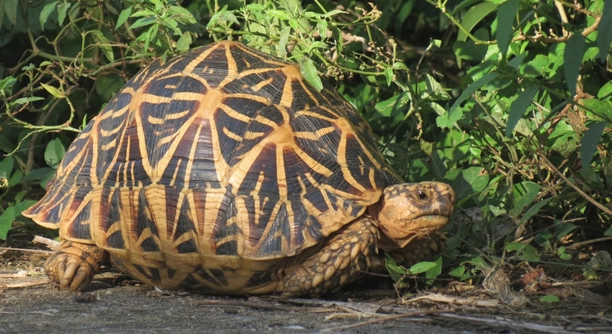
Turtles are fascinating creatures, and their shells are one of the most intriguing parts of their anatomy. If you’ve noticed that your turtle’s shell isn’t growing evenly, it can be concerning.
An unevenly growing shell is often a sign of an underlying issue such as improper diet, inadequate lighting, or health problems. Shell growth can also be influenced by the species of the turtle and its living environment.
Uneven shell growth can lead to long-term problems, but with the right care and attention, you can help your turtle maintain a healthy, even shell. Understanding the causes can make a big difference in your turtle’s well-being.
Improper Diet Can Affect Shell Growth
One of the most common reasons for uneven shell growth in turtles is an improper diet. Turtles need a balanced diet, rich in vitamins and minerals, to promote healthy shell development. Without the proper nutrients, their shells may grow slowly or unevenly. Turtles typically need a mix of protein, leafy greens, and other vegetables to ensure they’re getting the vitamins A, D, and calcium necessary for shell health. A lack of calcium, in particular, can cause deformities or soft spots on the shell. Without the right diet, your turtle won’t have the proper nutrients to grow evenly.
Providing your turtle with a variety of food options can help maintain its health and shell growth. Offer them a mix of high-quality pellets, fresh vegetables, and protein sources. You might also want to consult a vet for specific dietary recommendations.
The diet should be adjusted based on the turtle’s age, size, and species. Young turtles, in particular, require more protein, while adults need more plant-based foods. Making sure that the food is fresh and free from pesticides or chemicals is equally important. Regularly rotating their meals ensures they get a wide variety of nutrients.
Importance of Proper Lighting
Turtles need access to the right type of lighting for proper shell growth. Without UVB lighting, they cannot properly metabolize calcium, leading to poor shell development. UVB light helps turtles produce vitamin D3, which is essential for absorbing calcium. Without this, even the best diet won’t be effective.
UVB light should be provided for 10 to 12 hours a day to mimic natural sunlight. Ensure the bulb is positioned at the right distance from the turtle to be effective. Replacing the bulb regularly is crucial as the UVB rays decrease over time.
Shell Rot or Other Health Issues
If your turtle is experiencing uneven shell growth, it could be a sign of health issues like shell rot or infections. Shell rot is caused by bacteria, fungi, or parasites and can weaken the shell’s structure. If left untreated, it can cause deformities or uneven growth.
If you notice soft spots or unusual discoloration on your turtle’s shell, it’s important to consult a vet immediately. Early treatment can prevent the infection from worsening. Keeping the turtle’s habitat clean and dry can help reduce the risk of infections.
Turtles are also prone to other health conditions that can affect their shell development. For example, metabolic bone disease (MBD) is another common issue that can cause deformities. MBD is often linked to calcium deficiency and improper lighting. If your turtle shows signs of health problems, seek professional help to address the issue quickly before it affects their shell growth.
Poor Habitat Conditions
An unsuitable living environment can affect your turtle’s overall health, including its shell. If the habitat is too cold or lacks proper humidity, your turtle may struggle to grow a healthy shell. Turtles need the right temperature and humidity to digest food properly and metabolize calcium.
To create a comfortable environment, provide a basking area with temperatures between 85-90°F and a cooler water area ranging from 70-75°F. Make sure your turtle has enough space to swim, bask, and rest. The tank should be large enough to accommodate their size and behavior.
Maintaining clean water is just as important. Dirty water can cause stress and promote the growth of harmful bacteria, leading to health issues. Regular water changes, proper filtration, and consistent temperature are key to a healthy environment for your turtle. The proper setup will help promote even shell growth.
Genetics and Species Differences
Genetics play a major role in how a turtle’s shell develops. Some turtles naturally have more uneven shell growth than others due to their species. Certain breeds, like the box turtle, may have shells that grow more irregularly compared to other types.
These genetic factors can influence shell patterns, growth rates, and even the shell’s overall appearance. While this isn’t always a health issue, it’s important to understand that uneven growth may be normal for some species. Monitoring the overall health of your turtle is still key, even if genetics are a factor.
Overfeeding
Overfeeding your turtle can lead to problems with its shell growth. When a turtle is fed more than it needs, it may grow too quickly, causing stress on its body. This can result in an uneven or deformed shell.
Overfeeding can also contribute to obesity and related health issues that further impact shell growth. It’s important to stick to a balanced feeding schedule and avoid excessive portions to ensure healthy growth patterns. Moderation is key when feeding your turtle.
FAQ
What can cause uneven shell growth in my turtle?
Uneven shell growth in turtles is often caused by a combination of factors. Poor diet, insufficient UVB lighting, and unhealthy habitat conditions can all contribute to shell issues. Additionally, health problems like shell rot or metabolic bone disease can affect shell development. In some cases, genetics and species differences may naturally result in uneven growth. It’s important to regularly monitor your turtle’s diet, environment, and health to ensure proper shell development.
How do I know if my turtle’s shell is healthy?
A healthy turtle shell should be firm, smooth, and free of cracks or soft spots. The color should be consistent and free of any unusual discoloration. Regularly check for any signs of scarring, bumps, or pits, as these could indicate underlying issues. If your turtle’s shell appears deformed or if it has difficulty moving, it’s best to consult a vet. Healthy shells grow in smooth layers without deep irregularities.
Can diet affect my turtle’s shell growth?
Yes, diet plays a crucial role in shell growth. Turtles need a balanced diet with the right amount of calcium, vitamins, and minerals to develop a healthy shell. Calcium is especially important for shell development. If your turtle is not getting enough calcium, its shell may become soft, lumpy, or uneven. Offering a variety of foods, including leafy greens, protein, and high-quality pellets, helps ensure they get all the nutrients needed for healthy growth.
Is UVB lighting necessary for shell growth?
UVB lighting is essential for your turtle’s shell growth. It allows the turtle to produce vitamin D3, which helps absorb calcium and promotes healthy shell development. Without proper UVB light, your turtle may develop metabolic bone disease, leading to weak or deformed shells. Ensure your turtle has access to UVB light for at least 10 to 12 hours a day. If the lighting is inadequate, even the best diet will not be as effective.
How often should I feed my turtle?
The feeding schedule varies depending on the age and species of your turtle. Juvenile turtles require more frequent feeding, while adult turtles can be fed less often. A general rule is to feed young turtles daily, while adult turtles may need food every other day or 3-4 times per week. Offer a variety of foods and avoid overfeeding to prevent obesity and health issues that could affect shell growth. Always remove any uneaten food to keep the habitat clean.
Can water temperature affect my turtle’s shell?
Yes, water temperature plays a significant role in your turtle’s overall health, including shell growth. If the water is too cold, it can slow down digestion and metabolism, making it difficult for your turtle to absorb nutrients properly. This can lead to poor shell development. Keep the water temperature between 70°F and 75°F for aquatic turtles. If you have a basking area, ensure it stays around 85-90°F. Proper temperature regulation promotes healthy growth and a more balanced shell.
What can I do if my turtle has shell rot?
If you suspect your turtle has shell rot, it’s important to act quickly. Shell rot typically appears as soft, discolored areas on the shell, often caused by bacteria, fungi, or parasites. Keep the turtle in a clean, dry environment and take it to a vet for treatment. A vet may need to clean the infected areas, prescribe antibiotics, or offer other treatments depending on the severity. Maintaining a proper habitat and ensuring your turtle is well-fed will help prevent further issues.
How do I care for my turtle’s shell?
Regular care of your turtle’s shell involves maintaining a healthy environment, providing proper nutrition, and ensuring your turtle gets the right amount of UVB light. Keeping the habitat clean and free from harmful bacteria helps prevent infections that could damage the shell. You can also gently clean your turtle’s shell with a soft toothbrush to remove algae buildup. Make sure to keep your turtle active, as movement and exercise contribute to overall health and shell development.
Can overfeeding cause uneven shell growth?
Yes, overfeeding can cause problems with shell growth. Feeding your turtle too much can lead to rapid growth, which may stress the body and cause an uneven shell. Overfeeding can also contribute to obesity, which places additional strain on your turtle’s health. Make sure to feed your turtle a balanced amount of food according to its size and age. Avoid offering too many high-calcium foods or treats that could lead to an imbalance. Moderation is key to promoting healthy shell development.
Is it okay to let my turtle bask outside?
It can be beneficial to let your turtle bask outside in natural sunlight, as long as it’s safe to do so. Exposure to natural sunlight provides the necessary UVB rays for vitamin D3 production, which is essential for shell health. However, be sure the area is secure, and the temperature is appropriate. Never leave your turtle unsupervised outdoors. An outdoor basking session should not exceed a few hours, especially if it’s extremely hot or cold, as environmental stress can be harmful.
When should I see a vet about my turtle’s shell?
If your turtle’s shell shows signs of severe damage, discoloration, or deformities, it’s time to consult a vet. Other signs, such as unusual growth patterns, soft spots, or difficulty moving, may indicate health issues that require professional care. Early intervention can prevent more serious problems down the road. Regular vet checkups are also a good idea to monitor overall health, especially for older turtles or those showing signs of illness.
Final Thoughts
Taking care of a turtle’s shell is an essential part of ensuring its overall health and well-being. A healthy shell is not just a sign of a happy turtle but also an indicator that it’s getting the proper nutrition, care, and environment it needs to thrive. If you notice uneven shell growth, it’s important to address it early to avoid long-term problems. Keeping an eye on factors like diet, lighting, and habitat can make a big difference in how well your turtle’s shell grows. Proper care can lead to a strong and healthy shell that supports your turtle’s body.
The key to addressing uneven shell growth lies in understanding the different factors that can affect your turtle. Whether it’s offering the right diet, ensuring they get enough UVB light, or keeping their habitat clean and safe, each element plays a role. Sometimes, it’s just a matter of adjusting a few things in their care routine. For instance, if you’re noticing slow or uneven growth, check their food intake and ensure they have the proper vitamins and minerals, especially calcium. Also, double-check the temperature and humidity levels in their living space to make sure they’re optimal. Small changes can often help improve their shell development.
If you’re ever uncertain about your turtle’s shell health or if the issue seems more serious, it’s always a good idea to consult a vet. Professional advice can help ensure that your turtle receives the right treatment and care. Turtles are resilient animals, and with the right attention, most shell issues can be prevented or treated effectively. A healthy shell is a sign of a healthy turtle, and with proper care, your turtle can live a long and happy life.

Hello,
If you enjoy the content that we create, please consider saying a "Thank You!" by leaving a tip.
Every little bit helps us continue crafting quality advice that supports the health, happiness, and well-being of pets around the world, for pets of all shapes, sizes, and species.
We really appreciate the kindness and support that you show us!