
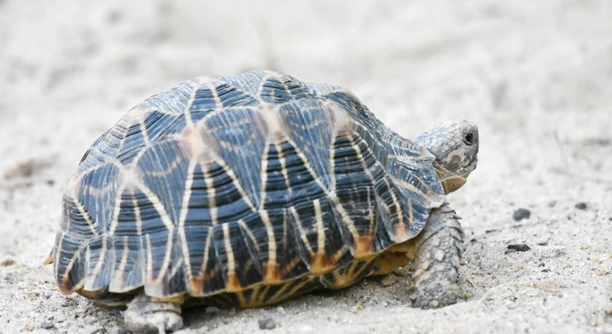
Is your turtle’s shell growing unevenly, leaving you concerned about its health? A healthy shell is important for your turtle’s overall well-being, and noticing irregular growth can be worrying for any pet owner. Understanding the causes can help you take the right steps.
Uneven shell growth in turtles is commonly caused by poor nutrition, inadequate lighting, or improper humidity levels. A lack of essential vitamins and minerals, insufficient UVB exposure, and incorrect habitat conditions can lead to deformities, soft spots, or irregular growth patterns.
Shell irregularities can signal underlying health problems that require attention. Learning about proper diet, lighting, and habitat conditions can help you ensure your turtle grows a strong and healthy shell.
Common Reasons for Uneven Shell Growth
Turtles need proper nutrition, lighting, and habitat conditions to grow healthy shells. A diet lacking essential vitamins and minerals, especially calcium and vitamin D3, can lead to deformities. Without UVB lighting, turtles struggle to absorb calcium, which weakens their shells. Poor humidity and water quality also affect shell development, causing uneven growth. Additionally, genetic factors can play a role in shell shape and structure. If a turtle’s enclosure is too small or lacks variety in terrain, its shell may not develop evenly. Addressing these factors can help ensure a strong, well-formed shell for your turtle.
Keeping a close eye on your turtle’s diet and environment can prevent shell problems. Fresh vegetables, calcium supplements, and proper UVB exposure are essential. Maintaining clean water and the right humidity levels also supports healthy growth. Simple changes to care routines can make a big difference in shell development.
Some turtles naturally develop slightly irregular shells, but extreme unevenness could indicate a deeper issue. Regular check-ups with a reptile veterinarian can help detect early signs of metabolic bone disease or other health concerns. Understanding the causes of uneven shell growth allows you to provide the best care possible for your turtle.
How to Improve Your Turtle’s Shell Growth
Providing a well-balanced diet is key to healthy shell development. Turtles need calcium-rich foods like leafy greens, cuttlebone, and fortified pellets. A lack of proper nutrients can lead to a weak, uneven shell. Offering a variety of foods ensures they get everything they need.
In addition to diet, UVB lighting plays a big role in shell health. Without it, turtles cannot absorb calcium properly, which can lead to deformities. Ensure your turtle has access to high-quality UVB light for at least 10-12 hours daily. Proper basking spots with the right temperature help with digestion and overall health. Maintaining clean water and the correct humidity level prevents fungal or bacterial infections that may affect shell growth. Providing a spacious enclosure with different surfaces encourages natural movement, which supports even development. Regular health checks and adjustments to your turtle’s care routine will help keep its shell strong and well-formed.
The Role of Diet in Shell Development
A poor diet can lead to an uneven shell, making proper nutrition essential. Turtles need a variety of foods rich in calcium, vitamins, and protein. Leafy greens, high-quality pellets, and occasional protein sources like insects or fish help maintain a strong, well-formed shell.
Calcium is one of the most important nutrients for shell growth. Without enough calcium, a turtle’s shell may develop soft spots or an irregular shape. Calcium sources like cuttlebone, calcium powder, and certain vegetables help strengthen the shell. However, calcium alone isn’t enough. Vitamin D3 is necessary for calcium absorption, and turtles get this through proper UVB exposure. A well-rounded diet should also include protein in moderation, as too much can lead to rapid growth and shell deformities. Offering a balanced mix of food ensures the turtle gets everything needed for steady, even shell development.
Feeding turtles a variety of fresh foods prevents nutritional deficiencies. Dark leafy greens such as collard greens, mustard greens, and dandelion greens provide essential vitamins. Occasional fruits can be offered, but in small amounts. Protein sources should be included based on the turtle’s species, with aquatic turtles benefiting from fish and insects. Ensuring a balanced diet will support proper shell growth over time.
Importance of Proper Lighting and Habitat
UVB lighting is necessary for healthy shell development. Without it, turtles cannot properly process calcium, leading to deformities and weakened shells. A high-quality UVB bulb should be placed within the enclosure, ensuring the turtle gets at least 10-12 hours of light daily. Replacing the bulb every six months maintains effectiveness.
In addition to lighting, a proper habitat setup is essential. The basking area should maintain temperatures between 85-95°F, allowing the turtle to regulate body temperature. The enclosure should be spacious enough to encourage movement, preventing shell deformities caused by limited space. Water quality is just as important—dirty water can lead to infections that affect shell health. Regular cleaning and proper filtration keep the habitat safe. Adding different surfaces, like smooth rocks and logs, helps strengthen the turtle’s shell naturally. By optimizing both lighting and habitat conditions, you can ensure steady and even shell growth.
Effects of Poor Humidity and Water Quality
Incorrect humidity levels can lead to an unhealthy shell. If the air is too dry, the shell may develop cracks or deformities. For species needing higher humidity, misting the enclosure and maintaining proper moisture levels help prevent issues. Keeping humidity balanced supports overall shell health.
Dirty water increases the risk of infections that affect shell growth. Bacteria and fungi thrive in unclean environments, leading to shell rot or discoloration. Regular water changes and a high-quality filtration system help maintain a clean habitat. Ensuring proper hygiene reduces the chances of shell-related health problems.
When to Seek Veterinary Care
Shell deformities, soft spots, or discoloration may indicate a serious health issue. If the shell appears damaged, infected, or does not improve with proper care, a reptile veterinarian should be consulted. Early intervention can prevent long-term complications and ensure the turtle’s shell remains strong and healthy.
Final Considerations
Maintaining proper diet, lighting, and habitat conditions is key to even shell growth. Regular monitoring helps prevent problems before they become severe. Small adjustments in care can make a big difference, ensuring the turtle stays healthy and its shell develops properly over time.
FAQ
Why is my turtle’s shell growing bumpy?
A bumpy shell is often caused by improper diet or rapid growth. Too much protein can lead to pyramiding, where scutes grow unevenly. Insufficient calcium or lack of UVB exposure can also affect shell development. Providing a balanced diet and proper lighting helps prevent these issues.
Can an uneven shell be fixed?
In some cases, improving diet, lighting, and habitat conditions can help a turtle’s shell grow more evenly over time. However, severe deformities may be permanent. Regular vet check-ups ensure there are no underlying health issues causing the uneven growth. Early intervention increases the chances of improvement.
How much UVB light does my turtle need?
Turtles need UVB exposure for 10-12 hours a day to properly absorb calcium. A high-quality UVB bulb should be used and replaced every six months. Without proper UVB, turtles can develop metabolic bone disease, leading to soft shells and deformities. A combination of UVB and natural sunlight is beneficial.
What foods help my turtle’s shell grow strong?
Leafy greens like collard greens, mustard greens, and dandelion greens are excellent calcium sources. Cuttlebone, calcium powder, and high-quality pellets also support strong shell growth. Some protein, such as insects or fish, is necessary but should be given in moderation to prevent excessive growth.
Can too much protein harm my turtle’s shell?
Yes, excessive protein can cause pyramiding, a condition where the shell forms raised, bumpy scutes. This is especially common in turtles fed too many high-protein foods like meat, insects, or commercial pellets. A well-balanced diet with controlled protein intake helps maintain smooth shell growth.
How can I tell if my turtle’s shell is too soft?
A soft shell may feel flexible or have areas that give under slight pressure. This is often a sign of calcium deficiency or metabolic bone disease. Providing calcium supplements, proper UVB exposure, and a well-balanced diet can help strengthen the shell. Severe cases require veterinary attention.
Why does my turtle’s shell have white spots?
White spots on a turtle’s shell can be due to fungal infections, hard water deposits, or shedding scutes. Fungal infections appear as fuzzy or soft patches and may need antifungal treatment. Hard water spots can be removed with gentle scrubbing. If shedding, allow the process to occur naturally.
What happens if my turtle’s shell cracks?
A cracked shell can be serious and may lead to infections. If the crack is minor, keeping the area clean and dry can help it heal. However, deeper cracks require immediate veterinary care. Turtles rely on their shells for protection, so any damage should be addressed promptly.
Does a turtle’s shell continue to grow throughout its life?
Yes, a turtle’s shell grows as the turtle matures. Growth slows down with age, but it does not stop entirely. Ensuring proper nutrition and environmental conditions throughout a turtle’s life supports consistent, healthy shell development.
How can I keep my turtle’s shell healthy?
A well-balanced diet, proper UVB lighting, clean water, and a spacious habitat all contribute to a healthy shell. Regular check-ups, calcium supplementation, and maintaining good humidity levels also prevent shell problems. Small adjustments in care can make a big difference in shell health.
Final Thoughts
Uneven shell growth in turtles is often linked to improper diet, lack of UVB exposure, or poor habitat conditions. Ensuring your turtle gets the right balance of calcium, vitamin D3, and other essential nutrients helps promote strong and even shell development. A well-structured habitat with proper lighting, humidity, and water quality is also important. Regular monitoring of your turtle’s shell can help you catch any issues early. If the shell appears soft, bumpy, or damaged, adjusting care routines can often make a difference. In more serious cases, consulting a reptile veterinarian is the best way to address underlying health concerns.
Taking small steps to improve your turtle’s diet and environment can lead to noticeable improvements over time. Providing a variety of calcium-rich foods, maintaining proper UVB exposure, and keeping the enclosure clean all contribute to long-term shell health. Avoiding excessive protein, ensuring proper basking conditions, and preventing bacterial or fungal infections are also key factors. Every turtle is different, and some may naturally have minor variations in shell shape. However, if the shell appears overly uneven or weak, making adjustments as soon as possible can prevent long-term complications. Consistency in care is important, as shell health depends on daily maintenance and proper living conditions.
Caring for a turtle requires patience and attention to detail, but the effort is well worth it. A healthy shell is not just about appearance—it is a sign of overall well-being. By staying informed and making small but meaningful improvements to your turtle’s diet, lighting, and habitat, you can help ensure steady and even shell growth. Regular check-ups, both at home and with a vet if needed, will keep your turtle in good health. Understanding what affects shell growth allows you to provide the best possible care, keeping your turtle strong and thriving for years to come.

Hello,
If you enjoy the content that we create, please consider saying a "Thank You!" by leaving a tip.
Every little bit helps us continue crafting quality advice that supports the health, happiness, and well-being of pets around the world, for pets of all shapes, sizes, and species.
We really appreciate the kindness and support that you show us!