
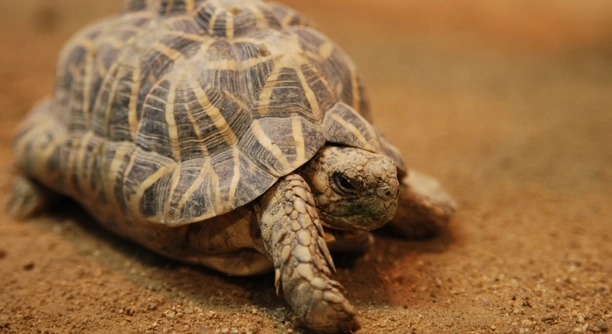
Turtles are fascinating pets, but if you notice their shells growing unevenly, it could signal an underlying issue. A balanced, healthy shell is important for their well-being, so it’s crucial to understand the causes.
Uneven shell growth in turtles is often caused by factors such as poor diet, inadequate lighting, or improper humidity levels. These elements can affect their shell development, leading to irregular growth patterns that may require attention from a veterinarian.
Maintaining proper care, including a nutritious diet and appropriate environment, can help ensure your turtle’s shell grows evenly and healthily. Understanding these factors is key to your turtle’s long-term health.
Poor Diet and Its Impact on Shell Growth
A poor diet can have a significant effect on a turtle’s overall health, including shell development. Turtles need a balanced mix of proteins, calcium, and vitamins to grow a healthy, even shell. Without proper nutrition, their shells may grow irregularly, leading to deformities. Common issues with diet include feeding too much protein and not enough greens. A lack of calcium, often from the absence of proper supplements, can also lead to soft or uneven shells. Providing a varied diet of leafy vegetables, fruits, and protein-rich foods like worms or fish can help maintain shell health.
Over time, consistent nutritional imbalances can cause lasting issues in shell formation. Turtles that aren’t given enough calcium may also suffer from weak shells that lack the proper structure. Ensure that your turtle receives a balanced diet to promote healthy growth and prevent future complications.
To provide the right balance, make sure to mix calcium supplements with the turtle’s food and offer a range of foods regularly. This will ensure that your turtle’s shell grows evenly and remains strong.
Environmental Factors Affecting Shell Development
The environment plays a crucial role in your turtle’s shell health. Factors such as lighting, humidity, and temperature are important for proper growth. Turtles need access to UVB lighting to help them metabolize calcium and develop a strong shell. Without the right exposure to UVB rays, they may struggle to process calcium properly, which affects shell strength. Additionally, temperature and humidity levels influence the turtle’s ability to digest food and maintain its overall health.
Keeping a stable, warm environment and providing proper UVB lighting is essential. If these environmental factors are neglected, your turtle’s shell may develop unevenly, and other health issues can arise. Make sure the temperature and humidity in their habitat remain at optimal levels. Regularly check your turtle’s UVB lights to ensure they’re working properly.
Adjusting these factors can improve your turtle’s shell health significantly. If your turtle’s shell is growing unevenly, make these environmental changes to help it recover.
Inadequate Humidity Levels
Humidity is essential for your turtle’s health, especially for those living in humid environments like tropical areas. If the humidity is too low, it can lead to shell deformities and hinder proper growth. A proper humidity level should be maintained to ensure your turtle’s shell remains healthy and strong.
Using a hygrometer to measure the humidity and adjusting the enclosure with a water dish or misting system can help. Inadequate humidity can cause your turtle to become stressed, leading to weakened immune systems. When the right level is maintained, your turtle will be able to absorb nutrients effectively and grow an even shell.
Ensure the humidity stays between 50% and 70%, depending on your turtle species. By doing so, you’ll help prevent issues related to shell growth and overall health. Consistent monitoring is key to making sure the habitat remains ideal for your turtle’s well-being.
Health Problems and Disease
Shell deformities can sometimes be a sign of underlying health problems. Respiratory infections, metabolic bone disease, or shell rot can cause uneven shell growth or even damage to the shell’s surface. If you notice your turtle’s shell growing unevenly, it may be due to a more serious health condition.
Metabolic bone disease, which is often linked to poor calcium absorption due to UVB deficiency, leads to deformities. Shell rot, a bacterial infection, can also distort the shell and cause it to become irregular. Both issues require immediate veterinary attention to prevent further complications.
A vet can provide the right treatment to address the disease and help your turtle recover. If diagnosed early, these conditions can be managed, and your turtle’s shell can begin to heal. Make sure to take your turtle to the vet for a proper diagnosis if you suspect health issues.
Lack of Exercise
Turtles need regular exercise to maintain healthy shells. Without enough movement, their shells can become misshapen. Providing a larger space for your turtle to roam, like a secure outdoor enclosure, encourages physical activity. This can help stimulate healthy shell growth and prevent deformities.
Allowing your turtle time outside of its tank for some exercise can help maintain a balanced structure. If your turtle doesn’t move around much, the shell might not grow properly. Ensure your turtle gets a variety of activities to stay active and prevent uneven shell growth.
Genetics and Breed
Genetics can play a role in the growth pattern of a turtle’s shell. Some species are naturally more prone to irregular shell development due to their genetic makeup. It’s important to understand the breed and its specific growth patterns to assess if the uneven shell is within normal limits.
Certain breeds may have naturally uneven shells or slightly asymmetric growth. However, this should not be confused with signs of a health issue. Understanding the unique characteristics of your turtle’s breed can help set expectations for shell growth.
Overcrowding in Enclosures
Overcrowding in your turtle’s living space can lead to stress and irregular shell growth. Turtles need ample space to move around. When too many turtles are placed together, they may not get enough space to exercise, which can affect their overall health, including shell development.
If overcrowding is an issue, consider expanding the tank or separating the turtles to allow each one sufficient space. Stress and limited mobility contribute to poor shell development, so providing enough room is essential for healthy growth.
FAQ
Why is my turtle’s shell growing unevenly?
Uneven shell growth in turtles is often caused by several factors, such as poor diet, lack of proper lighting, or incorrect humidity levels. These issues can disrupt normal shell development. Without the right nutrients, proper environmental conditions, or adequate exercise, your turtle may develop an uneven shell. It’s crucial to monitor their diet, provide UVB lighting, and maintain the right temperature and humidity to ensure proper shell growth.
Can I fix my turtle’s uneven shell?
Yes, you can help fix your turtle’s uneven shell by adjusting their diet and environment. Make sure they receive a balanced diet rich in calcium, provide them with the necessary UVB lighting, and maintain a proper humidity level in their enclosure. If you notice signs of health problems, visit a vet for treatment. With the right care, the shell can begin to grow more evenly over time.
How can I ensure my turtle’s shell grows evenly?
To ensure your turtle’s shell grows evenly, focus on providing a healthy diet, proper environmental conditions, and enough space for exercise. Offer a mix of leafy vegetables, fruits, and protein-rich foods, and ensure the habitat is well-lit with UVB light. Keep the temperature and humidity in check, and avoid overcrowding in the enclosure.
Does my turtle need UVB light?
Yes, UVB light is essential for your turtle’s overall health and proper shell development. UVB rays help turtles synthesize vitamin D3, which is needed to absorb calcium. Without proper UVB exposure, turtles can develop metabolic bone disease, leading to weak and uneven shells. Ensure your turtle’s enclosure is equipped with a quality UVB light to promote healthy growth.
Can poor water quality affect shell growth?
Yes, poor water quality can impact your turtle’s shell health. Dirty water can lead to infections, which may result in uneven growth or even shell rot. It is important to maintain clean water by regularly changing the water, using a filtration system, and monitoring the water’s pH and temperature. This will help avoid issues that could affect shell development.
What should I do if my turtle has shell rot?
If your turtle has shell rot, it’s important to take immediate action. Shell rot is a bacterial infection that can cause the shell to soften and develop holes or discoloration. Clean the affected area gently, and seek veterinary care. A vet will likely treat the infection with medication and possibly provide a topical ointment to help the healing process.
How much space does my turtle need?
Turtles need plenty of space to roam and exercise. A small tank can restrict their movement and lead to health problems, including uneven shell growth. Ideally, your turtle’s enclosure should be at least 75 gallons for one adult turtle. Larger enclosures are better, allowing them enough space to move around, swim, and exercise.
Can lack of exercise cause shell deformities?
Yes, a lack of exercise can contribute to shell deformities. Turtles need to be active to promote healthy growth and development. Without enough space to move around, their shells may not grow properly. Providing a spacious environment where your turtle can swim and move freely will help maintain shell health.
How often should I feed my turtle?
Turtles should be fed regularly but not excessively. Hatchlings need to be fed every day, while adult turtles should be fed every 2 to 3 days. Offer a variety of foods to ensure a balanced diet, including leafy greens, vegetables, and proteins. Adjust the amount based on your turtle’s size and activity level.
Is it normal for my turtle’s shell to shed?
Yes, it is normal for turtles to shed the outer layers of their shells periodically. This process is known as “ecdysis” and is similar to how reptiles shed their skin. Shedding helps remove old or damaged layers of the shell. However, if the shedding appears abnormal or is causing issues, consult a vet.
Can temperature affect shell growth?
Yes, temperature plays a significant role in shell development. Turtles require a warm environment for proper digestion and metabolism. If the enclosure is too cold, it can slow down the turtle’s metabolic processes, leading to poor shell growth. Maintain a basking area with temperatures around 85-90°F, and ensure the water temperature stays between 75-80°F.
How do I know if my turtle’s shell is healthy?
A healthy turtle shell should be smooth, hard, and free of cracks or soft spots. It should also be evenly colored, without any noticeable deformities or abnormalities. If your turtle’s shell is soft, discolored, or uneven, it could indicate a health issue that requires attention. Regularly check your turtle’s shell and consult a vet if you notice any changes.
What are the signs of metabolic bone disease in turtles?
Signs of metabolic bone disease (MBD) include soft, swollen, or misshapen shells, weakness, lethargy, and difficulty moving. MBD is often caused by insufficient calcium and UVB light. If you suspect MBD, seek veterinary care immediately. Treatment often involves correcting the diet and environmental conditions, along with supplementation of calcium and UVB exposure.
Can genetics cause uneven shell growth?
Yes, genetics can play a role in the way your turtle’s shell grows. Some species naturally have slightly uneven or irregular shell growth. This can be more noticeable in certain breeds but doesn’t always indicate a health problem. Understanding your turtle’s species and its natural growth patterns can help you distinguish between normal growth and potential issues.
Final Thoughts
Taking care of your turtle’s shell health is crucial for its overall well-being. Many factors can contribute to uneven shell growth, such as diet, exercise, lighting, and water quality. By paying attention to these areas, you can help ensure that your turtle’s shell grows evenly and stays healthy. Regular monitoring of your turtle’s environment and habits can make a significant difference in preventing shell deformities. Providing the right conditions and a balanced diet, along with ensuring that your turtle has enough space to move, are key factors in promoting healthy shell development.
If you notice any signs of shell deformities, such as soft spots, discoloration, or uneven growth, it’s important to address the issue as soon as possible. In some cases, it may be a simple fix, such as adjusting the lighting or improving the turtle’s diet. However, in more severe cases, seeking advice from a vet is recommended. Professional care is especially important if you notice signs of shell rot or other infections. With proper care and attention, most shell issues can be managed or even reversed, leading to healthier shell growth.
Consistency in providing your turtle with proper care is essential for maintaining its shell health. Ensure that you create an environment that mimics natural conditions, including adequate lighting, temperature, humidity, and space for exercise. Over time, this will help your turtle grow a strong, healthy shell. Even if your turtle’s shell is currently uneven, with the right steps, you can promote its recovery and long-term health. Be patient, as shell growth takes time, but with the proper care, your turtle will be on the right track.

Hello,
If you enjoy the content that we create, please consider saying a "Thank You!" by leaving a tip.
Every little bit helps us continue crafting quality advice that supports the health, happiness, and well-being of pets around the world, for pets of all shapes, sizes, and species.
We really appreciate the kindness and support that you show us!