
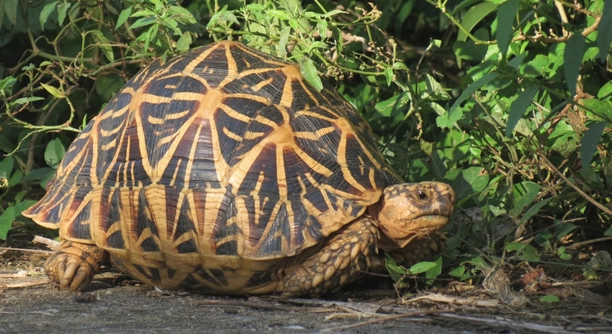
Turtles are fascinating creatures, and their shells are one of the most noticeable features. A healthy shell is vital to their overall well-being. However, sometimes it can grow in odd shapes, raising concerns for pet owners.
When a turtle’s shell grows in odd shapes, it is often due to a variety of factors such as improper diet, lack of UVB exposure, or health conditions. These irregularities can affect their growth and overall health if not addressed properly.
Learning about the causes behind these unusual shell shapes can help you take the right steps to ensure your turtle remains healthy and happy. It’s important to understand the underlying reasons behind this change in appearance.
Common Causes of Odd Shell Growth
Several factors can lead to your turtle’s shell growing in odd shapes. A primary reason is an unbalanced diet, lacking the necessary vitamins and minerals, such as calcium and vitamin D3, which are essential for shell health. Without proper nutrition, the shell may soften or grow irregularly. Additionally, inadequate exposure to UVB light, which helps in the absorption of calcium, can result in improper shell growth and deformities. This is particularly common for turtles kept indoors with limited access to natural sunlight. Poor water quality can also contribute to abnormal shell growth, as it may promote bacterial or fungal infections that affect the shell’s structure.
Sometimes, it’s also a result of physical injuries or stress, leading to abnormal shell growth. For example, if a turtle suffers from a past injury, it might affect how the shell heals and grows. This can cause uneven patterns.
Shell growth irregularities can be minimized with proper care, including a balanced diet, good lighting, and clean water. Ensuring your turtle’s habitat is appropriate will support its overall well-being and healthy shell development.
The Role of UVB Lighting
UVB light plays a crucial role in a turtle’s health. It helps them metabolize calcium, which is essential for shell and bone development. Without sufficient UVB exposure, turtles can develop soft shells, leading to deformities over time. This is especially important for turtles kept indoors.
If your turtle doesn’t have access to natural sunlight, a UVB light source is necessary. Ideally, the light should be positioned at the right distance and be replaced regularly, as the effectiveness of UVB lights diminishes over time. When a turtle gets proper UVB exposure, it can absorb calcium and other nutrients more effectively, ensuring a healthy, strong shell.
Inadequate UVB exposure can lead to metabolic bone disease, which causes the shell to become soft or misshapen. If you notice abnormal shell growth, it’s important to check if the UVB light is working correctly and whether your turtle is getting the right amount of exposure.
Poor Diet and Its Effects
A poor diet is one of the main reasons for abnormal shell growth. Turtles need a balanced diet rich in calcium, vitamins, and minerals to develop a strong, healthy shell. Without these nutrients, their shells can become weak or grow unevenly.
Without proper calcium intake, a turtle’s shell can soften or become deformed. This is especially true if the diet consists mainly of low-nutrient foods, such as iceberg lettuce. In addition, not providing enough variety in their food can result in deficiencies that impact their shell’s appearance and strength. Offer a mix of dark leafy greens, fruits, and protein to meet their nutritional needs.
Turtles also require proper calcium supplementation, especially in captivity. If your turtle’s shell shows signs of softening or irregular growth, it’s likely due to a lack of calcium or vitamin D3. A proper diet can help your turtle’s shell grow in a more natural, healthy way over time.
The Importance of Clean Water
Turtles live in water and need it to be clean for their health and shell development. Dirty water can introduce bacteria and fungus that may cause shell infections, leading to irregular growth patterns.
Turtles may also eat or swim in polluted water, which increases their risk of getting infections. The best way to ensure clean water is to maintain a regular cleaning schedule, changing the water frequently and using a good filtration system. If left unchecked, poor water quality can lead to shell rot or other issues, which can result in deformities or soft spots.
If you notice your turtle’s shell developing unusual shapes or textures, check the water’s quality. Ensure it’s free from harmful bacteria or algae buildup, which can compromise your turtle’s health. Keeping water clean can prevent several shell-related issues from occurring.
Health Conditions That Affect Shell Growth
Certain health conditions can lead to irregular shell growth in turtles. For example, metabolic bone disease (MBD) occurs when a turtle’s body doesn’t absorb calcium properly, leading to weak and deformed shells.
MBD is often caused by inadequate UVB lighting or improper diet. Turtles with MBD may develop soft spots or uneven growth. Treatment often involves improving diet, providing proper UVB exposure, and sometimes calcium supplements. Addressing MBD early can prevent permanent damage to the shell.
Stress and Its Impact on Shells
Stress can also affect the way a turtle’s shell grows. Stressors, like overcrowded tanks or frequent handling, can negatively impact their physical health, including shell development.
When turtles are stressed, their immune systems weaken, making them more susceptible to infections and diseases that can affect their shell. Keeping your turtle’s environment calm and stable helps reduce stress and supports healthy shell growth.
Injury and Healing
Injuries to the shell can cause uneven growth patterns. If a turtle has experienced trauma, such as a fall or a bite, the shell may not heal evenly, leading to deformities.
Even small injuries can lead to visible changes in the shell’s shape, which may be more noticeable as the turtle grows. While healing, the shell may not form properly, creating ridges or bumps. If you suspect an injury, make sure your turtle gets proper care and protection to avoid complications.
FAQ
What should I do if my turtle’s shell is growing unevenly?
If your turtle’s shell is growing unevenly, it’s important to identify the cause. Check their diet to ensure they’re getting the proper nutrients, especially calcium and vitamin D3. Make sure they have access to UVB lighting, as it helps them absorb calcium. Poor water quality can also affect their shell, so regularly clean and filter their tank. If the uneven growth continues, consult a veterinarian to rule out any health conditions like metabolic bone disease (MBD) or infections.
How can I prevent my turtle’s shell from becoming soft?
To prevent your turtle’s shell from becoming soft, focus on their diet and UVB exposure. A calcium-rich diet is essential for shell strength. Incorporate dark leafy greens, such as kale, collard greens, and dandelion leaves, along with other vegetables and some protein. Ensure they have access to UVB light, which helps them absorb calcium. Also, avoid feeding them foods with high water content, like iceberg lettuce, which offer little nutritional value.
Can stress cause my turtle’s shell to change?
Yes, stress can affect your turtle’s shell growth. When a turtle is stressed, it can weaken their immune system, making them more vulnerable to infections that might cause shell deformities. Common stressors include overcrowding in the tank, frequent handling, loud noises, or an unsuitable habitat. Ensuring your turtle has a calm environment with enough space, a stable temperature, and minimal handling can help prevent stress and support healthy shell growth.
What are the signs that my turtle is suffering from metabolic bone disease?
Metabolic bone disease (MBD) is common in turtles with inadequate calcium intake or poor UVB lighting. Signs of MBD include a soft, pliable shell, irregular shell growth, and deformities like pyramiding or deep pits. Turtles with MBD may also appear lethargic or have difficulty moving. If you notice any of these symptoms, it’s important to address their diet and UVB exposure immediately. Consulting a veterinarian for proper treatment is also highly recommended.
How can I improve my turtle’s diet to promote a healthy shell?
To improve your turtle’s diet, focus on offering a variety of calcium-rich foods such as dark leafy greens (e.g., kale, mustard greens), calcium-fortified pellets, and occasional fruits like strawberries or blueberries. Make sure to offer a good balance of vegetables, protein, and fruits, and avoid feeding too much high-water-content produce like lettuce. You can also provide calcium supplements, either in the form of cuttlebone or powder, to support shell health. Ensure that your turtle’s diet is well-rounded to avoid deficiencies that can impact shell growth.
How do I know if my turtle’s shell is growing normally?
A healthy turtle shell should grow smoothly and evenly. There should be no deep pits, cracks, or soft spots. The shell may slightly grow in layers, but it should maintain a consistent shape without any bulges or uneven ridges. If your turtle’s shell is showing irregular growth patterns or if it becomes soft, it could be a sign of a health issue, and it’s best to consult a vet.
What should I do if my turtle’s shell is cracked or injured?
If your turtle’s shell is cracked or injured, the first step is to clean the area carefully with warm water. It’s important to keep the injury clean to prevent infection. Depending on the severity of the injury, you may need to apply a non-toxic shell repair product. However, for more severe cracks, a veterinarian should be consulted immediately for proper treatment. Avoid handling the turtle excessively and provide a calm, clean environment to support healing.
How often should I replace my turtle’s UVB light?
UVB lights lose their effectiveness over time, even if they still appear to be working. It’s recommended to replace the UVB bulb every 6 to 12 months, depending on the manufacturer’s guidelines. Even if the light seems to be functioning, it may not be providing enough UVB rays. Regularly replacing the bulb ensures that your turtle gets the necessary UVB exposure for proper calcium absorption and healthy shell growth.
Can poor water quality cause shell problems?
Yes, poor water quality can lead to shell problems in turtles. Dirty water can harbor harmful bacteria and fungi that may cause infections such as shell rot. These infections can lead to soft spots, deformities, and irregular growth. To avoid these issues, maintain a regular cleaning schedule and use a good filtration system. Change the water frequently and ensure that the tank has the right water conditions for your turtle’s species.
What is pyramiding, and why does it happen?
Pyramiding refers to the uneven, pyramid-like growth of a turtle’s shell, where the scutes (the hard plates on the shell) become raised and form a sharp, spiky appearance. This can happen due to improper diet, lack of UVB exposure, or poor water quality. Pyramiding is most often seen in species like the red-eared slider and can result from too much protein in the diet and insufficient calcium. Adjusting the diet and UVB lighting can help prevent pyramiding from worsening.
Final Thoughts
Taking care of a turtle’s shell is an essential part of maintaining their overall health. A turtle’s shell is not only its protection but also a vital indicator of its well-being. If you notice any unusual changes, such as irregular growth or soft spots, it’s important to address these issues as soon as possible. Whether it’s related to diet, UVB lighting, water quality, or stress, there are steps you can take to prevent further problems. Keeping their environment stable and providing the proper care can make a significant difference in your turtle’s health.
A balanced diet, proper UVB exposure, and clean water are the cornerstones of healthy shell development. Without the right nutrients or environment, your turtle may experience deformities or weakened shells. Turtles that don’t get enough calcium or vitamin D3 can develop soft shells, while those without UVB lighting may suffer from metabolic bone disease. Maintaining clean water in their tank is equally important to avoid infections that can lead to shell rot or other deformities. These small adjustments can have a huge impact on the shape and health of your turtle’s shell.
If you ever feel unsure about your turtle’s shell health, don’t hesitate to consult a veterinarian. Turtles are resilient animals, but they rely on proper care and attention to thrive. Many shell issues can be fixed or prevented by making changes in their diet, lighting, or living conditions. By staying informed and proactive, you can ensure your turtle’s shell grows in a healthy, normal way and that they live a long, happy life.

Hello,
If you enjoy the content that we create, please consider saying a "Thank You!" by leaving a tip.
Every little bit helps us continue crafting quality advice that supports the health, happiness, and well-being of pets around the world, for pets of all shapes, sizes, and species.
We really appreciate the kindness and support that you show us!