
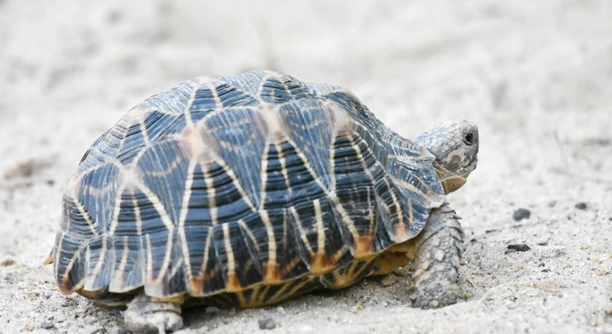
Turtles are fascinating pets, but when you notice dents developing on their shells, it can be concerning. Understanding the causes of shell issues is crucial for ensuring your turtle’s well-being.
Dents in a turtle’s shell are often a sign of poor diet, improper habitat conditions, or underlying health problems. Lack of proper calcium, dehydration, and even physical trauma can lead to shell deformities, which may require medical attention.
These factors can affect your turtle’s overall health. Let’s take a closer look at the reasons behind shell dents and how you can help your turtle stay healthy and happy.
Causes of Dents in a Turtle’s Shell
Turtles rely on a strong, healthy shell to protect their organs and keep them safe. When dents start appearing, it’s a sign that something might be wrong. The main reasons are usually linked to poor nutrition, improper living conditions, or an injury. If your turtle’s diet is lacking in important nutrients, especially calcium, the shell can become soft or misshapen. On top of that, dehydration can weaken the shell and make it more prone to damage. Sometimes, a physical injury or trauma, like a fall, can also cause dents to appear on the shell.
A proper diet, clean water, and a safe environment are essential to keeping your turtle’s shell healthy.
A lack of calcium and vitamin D3 is often the main factor in developing a weak shell. To prevent this, ensure that your turtle’s diet includes a variety of foods like leafy greens and calcium supplements if necessary.
How to Prevent Shell Damage
To avoid shell issues, providing your turtle with the right diet and habitat is key. Offering a balanced diet with calcium-rich foods like kale and collard greens is essential for shell development. In addition, making sure your turtle has access to proper UVB lighting is important for calcium absorption. This lighting helps your turtle produce vitamin D3, which aids in bone health. Without it, your turtle could suffer from weakened bones and shell problems. Clean water should also be available at all times to keep your turtle hydrated and prevent dehydration, which can lead to a soft shell.
When it comes to housing, make sure your turtle has enough space to move around and is protected from any potential physical harm. A safe environment is essential for preventing trauma that could lead to dents. Regular vet check-ups are important to catch any health problems early on. If you notice any changes in your turtle’s behavior or shell, it’s best to take them to a vet for advice. Keeping an eye on your turtle’s diet and living conditions can ensure a long, healthy life.
The Importance of Calcium for a Turtle’s Shell
Calcium plays a major role in your turtle’s overall shell health. A calcium deficiency can lead to soft, weak shells and even deformities like dents. Without enough calcium, your turtle’s shell may not harden properly, putting it at risk for injury and disease. It’s crucial to provide calcium-rich foods and supplements if necessary to keep your turtle’s shell strong.
Turtles need calcium to build strong bones and shells. In their natural environment, they get calcium from eating plants, small animals, and drinking from clean water sources. If your turtle isn’t getting enough calcium from its diet, it’s important to add calcium supplements. You can find them in pet stores or online, often in the form of powders or blocks. Offering calcium-rich foods like kale, dandelion greens, and even cuttlebone is an easy way to boost their intake.
UVB lighting helps turtles absorb calcium more effectively. Without proper UVB light, calcium metabolism can be impaired, which can lead to soft shells and other health issues. Make sure your turtle’s enclosure has UVB bulbs that are replaced regularly, as their effectiveness decreases over time. Providing a balance of diet, lighting, and proper hydration will ensure your turtle stays strong and healthy.
The Role of Proper Habitat Conditions
Your turtle’s living environment greatly affects its health. A habitat that is too small or lacking in important factors, such as temperature and humidity, can lead to stress and shell issues. The right enclosure provides a safe and comfortable space for your turtle to thrive. It should have enough space for swimming and basking to help maintain a healthy lifestyle.
For aquatic turtles, water temperature plays a big role in digestion and overall well-being. Keeping the water clean and at the correct temperature is important for your turtle’s immune system. The basking area should also be warm enough to allow your turtle to regulate its body temperature. Proper humidity levels are essential as well, especially for terrestrial species. A lack of humidity can lead to dehydration, which weakens the shell and other areas of health. It’s best to have a thermometer and humidity gauge in the enclosure to monitor conditions consistently.
Along with these factors, it’s important to ensure that your turtle is not exposed to any sharp or harmful objects in the enclosure that could injure its shell. Avoid overcrowding, as it can lead to territorial stress, affecting your turtle’s health. Keeping the habitat clean and maintaining the right conditions will prevent unnecessary health issues, allowing your turtle to stay healthy for a long time.
The Impact of Trauma on a Turtle’s Shell
Turtles are often active and can occasionally bump into objects or fall, leading to shell damage. Physical trauma is a common cause of dents. Even small impacts can cause cracks or indentations on a turtle’s shell. Regularly checking for signs of injury is essential.
If your turtle experiences an injury, it’s important to assess the damage immediately. Minor trauma may result in small dents, while severe impacts can cause deeper cracks. In some cases, the injury could lead to infections. A visit to the vet is necessary to treat any significant damage to the shell or underlying tissues.
Your turtle’s shell can also become more vulnerable to trauma if it’s weakened by poor diet or other health issues. Taking preventive measures, such as avoiding sharp objects or rough surfaces in the habitat, can reduce the risk of injury.
Shell Rot and Infection Risks
Shell rot is an infection that affects the outer layers of a turtle’s shell, causing it to soften and deteriorate. This condition can occur when bacteria or fungi get into cracks or damaged areas of the shell. It leads to painful lesions, foul odor, and potentially permanent damage if left untreated.
Keeping your turtle’s environment clean is essential in preventing shell rot. Dirty water or damp, unsanitary conditions encourage the growth of harmful bacteria and fungi. If you notice soft spots, discolored areas, or any unusual odor coming from your turtle’s shell, it could be a sign of infection. Promptly taking your turtle to a vet is the best course of action for treatment.
Maintaining a Balanced Diet
A balanced diet is key to maintaining the health of your turtle’s shell. Ensure that your turtle receives the right mix of proteins, vegetables, and supplements. Too much protein can lead to obesity and other health issues, while too little may prevent proper shell growth.
FAQ
What should I do if I notice dents on my turtle’s shell?
If you spot dents on your turtle’s shell, it’s important to first evaluate its diet and environment. Ensure your turtle is getting enough calcium, has access to proper UVB lighting, and lives in a clean, appropriately heated environment. Minor dents could be from physical injury, so carefully check the shell for cracks or soft spots. If you suspect an injury or notice symptoms of shell rot or infection, it’s best to consult a vet for advice and treatment.
How can I prevent shell deformities in my turtle?
To prevent shell deformities, focus on providing a balanced diet, proper UVB lighting, and clean water. Ensure your turtle has access to calcium-rich foods and supplements, and make sure it receives adequate exposure to UVB light for calcium absorption. Proper habitat conditions, such as the right temperature and humidity, are crucial for healthy shell development. Regular vet check-ups can also help catch potential issues before they become severe.
Is it common for a turtle’s shell to develop dents?
While occasional minor dents can happen due to physical trauma, regular shell damage is not typical. If your turtle’s shell is consistently developing dents, it’s a sign that there may be underlying issues like poor diet, lack of proper lighting, or inadequate habitat conditions. Pay attention to any changes in behavior or shell appearance and take appropriate action to address potential problems early on.
Can dehydration cause dents in a turtle’s shell?
Yes, dehydration can lead to a soft or weakened shell. If a turtle doesn’t have access to fresh, clean water or isn’t adequately hydrated, it can result in health issues like shell deformation. Ensuring your turtle has access to clean water at all times will help prevent dehydration and keep its shell strong.
How can I treat shell rot on my turtle?
If your turtle has developed shell rot, it’s important to seek veterinary care as soon as possible. The vet may clean and treat the affected area with appropriate medication or topical treatments to fight infection. You will also need to address the turtle’s habitat to prevent further bacterial growth, such as improving water quality, cleaning the enclosure thoroughly, and monitoring the turtle’s hydration and nutrition.
Can a turtle’s shell heal after injury or damage?
Depending on the severity of the damage, a turtle’s shell can heal over time. Small dents or cracks may heal on their own, especially if the turtle is given proper care, nutrition, and a clean environment. However, more serious damage may require medical treatment to prevent infection and ensure proper healing. Always consult a vet if you suspect your turtle has significant shell damage.
What are some signs that my turtle’s shell is unhealthy?
Signs of an unhealthy shell include discoloration, soft spots, cracks, and dents. Foul smells or visible sores can also indicate infection, such as shell rot. If your turtle is not eating well or seems lethargic, it could also be linked to shell or overall health issues. Regularly inspecting your turtle’s shell and behavior can help catch problems early.
Do turtles need supplements for their shells?
Yes, most turtles benefit from calcium supplements to ensure their shells remain strong and healthy. Calcium is vital for proper shell growth and development, especially for turtles that may not get enough calcium from their diet. Calcium blocks, powders, or cuttlebone can be added to your turtle’s diet or habitat to supplement their intake.
Can stress cause damage to a turtle’s shell?
Stress can indirectly lead to shell issues. If a turtle is stressed due to poor habitat conditions, overcrowding, or constant handling, it could lead to weakened immune function and poor nutrition, which in turn may affect the shell. Providing a proper and stress-free environment is essential to keeping your turtle healthy.
How do I know if my turtle is getting enough UVB light?
UVB light is crucial for calcium metabolism and overall shell health. To ensure your turtle is getting enough UVB light, use a proper UVB bulb that covers the entire basking area. The bulb should be replaced regularly, as it loses effectiveness over time. A timer can help ensure your turtle receives consistent light exposure during the day. It’s also important that the light is positioned at the correct distance to avoid either too little or too much exposure.
What foods are best for keeping my turtle’s shell healthy?
Leafy greens like kale, dandelion greens, and collard greens are excellent for your turtle’s health and shell development. Offering a variety of vegetables and some fruit in moderation will provide essential nutrients. Additionally, feeding protein sources like insects or fish is important for growth, but don’t overdo it. You can also provide calcium-rich foods such as cuttlebone or calcium powder to ensure your turtle’s shell stays strong.
Can my turtle’s shell become permanently damaged?
If not treated properly, shell damage can become permanent. Serious issues like shell rot, large cracks, or deep trauma may not heal fully without intervention, potentially leading to long-term deformities. It’s essential to act quickly and seek veterinary help if you notice significant damage to your turtle’s shell to prevent permanent effects.
How often should I take my turtle to the vet?
Routine veterinary check-ups are important, but how often you take your turtle to the vet depends on its health status. Generally, an annual check-up is recommended for healthy turtles. If you notice any changes in behavior, diet, or shell appearance, it’s a good idea to schedule a visit to the vet sooner. Regular check-ups can catch problems early, ensuring your turtle remains healthy.
Final Thoughts
Turtles are fascinating creatures, and their shells are a key part of their overall health and protection. When dents or other issues appear on their shells, it’s important to pay attention and understand the cause. Whether it’s due to improper diet, lack of calcium, environmental stress, or even trauma, addressing these concerns quickly is crucial. Keeping your turtle’s shell healthy involves a combination of providing the right food, ensuring they have a clean and safe living space, and maintaining proper lighting and temperature.
A healthy shell starts with proper nutrition. Calcium and vitamin D3 are essential for shell growth and strength. Without them, your turtle could develop soft or deformed shells, making them more vulnerable to injury. In addition to a balanced diet, making sure your turtle has access to UVB lighting is just as important. UVB light helps your turtle absorb calcium, which is necessary for strong shell development. Regularly checking your turtle’s habitat for cleanliness and proper temperature ensures that they are living in the best environment possible.
Taking care of your turtle’s shell doesn’t stop at just providing food and light. Regular check-ups with a veterinarian can help prevent or identify health problems early. If you notice any changes in your turtle’s behavior, shell, or appetite, it’s best to seek professional advice. Dents or cracks in the shell might seem like a minor issue at first, but they could lead to more serious health concerns if not treated properly. By staying proactive and keeping an eye on your turtle’s health, you’ll help them thrive for many years to come.

Hello,
If you enjoy the content that we create, please consider saying a "Thank You!" by leaving a tip.
Every little bit helps us continue crafting quality advice that supports the health, happiness, and well-being of pets around the world, for pets of all shapes, sizes, and species.
We really appreciate the kindness and support that you show us!