
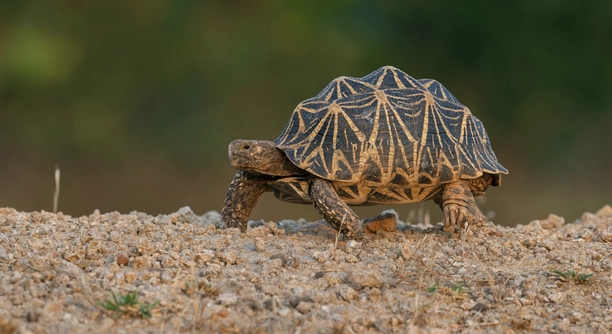
Turtles are wonderful pets, but sometimes their shells can start to look different. If you notice that your turtle’s shell is developing a rough texture, it’s important to understand why this is happening and what you can do about it.
The rough texture on a turtle’s shell can result from various factors, including improper diet, lack of humidity, or even underlying health issues like shell rot. Regular care and attention can help prevent these problems and maintain your turtle’s shell health.
Knowing the reasons behind your turtle’s rough shell texture is essential to making sure it stays healthy and comfortable. Proper care will help your turtle thrive and keep its shell in good condition.
Common Causes of a Rough Turtle Shell
A rough shell on your turtle can stem from several causes, most of which are linked to the environment and diet. For example, improper lighting and humidity levels in their enclosure can affect shell health. A lack of UVB light can prevent proper calcium absorption, leading to a weakened shell structure. Additionally, if the turtle’s diet isn’t balanced, they may not get the necessary nutrients for healthy shell development. Environmental factors like poor water quality or inadequate basking areas also contribute to shell issues. Sometimes, even minor abrasions from rocks or other objects can lead to rough patches over time.
It’s important to make sure your turtle’s living conditions are optimized for their well-being. Regularly check their environment for any inconsistencies. Providing UVB light, proper humidity, and a well-balanced diet can make a noticeable difference in the condition of their shell.
In addition to adjusting their habitat, offering a variety of foods that include calcium-rich greens and occasional protein will support their shell health. Ensuring your turtle has the right access to basking areas helps them dry out and maintain healthy skin and shell growth. If you suspect any issues with water quality or temperature, make sure to clean their tank regularly and adjust settings as necessary. Monitoring these factors will reduce the chances of rough shell development.
Diet and Shell Health
A balanced diet plays a vital role in maintaining a smooth, healthy shell. Without proper nutrients, your turtle may develop rough patches over time.
Feeding your turtle foods rich in calcium, such as dark leafy greens and calcium supplements, supports strong shell development. A varied diet is key to ensuring they get all the essential vitamins and minerals.
Shell Rot and Infection
Shell rot is one of the most common causes of a rough shell. It occurs when bacteria or fungi infect the shell, leading to soft spots or irregular textures.
If you notice areas that are soft, discolored, or have a foul odor, it’s likely that shell rot is present. Immediate treatment is necessary to avoid further damage. Keeping the tank clean, dry, and properly heated can prevent infections from occurring. You may need to consult a vet for an antifungal or antibacterial treatment, depending on the severity.
A turtle with shell rot requires more than just a clean tank. You will need to address the infection with proper medication and ensure the turtle remains in a stress-free environment. Allowing it to bask in dry, warm conditions will help speed up the healing process. Without treatment, shell rot can worsen and lead to long-term health issues, so taking quick action is key.
Poor Environmental Conditions
Poor environmental conditions can contribute to the rough texture of your turtle’s shell. If the tank is too cold or too hot, or the humidity levels are off, your turtle may develop shell problems.
Make sure your turtle’s habitat has the correct temperature gradient and humidity levels to promote shell health. A basking area with a temperature of 85-90°F and cooler water temperatures between 75-80°F will keep your turtle comfortable.
Lack of Proper UVB Lighting
Turtles need UVB light for proper calcium absorption. Without it, their shell may become weak and develop rough textures. UVB helps in metabolizing calcium, essential for maintaining a healthy shell.
If your turtle isn’t getting proper UVB exposure, they might suffer from metabolic bone disease, which weakens the shell over time. Ensure the UVB light is positioned properly within their enclosure and is replaced regularly to maintain effectiveness.
Inadequate Basking Areas
Turtles require proper basking areas to dry out and get warm. Without a suitable basking spot, their shell can become rough and unhealthy. A proper basking area will promote overall shell health.
The basking area should be placed under a heat lamp with temperatures between 85-90°F. This helps your turtle fully dry out and maintain good shell condition.
FAQ
Why is my turtle’s shell rough?
A rough shell is often caused by a lack of proper care, such as inadequate lighting, poor diet, or environmental issues. If your turtle isn’t getting enough UVB light, it may struggle to absorb calcium, which is essential for shell health. Additionally, an improper diet lacking key nutrients or unclean water can lead to shell problems. Make sure to check your turtle’s habitat and diet to rule out common issues.
How can I fix my turtle’s rough shell?
To fix a rough shell, first, make sure your turtle is getting proper UVB light and a balanced diet with enough calcium. Adjust the temperature and humidity in their tank to ideal levels, ensuring they have a suitable basking area. Keep the tank clean and check for any signs of infection or shell rot that may need treatment. A proper environment and nutrition should help your turtle’s shell return to a healthy condition.
Can rough shell texture be a sign of shell rot?
Yes, rough texture can be a sign of shell rot. Shell rot typically presents as soft, discolored patches on the shell, which may develop into rough or bumpy areas. If the shell is also foul-smelling or seems to be deteriorating, it’s crucial to treat the infection quickly. Cleaning the tank and using proper antifungal or antibacterial treatments prescribed by a vet can help.
How can I tell if my turtle has shell rot?
Shell rot often shows up as soft, discolored areas that may appear mushy or foul-smelling. The rough texture can develop as the condition worsens. Infected spots can feel spongy to the touch and may even start to erode the shell. If you notice any of these signs, take your turtle to a vet for a proper diagnosis and treatment.
Is a rough shell always a bad sign?
Not necessarily. Sometimes a rough shell can just be a natural result of your turtle growing. Turtles shed their scutes (the outer layers of the shell) as they grow, which can sometimes cause the shell to appear rough temporarily. However, if the roughness is persistent and you notice other signs like discoloration or soft spots, it’s best to consult with a vet to rule out any underlying issues.
Can dehydration cause a turtle’s shell to become rough?
Yes, dehydration can cause issues with your turtle’s shell. If your turtle isn’t drinking enough water or isn’t properly hydrated, its shell may become dry, rough, and brittle. Make sure your turtle has access to clean water at all times. Adding a humidifier to the tank or soaking your turtle in water a few times a week can help with hydration.
What should I feed my turtle to keep its shell healthy?
A well-balanced diet is crucial for your turtle’s shell health. Offer a mix of leafy greens, such as kale and dandelion greens, as well as calcium-rich vegetables like collard greens. You can also give them occasional protein, like worms or small fish. Adding a calcium supplement to their diet can also support shell growth.
How do I know if my turtle is getting enough calcium?
If your turtle’s shell is becoming soft, irregular, or developing rough spots, it could be a sign they’re not getting enough calcium. You may also notice issues with their bones or soft tissue. Ensure your turtle is eating calcium-rich foods, and consider using a calcium supplement to make up for any deficiencies in their diet.
Can temperature fluctuations affect my turtle’s shell?
Yes, temperature fluctuations can affect your turtle’s shell health. If the temperature is too high or too low in their habitat, it can lead to stress and shell problems. Ensure that the water temperature is between 75-80°F and that the basking area stays between 85-90°F. Proper temperature control helps keep your turtle healthy and their shell in good condition.
How often should I clean my turtle’s tank?
Cleaning your turtle’s tank regularly is essential for their overall health. A dirty tank can lead to bacteria build-up and infections, which could affect the shell. Clean the tank at least once a week, and replace the water as needed. Make sure to remove any uneaten food, waste, or debris to maintain a healthy environment.
Can I prevent my turtle from developing a rough shell?
Yes, you can prevent a rough shell by providing proper care. Ensure your turtle has access to UVB light, a balanced diet, and clean water. Regularly check the tank’s temperature and humidity levels to avoid any stress. A consistent and healthy environment goes a long way in preventing shell issues.
Final Thoughts
Taking care of a turtle’s shell is essential for its overall health and well-being. A rough shell can be a sign of many things, from poor environmental conditions to an unbalanced diet. Understanding the causes behind the rough texture can help you address the issue and provide the proper care your turtle needs. Whether it’s making sure your turtle gets enough UVB light or offering a balanced diet rich in calcium, each factor plays a role in keeping their shell healthy and strong. If the problem persists, seeking veterinary care is important to prevent long-term damage.
Proper habitat setup is crucial in preventing shell issues. Turtles require the right temperature, humidity, and lighting to thrive. A basking area with the right temperature range, along with access to clean water, makes a significant difference in their shell health. Regularly check the tank’s temperature and humidity levels, and replace the UVB light bulbs as needed to ensure your turtle is getting enough exposure. A clean and well-maintained tank also helps prevent infections and other conditions that can lead to a rough shell.
Ultimately, maintaining a turtle’s health involves consistency and attention to detail. By creating a stable and nourishing environment, you can prevent many issues that affect their shell. Providing the right diet, regular tank maintenance, and proper care will go a long way in ensuring your turtle remains healthy. If problems persist despite these measures, consulting with a veterinarian who specializes in reptiles can offer further guidance. With the right approach, you can help your turtle have a long, healthy life with a smooth, well-maintained shell.

Hello,
If you enjoy the content that we create, please consider saying a "Thank You!" by leaving a tip.
Every little bit helps us continue crafting quality advice that supports the health, happiness, and well-being of pets around the world, for pets of all shapes, sizes, and species.
We really appreciate the kindness and support that you show us!