
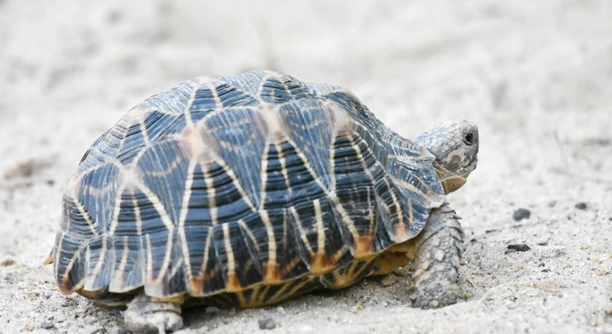
Turtles are fascinating creatures, but sometimes we notice strange things happening to their shells, like white spots. This can raise concerns for their health and well-being, leaving many turtle owners wondering what it means.
White spots on a turtle’s shell are often caused by fungal or bacterial infections, poor water quality, or shedding issues. In some cases, they may result from environmental factors, stress, or nutritional deficiencies.
Understanding the underlying causes can help keep your turtle healthy and happy. We’ll explore what causes these spots and how to properly address them for your pet’s well-being.
Common Causes of White Spots on a Turtle’s Shell
White spots on a turtle’s shell can appear for several reasons, most of which are related to their environment or health. Fungal infections are a common cause and tend to show up as raised white patches. These infections often result from inadequate tank cleaning or poor water quality. Bacterial infections can also cause white spots, though they may look slightly different, often appearing as more irregular or smudged. Another reason for white spots could be a natural process, such as shedding of the outer layers of the shell, which happens as turtles grow. It’s important to rule out environmental factors like humidity or water temperature, as these can also impact your turtle’s health.
Changes in diet can also play a role. A poor diet lacking in necessary vitamins and minerals could weaken the shell, leading to spots or discoloration. Dehydration might also contribute to shell issues, as turtles need water to maintain a healthy shell and overall well-being.
Understanding these causes will help prevent issues before they worsen and can help maintain your turtle’s shell health.
How to Treat White Spots on a Turtle’s Shell
To treat white spots on a turtle’s shell, the first step is identifying the underlying issue. If fungal or bacterial infections are suspected, it’s crucial to consult a vet who may prescribe antifungal or antibacterial treatments. In cases of shedding or environmental stress, improving tank conditions, such as water quality and temperature, can often help. Ensure your turtle’s habitat has appropriate lighting, and keep the tank clean to prevent infections. A balanced diet with proper hydration is essential for a turtle’s overall health. Regularly monitor their water parameters, such as pH and temperature, to ensure the ideal conditions for your turtle’s needs.
Sometimes, minor shell shedding or discoloration may resolve on its own, but if the spots persist, it’s a sign of a more serious health issue. White spots on the shell can be alarming, but with proper care, your turtle can recover and maintain a healthy shell. Keep an eye on any other symptoms, such as lethargy or loss of appetite, which could indicate a more severe problem. If necessary, seek veterinary care promptly.
How to Prevent White Spots on a Turtle’s Shell
To prevent white spots, it’s essential to maintain a clean and stable environment for your turtle. Regularly change the water and monitor its quality to ensure it’s free from harmful bacteria or fungi. Proper lighting and heat are also necessary, as they help regulate your turtle’s metabolism and immune system. Avoid sudden changes in temperature and humidity, as these can cause stress.
A balanced diet with the right nutrients helps strengthen your turtle’s shell and overall health. Providing a variety of foods, including leafy greens, vegetables, and protein, ensures that they get the vitamins and minerals they need. Calcium is particularly important for shell health, so consider adding a calcium supplement to their diet if necessary. Also, be sure to keep your turtle hydrated by providing fresh water at all times.
Proper care and maintenance of your turtle’s habitat can prevent many health issues, including white spots on the shell. Regular cleaning and careful monitoring of water quality, diet, and temperature ensure that your turtle remains in the best possible condition.
When to See a Veterinarian
If the white spots persist or spread over time, it’s important to seek veterinary care. A vet can diagnose the issue more accurately and offer the appropriate treatment. This is especially true if your turtle shows other signs of illness, such as lethargy or loss of appetite.
A vet will conduct a thorough examination and may suggest treatments like antibiotics or antifungals, depending on the diagnosis. They may also recommend adjustments to your turtle’s habitat or diet to help prevent future issues. Catching health concerns early can prevent more serious complications.
The Importance of Proper Tank Maintenance
Maintaining your turtle’s tank properly is one of the most important aspects of preventing health problems. Regular water changes, cleaning, and ensuring the right temperature and lighting all contribute to a healthier environment. Pay close attention to the water’s pH and ensure the filtration system is working effectively.
Monitoring Your Turtle’s Behavior
Keep an eye on your turtle’s behavior for any signs of illness, like excessive scratching or hiding. These behaviors can indicate discomfort and should not be ignored. Changes in behavior, along with white spots, often point to underlying health issues that need attention.
FAQ
What causes white spots on a turtle’s shell?
White spots on a turtle’s shell can result from fungal or bacterial infections, poor water quality, or natural shedding. Fungal infections appear as raised, flaky white patches, often due to unsanitary tank conditions. Bacterial infections can cause smudged white areas, sometimes with a more irregular pattern. In some cases, the spots may just be part of the normal process as turtles shed their outer shell layers.
How can I treat fungal or bacterial infections on my turtle’s shell?
For fungal or bacterial infections, consult a veterinarian who can prescribe the right treatment, such as antifungal or antibacterial medication. Clean your turtle’s tank thoroughly, changing the water regularly and ensuring proper filtration. If necessary, the vet might also suggest changes in your turtle’s diet or habitat to prevent future infections. Keeping the turtle’s environment clean and maintaining ideal water parameters will help speed up recovery.
Are white spots a sign of poor nutrition in my turtle?
Yes, poor nutrition can lead to shell problems, including white spots. A diet lacking in essential nutrients, especially calcium, can weaken the shell. Inadequate calcium can cause the shell to soften, leading to discoloration. Make sure to feed your turtle a balanced diet that includes leafy greens, vegetables, and protein sources. Adding a calcium supplement may also be necessary if the diet doesn’t provide enough.
How do I prevent white spots from appearing on my turtle’s shell?
Preventing white spots requires a clean and well-maintained environment. Regularly change the water, monitor the water temperature and pH, and ensure proper lighting. Avoid sudden changes in temperature and humidity, as they can stress the turtle and affect its shell. A balanced diet rich in nutrients, including calcium, will also help maintain a healthy shell.
Can dehydration cause white spots on a turtle’s shell?
Yes, dehydration can lead to health problems in turtles, including white spots on the shell. When a turtle is not properly hydrated, it can affect its overall well-being and shell health. Ensure that your turtle always has access to fresh water and is properly hydrated. In some cases, a lack of water or the wrong water conditions can contribute to shell issues, including discoloration.
How do I know if my turtle’s white spots are caused by shedding?
Shedding is a natural process for turtles, and during this time, you may notice areas of the shell appearing lighter or covered in white spots. This is usually temporary and should resolve on its own. However, if the white spots don’t go away or seem to worsen, it could be a sign of infection or another issue, requiring further attention.
Are white spots on a turtle’s shell contagious to other turtles?
White spots caused by fungal or bacterial infections can potentially spread to other turtles, especially if they are in the same tank. It’s important to isolate any affected turtles and treat them promptly. Regular tank cleaning and maintaining proper water conditions can reduce the risk of infections spreading.
What are the best tank conditions to avoid shell problems?
Proper tank conditions are crucial for preventing shell issues. Keep the water clean and change it regularly. Ensure the temperature is between 75-80°F (24-27°C) and the water pH is around 7.5-8.0. Provide adequate filtration and lighting to create a comfortable and safe environment for your turtle. Avoid drastic changes in water temperature or other environmental factors.
Should I be concerned if my turtle’s shell has white spots but no other symptoms?
If your turtle has white spots on its shell but shows no other signs of illness, it may not be a cause for concern. This could simply be shedding or a minor issue that resolves itself over time. However, if the spots persist or the turtle starts showing signs of discomfort, like lethargy or loss of appetite, it’s best to consult a veterinarian.
Can I treat my turtle’s shell at home if it has white spots?
While you can maintain a clean and stable environment at home to support your turtle’s recovery, it’s important to seek professional help if the white spots are caused by infections. A vet can prescribe the right medication and give guidance on how to treat the condition effectively. Avoid using over-the-counter treatments without veterinary advice, as they may not be safe for your turtle.
What type of foods should I give my turtle to prevent shell problems?
A varied diet is key to preventing shell problems. Offer a mix of leafy greens, vegetables, and protein. Foods like kale, collard greens, and dandelion greens are excellent choices. Provide protein sources such as mealworms, crickets, or shrimp. You may also need to add calcium supplements to ensure your turtle gets enough of this essential mineral, especially for stronger shell health.
Can I use aquarium salt to treat white spots on my turtle’s shell?
While aquarium salt can be used for minor skin infections or as a temporary measure for freshwater turtles, it should not be used as a primary treatment for white spots caused by fungal or bacterial infections. It’s always best to consult a vet for proper diagnosis and treatment, especially if the spots are persistent.
Final Thoughts
White spots on a turtle’s shell can be concerning, but they don’t always indicate a serious problem. Often, these spots are harmless and may result from natural shedding or changes in the turtle’s shell as it grows. However, if the spots are persistent or accompanied by other symptoms like lethargy or changes in behavior, it could point to an underlying issue that needs attention. Keeping a close eye on your turtle’s health and being proactive about its care can help prevent problems from escalating.
Proper tank maintenance is one of the best ways to avoid shell issues. Clean water, the right temperature, and appropriate lighting create an environment where your turtle can thrive. Regularly changing the water, cleaning the tank, and maintaining the correct humidity levels can help prevent bacterial or fungal infections, which are often responsible for white spots. Additionally, making sure that your turtle has a well-balanced diet with the necessary nutrients, especially calcium, can help keep its shell strong and healthy.
If you notice any changes in your turtle’s behavior or if the white spots persist, it’s always a good idea to consult with a veterinarian. They can diagnose the issue and suggest the proper treatment. Whether it’s a fungal infection, a dietary deficiency, or a simple shedding process, getting professional advice can help you address the issue quickly. With the right care, most turtles can recover and continue to live happy, healthy lives.

Hello,
If you enjoy the content that we create, please consider saying a "Thank You!" by leaving a tip.
Every little bit helps us continue crafting quality advice that supports the health, happiness, and well-being of pets around the world, for pets of all shapes, sizes, and species.
We really appreciate the kindness and support that you show us!