
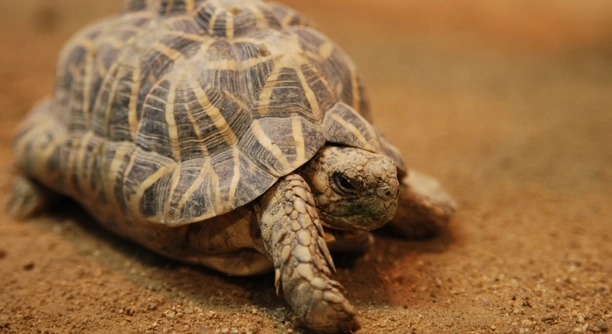
Turtles are fascinating creatures, but sometimes, we notice changes in their health that can be concerning. One such issue is a softer plastron, the underside of their shell. It’s important to understand what may be happening.
A soft plastron in turtles is often a sign of a calcium deficiency or improper care. Insufficient lighting, poor diet, or lack of proper basking conditions can contribute to this issue. It’s vital to address it promptly to ensure your turtle’s well-being.
A soft plastron can signal something more than just a physical change. Understanding the factors that affect your turtle’s health will help ensure that they live a long, healthy life. Keep reading to learn more.
Causes of a Soft Plastron in Turtles
A soft plastron in turtles can be caused by various factors. One of the most common reasons is a lack of calcium, which is essential for strong shell development. Calcium plays a critical role in the hardening of the shell and bones. Without it, the plastron may lose its firmness and become soft. In addition, improper lighting can also contribute to this issue. UVB light is necessary for turtles to metabolize calcium. If they do not receive adequate exposure to UVB, their body will struggle to absorb the calcium needed to keep their shell healthy. A poor diet lacking in calcium-rich foods can also lead to this problem.
Turtles need both a proper diet and lighting setup to stay healthy. A diet low in calcium, paired with limited exposure to UVB light, can result in a soft plastron.
It is also important to monitor your turtle’s habitat. A basking area with proper heat is crucial for their overall health. If the basking spot is too cold, it could affect digestion and calcium absorption. Make sure the enclosure has the right temperature gradient, allowing your turtle to regulate body temperature and get the UVB light they need to thrive.
How to Fix a Soft Plastron
Addressing the issue of a soft plastron involves adjusting your turtle’s environment and diet. Start by ensuring your turtle has access to UVB light for 10-12 hours a day.
Providing a balanced diet with calcium-rich foods is also important. You can add cuttlebone or calcium supplements to their meals to boost their intake. Dark leafy greens, such as kale and collard greens, are excellent sources of calcium. Make sure to provide a variety of foods, including high-quality turtle pellets, to ensure they receive all the necessary nutrients.
In addition, ensure your turtle has access to a warm basking area where they can dry off and absorb the heat necessary for digestion and metabolism. A proper temperature gradient in their tank is essential. If these adjustments do not resolve the issue, it may be time to consult a veterinarian for further advice.
Importance of UVB Lighting
UVB lighting is essential for turtles to absorb calcium properly. Without it, they can develop metabolic bone disease, which leads to a soft plastron. Turtles require UVB rays for the synthesis of vitamin D3, which aids in calcium absorption.
If you’re unsure about your turtle’s lighting, invest in a good UVB bulb. Make sure the bulb is appropriate for the size of the tank and replace it regularly, as the strength of UVB light diminishes over time. Keep the light close to the basking area but not too close, as excessive heat can cause stress. Also, position the light at an angle to ensure your turtle can move closer or farther from the light source, regulating their exposure.
Turtles need UVB light to stay healthy, but they also need to bask in it regularly. Without access to a proper basking area, they won’t get enough time under the UVB light to fully benefit from it. Be sure to create a setup where your turtle can safely bask in the light for several hours a day.
Diet Adjustments for Shell Health
A poor diet can lead to a soft plastron, as your turtle may not be getting enough calcium. Include foods like dark leafy greens, such as kale and collard greens, which are rich in calcium.
Along with calcium-rich vegetables, you should also consider adding cuttlebone to your turtle’s habitat. This will allow them to nibble on it when they need extra calcium. High-quality pellets specifically designed for turtles can also help. These pellets are often formulated with the right balance of nutrients for your turtle’s growth and health.
Variety is important. Different turtles may require different diets depending on their species, so check which foods are most beneficial for your type of turtle. Providing a balanced diet will prevent nutritional deficiencies and support a strong, healthy shell. A good diet works together with UVB lighting to ensure your turtle remains strong.
Tank Temperature and Environment
The temperature of your turtle’s tank plays a crucial role in maintaining a healthy plastron. If the basking area is too cold, digestion and calcium absorption can be affected.
A proper temperature gradient is essential. Ensure the basking spot is between 85-90°F (29-32°C), while the cooler side of the tank should be around 75°F (24°C). This allows your turtle to regulate its body temperature by moving between the warm and cool areas. Too much heat or too little can stress your turtle, affecting its overall health and shell condition.
Make sure the tank is large enough to accommodate both the heat source and your turtle’s space to move around comfortably. A well-maintained temperature range ensures optimal conditions for digestion and shell growth.
Water Quality
Poor water quality can impact your turtle’s health, especially when it comes to the plastron. Dirty water leads to bacterial growth, which could lead to infections or shell damage.
To keep the water clean, use a good filtration system and change the water regularly. This will help prevent harmful bacteria from affecting your turtle. Test the water’s pH, ammonia, nitrite, and nitrate levels to ensure they’re within safe ranges. Keeping the water clean not only protects your turtle but also contributes to its overall well-being. Proper water conditions are an essential part of preventing softening of the plastron.
FAQ
What is a plastron, and why is it important for my turtle?
The plastron is the underside of a turtle’s shell. It is crucial for protection and supports the turtle’s internal organs. A healthy plastron helps maintain the overall strength and health of the shell. If it becomes soft, it could signal an underlying issue, often related to diet or calcium deficiency. It is essential to keep the plastron in good condition to ensure your turtle’s overall health.
How do I know if my turtle’s plastron is soft?
You can check your turtle’s plastron by gently feeling it. A healthy plastron should feel hard and firm to the touch. If you notice any areas that feel squishy, it could be a sign that the plastron is softening. In some cases, softening may not be immediately noticeable but could result in visible changes or discomfort for the turtle. If unsure, a visit to a vet is recommended.
Can soft plastrons be reversed?
Yes, soft plastrons can often be reversed with the right care. Addressing the root causes like calcium deficiency or improper lighting will help your turtle’s shell become stronger again. Ensuring proper diet, UVB lighting, and habitat conditions can promote recovery. However, if the issue is severe or has been left untreated for a long time, it may take longer for improvement.
What are the main causes of a soft plastron?
The primary causes of a soft plastron include a lack of calcium, insufficient UVB lighting, and improper basking conditions. A poor diet that lacks calcium or inadequate access to UVB light prevents turtles from metabolizing calcium properly. This results in weakened shells. Stress, poor water quality, and incorrect temperatures also contribute to shell softening.
How can I make sure my turtle gets enough calcium?
To ensure your turtle gets enough calcium, provide a balanced diet that includes calcium-rich foods like dark leafy greens (e.g., kale, collard greens) and calcium-enriched pellets. Additionally, you can offer cuttlebone, which provides a natural source of calcium. If necessary, you can also use calcium supplements in their food. Make sure the calcium is in a form that your turtle can easily absorb.
How much UVB light does my turtle need each day?
Turtles need about 10-12 hours of UVB light each day to properly absorb calcium. It’s important to use a high-quality UVB bulb designed for reptiles. Make sure to replace the bulb regularly, as the UVB output diminishes over time. You should also provide a basking area where your turtle can access the UVB light directly. Proper exposure helps prevent the softening of the plastron.
What type of UVB bulb is best for my turtle?
The best UVB bulb for your turtle is one that provides a UVB output of 5-10% for most species. A fluorescent bulb is commonly used for reptiles, and you can find specific UVB bulbs made for turtles in pet stores. Ensure the bulb is the correct size for your tank and replace it every 6-12 months, even if it still seems to be working.
Can a soft plastron affect my turtle’s behavior?
Yes, a soft plastron can affect your turtle’s behavior. If the shell is not strong, your turtle may become more stressed or reluctant to move as much. It might also avoid basking or become less active. In severe cases, the soft plastron could make it difficult for the turtle to protect itself from predators or injuries. Addressing the issue promptly can help restore normal behavior.
How do I know if my turtle’s calcium intake is sufficient?
You can monitor your turtle’s calcium intake by observing its behavior and shell health. A turtle with adequate calcium will have a firm, healthy shell and will display normal activity levels. If your turtle is lethargic, has a soft plastron, or experiences growth deformities, it may not be getting enough calcium. Regularly feeding calcium-rich foods and supplements can help prevent these issues.
Can poor water quality contribute to a soft plastron?
Yes, poor water quality can lead to various health issues, including a soft plastron. Dirty water can cause stress and weaken your turtle’s immune system, making it more difficult for the turtle to maintain a strong shell. Use a high-quality filtration system to keep the water clean and change it regularly. Monitoring pH, ammonia, nitrite, and nitrate levels is essential for a healthy aquatic environment.
How often should I change the water in my turtle’s tank?
Water should be changed every 1-2 weeks, depending on the size of your turtle and tank. If you have a larger tank or a good filtration system, you can extend the time between water changes. However, if the water is cloudy or has a noticeable odor, it’s time to change it. Keeping the water clean is essential for your turtle’s health and shell condition.
What temperature should my turtle’s tank be for proper shell health?
The tank temperature should have a gradient, with the basking area ranging from 85-90°F (29-32°C) and the cooler side around 75°F (24°C). A proper temperature gradient allows your turtle to move between warm and cooler areas, which is crucial for digestion, metabolism, and overall well-being. Make sure to use a thermometer to monitor the temperature consistently.
Can stress contribute to a soft plastron?
Yes, stress can contribute to a soft plastron in turtles. Factors like overcrowding, improper habitat conditions, or sudden changes in the environment can stress your turtle. Stress weakens the immune system and disrupts normal metabolic processes, including calcium absorption. To prevent stress, ensure your turtle’s environment is stable and meets all its needs.
Final Thoughts
A soft plastron in turtles is a clear sign that something is off in their care. Often, the issue stems from an imbalance in their diet, lighting, or habitat conditions. Calcium deficiency, insufficient UVB exposure, and poor tank temperatures are the most common causes. If your turtle’s plastron becomes soft, it’s essential to address these issues quickly to avoid long-term health problems. By making the right adjustments to their environment and diet, most turtles can recover and regain a strong, healthy shell.
Providing your turtle with the proper UVB lighting is one of the most crucial steps in maintaining a strong shell. UVB light helps turtles absorb calcium from their food, which is necessary for shell health. Without adequate UVB exposure, your turtle’s body can’t properly metabolize the calcium it needs, leading to a soft plastron. Along with UVB lighting, offering a diet rich in calcium and other essential nutrients is equally important. Leafy greens, cuttlebone, and high-quality pellets will ensure that your turtle is getting the nutrients it needs. A combination of proper diet, lighting, and care will go a long way in preventing softening of the plastron.
In addition to diet and lighting, you must maintain the correct tank temperature and water quality. A proper temperature gradient will help your turtle regulate its body temperature and support healthy digestion. Clean water is equally essential to avoid infections or stress, both of which can contribute to shell problems. By paying attention to these basic factors—lighting, diet, temperature, and water quality—you can ensure that your turtle remains healthy and that its plastron stays firm and strong. Always monitor your turtle for signs of illness, and if needed, consult a vet to ensure it gets the best care possible.

Hello,
If you enjoy the content that we create, please consider saying a "Thank You!" by leaving a tip.
Every little bit helps us continue crafting quality advice that supports the health, happiness, and well-being of pets around the world, for pets of all shapes, sizes, and species.
We really appreciate the kindness and support that you show us!