
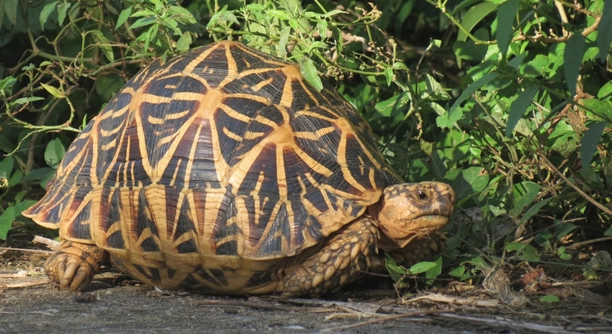
Turtles are fascinating creatures, and observing changes in their appearance can raise concerns. One such change is when a turtle’s head turns a different color, which can be puzzling for owners.
The color change in a turtle’s head can be due to various factors, including environmental conditions, health issues, or natural processes such as shedding. Often, changes in color are harmless, but in some cases, they may indicate underlying problems.
Understanding the reasons behind this change is important for maintaining your turtle’s well-being and ensuring it remains healthy.
Possible Causes of Color Changes in Turtles
A turtle’s head turning a different color can be the result of several factors. One reason could be stress. If your turtle is in an environment that doesn’t match its needs, whether due to improper temperature, lighting, or tank conditions, it may show signs of stress. Stress often leads to subtle changes in appearance, including the color of the turtle’s head. Another cause could be skin shedding. Turtles shed their skin periodically, and this can sometimes cause discoloration as new layers appear.
In addition, a turtle’s diet plays a role in its appearance. An imbalance in nutrients, especially a lack of essential vitamins like Vitamin A, can lead to changes in color. If your turtle is not eating a variety of foods, it could result in an unhealthy change in the skin.
Finally, illness or infection could be contributing to the color change. A turtle’s immune system can be affected by various health issues, leading to visible signs on its skin. These conditions require attention from a veterinarian to properly diagnose and treat.
How to Address the Change
If you notice your turtle’s head turning a different color, the first step is to check its environment. Ensure it has the proper water temperature, lighting, and tank setup.
A change in diet may also be necessary. Offer a variety of fresh foods, including leafy greens and protein sources like insects. Adding vitamin-rich foods can also support your turtle’s health. Regularly clean your turtle’s habitat and provide it with adequate space to move around.
Finally, consult a veterinarian to rule out any health conditions that may be causing the color change. A professional will be able to assess your turtle’s health and recommend any necessary treatments.
Stress and Environmental Factors
Stress is a common cause of color changes in turtles. It can be triggered by factors such as overcrowding, inadequate tank conditions, or sudden changes in their environment. Turtles need stable water temperature and proper filtration for healthy skin.
Ensure that the tank temperature is appropriate, typically between 75°F to 85°F. Avoid rapid changes in water quality, as this can stress your turtle. Adequate lighting, including UVB rays, is essential for their health. Too much light or too little can affect their well-being. The tank should be large enough for your turtle to swim freely, with proper hiding spots to reduce stress.
Turtles are sensitive to external factors, so maintaining a stable and calm environment is key. If stress persists, it may cause prolonged discoloration. Monitoring water conditions regularly and avoiding overcrowding will help prevent these issues.
Diet and Nutritional Imbalances
Turtles require a well-balanced diet to stay healthy. Poor nutrition can lead to color changes, especially if they are lacking in essential vitamins or minerals. A diet high in processed foods can also contribute to health issues.
Feed your turtle a variety of foods, such as leafy greens, aquatic plants, and protein sources like insects and small fish. Supplementing with vitamins, especially Vitamin A, is crucial for their skin and immune system. Avoid feeding your turtle too many high-fat or low-nutrient foods. Offering a diverse diet can help maintain proper health, reducing the risk of color changes caused by deficiencies.
Make sure to regularly check that your turtle is eating enough and that the food is appropriate for its age and species. If dietary issues are the cause, adjusting their meals should restore their health and appearance.
Illness or Infection
Infections or illnesses can cause noticeable changes in a turtle’s head color. Bacterial, fungal, or parasitic infections are common culprits. These conditions can cause inflammation, leading to discoloration or patches on the skin.
If you notice any abnormal behavior like lethargy or loss of appetite, it could indicate an infection. Consult a vet if symptoms persist. Infections can spread quickly and may worsen without proper treatment. A professional diagnosis is essential to determine the best course of action.
Skin Shedding
Turtles naturally shed their skin, and during this process, discoloration can occur. This is usually temporary and should not be a cause for concern. The new skin underneath may appear slightly different in color.
Ensure your turtle’s habitat remains clean to promote healthy shedding. A proper diet also supports this natural process. If shedding seems excessive or your turtle’s head remains discolored for too long, it’s best to consult a vet.
FAQ
What causes a turtle’s head to turn black?
A turtle’s head may turn black due to stress, infections, or poor water quality. Infections like fungal or bacterial issues can cause discoloration and may require medical attention. Stress from sudden changes in the environment, like temperature or water quality fluctuations, can also lead to this color change. Ensuring a clean tank with stable conditions is essential to avoid such issues. If the blackening persists or worsens, it’s best to consult a veterinarian.
Is it normal for my turtle’s head to turn red?
Redness on a turtle’s head may be due to skin irritation, an infection, or a sign of stress. Infections such as shell rot or skin diseases can cause redness and swelling. Skin irritation might occur from poor water quality or inadequate humidity levels in the tank. If you notice the redness lasting more than a few days, it’s important to check the tank conditions and consider visiting a vet for a thorough examination.
Can diet affect the color of my turtle’s head?
Yes, an improper diet can lead to color changes in a turtle’s head. A lack of essential nutrients, particularly vitamins like Vitamin A, can cause discoloration and other health issues. Turtles require a balanced diet consisting of leafy greens, aquatic plants, and protein sources such as insects and fish. If the diet is not well-rounded, it may lead to skin and color problems. Ensure your turtle is receiving the proper nutrients to maintain healthy skin and vibrant colors.
How can I tell if my turtle’s color change is due to stress?
If your turtle’s color change is due to stress, it will often be accompanied by other signs, such as decreased activity, loss of appetite, or hiding more frequently. Stress can result from environmental factors like temperature fluctuations, overcrowded tanks, or poor water quality. Observe the turtle’s behavior closely and check the tank conditions. Improving the habitat and reducing stress factors can often help the turtle recover and return to its normal color.
Should I be worried if my turtle’s head turns yellow?
A yellowish color change on your turtle’s head can indicate a number of things. It could be a normal part of shedding, especially for younger turtles. However, if the yellowing is accompanied by swelling, sores, or abnormal behavior, it may suggest a fungal or bacterial infection. Maintaining a clean tank and providing a balanced diet can prevent such color changes. If the yellowing persists, it is advisable to consult a veterinarian for further evaluation.
Why is my turtle’s head turning white?
A white or pale color change on a turtle’s head can be a sign of fungal infections, dehydration, or an improper diet. Fungal infections, in particular, can cause the skin to appear white, flaky, or patchy. If dehydration is a factor, your turtle may also show other signs like lethargy and reduced appetite. Ensure the water conditions are correct, and the turtle is receiving adequate nutrition. If the issue doesn’t resolve with better care, seek professional advice from a veterinarian.
Can poor water quality cause color changes in a turtle’s head?
Yes, poor water quality is one of the leading causes of color changes in turtles. Contaminated water can irritate a turtle’s skin, leading to discoloration or other skin problems. Regular water changes and proper filtration are key to maintaining a clean environment. Additionally, ensure that the tank has the correct temperature, pH level, and salinity, as these factors can directly affect your turtle’s health. Poor water conditions can also lead to stress and make the turtle more vulnerable to infections, further affecting its appearance.
How do I prevent color changes in my turtle?
To prevent color changes, it’s important to maintain consistent water conditions and provide a well-balanced diet. Regular water changes, proper filtration, and maintaining the correct temperature and humidity levels are essential for keeping your turtle healthy. Additionally, ensure that your turtle has access to UVB lighting to support its overall well-being. A varied diet, including leafy greens and protein sources, will help your turtle stay healthy and vibrant. Regular health checks and monitoring for signs of infection can help catch problems early before they lead to noticeable changes in appearance.
Is it safe to handle a turtle whose head has changed color?
It’s generally safe to handle a turtle whose head has changed color, but it depends on the cause of the color change. If the discoloration is due to a health issue or infection, it’s better to limit handling to avoid stressing the turtle further. Be sure to wash your hands before and after handling the turtle to prevent the spread of any potential infection. If the change is due to shedding or natural processes, gentle handling should not cause harm. Always monitor your turtle’s behavior and condition closely to avoid unnecessary stress.
Final Thoughts
Color changes in a turtle’s head can be a sign of various factors, including stress, diet, infections, or environmental changes. It’s important to observe any other symptoms your turtle might be showing, such as lethargy, loss of appetite, or changes in behavior, as these can provide clues about the underlying cause. Many color changes are temporary and can be resolved by adjusting the turtle’s habitat, diet, or overall care routine. However, if the discoloration persists or worsens, seeking professional advice from a veterinarian can ensure the health of your turtle.
Providing a stable environment is key to maintaining your turtle’s health. This includes ensuring proper water quality, temperature, and lighting. Stress from an unstable environment can lead to changes in skin color, making it important to keep the tank conditions consistent. Regularly checking water parameters and providing a balanced diet that includes essential vitamins will also help prevent nutritional deficiencies that may cause color changes. The more you can control these factors, the less likely your turtle is to experience health issues that affect its appearance.
In the end, most color changes are natural and manageable with the right care. While it’s important to pay attention to any changes and be mindful of potential health problems, many turtles can continue to thrive with the right environment and diet. By monitoring their health and behavior, you can address any issues early and ensure your turtle remains healthy, happy, and vibrant. Remember, a healthy turtle is one that has stable living conditions and a well-balanced diet. If you ever feel unsure about your turtle’s health, don’t hesitate to reach out to a vet for assistance.

Hello,
If you enjoy the content that we create, please consider saying a "Thank You!" by leaving a tip.
Every little bit helps us continue crafting quality advice that supports the health, happiness, and well-being of pets around the world, for pets of all shapes, sizes, and species.
We really appreciate the kindness and support that you show us!