
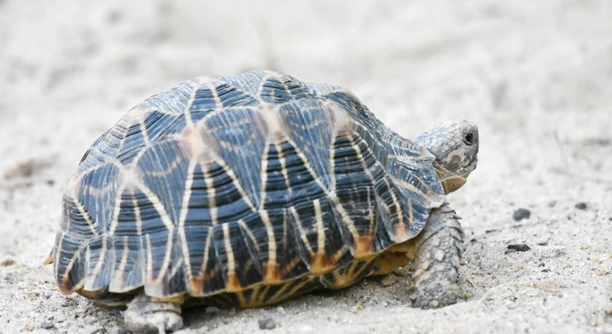
Sometimes, your turtle may leave its head out of its shell longer than usual. This behavior could be puzzling or concerning if you’re unsure of the cause. Understanding the reasons behind it can help keep your turtle happy and healthy.
The most common reason for a turtle keeping its head out of its shell is stress or discomfort. Factors such as an improper habitat, poor water quality, or illness can contribute to this behavior. Immediate attention is necessary to address the issue.
Addressing the causes behind this behavior can improve your turtle’s overall well-being and prevent further health concerns.
Possible Reasons for Your Turtle’s Behavior
Turtles usually keep their heads in their shells for protection. If your turtle’s head stays out, something may be bothering it. A few common reasons could be stress, illness, or environmental factors. Stress can arise from sudden changes in their habitat, like temperature fluctuations or an overcrowded tank. Illness might also make your turtle more vulnerable, causing it to remain outside its shell. Poor water quality, lack of proper hiding spaces, or aggression from tank mates can also cause discomfort, making your turtle feel unsafe. Identifying the problem early is important for its health.
Turtles often respond to their surroundings, and certain issues can make them feel exposed or uneasy. Check if there have been any recent changes in their environment.
Keeping your turtle’s habitat stable and clean can prevent many of these issues. Make sure the tank temperature is appropriate, and the water quality is regularly tested. If your turtle’s tank is too crowded, it might feel stressed and exposed. In such cases, giving your turtle more space to move around can help. Also, consider providing hiding spots for your turtle so it feels secure when it wants to retreat into its shell. Keep an eye out for any signs of illness as well, such as lethargy or unusual behavior, and consult a vet if needed.
Environmental Stress and Its Impact
Stress is one of the main causes for a turtle to keep its head outside its shell. This can happen when there are sudden changes in the tank’s conditions, such as temperature shifts or new tank mates.
Turtles are sensitive to their surroundings. When their environment changes, they might not feel safe enough to hide in their shells. Keeping their habitat consistent is key to reducing stress. A stable environment promotes comfort and encourages your turtle to feel protected inside its shell.
Changes in temperature are particularly important. If your turtle’s habitat becomes too cold or too hot, it can make the turtle feel vulnerable. Ensure the water temperature remains within the right range for your specific species. Similarly, strong currents or dirty water can cause stress, so regular tank maintenance is necessary. If your turtle’s environment is too noisy or overcrowded, that could also contribute to it feeling unsafe. Stress from environmental factors should be addressed quickly to avoid further health complications.
Illness and Its Effects on Your Turtle
If your turtle seems unwell, it may keep its head outside its shell as a sign of distress. This behavior can be linked to various illnesses, including respiratory infections, shell rot, or parasites.
When a turtle has an infection, it may not retreat into its shell because of discomfort. Respiratory infections are particularly common and can make your turtle feel weak and exposed. Signs of illness to watch for include labored breathing, a lack of appetite, or swelling. If you notice these symptoms, it’s crucial to consult a vet for diagnosis and treatment.
Shell rot and external parasites can also cause a turtle to act differently. Infected shells or skin may cause pain, leading the turtle to keep its head out to avoid touching the affected areas. A thorough check for any unusual markings or spots on your turtle’s shell and skin can help identify these issues. It’s essential to address any signs of illness immediately, as untreated conditions can worsen over time.
Poor Tank Conditions and Their Impact
A dirty or improperly maintained tank can lead to your turtle feeling unsafe, prompting it to keep its head out. Regular cleaning is essential for maintaining a healthy environment.
Water quality is one of the most critical factors. High levels of ammonia or other contaminants in the tank can make your turtle feel uncomfortable, causing it to remain outside its shell. Ensuring the water is clean, free of toxins, and filtered properly can improve your turtle’s overall well-being. Additionally, check for any debris or uneaten food in the tank, as this can also contribute to poor water quality.
Along with water, proper lighting and temperature are key to keeping your turtle happy. If the basking area is too hot or cold, your turtle might feel exposed, keeping its head out to adjust. Regularly monitor the temperature and humidity levels in the tank to make sure they stay within the ideal range for your species.
Overcrowding in the Tank
Too many turtles or other tank mates can make your turtle feel crowded. This stress can cause it to keep its head outside its shell.
If the tank feels cramped, your turtle won’t have enough space to retreat comfortably into its shell. Ensure there’s enough room for all inhabitants to move freely, preventing unnecessary stress.
Water Temperature Issues
A wrong water temperature can affect your turtle’s comfort and behavior. Too hot or too cold water makes it harder for your turtle to feel secure.
Check the water temperature regularly and adjust it to fit the needs of your turtle. Consistent, appropriate water temperature is essential for its health and behavior.
Aggressive Tank Mates
Aggressive or dominant tank mates may push your turtle to keep its head out of its shell. Your turtle may feel threatened and vulnerable.
If your turtle is constantly being harassed, separating aggressive tank mates can restore a sense of safety. This change will help your turtle feel more at ease in its environment.
FAQ
Why is my turtle’s head out of its shell all the time?
If your turtle keeps its head out of its shell, it might be because of environmental stress, illness, or discomfort. Turtles often retreat into their shells to feel safe, so if it’s staying out, there may be something bothering it. Check the water quality, temperature, and tank conditions to rule out any issues. Also, look for signs of illness such as a lack of appetite or unusual behavior. If your turtle seems to be sick, it’s a good idea to take it to a vet for a check-up.
Can a turtle get stressed from too many people around?
Yes, turtles can get stressed by too much activity or noise around their tank. Turtles are naturally cautious and prefer a calm environment. If there’s constant movement or loud sounds nearby, your turtle might feel unsafe and keep its head out of its shell. Make sure its living area is peaceful, and avoid startling it. Reducing noise and human interaction can help your turtle relax.
What should I do if my turtle isn’t eating and has its head out?
When a turtle refuses to eat and leaves its head out of its shell, it could indicate stress or illness. First, check the water conditions—poor water quality can cause turtles to stop eating. Also, examine its environment for changes that may have triggered stress. If your turtle still isn’t eating and seems unwell, it may be time to visit a vet to rule out any underlying health issues, like a respiratory infection or parasites.
Can water quality affect my turtle’s behavior?
Absolutely. Poor water quality can make your turtle feel uncomfortable or stressed, which could cause it to stay out of its shell. Ammonia, nitrites, and high bacteria levels can irritate your turtle’s skin and respiratory system. Regular water changes and filtering are important to maintain good water quality. Make sure to test the water frequently and clean the tank to ensure your turtle feels safe and healthy.
How can I tell if my turtle is sick?
Sick turtles often show certain signs like a lack of appetite, swollen eyes, a runny nose, or abnormal behavior such as staying out of their shell. They might also have trouble swimming or appear lethargic. If you notice these symptoms, consult a veterinarian. Early treatment is important to prevent further health problems.
Is it normal for my turtle to bask with its head out?
It’s normal for turtles to keep their heads out while basking. Basking allows them to regulate their body temperature and dry out their shells. If your turtle is basking with its head out, it could be simply taking in some sunlight or warmth. However, if this behavior extends beyond basking or becomes a constant habit, it may signal discomfort or stress.
Can my turtle be too hot or too cold?
Yes, turtles are sensitive to temperature. If the water or basking area is too hot or cold, your turtle may feel uncomfortable and may not want to retreat into its shell. Ensure that the water temperature is within the proper range for your turtle’s species, usually around 75-85°F for most aquatic turtles. The basking area should be slightly warmer, between 85-90°F. Regularly check the temperatures to avoid fluctuations that could stress your turtle.
Should I separate my turtles if they are fighting?
If your turtles are fighting, it’s a good idea to separate them. Turtles can become aggressive toward one another, especially in small or overcrowded tanks. Fighting can cause stress and injury, leading to your turtle staying out of its shell. Providing more space, hiding spots, and separating aggressive individuals can reduce the chances of conflict and allow your turtles to feel more secure.
What if my turtle is floating and its head is out of the shell?
If your turtle is floating with its head out of the shell, it could be due to an issue with its buoyancy or health. Floating can be a sign of respiratory infection, improper water temperature, or an injury. It’s essential to check if the turtle is swimming normally or if it seems lethargic. If it’s having trouble swimming or seems unwell, a visit to the vet is recommended.
How do I know if my turtle is just resting or stressed?
When turtles are resting, they may keep their heads out, but they typically appear calm and relaxed. Stress, on the other hand, may make your turtle act more alert, agitated, or avoid hiding in its shell. If your turtle is resting, it will usually return to its shell after a while. If it’s consistently keeping its head out or showing other signs of distress, like refusing food or excessive swimming, it could be stressed and needs attention.
Can tank lighting affect my turtle’s behavior?
Yes, lighting plays an important role in your turtle’s well-being. Proper UVB lighting is essential for your turtle to synthesize vitamin D3, which helps with calcium absorption and shell health. Without adequate UVB lighting, your turtle may feel lethargic and stressed. Ensure that the basking area has the right amount of heat and UVB light for your turtle to stay active and healthy.
How can I make my turtle feel safe again?
To make your turtle feel safe, start by assessing its tank environment. Ensure the water quality is good, the temperature is stable, and the tank isn’t overcrowded. Providing hiding spots, such as rocks or plants, can give your turtle a place to retreat when it feels vulnerable. Limiting stressful interactions, keeping the tank quiet, and avoiding sudden changes will also help your turtle feel more secure and reduce the chances of it staying outside its shell.
Final Thoughts
Turtles are sensitive creatures, and their behavior can often be an indicator of their well-being. If your turtle is keeping its head out of its shell, it’s essential to consider the possible reasons behind it. Whether it’s stress, poor water quality, or illness, the way your turtle behaves can give you valuable insights into what might be wrong. Regularly check your turtle’s environment and health to ensure that it’s comfortable and safe. Small changes in its surroundings, such as temperature adjustments or reducing overcrowding, can make a big difference.
Sometimes, the reason for a turtle keeping its head out of its shell might be more obvious, like a dirty tank or a tank mate causing stress. Other times, it might be a sign of illness that requires veterinary attention. If you notice any other symptoms, such as a lack of appetite, lethargy, or abnormal swimming behavior, it’s crucial to take quick action. Early intervention can help prevent further complications and keep your turtle healthy. It’s always better to be cautious and consult a vet when you’re unsure about your turtle’s behavior.
Understanding the needs of your turtle and maintaining a stable, clean environment is the key to preventing stress and health issues. Ensuring proper water quality, temperature, and space for your turtle to feel secure is essential for its well-being. By paying attention to your turtle’s behavior and providing it with the right care, you can help ensure that it stays happy and healthy for many years to come. Taking the time to properly assess its habitat and health will go a long way in creating a comfortable home for your pet turtle.

Hello,
If you enjoy the content that we create, please consider saying a "Thank You!" by leaving a tip.
Every little bit helps us continue crafting quality advice that supports the health, happiness, and well-being of pets around the world, for pets of all shapes, sizes, and species.
We really appreciate the kindness and support that you show us!