
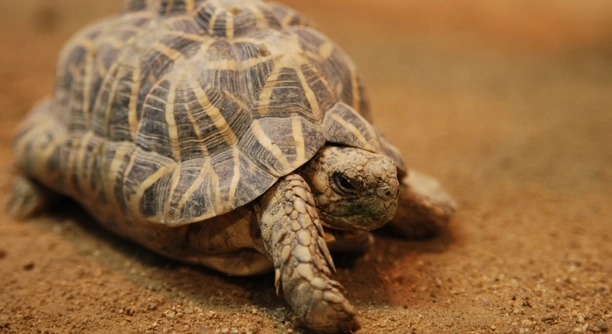
Turtles are fascinating creatures, and their care requires attention to detail. One concern that may arise is an overgrown beak, which can cause problems for their health. Understanding the cause is essential for effective care.
An overgrown beak in turtles can result from several factors, including inadequate diet, lack of natural wear, or a health condition. Turtles rely on a balanced diet and proper habitat to maintain beak health. Without these, overgrowth occurs.
Taking care of your turtle’s beak is crucial for its overall well-being. Proper care can prevent overgrowth and ensure your turtle’s health for years to come.
Causes of Overgrown Beaks in Turtles
Several factors contribute to an overgrown beak in turtles. The most common causes are poor diet, lack of proper chewing surfaces, and insufficient exposure to natural elements. Turtles in captivity may not have access to the natural textures, such as rocks or vegetation, that help wear down their beaks. A diet lacking in calcium and other essential nutrients also plays a major role. Turtles need proper nutrition to maintain healthy growth, and without it, their beaks can become too long or misaligned. Additionally, certain health conditions may affect the turtle’s ability to naturally wear down its beak, resulting in overgrowth.
Lack of appropriate environmental factors and an unbalanced diet are often the main issues behind an overgrown beak. Without adequate chewing materials and nutrition, a turtle’s beak can grow abnormally.
Addressing these factors is key to preventing beak overgrowth. Providing a varied diet rich in calcium and other nutrients, along with ensuring your turtle has access to surfaces that allow for natural wear, is essential for their health. Regularly monitoring their environment and diet will reduce the chances of overgrowth occurring.
How to Prevent Overgrowth
To prevent overgrown beaks, start by ensuring your turtle’s habitat includes proper surfaces to naturally wear down their beak. Additionally, provide a balanced diet. Regular vet check-ups will help detect any underlying health issues.
A well-balanced diet is crucial for a turtle’s overall health, including beak maintenance. High-quality commercial turtle food should be supplemented with vegetables, fruits, and occasionally, calcium-rich treats like cuttlebone. These additions help promote a healthy beak and support overall well-being. It is also important to adjust the environment to encourage natural wear. For example, adding flat rocks or rough surfaces in the tank allows the turtle to grind its beak as it moves around. This is especially important for captive turtles that may not have the chance to do so in the wild.
A combination of proper diet, habitat adjustments, and regular veterinary care can prevent beak overgrowth and keep your turtle healthy.
Signs of an Overgrown Beak
When a turtle’s beak is overgrown, it can lead to noticeable changes in their behavior. The beak may become too long, misaligned, or uneven. This can make it difficult for the turtle to eat properly, which may result in weight loss or reluctance to feed. If you notice these signs, it’s important to take action.
Turtles with overgrown beaks may also have difficulty closing their mouths or may struggle to grasp food. Their overall energy levels could decline as they are unable to consume enough food. Overgrowth can also affect their ability to properly groom themselves. In some cases, an overgrown beak can lead to infections if the beak’s edges are too sharp or misshapen. If you notice any of these signs, consult with a vet for proper treatment.
If left untreated, an overgrown beak can lead to serious complications, including malnutrition and infections. Early intervention is crucial to prevent long-term issues and to restore the turtle’s ability to feed and maintain proper hygiene.
Treatment for Overgrown Beaks
In many cases, treatment for an overgrown beak involves trimming it to restore normal function. This process should only be done by a trained professional, such as a veterinarian, to avoid injury. It is essential not to attempt trimming the beak yourself, as improper cutting can cause damage. The vet may use specialized tools to safely shorten the beak, ensuring it is reshaped properly.
Once the beak has been trimmed, it’s important to address the underlying cause of the overgrowth. Providing a proper diet and ensuring access to surfaces that allow natural wear will prevent the issue from recurring. If the overgrowth is caused by a medical condition, the vet may recommend additional treatments or medications. In some cases, beak overgrowth may be linked to metabolic bone disease or other deficiencies, which can be managed with the right supplements and dietary changes.
After the treatment, be sure to monitor your turtle’s behavior and eating habits closely. A follow-up visit to the vet may be necessary to ensure proper healing and that the beak has not started to grow unevenly again.
Proper Diet for Turtles
A balanced diet is crucial to preventing overgrown beaks in turtles. They need a mix of protein, fiber, and essential vitamins. Offer a variety of foods, including leafy greens, vegetables, and high-quality commercial turtle food. Calcium-rich foods, like cuttlebone, are especially important.
If your turtle is not getting the right nutrients, their beak may begin to grow too long. A lack of calcium can lead to weak bones and other health issues, so it’s essential to provide this mineral regularly. Supplements can be added to their diet if necessary, but always consult a vet first.
Monitoring their food intake and ensuring they receive the proper balance of nutrients will help prevent future issues. Be sure to remove uneaten food from their habitat to maintain water quality and avoid digestive problems.
Importance of Natural Habitat
A natural environment is vital for a turtle’s health, including their beak. In the wild, turtles naturally wear down their beaks through activities like foraging and chewing on hard surfaces. Captive turtles may not have this opportunity, so you need to provide it.
You can create an environment that encourages natural wear by adding rough surfaces such as rocks or ceramic tiles. These surfaces will help your turtle naturally trim its beak as it moves around and interacts with its surroundings. Without these elements, the beak may continue to grow, leading to overgrowth.
Ensure your turtle has access to an area where it can engage with these surfaces regularly. It’s a simple yet effective way to maintain their health without needing constant intervention.
Regular Veterinary Care
Regular vet check-ups are essential for maintaining a turtle’s overall health, including their beak. A vet will monitor the turtle’s growth and check for any signs of overgrowth or other health issues. Early detection can prevent major problems.
During these visits, the vet may recommend specific treatments or dietary changes if they notice any concerns. They can also help with trimming the beak if necessary. Regular care will ensure your turtle is healthy and that their beak remains properly maintained.
FAQ
What causes a turtle’s beak to overgrow?
An overgrown beak in turtles is usually caused by a poor diet, lack of proper wear surfaces, or health issues. A diet low in calcium and essential vitamins can result in abnormal growth. Turtles in captivity often lack the natural elements, like rocks and plants, that help wear down their beaks in the wild. Without access to these, their beaks can grow too long. Additionally, certain health conditions, such as metabolic bone disease, can also lead to abnormal beak growth.
How can I tell if my turtle’s beak is overgrown?
If your turtle’s beak is overgrown, you may notice that it looks unusually long, sharp, or misshapen. Your turtle may also struggle to eat or have difficulty closing its mouth properly. In some cases, the overgrown beak may cause discomfort or prevent the turtle from eating. Pay close attention to any changes in behavior, such as reduced activity or weight loss. A vet can confirm if the beak is overgrown and offer treatment options.
Can I trim my turtle’s beak at home?
It’s not recommended to trim your turtle’s beak yourself. Trimming a turtle’s beak requires precision and specialized tools. A veterinarian should handle the procedure to avoid injury. Improper trimming can lead to bleeding, infection, or further complications. A vet will ensure the beak is safely trimmed and reshaped to avoid damage to sensitive areas.
How often should I check my turtle’s beak?
It’s a good idea to check your turtle’s beak every few weeks. Regularly inspect it for signs of overgrowth, misalignment, or damage. If you notice any unusual changes or your turtle is having trouble eating, consult a vet immediately. Early detection is key to preventing more severe issues.
What should I feed my turtle to prevent overgrown beaks?
To prevent an overgrown beak, provide a balanced diet that includes a variety of vegetables, high-quality turtle pellets, and calcium-rich foods. Offer leafy greens like kale, collard greens, and dandelion leaves. Fruits can be offered in moderation. Cuttlebone is a great addition for calcium. A well-rounded diet will support beak health and overall growth.
Are there any specific vegetables that help keep my turtle’s beak healthy?
Leafy greens and vegetables rich in calcium, such as kale, collard greens, and turnip greens, are essential for keeping your turtle’s beak healthy. These foods provide the necessary vitamins and minerals to prevent beak overgrowth. Avoid feeding your turtle too much fruit or high-fat foods, as they can lead to imbalances that may affect overall health.
What should I do if my turtle’s beak is still growing too much after treatment?
If your turtle’s beak continues to grow abnormally after treatment, it could be due to an underlying health condition like metabolic bone disease or other nutritional deficiencies. In such cases, you should consult your vet for further tests and recommendations. They may suggest a specialized diet or additional treatments to correct the issue.
Can overgrown beaks affect my turtle’s health in other ways?
Yes, an overgrown beak can affect your turtle’s health in several ways. It can make it difficult for the turtle to eat, leading to malnutrition. An overgrown beak may also cause pain or discomfort, making the turtle less active. If left untreated, an overgrown beak can lead to infections, especially if the sharp edges cause injury to the mouth or surrounding areas.
How can I help my turtle wear down its beak naturally?
To help your turtle naturally wear down its beak, create an environment with rough surfaces, such as flat rocks or ceramic tiles. These surfaces will provide natural abrasion as the turtle moves around, which will help keep the beak trimmed. You can also add aquatic plants and other materials that encourage natural chewing behavior. Ensuring your turtle has access to these surfaces will help prevent overgrowth.
Should I give my turtle supplements to help with beak health?
If your turtle’s diet is lacking in essential nutrients, supplements may be necessary to support beak health. Calcium supplements are especially important, as a deficiency in calcium can lead to abnormal beak growth. However, before giving any supplements, it’s best to consult with a vet to determine the appropriate dosage and type of supplement for your turtle’s specific needs.
How can I tell if my turtle is eating enough to maintain a healthy beak?
A healthy turtle should be actively eating and maintaining a good weight. If your turtle is eating less than usual or refusing food, it may indicate an issue with its beak or overall health. A decrease in appetite, along with an overgrown or misaligned beak, should be addressed by a vet. Regular feeding with a balanced diet ensures the proper nutrients needed for healthy beak growth.
Is there a way to prevent beak overgrowth from happening again?
To prevent future beak overgrowth, ensure your turtle has a proper diet, access to natural wear surfaces, and a healthy living environment. Providing a variety of foods, including calcium-rich options, is essential. Additionally, making sure the turtle has rough surfaces to move across and engage with will help naturally wear down the beak.
Can a beak trim cause any problems for my turtle?
While a beak trim performed by a qualified vet is generally safe, there can be some risks if it’s not done properly. Trimming too much or too little could cause discomfort or difficulty in eating. After the trim, it’s important to monitor the turtle closely to ensure proper healing and check for any signs of infection.
How long does it take for a turtle’s beak to heal after trimming?
The healing time after a beak trim depends on the severity of the overgrowth and the turtle’s overall health. Typically, healing takes a few weeks. During this time, it’s essential to monitor your turtle closely, ensuring it is eating properly and behaving normally. Your vet may recommend follow-up visits to check on the healing process.
Will my turtle’s beak grow back too long again?
If the underlying cause of the beak overgrowth is addressed, such as improving diet or providing proper surfaces for natural wear, the beak should not grow excessively again. Regular monitoring and proper care will help prevent future overgrowth. However, in some cases, there may be recurring issues that require additional treatment or adjustments.
Final Thoughts
Taking care of your turtle’s beak is an essential part of maintaining its overall health and well-being. An overgrown beak can cause discomfort and even prevent your turtle from eating properly, which can lead to more serious health issues. Monitoring the beak regularly and providing a balanced diet are the best ways to prevent overgrowth. A proper diet with calcium-rich foods and a variety of vegetables helps to support your turtle’s health and prevents nutritional imbalances that may lead to beak problems.
If you notice that your turtle’s beak is growing too long, it’s important to take action sooner rather than later. While trimming the beak may be necessary, it is always best to consult with a veterinarian who can handle the process safely and ensure that no damage occurs. Regular check-ups are recommended, especially if you suspect any underlying health issues. Proper care, like providing surfaces for the beak to naturally wear down, can prevent the need for frequent trimming and keep your turtle comfortable.
Addressing beak overgrowth is not just about trimming; it’s about creating a healthy environment for your turtle. Ensuring that it has access to rough surfaces, such as rocks or ceramic tiles, helps naturally wear down the beak as it moves around. By maintaining a good diet, offering the right surfaces, and seeking professional care when necessary, you can help keep your turtle healthy and avoid future issues with its beak. Be proactive and stay informed to ensure that your turtle lives a happy and healthy life.

Hello,
If you enjoy the content that we create, please consider saying a "Thank You!" by leaving a tip.
Every little bit helps us continue crafting quality advice that supports the health, happiness, and well-being of pets around the world, for pets of all shapes, sizes, and species.
We really appreciate the kindness and support that you show us!