
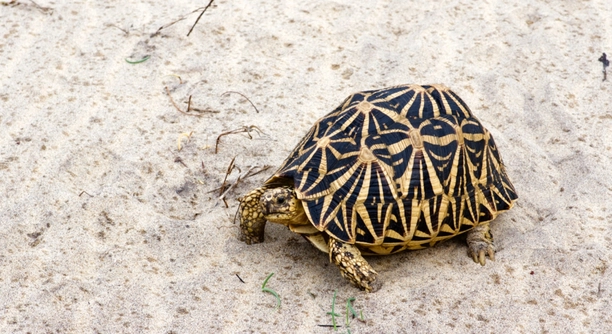
Turtles are fascinating pets, but their behaviors can sometimes be puzzling. If you’ve noticed your turtle scratching its shell, it could indicate something is off. Understanding this behavior is important for your turtle’s health and well-being.
The most common reason your turtle scratches its shell is due to irritation or discomfort. This can be caused by factors such as shell fungus, parasites, or improper tank conditions. Ensuring proper care and maintenance of the habitat can help prevent this behavior.
Taking action to address the cause of scratching will support your turtle’s health. Understanding how different factors contribute can help prevent ongoing issues.
Why Do Turtles Scratch Their Shells?
Turtles may scratch their shells for various reasons, but it often signals discomfort or distress. In most cases, it’s linked to their environment or health. A turtle’s shell is its protection, and scratching can be a sign of something wrong. It could be a result of shell infections, parasites, or even poor water quality. Environmental stressors, such as the wrong tank conditions or lack of proper filtration, also play a significant role. If your turtle is scratching its shell, it’s important to address these issues to ensure it lives comfortably and safely. Regular tank maintenance and close observation of your turtle’s behavior can prevent unnecessary distress.
Poor tank conditions can lead to itching or scratching, which should not be ignored. Proper care starts with making sure your turtle has access to clean water, the right temperature, and a well-maintained habitat. Pay close attention to the tank’s pH level, filtration system, and lighting.
Shell health is another critical aspect that affects a turtle’s well-being. Infections or injuries on the shell can cause significant irritation. If a turtle is constantly scratching, it could be dealing with an infection like shell rot or an external parasite, such as mites. These conditions can worsen if left untreated, leading to severe discomfort and long-term damage. Regularly check for any visible damage or discoloration on your turtle’s shell. Early detection will help prevent further issues. In addition to good water quality, providing a balanced diet and proper UV lighting will help strengthen your turtle’s shell and immune system.
Shell Fungus and Parasites
Shell fungus and parasites are common causes of scratching in turtles. Both conditions can cause intense irritation, leading to persistent scratching. Shell fungus thrives in damp conditions, so it’s important to maintain proper tank hygiene.
Fungus can appear as patches on the turtle’s shell, often discolored and rough to the touch. These fungal infections can irritate the turtle, prompting it to scratch excessively. Parasites, on the other hand, can attach themselves to the turtle’s shell or skin, causing discomfort. A vet should evaluate the turtle if these issues are suspected. Both conditions are treatable with proper medication and care, but preventing them through regular tank cleaning and proper turtle care will help avoid this issue. Shell infections and parasites are common, but they can be managed with vigilance and prompt action. Keeping the tank clean and ensuring your turtle has a healthy diet is crucial for preventing these conditions.
Tank Conditions and Water Quality
Dirty water and improper tank conditions are key contributors to scratching. Turtles thrive in clean, well-maintained environments. Poor water quality can cause irritation and stress, leading to excessive scratching.
The water temperature should be stable, between 75 and 80°F, and the tank should have a filtration system to remove waste. Without proper filtration, debris and bacteria can build up, leading to infections or shell irritation. The water’s pH and hardness should also be monitored to ensure they are within the ideal range for your specific turtle species. Poor lighting can worsen the situation as well, as it can weaken the turtle’s immune system.
Regular water changes and cleaning are essential for a healthy environment. Aim for at least a 25% water change weekly to maintain water quality. Make sure the tank is appropriately sized for your turtle to have enough space to swim and bask. A proper basking area, with UVB lighting, is vital for your turtle’s overall health and shell strength.
Shell Health and Maintenance
Maintaining a healthy shell is crucial for your turtle’s comfort and well-being. A damaged or weakened shell can make a turtle more prone to scratching. Regular shell maintenance ensures that the turtle’s protection remains intact.
To prevent shell rot and damage, avoid keeping your turtle in overcrowded or unsanitary conditions. A well-balanced diet plays a significant role in maintaining a strong shell, as proper nutrients help with shell growth and healing. Additionally, avoid letting your turtle climb on rough surfaces or rocks that could damage its shell. Providing a proper environment with controlled temperatures and UVB exposure will help your turtle maintain a healthy, strong shell.
Stress and Environmental Factors
Stress can cause turtles to scratch their shells, especially if they’re uncomfortable in their environment. Overcrowding, sudden temperature changes, or a lack of hiding spaces can contribute to stress.
Turtles are sensitive creatures, and stress can negatively impact their overall health. Ensure their tank is spacious, the temperature is stable, and they have a quiet space to retreat when needed. A calm environment supports their mental and physical well-being.
Diet and Nutrition
A poor diet can also contribute to shell health issues and scratching. Turtles require a balanced diet of protein, vegetables, and calcium.
Without the right nutrition, turtles are more vulnerable to shell problems, including scratching. Supplements like calcium can support shell strength and prevent deformities. Ensure your turtle’s diet is rich in nutrients to keep their shell and skin healthy.
FAQ
Why is my turtle scratching its shell?
Turtles scratch their shells due to irritation or discomfort. Common causes include poor water quality, shell infections, parasites, and environmental stress. Scratching may also result from a lack of UVB lighting or improper tank conditions. It’s essential to monitor the water temperature, pH, and cleanliness of the tank. If the scratching continues, check the turtle’s shell for signs of damage or fungal infections. Regular maintenance of the tank and a balanced diet can help prevent this behavior.
How can I tell if my turtle’s shell is infected?
Infected shells often show visible signs like discoloration, softness, or foul odor. If the shell appears soft or scaly, it could indicate shell rot or fungal growth. Scratching, along with any swelling or abnormal patches, is also a warning sign of infection. You might notice the turtle becoming lethargic or avoiding movement due to pain. Infected shells require prompt veterinary care to avoid severe complications. Regular checks for cleanliness and damage can help catch infections early.
Can parasites cause my turtle to scratch its shell?
Yes, parasites are a common cause of shell irritation and scratching. External parasites like mites or leeches can attach to the shell, causing discomfort. These parasites often appear as small dots or crawling organisms on the shell’s surface. Internal parasites can also affect a turtle’s overall health, leading to symptoms like scratching, lack of appetite, or abnormal behavior. A vet can diagnose parasitic infections, and treatment usually involves medication or special care to eliminate the parasites.
What temperature should my turtle’s tank be?
The ideal water temperature for most turtles is between 75 and 80°F (24-27°C). A stable temperature range helps prevent stress and promotes proper digestion. The basking area should be warmer, around 85-90°F (29-32°C), to allow your turtle to regulate its body temperature. Make sure to monitor the tank temperature with a reliable thermometer and adjust it if necessary. Fluctuations in water temperature can cause stress and make your turtle more susceptible to infections.
How do I know if my turtle’s scratching is due to stress?
Stress is a common factor in scratching behavior. If your turtle is scratching its shell and seems agitated, stressed, or lethargic, it could be due to an uncomfortable environment. Signs of stress include erratic swimming, hiding, or excessive scratching. Stressors like overcrowding, loud noises, or lack of hiding places can contribute to this behavior. Providing a peaceful and spacious tank, along with consistent temperature and light conditions, can help reduce stress.
What type of substrate is best for my turtle tank?
The best substrate depends on the type of turtle you have. For aquatic turtles, smooth gravel or sand is recommended as it is easy to clean and doesn’t pose a risk of injury. Avoid using sharp or rough materials that could damage your turtle’s shell. For terrestrial turtles, consider using organic soil or a mix of dirt and leaves to mimic their natural habitat. Always keep the substrate clean to prevent bacteria and fungal growth that can lead to infections.
Can I treat my turtle’s shell irritation at home?
Mild shell irritation can sometimes be treated at home with proper care. Ensure that the tank is clean, and the water is filtered. Provide your turtle with a proper basking area, and consider using a gentle shell cleanser. However, if there is significant damage, infection, or ongoing scratching, it is essential to consult a veterinarian for professional treatment. Self-treatment can help manage minor issues, but a vet’s guidance is crucial for more severe conditions.
How often should I clean my turtle’s tank?
You should clean your turtle’s tank regularly to maintain water quality. Perform partial water changes every week (at least 25%) to keep the water fresh and reduce bacteria build-up. The substrate should be cleaned as needed, and the filter should be checked and replaced when necessary. A thorough cleaning of the entire tank should be done monthly, including scrubbing the walls and decorations. Keeping the tank clean will prevent infections and help your turtle stay healthy.
Can poor lighting cause my turtle to scratch its shell?
Yes, improper lighting, especially the lack of UVB light, can contribute to shell scratching. UVB light is crucial for turtles as it helps them process calcium and maintain a healthy shell. Without UVB exposure, turtles are more likely to develop weak shells, leading to irritation and scratching. Ensure that your turtle’s tank has a proper UVB light source, and replace the bulb regularly to maintain its effectiveness. A lack of proper lighting can also lead to metabolic bone disease, which affects shell and bone health.
How can I prevent my turtle from getting shell rot?
Preventing shell rot involves maintaining a clean tank, proper lighting, and a balanced diet. Ensure your turtle has access to a clean environment, with fresh water and proper filtration. Regularly check for signs of damage or irritation on the shell and provide UVB lighting to support healthy shell growth. Avoid letting your turtle sit in dirty or stagnant water for long periods. Promptly address any signs of shell damage to prevent the development of rot. If shell rot occurs, seek veterinary treatment immediately.
Should I take my turtle to a vet for scratching?
If your turtle’s scratching is persistent or accompanied by other symptoms such as lethargy, poor appetite, or visible shell damage, it’s best to take them to a vet. A professional can diagnose underlying issues such as infections, parasites, or other health problems. Early intervention will help prevent more serious complications. Regular check-ups are important for keeping your turtle healthy and addressing any concerns before they become more severe. Don’t hesitate to seek professional help if needed.
Final Thoughts
Turtles can scratch their shells for various reasons, including poor tank conditions, infections, parasites, or even stress. While occasional scratching may not be alarming, persistent behavior should not be ignored. Understanding the causes of shell irritation is crucial for maintaining your turtle’s health. Regularly monitoring water quality, temperature, and diet can help prevent most issues. A clean and comfortable environment is key to ensuring your turtle remains healthy and stress-free. Providing the right care and attention will not only keep your turtle’s shell healthy but also improve its overall well-being.
In some cases, home remedies may help address minor issues like dry skin or mild shell irritation. However, more serious conditions such as shell rot or infection require veterinary attention. If your turtle’s behavior includes excessive scratching, visible damage to the shell, or other concerning symptoms, it is essential to consult with a professional. Early intervention can prevent further complications and ensure your turtle’s recovery. Regular veterinary check-ups are also a good practice, as they can help detect any potential health problems before they become serious.
By staying informed about proper care and observing your turtle’s behavior, you can create a safe, healthy environment for your pet. It’s important to remember that every turtle is different, and some may have specific needs. Adjusting their habitat, diet, and lighting according to their requirements can go a long way in preventing health issues. While occasional scratching might be nothing to worry about, paying attention to your turtle’s overall health and behavior is essential for a long and happy life.

Hello,
If you enjoy the content that we create, please consider saying a "Thank You!" by leaving a tip.
Every little bit helps us continue crafting quality advice that supports the health, happiness, and well-being of pets around the world, for pets of all shapes, sizes, and species.
We really appreciate the kindness and support that you show us!