
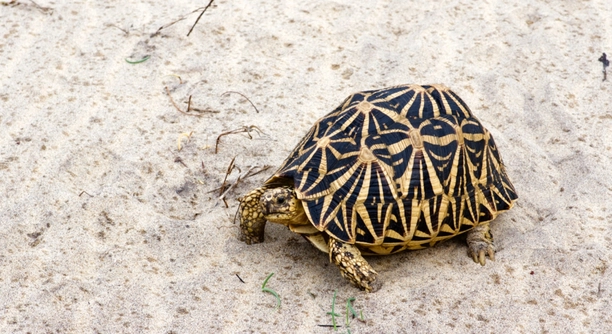
Turtles make wonderful pets, and watching them bask is a key part of their care routine. However, sometimes they may refuse to use their ramp to access the basking area. This can be frustrating.
Turtles may refuse to use a ramp for basking due to several factors, including the ramp’s design, the turtle’s health, or stress. If the ramp is too steep or slippery, it may deter them from using it.
Understanding the reasons behind this behavior will help you make adjustments to improve your turtle’s comfort and encourage them to bask more often. With the right changes, your turtle’s health and well-being will improve.
Common Ramp Issues
One of the most frequent reasons your turtle may be avoiding the ramp is its design. A ramp that’s too steep or smooth can make it hard for your turtle to climb. Turtles have small, webbed feet that aren’t ideal for gripping slippery surfaces. If the ramp is made of plastic or another slick material, it might feel unsafe for them. Another common issue is the height of the ramp. If it’s too steep or elevated, it could be intimidating, especially for younger or smaller turtles. Ensuring that the ramp is gentle and made of a non-slippery material can make a huge difference in encouraging your turtle to use it.
Changing the ramp’s material to something more textured or adding a rubber grip can help.
Turtles also prefer ramps that feel sturdy under their feet. A ramp that wobbles when they attempt to climb could cause them to avoid it. They need stability to feel safe when reaching for higher ground. If the ramp is attached securely and has a textured surface, it becomes much easier for the turtle to use.
Health and Comfort Factors
Sometimes, health issues may be preventing your turtle from using the ramp. If they are feeling unwell or in pain, they might avoid climbing entirely. This could be due to conditions like shell rot, arthritis, or even stress from their environment. Turtles are creatures of habit, and any disruption in their routine can affect their behavior. If your turtle has been less active than usual, it might be time for a check-up with the vet to rule out any underlying health problems. Ensuring that your turtle feels physically comfortable will encourage them to bask more often and use the ramp when they need to.
Stress can also play a major role in their reluctance to use the ramp. If the tank environment is too noisy, too bright, or crowded, it can create anxiety. Turtles need a calm, quiet place to feel safe enough to climb and bask. Providing a quiet, secure space can alleviate this stress, allowing your turtle to use the ramp naturally.
Ramp Positioning
The location of the ramp plays a crucial role in whether your turtle will use it. If the ramp is positioned at an awkward angle or far from the basking area, your turtle may not find it inviting. The ramp should lead directly to the basking spot for easy access.
Positioning the ramp closer to the water’s edge, at a gentle angle, can encourage your turtle to climb. It should be in a location that doesn’t make your turtle feel trapped or stressed. Additionally, ensure that the water level isn’t too high or low, as this can make it harder for your turtle to reach the ramp in the first place.
Be mindful of how the ramp sits in the tank, as some turtles are more comfortable with ramps placed lower in the water. If the ramp seems too far away from the basking area, your turtle may decide it’s not worth the effort. Keep it simple, close, and accessible.
Water Temperature
Water temperature can impact your turtle’s behavior, including its use of the ramp. If the water is too cold, your turtle might be less inclined to climb out to bask. Cold temperatures can make them sluggish and lethargic.
The ideal water temperature for most turtles is between 75 and 80°F (24 to 27°C). When the water is too cold, your turtle may seek warmer areas of the tank but avoid using the ramp due to discomfort. Maintaining a stable and warm water temperature will encourage your turtle to climb and bask.
If you notice your turtle hesitating at the ramp, check the water temperature. Ensuring the water is comfortably warm could help increase your turtle’s activity level and interest in using the ramp to bask.
Ramp Accessibility
If the ramp is difficult for your turtle to reach, it may be ignored. Ensure that the ramp is easy for your turtle to find and doesn’t require too much effort. A ramp that’s too far or difficult to climb will be avoided.
Check if your turtle has easy access to the ramp. It should not be obstructed by plants, rocks, or any other decorations that might make it harder to reach. Even the slightest obstacle can discourage them from using it. Keeping the area around the ramp clear can make a big difference.
Tank Lighting
Tank lighting is another important factor to consider. Too much light or too little can discourage your turtle from basking. Ensure that the basking area has proper UVB lighting. This helps your turtle feel comfortable and encouraged to use the ramp to access the heat source.
Turtles need UVB lighting to properly absorb calcium and maintain their health. Without it, they may become lethargic and refuse to bask altogether. Make sure the light source is at the correct distance from the ramp and basking area. This ensures your turtle gets the right amount of exposure to feel encouraged to bask and use the ramp.
FAQ
Why isn’t my turtle using the ramp?
There are several reasons your turtle may avoid the ramp. It could be due to the ramp’s design, such as it being too steep or slippery, which makes it difficult for your turtle to climb. A ramp that is too high or difficult to access will also be a turn-off. Additionally, if the water temperature is too cold or the tank environment is too stressful, your turtle might not feel motivated to use the ramp. Check if the ramp is positioned properly, the water temperature is ideal, and the tank environment is calm.
How steep should the ramp be?
The ramp should be at a gentle incline, ideally between 30 to 45 degrees, to ensure your turtle can climb it without too much effort. A ramp that’s too steep will feel intimidating to the turtle, especially if it’s young or small. The less steep the ramp, the easier it will be for them to use it regularly.
Can my turtle use a ramp if it’s made of plastic?
Plastic ramps can be slippery, making it hard for your turtle to grip the surface. To prevent this, add texture to the ramp by using sandpaper or covering it with a non-slip material like rubber. A ramp with a solid, textured surface will allow your turtle to climb more easily and confidently.
Should I adjust the water level for better access to the ramp?
Yes, adjusting the water level may help. If the water is too deep, your turtle may find it harder to reach the ramp. Conversely, if it’s too shallow, your turtle may feel insecure. Aim for a water level that allows your turtle to easily climb onto the ramp without feeling like they are at risk of drowning. A level that’s around the middle of their shell height is ideal.
How long should my turtle bask each day?
Turtles need to bask for about 2 to 4 hours each day, depending on their species and age. This helps them regulate their body temperature and absorb essential UVB light, which aids in calcium absorption and overall health. Be sure the basking area is warm enough to encourage your turtle to stay there for the appropriate amount of time.
Why won’t my turtle bask even when the ramp is available?
If your turtle refuses to bask, it might not feel comfortable using the ramp. Consider whether the ramp is too difficult to use or if the basking area is too hot or cold. Sometimes, stress factors like loud noises or tank disturbances can make your turtle feel unsafe, discouraging them from basking. Also, ensure that your turtle is healthy and not experiencing any discomfort that might prevent them from climbing or basking.
Can a turtle be stressed out by the ramp?
Yes, stress can affect your turtle’s behavior, including their use of the ramp. If the tank environment is too noisy, bright, or crowded, your turtle may feel anxious and avoid the ramp altogether. Ensure the tank is in a quiet area of your home and that there are no sudden movements or loud sounds nearby. A peaceful, safe environment will encourage your turtle to use the ramp and bask more often.
Does the material of the basking area matter?
Yes, the material of the basking area is important. A rough, textured surface will help your turtle stay secure while basking. A smooth surface can cause your turtle to feel unstable and make it difficult for them to grip, leading to hesitation in using the ramp. Materials like flat stones, ceramic tiles, or non-slip mats can provide a comfortable and safe basking surface.
How do I know if my turtle is too old to use the ramp?
Age can affect a turtle’s ability to use a ramp, especially if they develop arthritis or other health problems. If your older turtle seems hesitant to climb or spends more time in the water than basking, it might be a sign of physical discomfort. Providing a less steep ramp, or one with better grip, can help ease their climbing effort. Always monitor their health and adjust the setup if needed.
Can temperature fluctuations affect ramp use?
Yes, fluctuations in both water and basking area temperatures can affect your turtle’s behavior. If the basking area is too cold, your turtle might avoid it, as they prefer warmth for basking. If the water is too cold, they might feel sluggish and less likely to climb. Consistent, optimal temperatures are essential to keep your turtle comfortable and motivated to use the ramp.
How can I make my turtle feel more comfortable using the ramp?
You can make the ramp more inviting by ensuring it has a gentle incline and a textured surface that provides traction. Make sure the ramp is securely attached and does not wobble. Additionally, check the water temperature to ensure it’s warm enough for your turtle. If the environment is calm and comfortable, your turtle will feel more inclined to use the ramp to bask.
Final Thoughts
It’s important to remember that every turtle is different. Some may naturally take to using the ramp, while others might need a little more time or help. The key is to ensure that the ramp is accessible and safe for your turtle. Whether it’s adjusting the angle, texture, or position, small changes can make a big difference in encouraging your turtle to climb. If your turtle isn’t using the ramp at first, don’t worry. It may take some time for them to get used to the setup.
Additionally, check other factors like water temperature and the environment. Turtles thrive in calm, quiet spaces with the right temperature and lighting. If they’re stressed or the conditions aren’t ideal, they might avoid the ramp and basking area altogether. Ensuring that the water temperature stays between 75 and 80°F (24 to 27°C) and providing a proper UVB light will make your turtle feel more comfortable and motivated to use the ramp. If your turtle continues to avoid basking, consider visiting a vet to rule out any health issues.
Ultimately, patience and consistency are key. Over time, as you make adjustments to the tank setup, your turtle should start using the ramp more frequently. Don’t forget that turtles are creatures of habit, so creating a steady routine for them can help them feel secure and more willing to use the ramp. By paying attention to their needs and making a few simple changes, you can ensure your turtle has a comfortable and enjoyable environment.

Hello,
If you enjoy the content that we create, please consider saying a "Thank You!" by leaving a tip.
Every little bit helps us continue crafting quality advice that supports the health, happiness, and well-being of pets around the world, for pets of all shapes, sizes, and species.
We really appreciate the kindness and support that you show us!