
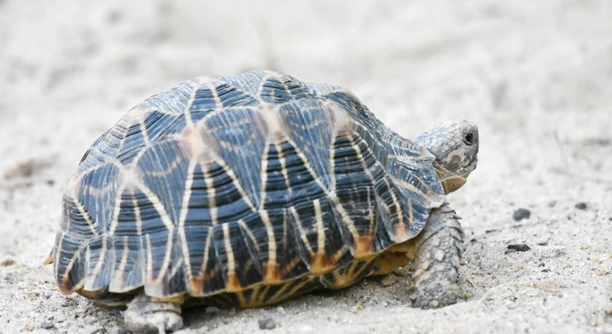
Turtles are known for their love of water, but sometimes they refuse to enter it. Understanding the reasons behind this behavior can help improve your pet’s health and comfort. Let’s explore the potential causes.
Turtles may avoid water due to stress, illness, or environmental changes. Improper water temperature, water quality, or a lack of suitable basking areas can also discourage your turtle from entering the water. Identifying these factors is essential.
Your turtle’s reluctance may be linked to simple environmental factors or a more serious issue. Understanding these causes will help ensure your turtle’s well-being.
Common Reasons for a Turtle’s Refusal to Enter Water
Turtles may refuse to enter water for several reasons. Stress is one of the primary factors, and it can stem from changes in their environment or routine. A turtle that has been recently moved to a new enclosure might be disoriented or scared. Illness is another possible cause; turtles that are sick may avoid water because they feel weak or uncomfortable. Water temperature is important as well; if the water is too cold or too warm, your turtle might not feel inclined to enter. The water quality also plays a role; poor water quality can lead to skin irritation or infections, discouraging your turtle from swimming.
Turtles also need proper basking areas to feel secure. If they don’t have a place to dry off and rest, they may avoid water altogether. If you’ve noticed your turtle staying on land more often, check for any changes in its environment that might be causing stress.
Identifying the exact reason your turtle is staying out of the water can take time. It’s important to evaluate the conditions of their tank, the water, and their health. Ensuring a proper habitat and watching for signs of illness will help you address the problem quickly.
Health Issues and How They Affect Water Behavior
Health issues can prevent a turtle from entering water. Common health problems include respiratory infections and shell diseases. Turtles with respiratory issues may find it difficult to breathe properly while in the water, leading them to avoid it. Shell problems, such as shell rot, can also cause discomfort when the turtle is submerged, resulting in a refusal to swim. It is essential to monitor your turtle’s overall health and look for signs like wheezing, lethargy, or a damaged shell.
In cases of illness, it’s crucial to get a proper diagnosis. Veterinarians specializing in reptiles can provide guidance on how to treat respiratory infections, shell issues, or any other health conditions. Treatment may involve medication or changes to their habitat, such as warmer water temperatures to promote healing.
By keeping an eye on your turtle’s health, you can ensure that any medical problems are addressed promptly. A healthy turtle is more likely to enjoy water activities and maintain its well-being.
Environmental Stress Factors
Environmental stress can discourage a turtle from entering the water. Changes in habitat, such as a new tank or different temperature, can cause discomfort. The presence of loud noises, other pets, or too much light can also stress them out.
Turtles are sensitive to their environment and need a stable setting. If a tank has recently been relocated, it might take time for your turtle to adjust. New surroundings can make your pet feel insecure, leading it to avoid water. Similarly, loud sounds or constant activity near their tank may cause stress, prompting them to stay on land.
A calm and quiet environment can help your turtle relax. Ensure its enclosure is in a peaceful area, free from disruptions. Keep the temperature consistent and monitor light levels to mimic natural conditions. Reducing stress is key to encouraging your turtle to feel comfortable in the water.
Improper Water Conditions
Improper water conditions are a common reason why turtles avoid water. If the water is too dirty or not filtered well, turtles may refuse to enter. Turtles are sensitive to water quality and prefer clean, clear water.
Water quality includes both temperature and cleanliness. Turtles need water at the right temperature to swim and feel comfortable. If the water is too cold, your turtle may avoid it entirely. Similarly, if the water is dirty or contains high levels of chlorine or harmful chemicals, it can irritate your turtle’s skin, eyes, or respiratory system.
To ensure the water is safe, regularly change the water and use a filtration system that keeps the water clean. Use a thermometer to check the water temperature, ensuring it is within the ideal range. Maintaining clean, healthy water encourages your turtle to swim and stay healthy.
Tank Size and Layout
The size and layout of your turtle’s tank can impact its willingness to enter the water. A small or overcrowded tank can make your turtle feel confined. Lack of proper basking spots or hiding areas also contributes to stress.
Ensure the tank is large enough to allow your turtle to swim freely. A cramped environment can discourage your turtle from entering the water. If there aren’t enough areas for your turtle to bask or hide, it may avoid the water altogether. Providing a balanced tank setup encourages natural behavior.
Basking Needs
Turtles need proper basking spots to feel secure and comfortable. Without an appropriate area to dry off, they may choose to stay on land. Adequate lighting and heat are essential to provide the right conditions.
The basking area should be easily accessible and located under a heat lamp or UVB light. The temperature should be warm enough to allow your turtle to regulate its body heat. If the basking spot is too small or uncomfortable, your turtle may refuse to enter the water, seeking comfort on land instead.
Age and Activity Level
Turtles of different ages or activity levels may have varying preferences for water. Older or less active turtles might not spend as much time swimming, while younger turtles are generally more playful in the water.
As turtles age, they may prefer basking more than swimming. If you have an older turtle, it might not feel as energetic and may avoid the water for long periods. On the other hand, younger, more active turtles are more likely to enjoy swimming regularly. Understanding your turtle’s life stage helps in adjusting care needs.
FAQ
Why is my turtle staying on land all of a sudden?
Turtles may suddenly stay on land due to a variety of reasons, such as stress, illness, or changes in their environment. Stressors could include new tank setups, loud noises, or even the presence of other pets. If your turtle has been moved recently, it may be adjusting to its new surroundings. Illness, such as respiratory problems or shell infections, can also cause a turtle to avoid water. Check the water conditions and ensure the temperature is appropriate. If the behavior persists, a visit to the vet may be necessary to rule out health concerns.
What temperature should the water be for my turtle?
Turtles typically require water temperatures between 75°F and 80°F (24°C to 27°C). This range mimics their natural habitat and ensures that they can properly regulate their body temperature. Water that is too cold can make your turtle uncomfortable, leading it to avoid swimming. If the water is too warm, it can cause stress and discomfort. A water thermometer is useful to maintain the correct temperature and prevent fluctuations that could harm your turtle.
Can poor water quality cause my turtle to avoid the water?
Yes, poor water quality is a common reason why turtles may refuse to enter the water. Dirty or unfiltered water can irritate their skin and eyes. High levels of ammonia, chlorine, or harmful chemicals can also be harmful. Regularly cleaning the tank and using a proper filtration system helps maintain water quality. Changing the water frequently and monitoring its cleanliness will encourage your turtle to swim and stay healthy.
Do turtles need UVB light to swim in the water?
While UVB light is essential for a turtle’s overall health, it is not directly related to their willingness to swim. However, UVB lighting is crucial for calcium absorption, which affects shell and bone health. Without proper UVB lighting, turtles can develop metabolic bone disease. Having a heat lamp and UVB light in the tank ensures that your turtle has a proper basking area to regulate its body temperature and health.
Can my turtle refuse water if it feels too hot?
Yes, if the water temperature is too high, your turtle may avoid the water. Water that is too warm can cause stress and discomfort. Turtles generally prefer water temperatures between 75°F and 80°F (24°C to 27°C). If the water exceeds this range, it can lead to lethargy and avoidance of swimming. Make sure to monitor the temperature and adjust it accordingly to keep your turtle comfortable.
How can I help my turtle feel more comfortable in the water?
To help your turtle feel more comfortable, start by ensuring that the water quality is clean and the temperature is within the ideal range. Provide proper basking areas where the turtle can rest and regulate its body temperature. Avoid placing the tank in a noisy or highly trafficked area, as stress can cause reluctance to enter the water. Gradually acclimate your turtle to its environment by maintaining consistency in the tank’s conditions.
What should I do if my turtle refuses to eat or swim?
If your turtle is refusing to eat or swim, it may be a sign of stress or illness. Check for signs of injury or infection, particularly on the shell, eyes, or mouth. Ensure that the tank’s temperature, lighting, and water quality are all within the proper range. If the turtle’s behavior continues, it may be necessary to take it to a reptile vet for a proper diagnosis and treatment.
Can I force my turtle to go in the water?
No, it’s important not to force your turtle into the water. Doing so can cause additional stress, leading to more avoidance. Instead, try to improve its environment and offer a calm, safe space for it to explore on its own. Gradually adjusting the water conditions and reducing stressors in the tank may encourage your turtle to enter the water on its own.
Is it normal for a turtle to only stay in the water for short periods?
Yes, it is normal for turtles to stay in the water for short periods, especially if they prefer basking. Turtles need a balance between swimming and basking to regulate their body temperature and health. Some turtles naturally spend more time on land to dry off and absorb UVB light. As long as the water conditions are suitable, brief periods of swimming are part of normal behavior.
How often should I change my turtle’s water?
The frequency of water changes depends on the size of the tank and the number of turtles. In general, it’s recommended to change the water at least once a week for a small tank. Larger tanks with proper filtration may only need a partial water change every two weeks. Regular water changes help maintain clean water and a healthy environment for your turtle. Always test the water quality before changing it to ensure it’s free from harmful chemicals.
Final Thoughts
Turtles are sensitive creatures, and their behavior can be influenced by many factors, including their tank environment, water conditions, and overall health. If your turtle is refusing to enter the water, it is important to first evaluate the tank setup. Ensure that the water temperature is within the recommended range of 75°F to 80°F (24°C to 27°C) and that the water is clean and free from harmful chemicals. Regular tank maintenance, including proper filtration and water changes, is key to keeping your turtle comfortable and healthy. By creating a balanced environment with enough space for your turtle to swim and bask, you are providing the right conditions for it to thrive.
If the water conditions and environment seem fine but your turtle is still avoiding the water, it could be due to stress or illness. Changes in the turtle’s environment, such as new tank mates, loud noises, or even improper lighting, can lead to reluctance in entering the water. Health issues, such as shell infections or respiratory problems, can also cause a turtle to avoid swimming. Always keep an eye on your turtle’s behavior and look for signs of illness. If you notice any abnormalities, it is important to consult a veterinarian experienced with reptiles for advice and treatment. Identifying potential health issues early on can help prevent further complications.
In most cases, turtles will return to the water once their environment is adjusted to their needs. Providing a proper basking spot, maintaining clean water, and ensuring a stress-free environment are essential for keeping your turtle happy and healthy. It is normal for turtles to spend time on land, but they should also feel comfortable swimming when they choose to do so. With the right care and attention, your turtle will enjoy a balanced lifestyle with plenty of opportunities to swim and bask in the warmth.

Hello,
If you enjoy the content that we create, please consider saying a "Thank You!" by leaving a tip.
Every little bit helps us continue crafting quality advice that supports the health, happiness, and well-being of pets around the world, for pets of all shapes, sizes, and species.
We really appreciate the kindness and support that you show us!