
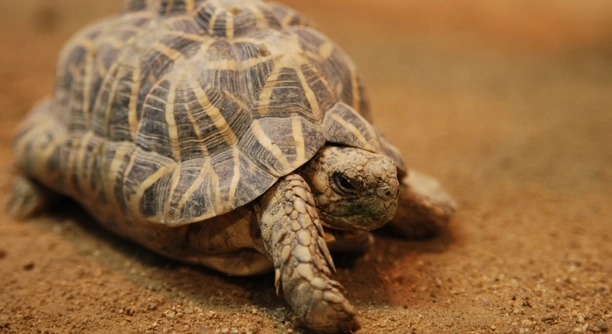
Turtles are fascinating creatures, but their behaviors can sometimes leave owners puzzled. One common issue is when a turtle seems to constantly try to escape, especially during the night. This behavior may be more common than you think.
The main reason your turtle may try to escape at night is due to instinctual behaviors related to survival. In the wild, turtles often hide from predators and seek shelter when it becomes dark. This instinct can carry over into captivity.
Understanding why your turtle behaves this way can help ensure they remain safe and comfortable in their environment.
Natural Instincts at Play
Turtles are naturally drawn to hiding when the sun sets. In the wild, they seek out quiet, safe spaces where they can rest without the threat of predators. This instinct is deeply embedded in their behavior. When kept in captivity, your turtle may feel the same need to retreat. It’s their way of ensuring they stay safe and secure, even if they’re in an environment without real threats. While this behavior can seem odd or frustrating, it’s actually a normal response.
Often, this instinct is more prominent at night when they feel more vulnerable. Turtles tend to be less active during daylight hours, using the night to rest and hide. Their escape attempts are driven by this instinct, rather than by any discomfort or dissatisfaction with their habitat. If they are confined to an enclosure that doesn’t replicate a safe hiding spot, they might try to find one themselves.
Ensuring your turtle has a quiet, hidden space within their tank can help reduce their need to escape. Creating a place where they can retreat and feel protected will encourage them to stay in their designated area. Adding elements like caves or aquatic plants can mimic natural hiding spots, making your turtle feel more secure and less likely to attempt an escape.
The Impact of Tank Environment
The environment plays a big role in your turtle’s behavior. A tank that feels too open or lacking in secure spots can lead to restlessness, causing your turtle to try to escape.
Consider the lighting, temperature, and decor in your turtle’s habitat. If the space doesn’t feel like a safe environment for your turtle, they will likely attempt to leave. A tank that’s too bright or lacks secluded spaces may create stress, causing the turtle to escape. Proper lighting, with areas of shadow, mimics the turtle’s natural habitat and can help alleviate this.
A more natural setup helps your turtle thrive. Offering plenty of rocks, plants, or hiding places creates a space where they feel secure and at ease. If your turtle feels like it’s in danger or too exposed, it will try to escape. By adjusting the tank environment, you can help prevent this behavior.
Lack of Proper Tank Size
A tank that’s too small can lead to frustration and stress for your turtle. If they feel cramped or unable to move around freely, it may trigger escape attempts. Turtles need space to explore and feel comfortable.
Providing an adequately sized tank allows your turtle to behave naturally, exploring its surroundings and having room to swim. A cramped space can make them feel trapped, leading them to seek an escape. Tanks should be spacious enough for your turtle’s size, with room for water and land areas.
It’s important to remember that turtles grow, and their living space needs to accommodate their size over time. Keeping the tank too small as they grow can intensify their urge to escape. Regularly assess the space and adjust as needed, ensuring they have the freedom to thrive.
Stress and Anxiety
Turtles are sensitive to their environment, and stress can contribute to unusual behaviors like attempting to escape. Factors like loud noises, excessive movement around the tank, or disturbances can make your turtle anxious.
When a turtle is stressed, it may become restless and look for ways to escape, seeking safety from perceived threats. Creating a calm and quiet environment for your turtle is crucial. Avoiding excessive noise and activity around their tank will help them feel more secure.
Consider setting up the tank in a low-traffic area of your home. A peaceful environment can reduce stress levels and decrease the likelihood of escape attempts. The more your turtle feels secure in their space, the less likely they will try to leave.
Inconsistent Day/Night Cycle
Turtles rely on natural light to regulate their behavior. If your turtle’s environment doesn’t replicate a consistent day/night cycle, it can cause confusion, leading to stress and restlessness.
Having proper lighting that mimics natural daylight and darkness is essential. Using a timer to simulate day and night can help your turtle feel more at ease.
A consistent day/night cycle will allow your turtle to follow their natural rhythms, reducing nighttime escape attempts. Proper lighting can also help maintain a healthy sleep cycle and promote overall well-being.
Temperature Fluctuations
If the water or tank temperature fluctuates too much, it could cause your turtle to seek a way out. Turtles need stable temperatures to stay healthy and comfortable.
Consistent water temperature is important for your turtle’s activity and comfort. Invest in a reliable water heater or thermostat to maintain a steady temperature.
A well-maintained, stable environment ensures your turtle can stay calm and comfortable. Temperature fluctuations can cause unnecessary stress, so regular monitoring is essential for keeping your turtle’s behavior in check.
FAQ
Why does my turtle try to escape during the day?
Turtles often try to escape because they’re looking for a more suitable environment. If the tank feels too small, too noisy, or too exposed, your turtle may try to leave in search of comfort. Turtles are naturally curious creatures, so they might also escape simply out of a desire to explore their surroundings.
How can I tell if my turtle is stressed?
Stress in turtles can be identified by behaviors like excessive hiding, scratching at the tank walls, or trying to escape. They may also stop eating or become less active. If you notice these signs, it’s important to assess the tank environment to ensure it’s calm and secure.
Can I prevent my turtle from escaping at night?
Yes, you can prevent escape attempts by ensuring your turtle feels safe and secure in their habitat. Adding hiding spots, using a proper lid to keep them inside, and keeping their environment calm can help minimize escape behavior. Also, check that the temperature and lighting conditions are ideal.
What are the ideal conditions for my turtle’s habitat?
Turtles need a spacious tank, consistent water temperature, proper lighting, and access to dry land for basking. A tank size of at least 40 gallons is recommended for most species. It’s essential to create a natural environment with hiding spots, rocks, and plants.
Should I provide my turtle with a hiding place?
Yes, providing a hiding place is essential for your turtle’s well-being. Turtles need to feel secure in their environment. Adding caves, plants, or other structures that can serve as hiding spots will help reduce stress and minimize escape attempts.
Why is my turtle constantly trying to climb the tank walls?
This behavior may indicate that your turtle feels confined or stressed. Turtles may try to climb the walls in search of more space or a more secure area. Providing more room, hiding spots, and ensuring the tank environment is calm can reduce this behavior.
How often should I clean my turtle’s tank?
Cleaning the tank regularly is important for maintaining a healthy environment for your turtle. A full water change should be done every 1-2 weeks, while removing waste and debris should be done daily. Proper filtration will also help maintain clean water between changes.
Is it normal for my turtle to be more active at night?
Yes, it’s common for many turtle species to be more active during the evening or nighttime. Turtles are often more active during dusk or dawn in the wild, which is a natural behavior. If your turtle tries to escape during this time, it’s likely due to its instinctual behavior.
How can I reduce my turtle’s escape attempts?
To reduce escape attempts, provide a larger tank with plenty of hiding spots and secure the lid tightly. Ensuring that your turtle’s environment is calm, with appropriate lighting and temperature, will help your turtle feel secure and reduce stress. Consider setting up a tank in a quiet, low-traffic area.
Do turtles need a basking area?
Yes, turtles need a basking area to regulate their body temperature and dry off. This area should be heated, allowing your turtle to soak in the warmth. A basking spot can also help mimic the natural environment and give your turtle a place to rest.
How do I know if my turtle is too hot or too cold?
If your turtle is too hot, it may try to escape or spend too much time in the water. If too cold, it will become sluggish and less active. Make sure the water and basking areas are kept at appropriate temperatures (usually between 75-85°F for water and 85-95°F for basking spots).
What type of lighting does my turtle need?
Your turtle needs both UVB lighting and heat lamps. UVB light is crucial for your turtle’s health, as it helps them synthesize vitamin D3, which is necessary for calcium absorption. A heat lamp should provide warmth for basking areas. Both types of lighting should be on a timer to simulate natural day/night cycles.
Final Thoughts
Understanding why your turtle tries to escape at night can help you create a more comfortable environment for them. Turtles are naturally curious creatures and may try to leave their tank if they feel cramped, stressed, or unsafe. It’s important to recognize the signs of discomfort in your turtle, such as increased restlessness or attempts to climb the tank walls. By addressing these issues, you can reduce the likelihood of escape attempts and ensure a more peaceful living situation for your pet.
Providing an appropriately sized tank, stable water temperature, and proper lighting can go a long way in minimizing stress. Turtles thrive in environments that mimic their natural habitats, with areas to bask, hide, and swim freely. Consistency is key, whether it’s maintaining the right day/night cycle, ensuring a peaceful environment, or offering enough space to move around. When turtles feel secure, they are less likely to try to escape or engage in other stress-related behaviors.
If your turtle is still attempting to escape despite providing a better setup, it’s worth considering a few additional factors. Check the water quality, ensure your tank lid is secure, and observe if there are any other stressors, such as noise or environmental changes. Over time, understanding your turtle’s needs and habits will help you adjust their environment to prevent escapes. By offering the best possible living conditions, you can ensure that your turtle stays happy, healthy, and content in their habitat.

Hello,
If you enjoy the content that we create, please consider saying a "Thank You!" by leaving a tip.
Every little bit helps us continue crafting quality advice that supports the health, happiness, and well-being of pets around the world, for pets of all shapes, sizes, and species.
We really appreciate the kindness and support that you show us!