
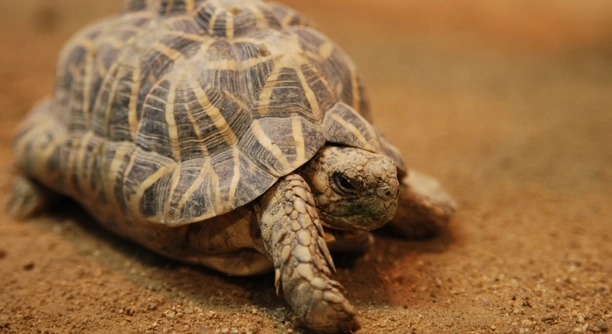
Turtles are fascinating creatures that can bring a lot of joy to your home. If you’ve noticed your turtle scraping its shell on objects, you might be wondering what’s behind this behavior.
Turtles may scrape their shells on objects due to several factors, such as the need to shed old scutes, mark territory, or alleviate irritation. This behavior is often natural and can be linked to their instinctive habits or environmental factors.
Understanding why this happens is important for the overall care of your turtle. With a closer look, you can learn how to help your turtle stay healthy and comfortable.
Possible Causes of Scraping
Turtles may scrape their shells for several reasons, often tied to natural instincts. One reason could be the shedding of old scutes, the outer layers of their shell. Just like a snake sheds its skin, turtles shed their scutes over time, which can lead to scraping as they try to remove them. Another possible cause is irritation or discomfort from their environment. If the water temperature, quality, or the tank setup is off, your turtle might scrape its shell in an attempt to relieve the discomfort. Scraping can also be linked to territorial behavior or a way of marking its space.
It’s essential to observe if the scraping is constant or occasional. If it’s part of their shedding process, there’s little cause for concern. However, if the behavior persists, it’s worth checking their habitat conditions.
In rare cases, scraping might be a sign of a skin infection or other medical issues. If the scraping leads to noticeable damage on the shell or skin, this should be addressed promptly. Consulting a vet can help rule out any potential health issues. Keeping your turtle’s environment clean and providing enough space can reduce unnecessary scraping.
How to Manage Scraping Behavior
To reduce excessive scraping, ensure your turtle’s habitat is ideal. The water temperature should be consistent, and the tank should be large enough to provide room for movement.
Shedding Scutes
Turtles naturally shed their scutes as part of their growth process. This shedding can cause them to scrape their shells on objects. It’s a normal part of their life cycle and doesn’t typically indicate any health concerns. The old scutes eventually fall off, revealing a fresh layer underneath.
If you notice your turtle scraping its shell but don’t see any visible damage, this is likely due to scute shedding. While it’s common, keeping an eye on the frequency of this behavior is essential. If scraping becomes excessive or causes injury, it might be time to check the water conditions or consult a vet.
Offering your turtle enough space and providing suitable hiding spots can help reduce the irritation that might lead to this scraping behavior. If scutes are not shedding properly, it could lead to complications. Ensuring your turtle gets the right diet and exposure to natural sunlight can also help in the shedding process.
Environmental Irritations
Sometimes, your turtle might scrape its shell due to irritation caused by its environment. Poor water quality, incorrect tank temperature, or insufficient humidity can make a turtle uncomfortable. Scraping can be an attempt to deal with these irritants. Regular water changes and ensuring the water is at the correct temperature can significantly help.
Pay close attention to the tank setup and conditions. Turtles are sensitive to changes in their habitat. For example, if the water becomes too cold or dirty, it could stress them out, causing behaviors like scraping. Make sure the tank is large enough for your turtle to move freely and doesn’t feel cramped.
Proper filtration is essential to maintain good water quality, which can minimize the need for your turtle to scrape. A basking area with proper lighting is also crucial for their overall well-being. If the water quality and environment are well-maintained, the scraping behavior should decrease.
Shell Damage or Injury
In some cases, scraping can be caused by minor shell damage or injury. If your turtle’s shell is cracked or scratched, it may scrape to avoid further irritation or to remove something stuck to the shell. Checking for visible damage can help you determine if this is the case.
If you see scratches, cracks, or even soft spots on the shell, it’s important to address them immediately. Shell damage can lead to infections if not treated properly. Gently clean the affected area with warm, clean water and keep an eye on any changes.
If the damage seems more serious, it’s best to take your turtle to a vet for professional care. This can help prevent infections and ensure that your turtle heals properly. Preventing further injury is key to keeping your turtle healthy.
Behavior and Territory
Turtles, like many animals, can be territorial. If they feel threatened or are marking their space, they may scrape their shells against objects. This behavior helps them assert dominance or communicate with other turtles. If you have multiple turtles, this behavior may be more frequent.
It’s crucial to observe their interactions with one another. In multi-turtle setups, ensure there is enough space to prevent constant territorial disputes. If one turtle feels cornered or crowded, it might begin scraping its shell more often. Providing hiding spots and plenty of room can ease this issue.
Tank Setup
The setup of your turtle’s tank plays a big role in its behavior. A cramped tank with inadequate resources can lead to stress, which may cause scraping. It’s important to create a balanced environment where your turtle feels safe and comfortable. Keep their space clean, spacious, and secure.
FAQ
Why is my turtle scraping its shell?
Turtles often scrape their shells to shed old scutes, mark territory, or deal with discomfort. Scraping can be part of the natural shedding process, which happens over time. However, excessive scraping may also point to environmental stress or injury, so it’s important to monitor the behavior closely.
How can I tell if my turtle is shedding scutes?
You can usually tell your turtle is shedding scutes if you notice bits of flaky, rough material coming off the shell. It may scrape its shell against objects to help loosen these layers. If the scraping stops once the scutes have fallen off, this behavior is likely normal.
Should I be concerned if my turtle is scraping its shell?
If the scraping is mild and occurs occasionally, it’s usually not a concern, especially if it’s related to scute shedding. However, if your turtle is scraping aggressively, or if you notice injury or changes in its shell, it may be time to address potential environmental issues or health concerns.
Can water temperature affect my turtle’s scraping behavior?
Yes, water temperature plays a big role in your turtle’s health. If the water is too cold or too warm, your turtle might feel uncomfortable and engage in scraping. Keeping the water at the correct temperature is crucial for your turtle’s well-being and can help reduce unnecessary scraping.
How often should I change the water in my turtle’s tank?
Water changes depend on the size of the tank and the number of turtles you have. As a general rule, change 25-50% of the water every week. If the water quality is poor, it can irritate your turtle, leading to scraping. Regular cleaning and water changes will prevent this.
Can tank size impact the amount of scraping?
Yes, a small tank can cause your turtle stress, leading to increased scraping. Turtles need space to move around, bask, and hide. If your turtle feels cramped, it might scrape its shell more often. Ensure the tank is large enough for your turtle to swim and move freely.
How can I prevent shell injuries that cause scraping?
To prevent shell injuries, make sure the tank has no sharp objects or rough surfaces that could damage your turtle’s shell. Adding smooth rocks or objects for climbing can help prevent accidental scratches. Also, monitor your turtle’s behavior and environment regularly for any signs of injury.
What signs should I look for to know if my turtle has a shell infection?
Signs of shell infections include discoloration, soft spots, swelling, or discharge. If your turtle’s shell becomes soft or starts to smell, it could be a sign of infection. If you notice any of these symptoms, it’s important to take your turtle to the vet for proper treatment.
Can stress lead to shell scraping?
Yes, stress is a major factor in many turtle behaviors, including scraping. Factors such as overcrowding, improper tank conditions, or a lack of hiding spaces can cause your turtle to feel stressed. This stress can lead to increased scraping as a way for your turtle to cope with its discomfort.
What can I do if my turtle is scraping its shell too much?
If your turtle is scraping excessively, first check its environment. Ensure the water is clean, the temperature is correct, and the tank is large enough. If these factors are in place and the behavior continues, it’s best to consult a vet to rule out any health concerns.
How do I make sure my turtle is shedding scutes properly?
To help your turtle shed its scutes properly, make sure it gets the right amount of UVB light and calcium. A diet rich in leafy greens and other vitamins will support healthy shell growth. You can also provide a basking spot with appropriate lighting, which encourages proper scute shedding.
Can multiple turtles cause scraping behavior?
Yes, multiple turtles in one tank can cause territorial behavior, which might lead to scraping. If your turtles are fighting for space or dominance, one or more might scrape their shells. Providing enough hiding spots and dividing the tank into separate areas can help reduce this behavior.
Does my turtle need to bask, and can it help with scraping?
Basking is essential for your turtle’s health, as it helps them regulate their body temperature and absorb UVB light, which supports healthy shell growth and scute shedding. Ensuring your turtle has access to a proper basking area can help prevent excessive scraping caused by stress or discomfort.
How do I treat shell injuries on my turtle?
If your turtle has a shell injury, clean the area with warm water and gently remove any debris. Apply an antiseptic ointment designed for reptiles and keep the affected area dry. If the injury seems severe or is not healing, take your turtle to the vet for professional care.
What type of tank filter is best for my turtle?
A good tank filter is essential for maintaining water quality. Choose a filter designed for a tank that is 2-3 times the size of your turtle’s habitat. A powerful filter will help keep the water clean and reduce the risk of irritation, which can lead to excessive scraping.
Final Thoughts
Turtles can sometimes engage in shell scraping for various reasons, such as shedding old scutes, marking their territory, or dealing with environmental irritations. In many cases, this behavior is natural and part of their growth process. However, it is essential to observe your turtle closely and ensure that its shell and environment are in good condition. While mild scraping is often harmless, excessive scraping or signs of injury should not be ignored, as they can point to underlying issues that need attention. By staying attentive to your turtle’s needs and addressing any problems early, you can help ensure its long-term health and comfort.
A well-maintained tank and proper care can significantly reduce scraping behavior. Make sure your turtle has a large enough space to move around freely, clean water, and appropriate temperature levels. Keeping the environment stress-free with proper lighting and hiding spots can also minimize discomfort that might lead to scraping. Additionally, providing your turtle with a balanced diet and access to UVB light can support healthy shell growth and shedding. If you take the time to set up the right environment for your turtle, most scraping behavior should be manageable.
However, if your turtle’s scraping becomes persistent or you notice any physical damage to its shell, seeking help from a vet is important. Shell injuries or infections can lead to serious health issues if not treated promptly. Regular check-ups with a vet can help catch potential problems early. Ultimately, understanding the reasons behind your turtle’s shell scraping and ensuring a healthy, safe environment will help keep your turtle happy and reduce unnecessary stress.

Hello,
If you enjoy the content that we create, please consider saying a "Thank You!" by leaving a tip.
Every little bit helps us continue crafting quality advice that supports the health, happiness, and well-being of pets around the world, for pets of all shapes, sizes, and species.
We really appreciate the kindness and support that you show us!