
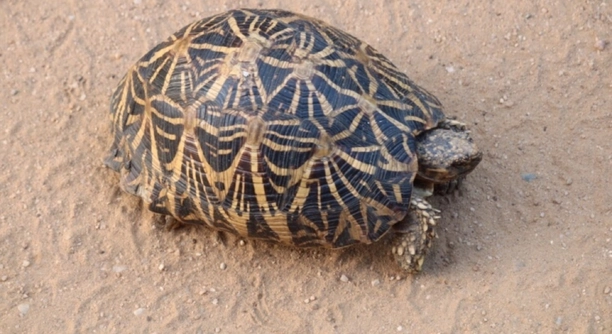
Turtles are unique pets that often engage in odd behaviors. One common action pet owners observe is their turtle rubbing its shell on the tank wall. This behavior can leave you wondering what’s going on.
Turtles rubbing their shells on the tank wall is usually a sign of stress, discomfort, or an attempt to shed. It could also indicate that the tank’s environment is not ideal, such as improper humidity or temperature.
Understanding why your turtle behaves this way can help you create a better living space. The following insights will guide you in improving your turtle’s environment and addressing any potential issues.
Possible Reasons for Shell Rubbing
When a turtle rubs its shell on the tank wall, it often points to a few possible causes. The most common reason is shedding. As turtles grow, they need to shed the outer layer of their shells. This behavior might be their way of scraping off old, dead skin or the scutes on the shell. This is normal but can be stressful if conditions aren’t right. If the tank is too dry or too warm, the turtle may rub its shell to relieve the discomfort.
Another reason could be due to an environmental factor, such as the temperature or humidity levels not being ideal. Turtles require specific conditions to feel comfortable, and if they’re off, your turtle may start rubbing to express distress.
Maintaining a proper temperature range (75-80°F for aquatic species) and humidity levels (around 70-80%) is crucial. A balanced environment helps prevent this kind of behavior and supports healthy shedding.
Stress Factors Leading to Shell Rubbing
Turtles are sensitive creatures, and they react to stress in different ways. Sometimes, a new tank setup or unfamiliar surroundings can be unsettling. In such cases, shell rubbing might be their response to feeling threatened or anxious.
Stress also arises from improper tank mates or overexposure to light. Ensure your turtle’s environment is calm and suitable for their specific needs. Understanding their behavior will help in addressing their needs and creating a more relaxed atmosphere for them.
Tank Setup and Maintenance
A poorly maintained tank is one of the main reasons turtles rub their shells. Dirty water or cluttered tank space can lead to stress. Make sure to clean the tank regularly, remove any waste, and ensure the water is fresh. Check the water temperature and make adjustments to ensure it’s within the ideal range.
In addition to keeping the water clean, pay attention to the tank’s structure. The size and arrangement of rocks, decorations, and plants can either help or hinder your turtle. Too many obstacles can cause them to rub against the walls in frustration. A simple, spacious layout with a few hiding spots will provide comfort.
Regular water changes are important to maintaining a healthy environment. Aim for a 25-30% water change every 1-2 weeks. If your turtle is rubbing more frequently, it could be a sign of poor water quality. Proper filtration will help in keeping everything in balance.
Shell Health and Shedding
Turtles naturally shed the outer layer of their shells, but improper conditions can make this process uncomfortable. If your turtle is rubbing its shell, it could be struggling with shedding. This can happen if the tank is too dry or the humidity levels are too low. Regular misting and maintaining proper humidity can help ease this process.
Sometimes, an imbalance in diet can affect shedding. Make sure your turtle’s diet includes enough calcium to keep its shell strong. If the turtle is not getting proper nutrition, the shell may become softer, making shedding more difficult and uncomfortable. Adding calcium supplements to its diet could help.
Finally, keep in mind that shedding can be more intense in younger turtles. Their shells grow quickly, and the rubbing could be part of the normal shedding process. However, it’s essential to monitor their condition and make any necessary adjustments to the environment to avoid additional stress.
Temperature and Humidity Levels
Improper temperature and humidity are common reasons turtles rub their shells. Too much heat or too little can cause them to feel discomfort. Ensure the water temperature is stable, ideally between 75-80°F for aquatic species. Humidity should be maintained at 70-80% to prevent stress.
It’s important to monitor both water and air temperatures, as turtles are sensitive to changes. Use a thermometer to track the conditions inside the tank. Adjust the water heater or mist the environment to keep everything in balance. This will help your turtle feel more comfortable and reduce unnecessary rubbing.
Tank Mate Compatibility
Turtles are often territorial, and introducing new tank mates can lead to stress, resulting in shell rubbing. If you’ve added other animals, it’s worth observing how they interact with your turtle. Territorial behavior can lead to more rubbing as a sign of discomfort.
Make sure any companions are compatible with your turtle’s temperament. If there’s tension, it might be necessary to separate them to reduce stress. Proper tank mate compatibility ensures your turtle feels secure in its environment, promoting natural behaviors rather than stress-induced actions like shell rubbing.
Health and Medical Issues
Rubbing could indicate a health problem. Shell damage, parasites, or fungal infections can cause discomfort, leading your turtle to rub against the tank wall. Regularly inspect your turtle’s shell for any cracks, lesions, or unusual growths. If you spot anything concerning, seek advice from a vet.
FAQ
Why is my turtle rubbing its shell on the tank wall?
Turtles may rub their shells on the tank wall for several reasons. The most common is shedding. They might rub their shells to remove old scutes or skin. Other factors like stress, discomfort from improper tank conditions, or health issues such as shell damage or infections can also lead to this behavior.
What can I do if my turtle is rubbing its shell too much?
If your turtle is rubbing its shell often, it’s important to assess its environment. Check the water temperature, humidity, and cleanliness of the tank. If conditions aren’t ideal, make the necessary adjustments. Also, ensure your turtle is getting a proper diet with enough calcium to support shell health. If the behavior continues, it’s best to consult a vet to rule out health problems.
Could my turtle be rubbing its shell because it’s stressed?
Yes, stress is a major factor in shell rubbing. Turtles can become stressed due to various reasons, such as new tank mates, lack of space, or poor tank conditions. Make sure the tank is large enough and that the temperature, lighting, and humidity levels are correct. If you’ve recently added other animals to the tank, monitor their interactions closely.
Is it normal for turtles to rub their shells?
Occasional shell rubbing is normal for turtles, especially if they are shedding. Turtles will rub against surfaces to remove old scutes. However, if your turtle is rubbing excessively, it could be a sign of discomfort or stress. It’s important to monitor their behavior and environment to ensure everything is healthy.
How can I tell if my turtle is shedding or just rubbing its shell?
Shedding is a natural process where turtles remove the outer layer of their shells. This usually happens in patches, and you may notice flakes or pieces of scutes in the tank. If your turtle is rubbing to shed, it’s likely to rub in a consistent and repetitive way. However, if the rubbing is more intense or linked to other signs of distress, it may point to other issues.
Can poor tank maintenance cause my turtle to rub its shell?
Yes, poor tank maintenance can lead to discomfort, prompting your turtle to rub its shell. Dirty water, inadequate filtration, or unclean surfaces can all stress your turtle out. Ensure you regularly clean the tank and change the water to maintain a healthy environment. This helps reduce the chances of shell rubbing due to poor tank conditions.
Do temperature and humidity affect a turtle’s behavior?
Temperature and humidity levels are critical for a turtle’s well-being. If the temperature is too high or too low, it can make your turtle uncomfortable and cause behaviors like shell rubbing. Turtles need specific temperature ranges (typically 75-80°F) and humidity levels (around 70-80%) to stay healthy. Make sure the tank conditions are optimal to avoid stress-related behavior.
Could my turtle have a medical condition that’s causing it to rub its shell?
Yes, health issues like shell damage, fungal infections, or parasites can lead to rubbing. Inspect your turtle’s shell regularly for signs of injury or infection. If you notice cracks, discoloration, or soft spots, it could be a sign of a medical condition that requires professional treatment. Always consult a vet if you suspect health issues.
How often do turtles shed their shells?
Turtles shed their scutes regularly throughout their lives, but the frequency can vary. Younger turtles may shed more often as they grow, while older turtles shed less frequently. Shedding can occur in small pieces or larger patches. If your turtle is rubbing its shell, it could be part of this natural shedding process.
Can different species of turtles rub their shells differently?
Yes, different species of turtles may rub their shells in slightly different ways depending on their natural behaviors and the environment they require. For example, aquatic turtles might rub their shells more frequently due to the nature of their habitat, while land turtles may do so less often. Understanding the specific needs of your turtle species will help you determine if the behavior is normal or a sign of an issue.
What should I do if I think my turtle is rubbing its shell because of an injury?
If you suspect that your turtle’s shell rubbing is due to an injury, you should inspect the shell closely. Look for cracks, dents, or discoloration. Injuries can occur from rough surfaces, accidents, or poor tank conditions. If you find any signs of injury, take your turtle to a vet immediately for proper care and treatment.
How can I prevent shell rubbing from happening?
To prevent shell rubbing, ensure that your turtle’s living environment is ideal. Regularly check and maintain proper water temperature, humidity, and cleanliness. Provide adequate space and a variety of surfaces that support healthy shedding. If the turtle seems stressed, consider removing any sources of anxiety, like incompatible tank mates or too much noise.
Is shell rubbing a sign of something serious for my turtle?
Shell rubbing can be a sign of something as simple as shedding or mild discomfort, but it can also indicate a more serious problem like a medical issue or poor living conditions. If your turtle continues to rub its shell and the behavior is accompanied by other signs of distress (such as lethargy, loss of appetite, or abnormal shell appearance), it’s important to consult a vet.
Final Thoughts
Understanding why your turtle rubs its shell on the tank wall can help you create a better environment for your pet. It’s important to remember that turtles, like all animals, have different needs and behaviors. While some rubbing is completely normal, especially during shedding, excessive rubbing may be a sign that something is wrong. By keeping a close eye on your turtle’s behavior, tank conditions, and overall health, you can ensure it lives a comfortable and happy life.
One of the most important things you can do for your turtle is to maintain the right tank conditions. Turtles are very sensitive to temperature and humidity, and even small changes can cause discomfort. Regular water changes, proper filtration, and keeping the right balance of heat and humidity are essential. If your turtle seems stressed or uncomfortable, take the time to check all these factors. Proper care and a stress-free environment will go a long way in keeping your turtle healthy and happy.
Lastly, while some amount of shell rubbing is normal, it’s crucial to watch for signs of health problems. Shell damage, infections, or parasites can also cause discomfort and lead to rubbing. Make sure your turtle is getting the right nutrition, including calcium to support shell health. If the behavior continues or seems unusual, consulting with a veterinarian can help rule out any underlying medical issues. Taking these simple steps to ensure your turtle’s well-being will help prevent unnecessary stress and create a better living environment for your pet.

Hello,
If you enjoy the content that we create, please consider saying a "Thank You!" by leaving a tip.
Every little bit helps us continue crafting quality advice that supports the health, happiness, and well-being of pets around the world, for pets of all shapes, sizes, and species.
We really appreciate the kindness and support that you show us!