
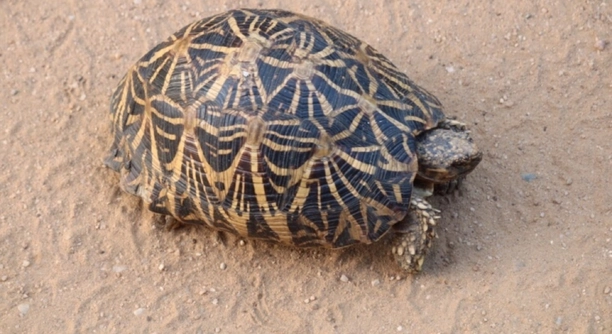
Turtles are fascinating creatures, and observing their behaviors can bring up questions. One common concern is when your turtle spends an unusual amount of time floating at the surface of the water.
A turtle floating at the surface can indicate several factors, such as buoyancy issues, improper tank conditions, or even health problems. A turtle’s natural buoyancy helps it stay at the surface, but changes in water quality or its diet may lead to abnormal floating.
Understanding why your turtle floats at the surface helps ensure its well-being. Identifying and addressing the cause can make a significant difference in your turtle’s health and comfort.
Causes of Floating in Turtles
Turtles floating at the surface can often point to several reasons. One primary cause is improper water temperature. If the water is too warm or cold, it can affect your turtle’s ability to regulate its buoyancy. Another issue could be diet. Some turtles may develop issues with their digestive system, causing them to float. Excessive gas buildup from undigested food can lead to abnormal floating. Lastly, water quality plays a significant role. If your turtle’s tank is not cleaned regularly, high levels of ammonia or other toxins can affect its buoyancy and overall health.
The temperature of the water should be within the ideal range for your species of turtle. Most turtles thrive in water temperatures between 75°F and 80°F.
In addition to water temperature, a turtle’s diet should be balanced. Overfeeding or providing the wrong types of food can cause digestive problems, leading to floating. If your turtle is floating for an extended period after eating, this may be a sign of bloating or gastrointestinal discomfort. To help with digestion, ensure you’re feeding your turtle a varied diet, including protein, vegetables, and occasional fruits. Keeping the water clean and free of excess waste is also important. Regularly change the water and use a filter to maintain water quality. If your turtle continues to float despite these measures, a visit to a veterinarian may be necessary to rule out any underlying health issues.
How to Address Floating
If you notice your turtle consistently floating, there are steps you can take. Start by adjusting the water temperature and ensuring it’s within the appropriate range.
Keeping your turtle’s tank clean is another essential step. Regular water changes and filtration help maintain a healthy environment. Additionally, monitor your turtle’s diet to avoid overfeeding or giving foods that can upset its digestion.
Water Quality and Its Effect on Floating
Poor water quality can lead to floating in turtles. Toxins and waste in the water can cause your turtle to behave abnormally.
Ammonia buildup from waste and uneaten food is a major concern. If not cleaned regularly, it can affect your turtle’s buoyancy. Make sure to check the water’s pH levels and maintain a healthy filtration system. In addition, perform water changes every week to avoid any toxic buildup that might affect your turtle.
A good water filtration system is key to keeping the water clean. It helps remove waste particles, chemicals, and toxins that could cause issues. Regular water testing also ensures you’re aware of any harmful changes in the tank environment. Healthy water means a healthier turtle.
Tank Setup and Its Role
The setup of your turtle’s tank can directly impact its floating behavior. Tank size and decorations can influence your turtle’s ability to float.
Ensure that the tank is large enough for your turtle to move freely. If it’s too small, your turtle might struggle to maintain proper buoyancy. Avoid overcrowding the tank with decorations that can restrict movement. The water should be deep enough for your turtle to submerge fully and still have space to swim comfortably.
It’s also important to consider the tank’s substrate. While some prefer gravel or sand, a clean surface without sharp edges is safer for your turtle. Smooth surfaces prevent injury and help maintain the health of your turtle’s shell. By providing a suitable environment, you can reduce stress and encourage natural behavior.
Diet and Digestive Health
What your turtle eats directly affects its buoyancy. A poor diet can lead to digestive issues, which may cause floating.
Feeding your turtle a varied diet helps prevent such problems. Too much high-fat food can lead to gas buildup in the stomach. Stick to a mix of vegetables, protein, and occasional fruit to maintain balance.
Overfeeding is another common issue. Excessive food can disrupt digestion, leading to bloating and floating. A proper feeding schedule and portion control will help maintain your turtle’s digestive health. Make sure you’re not overloading your turtle’s diet with unnecessary foods like processed items.
Health Concerns
Floating can also be a sign of underlying health issues in your turtle. Illnesses like respiratory infections or internal parasites can cause buoyancy problems.
If floating persists despite addressing the environment and diet, it could signal an infection or other health condition. Respiratory infections often affect buoyancy, as turtles with breathing problems may float more. Keep an eye out for other signs, such as lethargy, lack of appetite, or unusual shell behavior.
Regular veterinary checkups can help catch these issues early. A vet can diagnose any internal health problems and suggest the best treatment to restore your turtle’s health.
FAQ
Why is my turtle floating at the surface all the time?
Floating can happen for several reasons. It could be due to improper water temperature, poor diet, or water quality. Turtles need proper environmental conditions to regulate their buoyancy. Check your tank setup, the water temperature, and your turtle’s diet to ensure they’re in good health.
Can I fix floating by changing the water?
Yes, changing the water is a good first step. Dirty water can affect your turtle’s buoyancy, so a water change is necessary. Make sure to clean the tank regularly to prevent any harmful build-up of toxins or waste. Water changes also help maintain the overall health of your turtle.
Is floating a sign that my turtle is sick?
Floating can sometimes signal illness, especially if your turtle continues to float despite changes in its environment. Respiratory infections and internal parasites can cause abnormal buoyancy. If the floating persists and you notice other symptoms like lethargy or loss of appetite, consider taking your turtle to the vet.
How can I prevent floating in the future?
To prevent future floating, ensure your turtle has a proper tank setup, healthy diet, and clean water. Maintain the ideal water temperature, provide enough space for your turtle to move freely, and offer a balanced diet. Regular tank maintenance will also keep your turtle comfortable and healthy.
Should I be concerned if my turtle floats occasionally?
Occasional floating is normal for some turtles, especially after eating or resting. However, if your turtle floats constantly or shows signs of discomfort, it’s worth investigating further. Ensure that all aspects of the tank environment, diet, and health are in check.
Can floating mean my turtle is overfed?
Yes, overfeeding can contribute to floating. Too much food, especially high-fat foods, can cause bloating and digestive issues. This can lead to your turtle floating due to excessive gas buildup. Stick to a proper feeding schedule and monitor portion sizes to avoid this issue.
Do all turtles float at the surface?
Not all turtles float at the surface all the time. Some species of turtles are naturally buoyant, while others prefer to stay submerged. Floating may occur from time to time, but constant floating could signal an issue with the water, diet, or health.
Can a turtle’s shell cause it to float?
A turtle’s shell doesn’t directly cause it to float. However, if there’s an issue with its shell, such as injury or disease, it can affect the turtle’s buoyancy. For example, shell rot or other deformities may cause discomfort or affect how the turtle maintains itself in the water.
How do I know if my turtle is suffering from digestive issues?
Signs of digestive problems in turtles include floating, lethargy, loss of appetite, and difficulty swimming. If your turtle seems to be floating more than usual or has trouble diving, this could indicate digestive problems, which may require a change in diet or professional care.
Can water temperature affect floating in turtles?
Yes, improper water temperature can affect floating. If the water is too warm or cold, it can cause your turtle to float. Different species of turtles have specific temperature requirements, so it’s essential to keep the water in the right range to ensure proper buoyancy and overall health.
What is the ideal water temperature for my turtle?
Most turtles thrive in water temperatures between 75°F and 80°F. However, the exact range can vary depending on the species. Research the specific needs of your turtle to ensure the water temperature is suitable for their health and comfort.
How often should I change the water in my turtle’s tank?
Water should be changed every week to ensure cleanliness and maintain good water quality. Depending on the size of the tank and the number of turtles, you may need to change the water more frequently. Regular water changes help prevent the build-up of toxins and waste that could affect your turtle’s health.
Can a filter help prevent floating in my turtle’s tank?
Yes, a filter helps maintain water quality by removing waste and harmful substances. A clean tank is essential for your turtle’s buoyancy and overall health. Make sure the filter is appropriate for the size of your tank, and clean it regularly to keep it functioning well.
What should I do if my turtle is floating constantly?
If your turtle is floating constantly, first check the tank’s water temperature and quality. Adjust the conditions and monitor your turtle’s diet. If the issue persists and your turtle shows signs of illness, consider consulting a vet to rule out health problems.
Can water plants or decorations cause floating?
Water plants and decorations, if not properly maintained, can contribute to poor water quality, which may lead to floating. Overgrown plants or debris can block filtration and increase toxin levels. Ensure the tank is cleaned regularly and that decorations don’t interfere with water flow or space.
How can I tell if my turtle is under stress?
Signs of stress in turtles include floating, lethargy, lack of appetite, and abnormal swimming behavior. Stress can be caused by improper tank conditions, diet, or handling. Make sure your turtle has a comfortable environment and is not being disturbed excessively.
Is it normal for baby turtles to float?
It’s normal for baby turtles to float occasionally. They are still developing their swimming abilities and may spend more time near the surface. However, consistent floating or difficulty diving could indicate a problem with their tank conditions or health.
Can I reduce floating by adjusting my turtle’s diet?
Yes, adjusting your turtle’s diet can help prevent floating caused by digestive issues. Avoid feeding high-fat foods, and instead offer a variety of vegetables, protein, and occasional fruits. A balanced diet will keep your turtle’s digestive system healthy and prevent excess gas buildup.
What if my turtle floats after eating?
Floating after eating is common, especially if the meal was large or rich in protein. Give your turtle time to digest. If it continues floating for long periods after meals, you might need to adjust the types of food you’re offering.
Are certain turtle species more likely to float than others?
Some species are naturally more buoyant than others. Aquatic turtles like red-eared sliders may spend more time near the surface, while other species prefer to stay submerged. If floating becomes excessive or abnormal, look at other factors such as tank conditions or health.
Final Thoughts
Understanding why your turtle is floating at the surface is essential for providing the best care for your pet. It’s important to first consider the environmental factors in the tank, including water temperature, cleanliness, and filtration. An unclean tank or inappropriate water temperature can cause discomfort or affect your turtle’s buoyancy. Regular maintenance of the tank, including water changes and proper filtration, helps ensure your turtle stays healthy and happy. In addition, maintaining the right habitat and environment is key to preventing unnecessary stress on your turtle, which can lead to floating.
Another crucial aspect is your turtle’s diet. Overfeeding or feeding inappropriate food can result in bloating and digestive issues, leading to floating. A proper diet is essential to your turtle’s overall health and can prevent floating caused by internal problems. Be mindful of portion sizes and the type of food you provide to avoid excessive fat or indigestible substances. Providing a balanced diet with the right mix of protein, vegetables, and occasional treats will help your turtle maintain a healthy weight and avoid issues that could affect buoyancy.
If you have ruled out environmental and dietary factors, it’s important to monitor your turtle’s behavior. Occasional floating is normal, but consistent or extreme floating, particularly with other signs of distress like lethargy or loss of appetite, could indicate an underlying health issue. In such cases, it’s best to seek advice from a veterinarian who specializes in reptiles. A vet can assess whether your turtle’s floating is due to a medical condition and recommend appropriate treatment. Regular check-ups can help prevent health problems from becoming severe and ensure your turtle continues to thrive.

Hello,
If you enjoy the content that we create, please consider saying a "Thank You!" by leaving a tip.
Every little bit helps us continue crafting quality advice that supports the health, happiness, and well-being of pets around the world, for pets of all shapes, sizes, and species.
We really appreciate the kindness and support that you show us!