
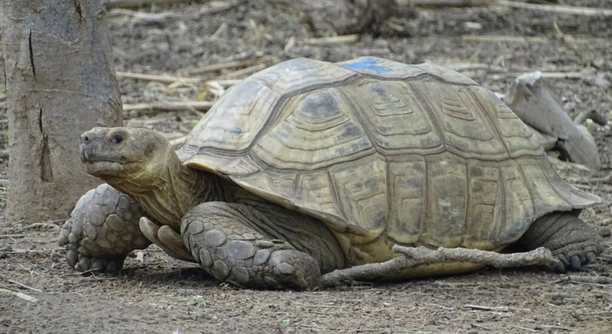
Tortoises can develop peeling shells for a variety of reasons, some of which are natural, while others may signal health concerns. It’s essential to understand why this happens in order to provide proper care.
The peeling of a tortoise’s shell can result from factors such as shedding, poor diet, dehydration, fungal infections, or environmental stress. While some causes are normal, others may require attention from a veterinarian to prevent further health issues.
Identifying the cause behind the peeling is crucial for your tortoise’s well-being. Understanding the issue will help ensure their proper care and recovery.
Shedding: A Natural Process for Tortoises
Tortoises shed their shells as part of their natural growth process. As they age, their shells grow larger, and the old, outer layer gradually peels away to make space for new growth. This process is usually slow and not painful. If your tortoise’s shell is peeling in a controlled manner, it’s a sign of healthy growth. However, if the peeling is excessive or irregular, it may indicate other issues.
Shedding can be more noticeable during warmer months, as tortoises tend to be more active. The outer layers of the shell may appear flaky or cracked, but this is typical in younger tortoises. As they grow, they shed the old layers more frequently to accommodate the new, stronger layers of their shell.
Ensure your tortoise is kept in an environment with proper humidity and temperature to support the natural shedding process. Improper conditions, like excessive dryness or sudden temperature changes, may cause issues with shedding and shell health.
Diet and Nutrition Impact
A balanced diet plays a significant role in maintaining a healthy shell. Tortoises need a mix of high-fiber vegetables, fruits, and occasional protein. Poor nutrition can lead to soft or weak shells, making them more prone to peeling or cracking. A lack of calcium in their diet can also affect shell development.
Tortoises need adequate calcium to keep their shells strong and healthy. If their diet lacks this essential nutrient, they may experience shell deformities, including peeling. Dusting their food with a calcium supplement can help maintain shell integrity and promote healthy growth. Regular access to sunlight or UVB lighting also helps with calcium absorption, contributing to overall shell health.
It’s important to ensure your tortoise receives the right variety of nutrients to keep their shell and overall health in good condition. Regularly assess their food intake and adjust their diet as needed to support a healthy and durable shell.
Dehydration: A Risk for Shell Health
Dehydration is another factor that can cause a tortoise’s shell to peel. When tortoises don’t drink enough water, their bodies start to dry out, leading to shell issues. Dehydrated tortoises may show signs of lethargy or have difficulty moving around. The shell may become dry, cracked, and flaky, making it more vulnerable to peeling.
Make sure your tortoise has constant access to fresh water. Hydration is essential for maintaining a healthy shell. If you notice signs of dehydration, such as a sunken appearance or lethargy, it’s important to address it quickly. Increase their water intake by soaking them in warm water for about 20-30 minutes. This helps them absorb water and rehydrate.
Hydration is not just about water; humidity levels in their habitat matter too. Ensure the enclosure has proper humidity to maintain a comfortable and healthy environment for your tortoise. Regular hydration and a suitable habitat can prevent dehydration-related shell peeling and keep your tortoise in better health.
Fungal Infections
Fungal infections can also lead to peeling on a tortoise’s shell. These infections typically thrive in moist, warm environments. A tortoise’s shell may become discolored, soft, and flaky when infected. Infected areas may appear white, yellow, or gray, and the peeling will usually be uneven.
Fungal infections may be caused by poor enclosure hygiene or excessive moisture in their habitat. To prevent such infections, make sure to clean the tortoise’s habitat regularly and provide a dry area for them to rest. If you notice any unusual symptoms or persistent peeling, consulting a veterinarian is important for proper diagnosis and treatment.
Infected tortoises will need antifungal treatment prescribed by a vet. Treatment often involves topical antifungal creams or medications that target the specific fungus. Additionally, keeping their habitat dry and clean will help prevent future fungal growth, allowing the tortoise’s shell to heal properly and return to normal health. Regular health check-ups can help detect fungal infections early.
Stress and Environmental Factors
Environmental stress can cause your tortoise’s shell to peel. Changes in temperature, lighting, or habitat can make your tortoise anxious. Poor living conditions may lead to weak shell growth, causing it to peel.
Tortoises are sensitive to their surroundings, and significant environmental changes, such as relocation, can create stress. This stress can weaken their immune system, making them more prone to issues like peeling shells. It’s essential to maintain a consistent and stable habitat with proper lighting, humidity, and temperature levels.
Providing an environment that mimics their natural habitat will help minimize stress and support healthy shell growth. If your tortoise is stressed, try to limit disturbances and ensure that their space remains calm and secure.
Improper Lighting
Tortoises require UVB light to synthesize vitamin D3 and absorb calcium effectively. Without proper lighting, their shells may not develop correctly, and they may experience peeling or softening. Lack of UVB can weaken the shell over time.
UVB light helps in the proper metabolism of calcium. If tortoises do not get enough exposure to UVB rays, their calcium levels drop, and their shells can become fragile. It’s essential to use a high-quality UVB light to simulate natural sunlight. Ensure the light is positioned correctly in the enclosure, as it needs to cover the tortoise’s basking area.
In addition to UVB light, exposure to natural sunlight, when possible, can further improve their shell health. Just be mindful of the duration and intensity of sunlight to avoid overheating or sunburn. Proper lighting is vital in supporting strong and healthy shell growth for your tortoise.
Poor Habitat Hygiene
Poor habitat hygiene can contribute to shell issues, including peeling. If the living space is not regularly cleaned, bacteria, fungi, and parasites may thrive, leading to infections that affect the tortoise’s shell.
Cleaning the enclosure regularly helps reduce the risk of infections and other health issues. Soiled bedding, uneaten food, and water should be removed to maintain a clean environment. Also, disinfecting surfaces can prevent the growth of harmful organisms. Keeping the habitat dry and ventilated will minimize the chances of fungal infections.
Additionally, providing a clean and safe area for your tortoise to roam will promote better overall health. Regularly checking the habitat for cleanliness and addressing any issues promptly can go a long way in preventing shell problems and ensuring your tortoise’s well-being.
Injury or Trauma
Injury or trauma can also cause a tortoise’s shell to peel. If your tortoise experiences a fall, bump, or injury, the outer layers of the shell may become damaged or peel as part of the healing process.
If the peeling is localized around the area of injury, it’s likely part of the recovery. The shell may form new layers over time. However, if there’s swelling, bleeding, or excessive peeling, it could indicate a more serious problem that requires attention from a veterinarian.
Make sure to carefully monitor your tortoise for any signs of pain or distress. Providing a calm, secure space will help avoid further injury. If the injury appears severe, consult a vet immediately.
Vitamin Deficiency
A lack of essential vitamins, such as vitamin A or vitamin D, can cause peeling or softening of the shell. Deficiencies in these nutrients can weaken the tortoise’s immune system and overall health.
Vitamin A supports healthy skin and shell growth, while vitamin D helps the tortoise absorb calcium. When these vitamins are lacking, the shell may show signs of peeling or cracking. Supplementing their diet with foods rich in these vitamins or using supplements can improve their health. Always ensure your tortoise has access to a varied diet of vegetables, fruits, and other nutrients.
Addressing any vitamin deficiencies early is important for the overall health of your tortoise. This can prevent further issues and ensure the shell remains strong and intact.
Shell Rot
Shell rot is a bacterial or fungal infection that can lead to peeling of the shell. It is typically caused by poor living conditions or injury that allows harmful microorganisms to enter the shell.
If you notice soft or discolored areas on the shell, it may indicate shell rot. These spots might appear as darkened, moist areas that can eventually cause the shell to break down. To treat shell rot, a veterinarian will usually prescribe antibiotics or antifungal medications. Keeping the tortoise’s habitat clean and dry can help prevent this condition.
If left untreated, shell rot can severely damage the shell and affect the tortoise’s overall health. Early detection and treatment are essential in preventing long-term damage.
FAQ
What is the normal peeling of a tortoise shell?
A small amount of peeling is normal for tortoises, especially as they grow. As they mature, they shed the outer layers of their shells in a process similar to molting. This peeling is usually gradual and not cause for concern. However, if the peeling is excessive or occurs with other signs of illness, it could indicate a problem.
How can I prevent my tortoise’s shell from peeling?
Preventing excessive peeling involves providing the right living conditions. Ensure your tortoise has a proper diet rich in vitamins and minerals, especially calcium and vitamin D. UVB lighting is essential for their shell health, as it helps them absorb calcium. Additionally, keeping their habitat clean and stress-free reduces the chances of shell problems.
When should I be concerned about my tortoise’s peeling shell?
If the peeling is severe, discolored, or accompanied by other symptoms like swelling, discharge, or discomfort, it may be time to seek veterinary advice. Peeling associated with injury or infections should not be ignored. Any sudden or drastic changes in the shell’s appearance should be checked by a professional.
Can stress cause peeling of a tortoise’s shell?
Yes, stress can cause peeling. Tortoises are sensitive creatures, and stress can weaken their immune system, making them more prone to shell issues. Environmental changes, lack of proper hiding spots, or overcrowding can all contribute to stress. Maintaining a stable, secure environment is key to preventing stress-induced shell problems.
How do I treat shell rot in my tortoise?
If your tortoise has shell rot, a visit to the vet is necessary. Shell rot is typically treated with antibiotics or antifungal medications, depending on the type of infection. Keeping the affected area dry and clean is important during treatment. Avoid handling the tortoise too much to reduce stress during the healing process.
Can improper diet lead to shell peeling in tortoises?
Yes, a poor diet can contribute to shell peeling. Tortoises require a balanced diet with the right amounts of calcium, vitamins, and other nutrients to keep their shells healthy. Calcium deficiency is a common cause of weak, peeling shells. A proper diet includes dark leafy greens, and occasional fruit, and a source of UVB light to support vitamin D synthesis.
How can I improve my tortoise’s shell health?
Improving your tortoise’s shell health starts with a balanced diet, proper lighting, and a clean, stress-free habitat. Offer fresh vegetables and leafy greens, ensure the right amount of calcium and vitamin D, and use UVB light for at least 12 hours a day. Regular cleaning of their enclosure prevents bacterial or fungal growth.
What are some signs that my tortoise’s shell is in danger?
Signs of shell distress include unusual peeling, discoloration, soft spots, or holes. If the shell is breaking down, becomes mushy, or starts smelling bad, it’s an indication of an infection like shell rot. In such cases, immediate veterinary care is needed to prevent further damage.
Does my tortoise need supplements for its shell?
Supplements may be necessary if your tortoise’s diet lacks essential nutrients like calcium or vitamin D. Offering a high-quality calcium supplement can support shell health, especially if natural sunlight or UVB light is insufficient. Be sure to follow dosage instructions to avoid over-supplementation.
How often should I clean my tortoise’s enclosure?
Cleaning your tortoise’s enclosure weekly is recommended to ensure it stays free from harmful bacteria and fungi. Spot-cleaning daily can help maintain hygiene by removing uneaten food, waste, and soiled bedding. Disinfecting the entire enclosure once a month is also a good practice to prevent infections.
Can a tortoise’s shell heal after it starts peeling?
Yes, if the peeling is a normal process of growth, the shell should heal naturally as long as proper care is given. However, if the peeling is due to injury or infection, the healing process will depend on the severity of the damage. In these cases, veterinary intervention may be necessary.
How can I ensure my tortoise is getting enough UVB light?
To ensure your tortoise is getting enough UVB light, provide a UVB bulb designed for reptiles. Place the bulb within 12 inches of the basking area and ensure it is turned on for 10-12 hours each day. Replace the UVB bulb every 6-12 months, as its effectiveness diminishes over time.
Is it safe for my tortoise to have outdoor sun exposure?
Yes, outdoor sun exposure is beneficial for your tortoise as long as it’s done safely. Ensure they are supervised while outside to prevent overheating or exposure to predators. Gradually introduce them to outdoor sunbathing to allow them to acclimate. Always provide access to shade and water during outdoor time.
Should I worry about my tortoise’s peeling shell if it has no other symptoms?
If the peeling is mild and there are no other concerning symptoms such as discomfort, swelling, or discharge, it’s likely part of the natural growth process. However, it’s still important to monitor the situation regularly to ensure no further issues arise.
Final Thoughts
Peeling of a tortoise’s shell is often a normal part of its growth, especially in younger tortoises. As they grow, they shed the outer layers of their shell, which can sometimes appear as peeling. In these cases, this process is usually harmless. However, it’s important to differentiate between normal shedding and signs of potential health issues. Keeping an eye on the overall condition of your tortoise’s shell and behavior will help you determine if further action is needed.
If you notice any excessive peeling, discoloration, or other symptoms such as swelling or foul odor, it could indicate an underlying issue like vitamin deficiency, injury, or shell rot. These conditions require attention and may involve changes in diet, habitat adjustments, or even veterinary care. Early detection of these issues is key to preventing long-term damage and ensuring your tortoise’s well-being. Providing a balanced diet with the right vitamins and minerals is essential for strong, healthy shell growth.
In conclusion, the health of a tortoise’s shell is closely tied to its overall environment and care. By providing proper nutrition, maintaining clean living conditions, and managing stress, you can help prevent many of the issues that lead to shell peeling. Always be proactive in monitoring your tortoise’s health, as any significant changes in its appearance or behavior may signal the need for medical attention. By staying informed and observant, you can help ensure your tortoise leads a healthy and comfortable life.

Hello,
If you enjoy the content that we create, please consider saying a "Thank You!" by leaving a tip.
Every little bit helps us continue crafting quality advice that supports the health, happiness, and well-being of pets around the world, for pets of all shapes, sizes, and species.
We really appreciate the kindness and support that you show us!