
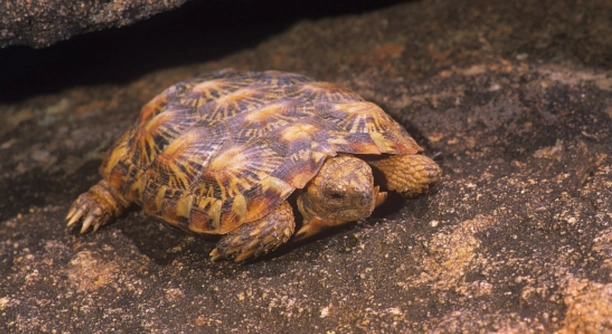
It is common to notice that your tortoise is sleeping more than usual. While this behavior may seem concerning, it can be linked to a variety of factors. Understanding these causes can help you manage your pet’s health better.
There are several reasons why your tortoise may be sleeping more than usual, including changes in temperature, diet, or health. Environmental stress, hibernation tendencies, and underlying illnesses can also affect their activity levels. It’s important to monitor their behavior closely.
Managing your tortoise’s well-being is crucial for their long-term health. Exploring these causes can help prevent future issues and ensure your tortoise remains healthy and active.
Changes in Temperature
One of the most common reasons your tortoise might be sleeping more is a shift in temperature. Tortoises are cold-blooded animals, which means their activity levels depend heavily on the environment. If the temperature in their habitat drops, they may naturally become less active to conserve energy. This is especially true if they are housed outdoors and the weather changes with the seasons.
If you notice your tortoise sleeping more, check the temperature in their enclosure. A consistent temperature range is important for their health. You can use heat lamps or a basking area to help regulate the warmth. Avoid letting the temperature fall below what’s appropriate for your specific tortoise species.
Providing proper warmth is crucial for their digestive and metabolic functions. Without enough heat, their body can slow down, leading to more rest. Keep their environment comfortable and monitor their behavior for any further signs of stress or illness.
Diet and Nutrition
Your tortoise’s diet can also impact its activity levels. If they aren’t getting enough food, or the right type, they might become lethargic. A lack of essential nutrients can cause weakness, making them more likely to rest. In addition, improper food can lead to digestive issues that might result in them sleeping more.
Make sure your tortoise’s diet includes fresh vegetables, greens, and occasional fruits, depending on their species. A well-balanced diet supports healthy digestion and helps maintain energy levels. Avoid overfeeding them on high-calcium or high-protein foods, as these can lead to other health problems.
Providing a proper diet that suits your tortoise’s needs will ensure they stay active and healthy. Keep their food varied and rich in nutrients to support their energy levels.
Stress and Environmental Changes
Changes in the environment can stress your tortoise, causing them to sleep more than usual. This includes things like moving to a new home or a change in their living space. Tortoises are creatures of habit, and disruptions can make them feel unsafe.
When your tortoise faces environmental stress, they may retreat into their shell and rest longer. Ensure their living space remains stable and free from sudden loud noises or unfamiliar animals. A consistent, safe environment will help reduce their stress levels, encouraging them to stay active and engaged.
If your tortoise is sleeping more after a move or change in their habitat, give them time to adjust. Creating a quiet, familiar space will help them feel secure again. Over time, they should return to their normal behavior once they’ve acclimated to the changes.
Hibernation or Brumation
Some tortoises, depending on their species, enter a period of hibernation or brumation when the temperature drops. This natural instinct can cause them to sleep more than usual for weeks or even months. This is common for species in temperate climates.
During hibernation or brumation, a tortoise’s metabolic rate slows down significantly. They may become less active or sleep constantly as their body conserves energy. The cooler temperatures often signal to their body that it’s time to rest, and their natural instincts take over.
It’s important to know if your tortoise is going through this seasonal rest phase. If they are, make sure they are housed in a cool but safe area where they can rest without disturbance. Ensure they have access to fresh water and food when they wake.
Illness or Injury
If your tortoise is sleeping more than usual, it could be due to an illness or injury. Just like any pet, tortoises may hide signs of discomfort, so the change in behavior could indicate something isn’t quite right.
Look for other signs of illness, such as lack of appetite, watery eyes, or abnormal shell appearance. Any change in behavior, like excessive sleep or lethargy, can be an indication that your tortoise is in pain or unwell. If you suspect illness or injury, it’s important to consult with a veterinarian as soon as possible.
Overfeeding
Overfeeding can lead to a tortoise sleeping more due to digestive discomfort or sluggishness. While it’s tempting to spoil them with treats, too much food can cause them to become inactive.
Feeding your tortoise in moderation ensures they stay healthy and active. Make sure their diet is balanced, with the right proportions of protein, fiber, and calcium. Avoid overfeeding them on fruits or high-fat foods, which can cause weight gain and lethargy. Keep portions appropriate to their size and activity level.
Age and Growth Stages
Older tortoises or those undergoing a growth spurt may sleep more as part of their natural development. As they age or grow, their energy requirements can shift, leading to longer resting periods.
For young tortoises, growth can be a tiring process, and for older ones, slower metabolism can lead to more rest. Monitoring their diet and ensuring they get proper care during these stages can help maintain their health. Regular check-ups with a vet can help you track their progress and ensure they’re growing or aging properly.
FAQ
Why is my tortoise sleeping more than usual?
There are many reasons why your tortoise might be sleeping more. Changes in temperature, diet, environmental stress, illness, or injury can all contribute. Additionally, species-specific behaviors, like hibernation, may lead to periods of increased sleep. Keeping a close eye on their environment and health is essential for understanding the cause.
Should I worry if my tortoise is sleeping a lot?
If your tortoise is sleeping more than usual, it’s not always a reason to worry. Tortoises are known for their long resting periods, especially during colder months. However, if the sleep is excessive or accompanied by other symptoms like weight loss or lack of appetite, it could indicate an underlying health issue. A visit to the vet can help rule out any serious concerns.
How can I tell if my tortoise is sick?
Signs of illness in a tortoise can be subtle. Look for symptoms like swollen eyes, abnormal shell color, excessive mucus around the mouth, or limping. Lethargy, changes in appetite, and diarrhea are also warning signs. If any of these occur, it’s best to consult a vet who specializes in reptiles.
Can my tortoise sleep too much?
While tortoises do sleep a lot, there is such a thing as sleeping too much. If your tortoise is sleeping constantly, even during the day when it should be active, it could be a sign of illness or improper environmental conditions. Make sure their habitat is at the right temperature and that they are eating a balanced diet.
How do I know if my tortoise is going into hibernation?
If your tortoise begins to sleep more as the temperature drops, it may be entering hibernation or brumation. Tortoises slow down their metabolism during these colder months and will sleep for extended periods. Make sure they are in a cool but safe place where they won’t be disturbed. You should not try to wake them, but keep track of their hydration.
Is it safe to wake my tortoise if it’s in brumation?
It’s generally not recommended to wake a tortoise from brumation unless absolutely necessary. Waking them can disrupt the natural cycle, which can be stressful and unhealthy. If you are concerned, monitor their hydration levels and temperature, but avoid disturbing them unless there is an emergency or health issue.
Can my tortoise be too cold?
Yes, tortoises are highly sensitive to temperature. If the environment is too cold, they may become lethargic or even enter a state of dormancy. Ensure their enclosure maintains the correct temperature range for their species. Using a heat lamp or heating pad can help regulate the warmth, especially during colder seasons.
What is the best temperature for my tortoise?
The ideal temperature for your tortoise depends on the species. In general, tortoises need a basking area with temperatures between 90-95°F (32-35°C) and a cooler area around 70-75°F (21-24°C). Maintaining a consistent temperature within this range helps keep your tortoise active and healthy.
What should I feed my tortoise to prevent lethargy?
A balanced diet is key to preventing lethargy. Offer a variety of fresh vegetables, greens, and occasional fruits based on your tortoise’s species. Avoid high-protein or high-fat foods, as these can cause weight gain and inactivity. Make sure your tortoise gets enough calcium and fiber to maintain healthy digestion.
Can overfeeding cause my tortoise to sleep more?
Yes, overfeeding can lead to lethargy in tortoises. Too much food, especially high-calcium or fatty foods, can cause your tortoise to become sluggish. It’s important to feed them the appropriate portions for their size and activity level. Avoid offering treats too often, and focus on providing a balanced diet.
What are the signs that my tortoise is stressed?
Signs of stress in tortoises can include excessive hiding, sleeping more than usual, or refusal to eat. Environmental factors such as temperature fluctuations, loud noises, or the presence of other animals can contribute to stress. Monitor their behavior and make adjustments to their habitat to reduce stressors.
Is it normal for my tortoise to sleep during the day?
Tortoises are generally diurnal, meaning they are active during the day. However, if the environment is too hot or cold, they may sleep during the day to conserve energy. Ensure their habitat is properly regulated for temperature and humidity, so they can maintain a healthy activity cycle.
Final Thoughts
It’s important to monitor your tortoise closely if you notice a change in its sleeping patterns. While some level of increased sleep is normal, especially during cooler months or as they age, any significant or sudden change in behavior should be taken seriously. If your tortoise begins to sleep excessively or shows other signs of illness, such as a lack of appetite, changes in its shell, or unusual discharge, it could be a sign that something is wrong. In such cases, seeking veterinary advice is crucial to ensure that your tortoise is healthy and getting the care it needs.
Understanding your tortoise’s environment plays a major role in its health and behavior. Factors like temperature, lighting, and humidity levels are essential for maintaining your pet’s energy levels. For instance, if the temperature in their habitat is too low, they may sleep more as their body slows down to conserve energy. On the other hand, if it is too warm, they may become more lethargic and inactive. Regularly checking these factors will help maintain an ideal environment that supports your tortoise’s well-being. Additionally, providing a balanced diet that meets their specific nutritional needs is just as important as keeping the right environment.
Ultimately, being a responsible tortoise owner means understanding the natural rhythms of your pet’s behavior. Some tortoises naturally sleep more at certain times of the year, while others may be more active depending on their age or species. By staying aware of these behaviors, adjusting their living conditions, and offering the appropriate care, you can ensure that your tortoise remains happy and healthy. If you’re ever uncertain about whether their sleeping patterns are normal, don’t hesitate to consult a veterinarian who specializes in reptiles. Their guidance will help keep your tortoise comfortable and safe.

Hello,
If you enjoy the content that we create, please consider saying a "Thank You!" by leaving a tip.
Every little bit helps us continue crafting quality advice that supports the health, happiness, and well-being of pets around the world, for pets of all shapes, sizes, and species.
We really appreciate the kindness and support that you show us!