
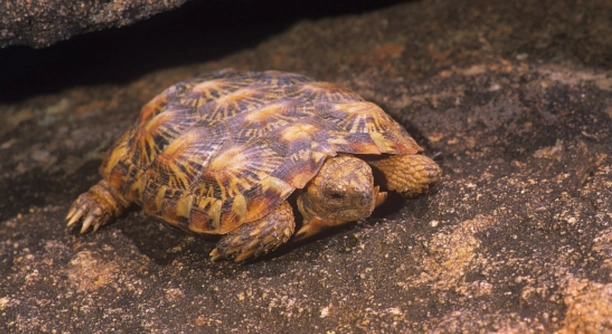
Tortoises are fascinating creatures, but their behavior can sometimes leave us wondering. If you notice your tortoise scratching the walls of its enclosure, it’s important to understand what might be causing this.
Tortoises may scratch the walls of their enclosures for various reasons, including stress, boredom, a need for more space, or attempts to escape. It’s crucial to assess their environment and overall well-being to address the issue properly.
This behavior could be a sign that something isn’t quite right with your tortoise’s habitat. Identifying the root cause can improve their quality of life and prevent further stress.
Stress or Anxiety
Tortoises are sensitive animals, and stress can often manifest in behaviors like wall scratching. Changes in their environment, such as loud noises, new animals, or even a change in routine, can make them anxious. This behavior is their way of expressing distress. They may scratch to try to escape what they perceive as an uncomfortable situation.
Stress may also occur if they feel threatened by other pets or too much human interaction. Tortoises prefer calm, quiet spaces where they can retreat into their shells when they feel unsafe. Over time, this stress can affect their health and well-being.
To minimize stress, create a quiet, safe space for your tortoise. Make sure the enclosure is placed in a calm area of the house where loud sounds or movements are minimal. Keep your tortoise’s routine consistent, and be mindful of how much time you spend interacting with it.
Lack of Space
If your tortoise’s enclosure is too small, it will feel restricted and uncomfortable. Tortoises need space to move around and explore, and if their enclosure doesn’t provide that, they may resort to scratching the walls. This behavior is an attempt to escape or to get more room to roam.
Providing the right amount of space is essential for your tortoise’s health and happiness. The general rule is that the enclosure should be at least 4 to 6 times the length of the tortoise. Inadequate space not only stresses the animal but can also lead to physical issues over time. If your tortoise is scratching the walls constantly, it could be a sign they are feeling cramped.
Consider upgrading their living space. A larger enclosure will give your tortoise more freedom to move around, find food, and dig, all of which are important for their well-being. This adjustment will make a significant difference in their behavior.
Exploration and Curiosity
Tortoises are naturally curious creatures and enjoy exploring their surroundings. Scratching the walls could simply be their way of trying to explore beyond their current space. They might have seen something on the other side and are trying to get closer to it.
This behavior is often linked to their instinctual desire to roam and find food. In the wild, tortoises travel long distances to find food sources and shelter. When in captivity, they may try to mimic this behavior by attempting to escape their enclosures. It’s important to understand that scratching could be a sign of their natural curiosity at play.
Providing items like rocks, plants, or tunnels can help satisfy their exploration needs. Adding variety to their environment keeps them engaged and mentally stimulated, making them less likely to scratch out of boredom or curiosity.
Temperature and Lighting Issues
Improper heating and lighting in a tortoise’s enclosure can lead to discomfort, which may trigger wall scratching. Tortoises are cold-blooded, meaning they rely on external sources of heat to regulate their body temperature. If their enclosure is too cold or too hot, they may feel unsettled.
Proper UVB lighting is crucial for their overall health, as it helps them metabolize calcium and maintain a strong shell. Without proper heat and light, your tortoise may become lethargic or anxious, leading to abnormal behaviors like scratching.
To avoid these problems, ensure that your tortoise has access to both a warm basking area and a cooler side of the enclosure. A temperature gradient is necessary to allow your tortoise to regulate its body temperature naturally. UVB lighting should be used to simulate natural sunlight, and regular temperature checks will keep your tortoise comfortable and healthy.
Boredom and Lack of Stimulation
Tortoises need mental and physical stimulation to stay happy. When kept in a monotonous environment with little to do, they can become frustrated. This frustration often leads to wall scratching as they try to create a sense of movement and activity.
To avoid this, consider adding enriching elements to the enclosure. Tortoises enjoy climbing over rocks, hiding in tunnels, or digging in soil. Changing up their environment by rearranging items or adding new ones can also keep them engaged. A more dynamic environment helps prevent boredom, making the tortoise less likely to scratch out of frustration.
You can also provide food puzzles or scatter their meals around the enclosure, encouraging them to forage and engage with their surroundings. Keeping their environment interesting and stimulating is essential for their mental health. Without these changes, your tortoise may begin to scratch the walls simply out of boredom, signaling that they need more to do.
Health Problems or Discomfort
Sometimes, wall scratching can signal that your tortoise is dealing with an underlying health issue. If they are experiencing pain or discomfort, they may scratch in an attempt to escape the situation. Infections, shell problems, or digestive issues could lead to this behavior.
If scratching becomes a consistent issue, it’s important to observe your tortoise for other signs of distress, such as changes in appetite or unusual movement. A visit to the vet may be necessary to rule out health conditions. Keeping track of their physical behavior can help catch problems early and avoid unnecessary suffering.
It’s important to ensure your tortoise is regularly checked for any health concerns. Catching issues early and addressing them can prevent further discomfort and reduce the likelihood of abnormal behaviors like wall scratching.
Poor Enclosure Setup
A poorly set-up enclosure can contribute to your tortoise’s behavior of scratching walls. Issues like uneven flooring, poor ventilation, or inadequate hiding spots can make them feel uneasy and cause them to act out.
Ensure the enclosure is large enough with proper flooring. Use substrate like soil or grass to allow natural digging behavior. Also, make sure there are areas for them to hide, which can reduce stress and make them feel more secure.
Temperature Fluctuations
Temperature fluctuations inside the enclosure can cause discomfort. If the temperature varies too much, your tortoise might scratch to find a more comfortable spot. Tortoises rely on a stable environment for their well-being, and sudden changes can stress them.
Maintain a consistent temperature by using thermostats or heat lamps. This stability is key to making sure your tortoise remains comfortable and stress-free, reducing behaviors like scratching. A balanced environment ensures your tortoise’s comfort and helps prevent them from attempting to escape their space.
Feeding Behavior
Tortoises may scratch at walls if they are hungry or have an unhealthy feeding schedule. If their food is not provided regularly, or they are not getting enough nutrition, they may become agitated and begin scratching.
Having a set feeding routine ensures your tortoise knows when to expect food. Regular feeding times help avoid anxiety, and providing a balanced diet contributes to their overall health.
FAQ
Why is my tortoise scratching the walls of its enclosure?
Tortoises may scratch the walls of their enclosure for several reasons, including stress, boredom, discomfort, or a need for more space. Scratching is often an attempt to escape or find a more comfortable area. If the enclosure is too small or the environment is not enriching enough, your tortoise may start scratching. It’s essential to evaluate their living space, environment, and health to determine the cause.
How can I prevent my tortoise from scratching the walls?
The best way to stop wall scratching is by providing a larger, more stimulating environment. Ensure your tortoise has enough space to roam and explore. Adding enrichment like rocks, tunnels, or plants can help reduce boredom. Additionally, checking the temperature, lighting, and humidity levels in the enclosure can prevent stress. A well-structured habitat will keep your tortoise content and reduce the likelihood of wall scratching.
Is scratching a sign of stress in tortoises?
Yes, scratching can be a sign that your tortoise is stressed. Stress can occur due to environmental factors, such as loud noises, overcrowding, or a lack of hiding spots. It’s important to ensure that the enclosure is in a quiet area and has enough space for the tortoise to retreat and feel secure. Stress can also arise from improper lighting or heating, so monitoring these factors is essential.
How much space does a tortoise need in its enclosure?
The amount of space needed depends on the species of tortoise, but generally, the enclosure should be at least 4 to 6 times the length of the tortoise. For example, if your tortoise is 6 inches long, the minimum enclosure size should be 24 to 36 inches long. A larger space allows your tortoise to move around freely, which helps reduce stress and the urge to scratch.
Could my tortoise be scratching the walls to escape?
Yes, scratching can be an attempt to escape if your tortoise feels confined or uncomfortable in its enclosure. If the enclosure is too small, lacks stimulating elements, or doesn’t allow them to express natural behaviors like digging or climbing, they may try to escape by scratching. It’s important to ensure your tortoise has enough space and environmental enrichment to reduce this behavior.
What type of lighting does my tortoise need?
Tortoises require UVB lighting to help them metabolize calcium and maintain a healthy shell. UVB light is also important for their overall well-being and to prevent conditions like metabolic bone disease. The light should be on for 10 to 12 hours a day, and it should be placed within the proper distance from your tortoise. Additionally, you’ll need a basking light to create a temperature gradient in the enclosure, allowing your tortoise to regulate its body temperature.
Can wall scratching indicate a health problem?
In some cases, yes. If your tortoise is consistently scratching the walls and displaying other signs of discomfort like lethargy, lack of appetite, or irregular movement, it could indicate a health problem. Common issues like shell rot, digestive problems, or infections can cause your tortoise to scratch out of distress. If you suspect a health issue, it’s best to consult a veterinarian.
What should I do if my tortoise is scratching excessively?
If your tortoise is scratching excessively, first check if its enclosure is the right size and properly equipped with all the necessary environmental factors. Ensure the enclosure has the proper temperature, humidity, lighting, and enough space to move around. Adding enrichment items and providing regular feeding may also help. If the behavior continues, and there are signs of health problems, it’s a good idea to visit a vet to rule out any underlying medical conditions.
How often should I clean my tortoise’s enclosure?
Cleaning your tortoise’s enclosure regularly is important for their health. It’s recommended to spot-clean the enclosure every day to remove waste, uneaten food, and any other debris. A thorough cleaning should be done once a week, where you clean the entire enclosure, including the walls, flooring, and any items inside, to prevent the buildup of bacteria and fungi. This helps maintain a healthy environment and reduces stress.
Can temperature affect my tortoise’s behavior?
Yes, temperature plays a significant role in your tortoise’s behavior. Tortoises are cold-blooded animals, meaning they rely on external heat sources to regulate their body temperature. If the enclosure is too hot or too cold, it can cause stress and discomfort, leading to behaviors like scratching. Ensuring the enclosure has a temperature gradient, with a warm basking area and a cooler zone, is key to keeping your tortoise comfortable and healthy.
Should I be concerned if my tortoise is scratching only during certain times?
If your tortoise is scratching only during specific times, it could be related to a routine or pattern. For example, if they scratch when it’s time for feeding, they may be anticipating food. If it happens at night, it might be related to the lighting or temperature. Observing the timing of the scratching can help you identify patterns and adjust their environment to reduce the behavior.
How can I make my tortoise feel more secure in its enclosure?
To help your tortoise feel more secure, provide hiding spots where it can retreat if it feels threatened. Use items like rocks, logs, or plants to create natural shelters. A secure and calm environment will help reduce stress and wall scratching. Additionally, make sure the enclosure is not located in high-traffic areas of the home to minimize disturbances.
Can my tortoise scratch the walls out of curiosity?
Yes, tortoises are naturally curious creatures. They may scratch the walls simply out of a desire to explore their surroundings. In the wild, tortoises roam and search for food, so when they are in an enclosure, they may try to mimic this behavior. Offering enriching items and changing the environment from time to time can help satisfy their curiosity and reduce wall scratching.
What’s the best substrate for my tortoise’s enclosure?
The best substrate depends on the species of tortoise, but generally, a mixture of soil, coconut coir, and sand works well for most species. The substrate should be able to hold moisture for humidity but also allow for proper drainage. Make sure it’s deep enough for your tortoise to dig and burrow, as this is a natural behavior. Avoid substrates that could cause impaction, like loose gravel or large rocks.
How do I know if my tortoise is too stressed?
Signs of stress in a tortoise can include consistent scratching, lack of appetite, lethargy, hiding, or abnormal movement. If you notice any of these signs, it’s important to evaluate their environment and check for any changes that could be causing stress. A stressed tortoise might also become more aggressive or withdrawn, showing fewer signs of interaction.
Final Thoughts
Understanding why your tortoise is scratching the walls of its enclosure is important for ensuring its well-being. There are many potential reasons for this behavior, from stress and boredom to temperature or health issues. It’s essential to carefully assess your tortoise’s environment, health, and overall care to pinpoint what might be causing the scratching. By observing your tortoise closely and making adjustments as needed, you can help reduce the behavior and improve its quality of life.
Providing your tortoise with enough space, proper temperature, and UVB lighting can go a long way in creating a comfortable environment. Enrichment activities, such as adding rocks, tunnels, or hiding spots, can keep your tortoise mentally stimulated and prevent boredom. Regularly cleaning the enclosure and maintaining a consistent routine will help your tortoise feel more secure and reduce the urge to scratch. Always remember, a well-maintained enclosure is key to a happy and healthy tortoise.
If your tortoise continues to scratch despite making these changes, it may be time to consult a veterinarian to rule out any health issues. Some behaviors, like scratching, can signal discomfort or illness, so it’s important to stay proactive about your tortoise’s health. With the right care, attention, and environment, your tortoise can thrive, and the scratching will likely become a thing of the past. By staying attentive and responsive to your tortoise’s needs, you’ll ensure it remains a happy and healthy companion.

Hello,
If you enjoy the content that we create, please consider saying a "Thank You!" by leaving a tip.
Every little bit helps us continue crafting quality advice that supports the health, happiness, and well-being of pets around the world, for pets of all shapes, sizes, and species.
We really appreciate the kindness and support that you show us!