
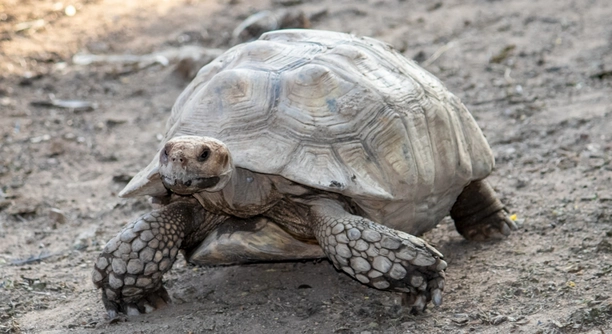
Is your tortoise rubbing its face on the ground, leaving you wondering what might be causing this behavior? Tortoises display various behaviors that may seem unusual but often have logical explanations, ranging from environmental factors to natural instincts and health concerns.
Tortoises may rub their faces on the ground due to shedding, scent marking, itch relief, irritation, infection, or even behavioral reasons. Identifying the underlying cause can help determine whether the behavior is normal or requires veterinary attention.
Understanding why your tortoise exhibits this behavior can provide valuable insights into its health and well-being. Exploring the possible reasons will help ensure your pet remains comfortable and happy in its environment.
Shedding and Face Rubbing
Tortoises shed their skin in small pieces rather than large sections. During this process, they may rub their faces on the ground to help remove loose skin. This behavior is normal and usually does not require intervention. Providing a proper habitat with appropriate humidity levels can support healthy shedding. Dry conditions may lead to excessive rubbing, which can cause irritation. If shedding appears incomplete or the skin looks dry and cracked, consider misting your tortoise with water or adjusting the enclosure’s humidity. Ensuring proper hydration through fresh water and a balanced diet can also contribute to smooth shedding.
In some cases, face rubbing may become excessive if the shedding process is difficult. If you notice redness, swelling, or signs of discomfort, a closer look may be necessary. Consistently harsh rubbing could indicate an underlying issue that needs attention.
Observing your tortoise’s shedding patterns and providing the right conditions can help minimize unnecessary discomfort. Keeping an eye on any changes will ensure your pet remains comfortable.
Scent Marking Behavior
Tortoises use scent marking to establish territory and communicate with other tortoises. Face rubbing can be a way to spread natural oils or scents in their environment. This is more common in males but can be seen in females as well.
While this behavior is harmless, it may increase during breeding season or when introducing a new tortoise to the habitat. Rubbing against surfaces helps them leave their scent as a form of communication. If your tortoise is rubbing frequently but shows no signs of distress, it is likely a natural behavior.
To support a healthy environment, keep the enclosure clean and provide various textures for your tortoise to explore. If the behavior becomes excessive, monitoring any changes in their routine can help determine if there are other factors contributing to the rubbing. Understanding this instinct can help you differentiate normal behaviors from potential health concerns.
Itch Relief and Irritation
Tortoises may rub their faces on the ground to relieve itching caused by dry skin, minor irritations, or environmental factors. Dust, substrate particles, or even small debris can cause mild discomfort, leading to frequent rubbing. Monitoring the behavior can help determine if intervention is needed.
If the enclosure is too dry, low humidity can lead to flaky skin, making your tortoise more likely to rub its face. Providing a humid hide and ensuring proper hydration can help. Additionally, small irritants like sand or fine bedding particles may get stuck in the skin, causing temporary discomfort. Switching to a larger, dust-free substrate can reduce this issue. If the rubbing persists and is accompanied by scratching or head shaking, checking for external parasites like mites might be necessary. Regular habitat maintenance and gentle cleaning of your tortoise’s face can help prevent irritation.
While occasional face rubbing is normal, excessive or aggressive rubbing may indicate an issue that needs attention. Allergies, reaction to a new substrate, or even sensitivity to strong scents can contribute to irritation. Observing patterns in behavior and making small changes, such as adjusting humidity or cleaning methods, can help reduce unnecessary discomfort for your tortoise. Keeping their environment clean and free from irritants will promote overall well-being.
Infection or Injury
Infections, particularly respiratory or skin-related ones, can cause tortoises to rub their faces against surfaces. A blocked nose, discharge, or swelling may indicate a respiratory infection, while red or broken skin suggests irritation or injury. Close monitoring can help determine if medical attention is needed.
Respiratory infections often develop in environments with poor ventilation, incorrect humidity, or sudden temperature changes. Symptoms may include wheezing, nasal bubbles, or lethargy. Face rubbing in this case is often an attempt to clear blocked nostrils. If you notice these signs, adjusting the enclosure’s conditions and consulting a veterinarian is recommended. Skin infections, on the other hand, may result from small wounds or prolonged exposure to damp conditions. Minor cuts can become inflamed if left untreated. Keeping the habitat clean and providing dry resting areas can help prevent infections.
If your tortoise has an injury, gentle cleaning with a reptile-safe antiseptic can reduce the risk of infection. Wounds that do not heal or show signs of worsening should be examined by a professional. In some cases, rubbing may worsen an existing injury, leading to further irritation. Identifying and addressing these issues early can help ensure your tortoise’s comfort and long-term health.
Environmental Changes
A change in habitat can cause stress, leading to unusual behaviors like face rubbing. Moving to a new enclosure, changing the substrate, or adjusting decorations may make a tortoise feel unsettled. Giving them time to adjust while maintaining a consistent routine can help reduce stress-related behaviors.
Temperature and humidity fluctuations may also contribute to increased face rubbing. If conditions are too dry or too humid, a tortoise may react by rubbing its face against surfaces. Regularly monitoring the habitat’s climate and making gradual adjustments can help maintain a comfortable environment for your tortoise.
Parasites or External Irritants
Parasites like mites can cause discomfort, leading to excessive face rubbing. These tiny pests often hide in skin folds or around the eyes, causing irritation. If you notice small dark specks moving on your tortoise’s skin or unusual redness, a closer examination may be necessary.
Environmental factors such as dust, pollen, or strong cleaning products can also cause irritation. Using reptile-safe cleaning solutions and maintaining a dust-free habitat can help prevent discomfort. If irritation persists despite environmental adjustments, consulting a veterinarian may be the best approach to rule out underlying health concerns.
Exploring Their Environment
Tortoises use their faces to interact with objects in their surroundings. Rubbing against rocks, logs, or enclosure walls can be a way of exploring textures and scents. This behavior is generally harmless and part of their natural curiosity.
FAQ
Why is my tortoise rubbing its face on the ground?
Rubbing its face on the ground is common for a tortoise, especially during shedding or scent marking. It’s a way to relieve itching or spread scents in their environment. However, if the rubbing becomes excessive or is accompanied by signs of irritation or injury, it might indicate an underlying health issue, such as skin irritation or infection.
Should I be concerned if my tortoise rubs its face often?
Frequent face rubbing can be normal behavior, especially if your tortoise is shedding or marking its territory. However, if the rubbing seems excessive or causes visible irritation, it’s worth investigating further. Ensure your tortoise’s habitat has the right temperature and humidity levels. If symptoms persist or worsen, consulting a veterinarian is recommended.
What can I do to prevent my tortoise from rubbing its face?
Providing a well-maintained habitat with the right humidity and temperature levels can reduce face rubbing. If your tortoise is rubbing due to shedding or irritation, ensure the enclosure is clean, and avoid substrates that may cause discomfort. If face rubbing is linked to parasites or infections, take the necessary steps to treat the issue.
Can face rubbing be a sign of illness in my tortoise?
Yes, face rubbing can sometimes indicate illness. If your tortoise’s face rubbing is persistent and accompanied by signs of infection or respiratory issues, such as nasal discharge or wheezing, it may be a sign of an underlying health issue. Always check for other symptoms and seek veterinary care if needed.
How can I tell if my tortoise has a respiratory infection?
A respiratory infection in tortoises may show symptoms like nasal discharge, wheezing, lethargy, or loss of appetite. If you notice any of these signs along with frequent face rubbing, it’s important to address the infection promptly. A veterinarian can diagnose the infection and suggest proper treatment.
What kind of substrate should I use to prevent irritation?
Using a soft, dust-free substrate like coconut coir, organic soil, or shredded paper can help minimize irritation. Avoid using sand or fine gravel, as they can cause dryness or discomfort when your tortoise rubs its face. Keeping the substrate clean and free of mold also ensures your tortoise’s comfort.
How do I know if my tortoise is rubbing its face due to shedding?
If your tortoise is shedding, you may notice bits of skin coming off, particularly around the head or neck. This process often causes mild itching, leading to face rubbing. If the skin appears patchy or dry, humidity levels may need to be adjusted to help with the shedding process.
Can face rubbing be related to a change in the environment?
Yes, any significant change in your tortoise’s environment can lead to stress, which may cause behaviors like face rubbing. If you’ve recently moved your tortoise to a new enclosure or changed their surroundings, give them some time to adjust. Make sure the new environment is comfortable, with the correct humidity and temperature levels.
How can I treat my tortoise if it has a skin infection?
If you suspect a skin infection, it’s important to clean the affected area with a reptile-safe antiseptic. Make sure the infection is not too severe before attempting home treatment. If there is no improvement, or if the infection worsens, consult a veterinarian for more effective treatment options.
What are some signs that my tortoise might have mites?
Mites are tiny external parasites that can cause your tortoise to rub its face frequently. Symptoms of mites include visible small dark specks on the skin, irritation, or inflammation around the eyes or face. If you suspect mites, a veterinarian can perform a skin scrape to confirm the presence of parasites.
Can a lack of water cause face rubbing?
Yes, dehydration can lead to skin dryness and discomfort, which may result in face rubbing. Ensure that your tortoise has access to clean, fresh water at all times. Dehydration can also affect the shedding process, so keeping your tortoise well-hydrated is crucial for its overall health.
How do I keep my tortoise’s habitat clean to prevent rubbing?
Regular cleaning of your tortoise’s enclosure is essential to prevent the buildup of bacteria, mold, and dust. Replace soiled substrate regularly and wipe down surfaces with a reptile-safe cleaner. Cleaning the habitat helps prevent irritation, parasites, and potential infections, reducing the chances of face rubbing.
Is face rubbing common in all tortoise species?
Face rubbing is common among most tortoises, but the frequency and intensity may vary between species. Some tortoises may exhibit more frequent rubbing as part of their natural behavior, while others may do so only during specific times, such as shedding or mating seasons.
Can my tortoise rub its face from boredom?
Tortoises, like other animals, need stimulation to stay mentally and physically healthy. If your tortoise is not provided with enough enrichment, such as objects to explore or climb, it may resort to behaviors like face rubbing out of boredom. Providing a varied environment with safe items to explore can help reduce this behavior.
What should I do if my tortoise’s face rubbing is constant?
If face rubbing becomes constant, it’s important to first rule out any environmental issues, such as humidity or temperature imbalances. Check for signs of irritation, parasites, or illness. If you don’t notice any improvement after making environmental adjustments, it’s best to consult a veterinarian for a thorough examination.
Can face rubbing be a sign of stress?
Yes, stress can cause your tortoise to rub its face on the ground. Changes in the environment, handling, or sudden temperature fluctuations can trigger stress in tortoises. Observing your tortoise’s behavior and making the necessary adjustments to its habitat can help reduce stress and prevent excessive rubbing.
Final Thoughts
Understanding why your tortoise rubs its face on the ground can help you better care for your pet. It’s essential to recognize that face rubbing is often a normal behavior, especially during shedding or scent marking. In most cases, it’s not a cause for concern. However, it’s important to monitor the behavior closely. If it becomes excessive or if your tortoise shows signs of discomfort, infection, or illness, you may need to take action. Keeping your tortoise’s environment clean, maintaining proper humidity levels, and providing a balanced diet can all help minimize discomfort and keep your pet happy.
Sometimes, face rubbing may indicate something more serious, like a skin infection, respiratory issue, or the presence of parasites. If the behavior continues or worsens, it’s best to consult with a veterinarian who specializes in reptiles. They can offer guidance, diagnose any potential health problems, and recommend treatment options. It’s always better to address any concerns early, as this can prevent more severe health issues down the road. Regular check-ups can ensure your tortoise is living its healthiest life possible.
In conclusion, while face rubbing can be part of your tortoise’s natural behavior, staying vigilant and aware of any changes in your pet’s habits is crucial. By maintaining a comfortable and clean environment, you can help prevent many common issues. If you notice anything unusual or persistent, seeking professional advice will help ensure your tortoise’s well-being. Keeping an eye on your tortoise’s health and behaviors will help you provide the best care possible for your pet.

Hello,
If you enjoy the content that we create, please consider saying a "Thank You!" by leaving a tip.
Every little bit helps us continue crafting quality advice that supports the health, happiness, and well-being of pets around the world, for pets of all shapes, sizes, and species.
We really appreciate the kindness and support that you show us!