
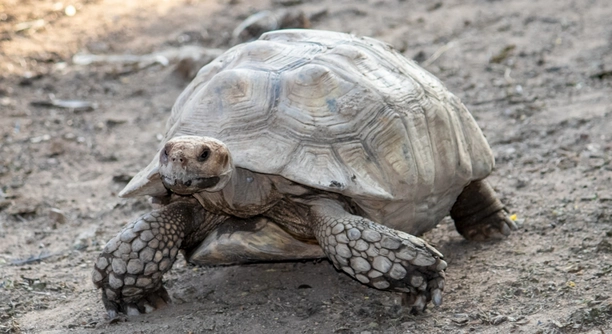
Tortoises are unique animals, and their behavior can sometimes be puzzling. If you’ve noticed your tortoise rubbing its face on objects, you’re not alone. Understanding why this happens can help address any concerns you may have.
Tortoises rub their faces on objects for several reasons, including grooming, marking territory, or addressing discomfort. Sometimes, it may also indicate health issues such as skin irritation or an environmental problem, requiring closer attention.
This article will explore the different reasons behind this behavior and how to help your tortoise stay comfortable and healthy.
1. Natural Grooming Behavior
Tortoises, like many animals, use their environment to help with grooming. Rubbing their face against objects, such as rocks, logs, or walls, is a common behavior. It allows them to clean their face and remove any dirt or debris that may have gathered. This rubbing can also help them shed any excess skin that’s built up. In nature, tortoises use rough surfaces to aid in maintaining their hygiene. So, when you see your tortoise rubbing its face, it could simply be fulfilling a natural instinct. This behavior typically doesn’t indicate a problem.
Some tortoises may rub their faces more often, especially after eating or during their active hours. It’s a way of staying clean and healthy, mimicking their wild habits. However, if your tortoise seems overly fixated on this activity, it might be worth looking into further.
If you notice this behavior is frequent or occurs during specific times, it could also suggest that your tortoise is trying to adjust to its environment. Making sure your tortoise has access to clean, rough surfaces can help mimic natural conditions and promote healthy grooming habits.
2. Skin Irritation or Discomfort
Face rubbing can also be a sign of skin irritation or discomfort. If your tortoise’s skin becomes dry or irritated, it may rub its face against objects to relieve the discomfort. Dry, rough surfaces can help to scratch an itch or remove dead skin cells. Tortoises are particularly sensitive to changes in humidity or temperature. A dry environment could lead to skin issues. Keeping their enclosure at the right humidity level will help maintain skin health.
Check your tortoise for any visible signs of irritation. If you notice redness or swelling, it’s important to assess whether the environment is too dry. Adding humidity or misting the enclosure can make a big difference. If the issue persists, consider a visit to a reptile vet to ensure there’s no underlying health concern. This simple step can go a long way in making sure your tortoise is comfortable and happy.
3. Territory Marking
Tortoises may rub their face on objects as a way to mark their territory. This behavior is often seen in the wild when they use objects to leave scent markers. These markers help establish their presence and boundaries. By rubbing against surfaces, they leave behind scent glands located on their face and neck.
In an enclosure, this may be less of a territorial need and more of an instinctual behavior. While it’s not harmful, it’s still good to monitor the frequency. If your tortoise seems to be marking objects excessively, it could be reacting to changes in its environment, like the introduction of new animals or people.
Ensure your tortoise has enough space to roam. A larger enclosure may help reduce stress and limit territorial behaviors. Giving your tortoise more room to explore allows for natural movements and can prevent excessive rubbing.
4. Stress or Anxiety
Stress or anxiety can cause your tortoise to exhibit face rubbing. This may happen when they feel threatened by their environment or other animals. It’s a sign they are looking for comfort or relief from stress. Changes in their surroundings, such as loud noises or new objects, could trigger this behavior.
If your tortoise rubs its face more when there’s activity around its habitat, it’s likely feeling stressed. Keep their enclosure in a quiet, calm area of your home to reduce external factors that may cause anxiety. Familiar routines and regular handling can also help them feel more secure.
If you notice other signs of stress, like hiding or loss of appetite, it’s important to act quickly. A change in diet, a calming environment, or consulting a vet might help alleviate the stress your tortoise is experiencing.
5. Respiratory Issues
Face rubbing can sometimes signal respiratory problems in tortoises. If they are having trouble breathing, they may rub their face to relieve irritation. This is especially true if they have mucus or discharge near their nostrils.
Watch for other signs like wheezing or labored breathing. If your tortoise is rubbing its face and showing difficulty breathing, it’s best to consult a vet. Respiratory infections are common in tortoises and can worsen quickly without proper treatment. Keeping the environment clean and avoiding drafts can help prevent these issues.
6. Shell Irritation
Sometimes, tortoises rub their face on objects because of irritation to their shell. If the shell feels uncomfortable or has buildup from a dirty environment, they may try to rub their face to relieve the discomfort.
Make sure their enclosure is clean and their shell is free of debris or parasites. Regular shell cleaning is important to prevent discomfort. A healthy shell is essential for your tortoise’s well-being, and keeping it clean will help reduce the chances of irritation.
7. Dry Skin
Dry skin can also be a common cause of face rubbing. Tortoises in too dry of an environment might rub their faces to relieve the feeling of tight, dry skin. It’s important to keep their humidity levels balanced to maintain healthy skin.
Ensure your tortoise has access to a humidity-controlled area in its enclosure. If the environment is too dry, misting the enclosure regularly will help. Adding a shallow water dish can also assist with skin hydration.
FAQ
Why is my tortoise rubbing its face on the glass?
Tortoises may rub their face on the glass due to a few reasons. It could be a sign of curiosity or a desire to explore. If your tortoise is active and trying to get out, it might be rubbing the glass because it sees a barrier but wants to explore beyond it. Alternatively, it might be feeling stressed or confined, especially if the enclosure is too small. Ensure your tortoise has enough space to move around and consider adding more enrichment to its environment, like rocks or logs, to help satisfy its exploration instincts.
Should I be worried if my tortoise is rubbing its face constantly?
Constant face rubbing can be a sign of something more serious, like skin irritation, respiratory issues, or stress. If the behavior is frequent and doesn’t seem to stop, you should pay close attention to other signs, such as mucus discharge, labored breathing, or changes in appetite. If you notice any concerning symptoms, it’s best to consult with a vet to rule out any health problems. Regularly check your tortoise’s environment for cleanliness and proper humidity levels, as these factors can contribute to such behaviors.
Can dry skin cause face rubbing in tortoises?
Yes, dry skin is one of the most common reasons for face rubbing. If the environment is too dry, it can cause your tortoise’s skin to become tight and uncomfortable, leading them to rub their face against objects to relieve the irritation. You can help by increasing humidity in the enclosure, making sure your tortoise has access to water, and occasionally misting the enclosure to maintain optimal moisture levels. Regularly cleaning the habitat and ensuring your tortoise is hydrated can prevent dry skin issues.
What are the signs of respiratory issues in tortoises?
Respiratory issues in tortoises can present as wheezing, labored breathing, nasal discharge, or excessive face rubbing. If your tortoise is rubbing its face and you notice any of these symptoms, it could be struggling with a respiratory infection. It’s essential to act quickly, as respiratory issues can worsen if left untreated. Keep the environment clean, avoid drafts, and maintain proper humidity. If the symptoms persist, it’s crucial to take your tortoise to a vet for proper diagnosis and treatment.
Can stress cause face rubbing in tortoises?
Yes, stress can definitely lead to face rubbing in tortoises. A tortoise may rub its face as a way of coping with stress or anxiety. Changes in their environment, such as new animals or loud noises, can cause them to feel unsettled. It’s important to create a calm and consistent environment for your tortoise to reduce stress. Keep the enclosure in a quiet area and avoid sudden changes. Regular handling and creating a familiar routine can also help your tortoise feel secure.
How can I prevent my tortoise from rubbing its face?
The key to preventing face rubbing is to address the underlying cause. Start by ensuring your tortoise’s enclosure is the right size, has proper humidity, and is free from stressors. Regularly check for skin irritation or discomfort and make sure the environment is clean and comfortable. If you notice your tortoise rubbing excessively, try to identify any changes in its routine or surroundings. Provide plenty of enrichment like hiding spots, climbing surfaces, and water dishes to help reduce boredom and stress.
Is face rubbing a sign of injury?
Injury could potentially cause face rubbing, especially if the tortoise is trying to relieve pain or discomfort. If your tortoise has a wound or any form of irritation, it may rub its face against objects to soothe the area. Always inspect your tortoise’s skin, shell, and face for any signs of injury. If there’s visible damage, swelling, or bleeding, take your tortoise to a vet immediately for proper treatment. Injuries should be addressed promptly to prevent further complications.
What should I do if my tortoise is rubbing its face excessively?
If face rubbing becomes excessive, it’s important to rule out health issues first. Check your tortoise for signs of illness, such as nasal discharge, swelling, or difficulty breathing. Make sure the environment is not too dry or too humid and that your tortoise has plenty of space to move. If the behavior continues despite environmental adjustments, a visit to the vet may be necessary to determine the cause and ensure your tortoise’s health is in good condition.
How often should I clean my tortoise’s enclosure to prevent face rubbing?
Cleaning your tortoise’s enclosure regularly is crucial to prevent irritation and discomfort. Aim to clean the enclosure once a week, removing any uneaten food, waste, and debris. Spot clean daily to keep things tidy and ensure your tortoise isn’t exposed to harmful bacteria. A clean environment can help prevent skin irritation, respiratory problems, and stress, all of which could lead to face rubbing. Additionally, ensure that any water dishes are kept fresh and free from contamination.
Final Thoughts
Tortoises rubbing their faces can be a sign of several different things, from curiosity to health issues. It’s essential to observe the behavior closely to determine if it’s just a harmless action or something that requires attention. Face rubbing can often be a way for tortoises to explore their surroundings, especially if they’re trying to get out of their enclosure. However, if the behavior is constant or combined with other symptoms like difficulty breathing or nasal discharge, it could indicate a more serious health concern, such as respiratory issues or skin irritation.
The most common reasons for face rubbing are environmental factors like dryness or stress. Ensuring your tortoise has the proper humidity levels, enough space to roam, and an enriching environment can help prevent many of these issues. It’s also important to check their shell regularly for irritation or parasites, as discomfort here can lead to face rubbing as well. Making sure that their environment is clean, free from drafts, and that they have access to fresh water and a proper diet will go a long way in promoting a healthy, comfortable tortoise.
In the end, if you notice excessive face rubbing or any signs of discomfort, it’s always best to consult a vet to rule out any underlying health problems. Early detection of respiratory infections, skin issues, or other medical concerns can make a big difference in treatment and recovery. By keeping a close eye on your tortoise’s behavior and maintaining their living conditions, you can ensure they live a long, healthy life. Addressing face rubbing in a timely manner helps maintain their overall well-being and ensures they stay happy and active.

Hello,
If you enjoy the content that we create, please consider saying a "Thank You!" by leaving a tip.
Every little bit helps us continue crafting quality advice that supports the health, happiness, and well-being of pets around the world, for pets of all shapes, sizes, and species.
We really appreciate the kindness and support that you show us!