
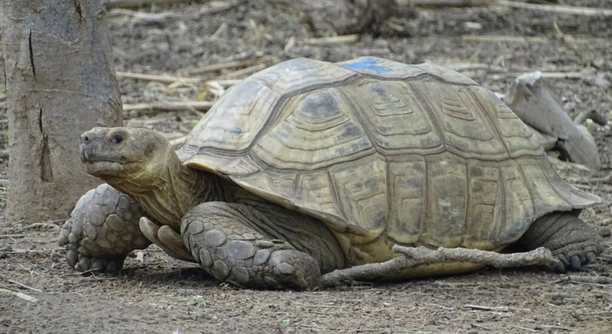
Tortoises are fascinating creatures, but their behaviors can sometimes leave us scratching our heads. One common concern is when they pace back and forth in their enclosures, which can seem puzzling at first.
Tortoises pace back and forth for several reasons, such as stress, lack of space, health issues, or environmental factors like lighting and temperature. They may also pace due to instincts or boredom. It’s essential to observe them closely for clues.
Understanding the reasons behind your tortoise’s pacing is key to ensuring they stay happy and healthy. Knowing what might be causing this behavior can help improve their well-being and prevent unnecessary stress.
Stress or Anxiety
Tortoises are sensitive to changes in their environment, and pacing can often be a sign of stress. Stress in tortoises can be caused by various factors, including loud noises, unfamiliar people, or even changes in their habitat. If your tortoise is pacing, it could indicate they’re feeling unsettled or anxious. These animals are naturally cautious and can be quite affected by disturbances around them. A sudden change in the temperature, a move to a new tank, or a shift in their daily routine might leave them feeling nervous.
To reduce stress, create a calm and consistent environment for your tortoise. Keep their living area quiet and free from sudden loud noises. Make sure the temperature and humidity are appropriate for the species. Introducing familiar objects or decorations can also help your tortoise feel secure. Consistency in care will help reduce their anxiety.
If you notice that your tortoise paces only during specific events or changes, it’s likely due to anxiety. Addressing environmental factors will often help calm your pet and ease their pacing behavior.
Lack of Space
A tortoise that is confined to a small area will likely start pacing in an attempt to find more room. Tortoises need a spacious enclosure where they can move around and explore. Inadequate space can make them feel trapped or restricted, leading to repetitive behaviors like pacing.
Tortoises are naturally wanderers, and without enough space to roam, they can quickly become frustrated. Providing a larger tank or outdoor enclosure where they can move freely is essential. Ensure the space mimics their natural habitat, allowing them to explore and get plenty of exercise. This can reduce pacing and improve your tortoise’s overall well-being.
Health Issues
Pacing can sometimes be linked to underlying health problems. If your tortoise seems lethargic or has difficulty eating alongside pacing, it could be a sign of discomfort or illness. Health issues like parasites, respiratory infections, or shell problems might cause them to behave differently. If pacing becomes persistent or is accompanied by other concerning symptoms, it’s time to consult a vet.
One of the most common health-related causes of pacing is a respiratory infection. If a tortoise is having trouble breathing, they may pace to find a more comfortable position. Check for signs like nasal discharge, wheezing, or open-mouth breathing. If you notice any of these, a vet visit is necessary.
Shell issues, such as cracks or fungal infections, can also cause a tortoise to pace. These conditions can be painful, and your pet may try to escape the discomfort by walking back and forth. Make sure to inspect your tortoise’s shell regularly for any signs of damage or irritation.
Environmental Factors
Pacing could also be triggered by environmental issues, particularly temperature and lighting. Tortoises are ectothermic, meaning they rely on their surroundings to regulate body temperature. If the tank is too hot or cold, your tortoise may become uncomfortable and try to move around in search of a better spot.
Ensure your tortoise’s habitat has a proper heat gradient, with a warm area for basking and a cooler area for resting. Lighting also plays an important role; UVB lighting is crucial for their health, as it helps them synthesize vitamin D3. Without proper lighting, your tortoise may pace as they search for a more comfortable place. Keep the light on for 10-12 hours a day to simulate a natural day-night cycle.
If the temperature is off or the lighting is inadequate, your tortoise might not only pace but also lose interest in food or activity. Make sure both temperature and lighting are correct for your tortoise’s species to ensure a healthy and happy pet.
Boredom
Pacing can be a sign of boredom. Tortoises are curious creatures, and when they’re not provided with enough stimulation, they may begin to pace as a way to pass time. This is especially common if they have no interaction or new things to explore.
If your tortoise has been pacing without any obvious reason, consider adding new elements to their environment. Providing enrichment like climbing structures, hiding spots, or new objects to explore can help keep their mind active. If they are outdoors, offering new areas to roam may also reduce this repetitive behavior.
Hunger
Tortoises may pace when they’re hungry or looking for food. If their feeding schedule is inconsistent or they aren’t getting enough food, they might walk around in search of something to eat. Make sure to provide a balanced diet at regular intervals.
Pacing due to hunger is often accompanied by other signs, like trying to dig or look around for food sources. Keep an eye on your tortoise’s feeding habits and make sure they are eating the right amount for their size and species. Sometimes, they simply need a little extra food or a change in their diet to stay satisfied.
FAQ
Why is my tortoise pacing back and forth?
Pacing is often a sign of stress, boredom, or discomfort. If your tortoise doesn’t have enough space, environmental conditions aren’t ideal, or if they are feeling unwell, they may start pacing. It’s essential to observe other signs like lack of appetite, lethargy, or abnormal behavior to pinpoint the cause. You may need to adjust their enclosure, diet, or consult a vet if health issues are suspected.
Can a tortoise be stressed out from a dirty enclosure?
Yes, a dirty enclosure can cause stress. Tortoises are sensitive to their living environment, and a dirty habitat can lead to discomfort and potential health risks. If their water or bedding is contaminated, or if their enclosure is overcrowded with waste, it can trigger stress and pacing. Clean their living space regularly and ensure they have a fresh, safe environment.
What should I do if my tortoise is pacing a lot?
Start by evaluating their environment. Ensure the temperature and lighting are appropriate, and check if they have enough space to move around. Add enrichment, such as hiding spots or climbing structures, and make sure they’re not bored. If you notice other symptoms like a loss of appetite or abnormal behavior, a vet visit is advisable to rule out health problems.
How much space does a tortoise need to avoid pacing?
Tortoises need plenty of room to roam and explore. The exact size of the enclosure depends on the species, but generally, a good rule is to provide at least 10 square feet of space per tortoise. Larger enclosures allow them to move around naturally and reduce the chances of pacing due to a feeling of confinement.
Can temperature or lighting issues cause a tortoise to pace?
Yes, temperature and lighting are crucial for a tortoise’s well-being. If the temperature is too high or low, or if the lighting is insufficient, your tortoise may pace to seek a more comfortable area. Ensure the enclosure has a proper heat gradient and UVB light to support their health and comfort.
Is it normal for a tortoise to pace when it’s not getting enough food?
Tortoises may pace if they’re hungry or searching for food. If your tortoise is pacing and looking around for food, it might be a sign they’re not getting enough to eat or are on an irregular feeding schedule. Offer food at regular intervals and ensure they have a balanced diet to avoid pacing due to hunger.
Could my tortoise be pacing due to health problems?
Health problems can cause a tortoise to pace, especially if they are in pain or discomfort. Respiratory infections, shell injuries, or parasites may lead to pacing as your tortoise searches for a way to relieve themselves. If pacing is paired with other symptoms like lethargy, trouble eating, or abnormal behavior, a vet should examine your tortoise to identify any health issues.
How can I reduce my tortoise’s pacing behavior?
Reducing pacing involves addressing potential causes like stress, boredom, or discomfort. Ensure their habitat is clean, spacious, and well-lit. Provide enrichment such as new objects to explore or places to hide. Regularly check their diet and health. If the pacing persists, consider a vet visit to rule out underlying medical conditions.
Does a tortoise pacing mean it’s unhappy?
Pacing can sometimes indicate that a tortoise is unhappy, especially if it’s due to stress or lack of stimulation. However, it’s important to observe their behavior closely. If the pacing is caused by environmental factors like temperature or space issues, improving their habitat can resolve the problem. Regular health checks can help address any discomfort.
How long should a tortoise be left out of its enclosure?
Tortoises can be safely left out of their enclosure for a few hours a day, but this depends on the species and the environment. It’s important to supervise them while they’re out to ensure they don’t get into dangerous situations. If they’re outdoors, make sure the area is secure, safe, and free from predators.
Can I stop my tortoise from pacing by changing its environment?
Yes, changing your tortoise’s environment can reduce pacing. Make sure the habitat has enough space for them to move around freely, and add natural elements like plants or logs for exploration. Changing their environment by adding new items or rearranging their enclosure can keep them mentally stimulated and less likely to pace.
What kind of diet should I feed my tortoise to reduce pacing?
A balanced diet is essential for your tortoise’s health and well-being. Make sure they have a variety of fresh vegetables, leafy greens, and some fruits depending on the species. Avoid overfeeding or offering high-calcium foods excessively. A proper diet can help keep your tortoise satisfied and reduce pacing due to hunger.
Is pacing common in baby tortoises?
Baby tortoises can exhibit pacing behavior as they are still adjusting to their environment. They may pace if they are feeling stressed or are searching for food. Make sure their enclosure is safe, comfortable, and spacious enough for them to grow. Baby tortoises require more frequent feeding and temperature monitoring to ensure they develop properly and aren’t pacing due to discomfort.
How often should I check on my tortoise’s health to prevent pacing?
Regular health checks are essential to prevent pacing due to underlying health issues. You should monitor your tortoise for signs of illness, including changes in behavior, appetite, or activity level. Routine vet visits every 6-12 months are ideal, but if your tortoise shows signs of distress or pacing, schedule an appointment sooner to ensure their health is in check.
What kind of enrichment can I provide to stop my tortoise from pacing?
Enrichment is key to stopping pacing. Try adding hiding spots, rocks, and climbing structures in their enclosure. You can also rotate toys or food items that encourage foraging, and if possible, provide an outdoor space for natural exploration. This variety can reduce boredom and give your tortoise a more engaging environment.
Final Thoughts
Tortoises are unique pets with specific needs, and understanding their behavior is essential for their well-being. Pacing back and forth can be a sign of stress, boredom, discomfort, or even health issues. By observing your tortoise carefully, you can often identify the underlying cause of the pacing and take the necessary steps to address it. It’s important to check things like their environment, diet, and overall health to ensure they are comfortable. Sometimes, small adjustments to their habitat or routine can make a big difference in their behavior.
Providing a spacious, clean, and safe environment is crucial for your tortoise’s happiness. Ensuring the correct temperature, humidity, and lighting will create an ideal habitat for them. Tortoises are naturally curious and need room to explore and move around. If they feel confined or trapped, they may begin pacing. Additionally, regular changes to their environment, like adding enrichment or introducing new objects, can keep them mentally stimulated and reduce boredom-related pacing. A varied and engaging environment helps them stay active and satisfied.
If your tortoise’s pacing continues despite making adjustments to its environment, it’s a good idea to consult a vet. Health issues can sometimes be the root cause of repetitive behavior, and a professional can help identify and treat any underlying problems. In some cases, pacing may be a temporary phase that passes once they adjust to their surroundings. However, if the behavior becomes persistent or is accompanied by other symptoms like loss of appetite, lethargy, or abnormal movements, getting professional help will ensure your tortoise stays healthy and comfortable. Taking a proactive approach to your tortoise’s care can lead to a happier, healthier pet.

Hello,
If you enjoy the content that we create, please consider saying a "Thank You!" by leaving a tip.
Every little bit helps us continue crafting quality advice that supports the health, happiness, and well-being of pets around the world, for pets of all shapes, sizes, and species.
We really appreciate the kindness and support that you show us!