
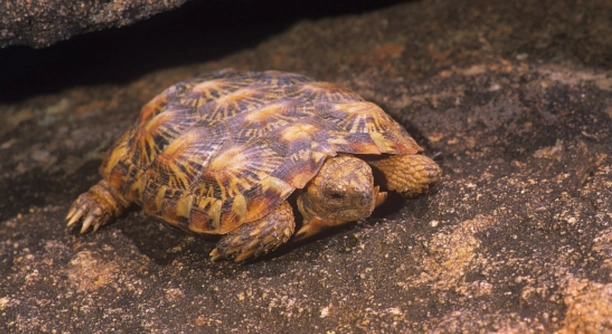
Tortoises are known for their unique behaviors, and one of the most common is digging. If you’ve noticed your tortoise digging more than usual, it can be both puzzling and concerning. Understanding this behavior is key to providing the best care.
Tortoises dig for various reasons, including nesting, exploring, temperature regulation, and stress relief. Digging is a natural behavior that helps them adapt to their environment and meet their instinctual needs.
Knowing the reasons behind this digging behavior can help you create a more comfortable environment for your tortoise. Let’s take a closer look at the possible causes and how to address them.
Digging to Escape: A Desire for Freedom
Tortoises sometimes dig to try and escape their enclosure. This behavior is more likely to happen when they feel confined or uncomfortable. If their space feels too small or they don’t have enough stimulation, they may attempt to dig their way out. This instinct to escape is strong, as in the wild, tortoises often roam large areas. If you notice your tortoise trying to dig through walls or fencing, it’s a sign they’re looking for more room or a more enriching environment.
Giving your tortoise a larger enclosure or more stimulating environment can help reduce this behavior. Adding hiding spots, different textures, and opportunities for exploration can make a huge difference.
Ensure their enclosure is secure so they can’t dig out and get hurt. A good-sized area and plenty of natural elements, like rocks or logs, will satisfy their instincts. You want to make sure they feel safe, comfortable, and entertained within their habitat.
Temperature Regulation: Finding Comfort
Tortoises dig to regulate their body temperature.
In the wild, they dig to create burrows that protect them from extreme heat or cold. If your tortoise feels too hot or too cold, digging becomes a way to seek more comfortable conditions. Sometimes, they dig to reach cooler ground or hide from the sun.
You can help by providing areas with different temperatures in their habitat, such as a cooler spot for them to retreat to when needed. It’s important to monitor their environment and adjust the heat source accordingly, so they don’t have to dig to get relief.
Nesting Behavior: Preparing for Eggs
Female tortoises often dig when they are ready to lay eggs. Even if they haven’t mated, this instinct is still present. The digging helps them create a safe, secure spot to bury their eggs. If your female tortoise is digging more frequently, it’s a sign she might be preparing to lay eggs.
In this case, you can support her by providing a digging area with loose, soft soil. Ensure the space is deep enough for her to create a proper nest. When she feels comfortable and secure, it’s more likely she’ll lay the eggs without stress.
If your tortoise hasn’t been around a mate, it’s still important to provide nesting areas just in case. Even if she’s not laying eggs, these instincts are natural and important for her well-being. Make sure her habitat mimics what she would encounter in the wild.
Stress or Anxiety: A Sign of Unease
Tortoises may dig when they are stressed or anxious. Changes in their environment, such as new pets, loud noises, or alterations to their habitat, can lead to this. Digging is their way of dealing with feelings of insecurity or discomfort.
To ease your tortoise’s stress, try to keep their environment stable and calm. If there have been any recent changes in their space, give them some time to adjust. You can also provide more hiding spots or quiet areas to help them feel safe. Consistent routines are important, so try to feed, clean, and interact with your tortoise at regular times.
A peaceful environment is key for a healthy tortoise. Stress can lead to other behavioral or health issues, so reducing anxiety should be a top priority in their care.
Boredom: Seeking Entertainment
When tortoises are bored, they may dig to pass the time. Without enough stimulation, they might resort to this natural behavior to entertain themselves. This is especially common for tortoises that are housed alone or in small enclosures with little to explore.
Adding new objects, plants, or different textures to their habitat can help keep them engaged. Tortoises enjoy exploring, so providing them with new things to interact with can reduce the urge to dig for entertainment. Consider adding safe toys or hiding treats around their space.
Health Issues: Digging Due to Discomfort
If your tortoise is digging excessively, it might be a sign of discomfort or health issues. Sometimes, this behavior is linked to pain, such as digestive problems or injury. If your tortoise is digging more than usual and seems lethargic or off, it’s important to consult a vet.
By carefully observing any changes in behavior and physical symptoms, you can catch potential health problems early. A vet’s visit will ensure your tortoise’s health is properly managed, and they can provide specific guidance on treating underlying issues.
Instinctual Behavior: Natural Digging
Tortoises dig out of instinct, even if everything in their environment is ideal. This behavior is part of their natural survival instinct. In the wild, digging helps them create hiding places, find food, or escape predators.
Providing a larger space that mimics their natural environment can help.
FAQ
Why does my tortoise dig in corners or along the walls of its enclosure?
Tortoises often dig in corners or along the walls because they instinctively want to escape or find a more comfortable space. They may feel confined, and these spots might seem like a way out. This behavior can also be a sign that their enclosure is too small, or they’re looking for a cooler or warmer area to regulate their body temperature. Ensuring that your tortoise’s enclosure has enough space, temperature variation, and stimulation can help reduce this type of digging.
Can digging be harmful to my tortoise?
In most cases, digging itself is not harmful to your tortoise. It’s a natural behavior for them. However, excessive digging or digging to the point of injury can be a concern. If your tortoise digs so much that it causes abrasions or damage to its shell, it might be a sign of stress or an underlying health issue. Make sure your tortoise’s environment is well-maintained and monitored. Providing them with a secure, comfortable space can help prevent over-digging and reduce risks.
How can I stop my tortoise from digging?
Stopping your tortoise from digging entirely might not be realistic, as it’s a natural behavior. However, you can minimize the behavior by making sure its enclosure is secure and enriching. Provide enough space, comfortable hiding spots, and varied textures. Also, make sure the temperature is well-regulated so they don’t feel the need to dig to find a cooler or warmer place. Reducing stress in their environment can also decrease unnecessary digging.
Should I provide my tortoise with a digging spot in its enclosure?
Yes, providing a designated digging spot can actually help satisfy your tortoise’s natural instincts. This spot should include soft, loose soil or sand, where your tortoise can dig comfortably. Giving them a designated area to dig allows them to express this behavior without feeling the need to escape or damage their habitat. Be sure the space is deep enough to accommodate their natural digging behavior.
What if my tortoise is digging excessively and seems unhealthy?
If your tortoise is digging more than usual and shows signs of lethargy, lack of appetite, or unusual behavior, it may be a sign of an underlying health problem. It could be experiencing discomfort from digestive issues, parasites, or injury. If you notice any concerning changes in behavior or physical appearance, it’s important to take your tortoise to a vet for a check-up. Early intervention can help treat any health issues and improve its well-being.
Can my tortoise dig out of its enclosure?
Yes, tortoises are capable of digging out of their enclosures if they feel the need to escape or if they are not provided with secure boundaries. They can dig through soil, sand, or loose materials, especially if they’re feeling stressed or confined. To prevent this, ensure your enclosure has secure walls, a deep floor, and no gaps where they could slip through. You might also need to dig in a barrier under the surface to stop them from tunneling out.
Does digging mean my tortoise is unhappy?
Not necessarily. Digging can be a sign of a variety of things, including curiosity, nesting behavior, or temperature regulation. However, if your tortoise is digging excessively or appears stressed, it could indicate discomfort. It’s essential to observe their overall behavior. If they seem healthy, active, and well-fed, some digging is natural. If their behavior seems unusual, it’s important to assess their habitat and consider any changes that may be causing stress.
How often should I let my tortoise dig?
Tortoises are naturally inclined to dig, and it’s important to allow them to engage in this behavior. The frequency will depend on the individual tortoise and its environment. Providing a space where they can dig as much as they need without causing harm is ideal. Make sure they have enough space, and their digging doesn’t interfere with other aspects of their well-being, such as temperature regulation or feeding areas.
Why is my male tortoise digging?
Male tortoises also dig, and this behavior can be linked to several factors. One possibility is that the male tortoise is digging to search for a mate, especially if he’s not housed with other tortoises. It could also be a way for him to establish territory or search for food. Male tortoises, like females, may dig for nesting purposes, even if they’re not actively reproducing.
Can tortoises dig to hibernate?
Tortoises in the wild dig to create a safe, protected place for hibernation, especially in colder climates. They often dig to escape extreme weather conditions, such as excessive heat or cold. If your tortoise is digging and the temperature in its enclosure is fluctuating, it might be an attempt to create a more stable environment. However, if you live in a climate where hibernation is necessary, ensure your tortoise has a safe, controlled area for this natural process. If your tortoise is kept indoors, hibernation may not be necessary, but they may still dig due to instinct.
What should I do if my tortoise is digging too much in its habitat?
If your tortoise is digging excessively, it may indicate a need for environmental change. First, check if its enclosure is large enough and provides various areas with different temperatures. Adding enrichment, such as hiding spots or climbing surfaces, can help alleviate boredom. Ensuring your tortoise feels secure and comfortable will reduce stress, leading to less digging. If digging persists or seems tied to health issues, a vet consultation is recommended.
Final Thoughts
Understanding why your tortoise digs can help you create a more comfortable and enriching environment for them. Digging is a natural behavior, and in most cases, it’s not something to worry about. It’s important to remember that tortoises dig for a variety of reasons, whether it’s for nesting, escaping, regulating their body temperature, or even just dealing with boredom. By observing your tortoise’s behavior, you can better identify the cause and address it in a way that improves their well-being. Creating a space that supports their natural instincts is key to keeping them happy and healthy.
While digging can be a sign of stress, discomfort, or health issues, it can also simply be a part of your tortoise’s daily routine. Providing a proper enclosure that is spacious, secure, and stimulating will reduce unnecessary digging. Offering a variety of textures, hiding spots, and different temperature zones within their habitat helps mimic their natural environment, giving them options for how to behave. Ensuring your tortoise feels safe, comfortable, and not confined will minimize the urge to dig out of frustration or boredom.
If your tortoise continues to dig excessively or shows signs of distress, it’s important to assess their health and environment. Regular checks on their enclosure, health, and behavior are necessary for identifying any issues early on. A visit to the vet might be needed if your tortoise exhibits abnormal behavior or if you suspect there’s a medical reason for the digging. In most cases, however, with a bit of understanding and the right adjustments to their living space, your tortoise will be able to dig as part of their normal, natural behavior without causing harm to themselves.

Hello,
If you enjoy the content that we create, please consider saying a "Thank You!" by leaving a tip.
Every little bit helps us continue crafting quality advice that supports the health, happiness, and well-being of pets around the world, for pets of all shapes, sizes, and species.
We really appreciate the kindness and support that you show us!