
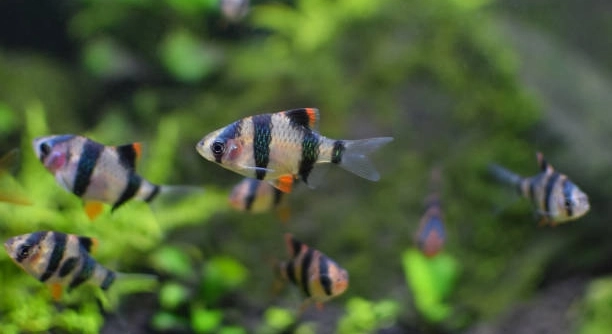
Is your tiger barb tank giving off an unpleasant odor that makes your fish tank experience less enjoyable? Many aquarium owners face this issue at some point. Understanding why this happens can help you maintain a healthier environment for your fish.
A bad smell in a tiger barb tank is usually caused by the buildup of waste, uneaten food, and decaying plant material. Poor filtration or irregular cleaning allows harmful bacteria to grow, producing unpleasant odors and affecting water quality.
Knowing the common causes of tank odors can help you take simple steps to keep your aquarium fresh and inviting for your fish.
Common Causes of Bad Smells in Tiger Barb Tanks
The most frequent cause of bad odors in a tiger barb tank is the accumulation of organic waste. Fish produce waste constantly, and uneaten food adds to this buildup. When this material decomposes, it releases gases that smell unpleasant. Overfeeding is a typical mistake, as leftover food quickly starts to rot. Another factor is inadequate filtration. Filters help remove harmful substances and keep water clean, but if they are clogged or not suited to the tank size, waste will accumulate. Additionally, dead plants or fish can cause a strong odor if left unnoticed. Water changes are crucial to maintain tank health; neglecting this step can cause ammonia and nitrite levels to rise, producing a foul smell. Regular maintenance, including cleaning substrate and checking filter function, can prevent most odor problems in your tank.
Proper tank upkeep involves routine cleaning, controlling feeding amounts, and ensuring your filter is working well to avoid bad smells.
Cleaning your tank regularly keeps the environment safe for your tiger barbs. Skipping water changes or filter maintenance allows waste to build up, which harms fish health. Feeding your fish the right amount of food prevents excess leftovers. Removing dead plants and monitoring water parameters helps maintain a balanced and odor-free tank. Consistent care makes a noticeable difference in tank freshness and fish well-being.
How to Improve Tank Smell Quickly
Bad smells can often be reduced by performing partial water changes immediately. Removing 25-50% of the tank water helps dilute waste and refreshes the environment. Adding activated carbon to the filter can also absorb odors and impurities. Avoid overfeeding by giving only the food your fish can consume in a few minutes. Regularly vacuuming the substrate removes trapped debris that contributes to the smell. Checking for dead fish or decaying plant matter and removing them quickly is important. Improving aeration increases oxygen levels and supports beneficial bacteria that break down waste more efficiently. Finally, ensure your filter size matches the tank volume for optimal cleaning. These steps can improve tank smell within days and create a healthier space for your tiger barbs.
Consistent care is essential for long-term odor control and fish health. Establishing a cleaning routine and proper feeding habits can prevent smells from returning and keep your tank pleasant.
Tank Cleaning Tips to Reduce Odors
Regular cleaning is key to managing tank smells. Removing waste and debris prevents buildup. Consistent maintenance keeps water clear and fish healthy.
Start with partial water changes weekly, replacing about 20-30% of the water. Use a gravel vacuum to clean the substrate and remove uneaten food and waste. Clean the filter media gently in tank water to avoid killing beneficial bacteria. Avoid over-cleaning, as it can disrupt the tank’s natural balance. Wipe down tank walls to remove algae that may trap odors.
In addition to cleaning, check water parameters like ammonia, nitrites, and nitrates regularly. Keeping these in safe ranges prevents waste buildup and harmful conditions. Use a reliable test kit and make adjustments as needed. Proper tank cleaning combined with monitoring water quality is essential for maintaining a fresh-smelling environment for your tiger barbs.
Proper Feeding Practices for a Healthy Tank
Feeding your tiger barbs the right amount helps prevent leftover food from decaying. Offer only as much food as your fish can eat in 2-3 minutes. Excess food sinks and rots, causing bad odors. Choose high-quality food that is suitable for tiger barbs and avoid overfeeding. Feed small portions multiple times a day rather than one large meal. This approach supports digestion and reduces waste.
Keep an eye on your fish during feeding to ensure all food is consumed quickly. Remove any uneaten food promptly using a net or siphon. Proper feeding reduces organic waste and helps maintain clear water. Controlling feeding habits is one of the easiest ways to keep your tank smelling fresh and your fish healthy.
Choosing the Right Filter for Your Tank
A properly sized filter is essential for odor control. It helps remove waste and toxins effectively. Using a filter designed for your tank size ensures better water circulation and cleanliness.
Filters with mechanical, chemical, and biological media work best. Mechanical media traps debris, chemical media removes impurities, and biological media supports beneficial bacteria growth.
Beneficial Bacteria and Odor Control
Beneficial bacteria break down harmful waste products like ammonia and nitrites, which can cause bad smells. These bacteria colonize the filter media and substrate, keeping the water balanced and healthy. Supporting their growth by avoiding over-cleaning and maintaining stable water conditions reduces odors naturally.
Avoiding Overcrowding in Your Tank
Too many fish produce more waste than the tank can handle. Overcrowding stresses fish and worsens water quality, leading to bad odors. Keeping a proper fish population helps maintain a cleaner, healthier tank.
Why does my tiger barb tank smell bad even after cleaning?
Sometimes a tank can still smell bad after cleaning because some waste or debris may be hidden in hard-to-reach areas like decorations, filter parts, or substrate layers. Beneficial bacteria might also be disturbed if the filter media was cleaned too thoroughly or replaced all at once. This can temporarily reduce the breakdown of waste, causing odors. Water changes alone might not be enough if there is still decaying matter or leftover food trapped in the tank. Checking all tank components carefully and maintaining a balanced cleaning routine helps solve this issue over time.
How often should I clean my tiger barb tank to avoid smells?
Cleaning frequency depends on tank size and fish load, but generally, weekly partial water changes of 20-30% are recommended. Gravel vacuuming and filter checks should be done regularly during these changes. Avoid deep cleanings that remove all beneficial bacteria at once. If the tank has many fish or plants, more frequent cleaning might be necessary. Keeping to a consistent schedule prevents waste buildup and odors while promoting stable water conditions.
Can overfeeding cause bad smells in my tank?
Yes, overfeeding is a common cause of bad smells. Uneaten food decomposes quickly, releasing foul odors and polluting the water. Feeding only what your fish can consume in a few minutes prevents leftovers. This reduces waste and keeps the tank cleaner. Overfeeding also stresses fish and can lead to health problems, so feeding in small, controlled portions benefits both the tank environment and your tiger barbs.
What role does the filter play in preventing tank odors?
Filters remove solid waste, harmful chemicals, and provide a surface for beneficial bacteria to grow. These bacteria break down toxic ammonia and nitrites, which can cause bad smells if allowed to accumulate. A properly functioning filter keeps water clean and odor-free. Choosing a filter rated for your tank size and maintaining it regularly ensures it works efficiently. Without adequate filtration, waste will build up and odors will develop.
Can dead fish or plants cause my tank to smell?
Dead fish or decaying plants are strong sources of bad odors. Even a small amount of decaying organic matter can quickly pollute water and create a foul smell. It is important to remove dead fish and trim dying plants as soon as possible. Regularly inspecting your tank helps prevent unnoticed decay and keeps the environment healthy for your tiger barbs.
Is it normal for a new tank to have a bad smell?
New tanks sometimes develop odors due to the buildup of initial waste and the cycling process where beneficial bacteria establish themselves. During this period, waste can accumulate faster than bacteria can break it down, causing smells. This should improve as the tank matures and the biological filter stabilizes. Monitoring water quality and avoiding overfeeding during this stage helps reduce odors.
Can water quality affect tank smell?
Yes, poor water quality directly impacts tank odor. High levels of ammonia, nitrites, or nitrates are signs of pollution and can cause foul smells. Testing water regularly and performing timely water changes maintain balanced conditions. Good water quality supports beneficial bacteria and reduces the risk of odor buildup.
How does substrate choice impact tank odor?
Substrate materials like gravel or sand can trap waste if not cleaned properly, leading to odors. Some substrates absorb odors better than others. Regular vacuuming removes trapped debris and helps prevent smell. Choosing substrates that are easy to maintain and cleaning them carefully reduces odor problems.
Will adding live plants help reduce tank smells?
Live plants can improve water quality by absorbing nitrates and producing oxygen. Healthy plants compete with algae and bacteria, helping balance the tank environment. However, dead or decaying plants cause odors, so plant health must be maintained. Proper care of live plants contributes to a fresher-smelling tank.
Are there chemical treatments to eliminate tank odors?
Some water conditioners and chemical treatments reduce odors by neutralizing harmful compounds. Activated carbon in filters also helps absorb impurities causing smells. While these treatments can help, they do not replace proper cleaning and maintenance. Relying solely on chemicals may mask problems without solving the underlying causes. Regular care is always necessary for a healthy tank environment.
Keeping a tiger barb tank fresh and free from bad smells requires consistent care and attention. Understanding the main reasons behind unpleasant odors, such as waste buildup, uneaten food, and poor filtration, is the first step toward solving the problem. Regular cleaning, including partial water changes and substrate vacuuming, helps remove the organic matter that causes odors. It is also important to avoid overfeeding, as leftover food quickly decomposes and affects water quality. By managing these basic aspects, you create a healthier environment for your fish and reduce the chance of unpleasant smells.
Filters play an essential role in maintaining tank cleanliness and preventing odors. They not only trap debris but also provide a home for beneficial bacteria that break down harmful substances like ammonia and nitrites. Keeping your filter clean and ensuring it is the right size for your tank improves its efficiency. Avoid completely replacing filter media at once, as this can disrupt the bacterial colonies and worsen water quality temporarily. A well-maintained filter supports the tank’s natural balance, reduces waste buildup, and helps keep the water clear and odor-free.
Finally, monitoring water quality regularly is important for long-term tank health. Testing for ammonia, nitrites, and nitrates allows you to detect potential issues before they become serious. Removing dead fish and decaying plants promptly prevents additional sources of smell. Adding live plants and improving aeration can also help maintain a balanced environment. A clean, well-maintained tank is not only better for your tiger barbs but also more enjoyable to watch and care for. Taking these steps makes a noticeable difference in tank odor and overall fish health.

Hello,
If you enjoy the content that we create, please consider saying a "Thank You!" by leaving a tip.
Every little bit helps us continue crafting quality advice that supports the health, happiness, and well-being of pets around the world, for pets of all shapes, sizes, and species.
We really appreciate the kindness and support that you show us!