
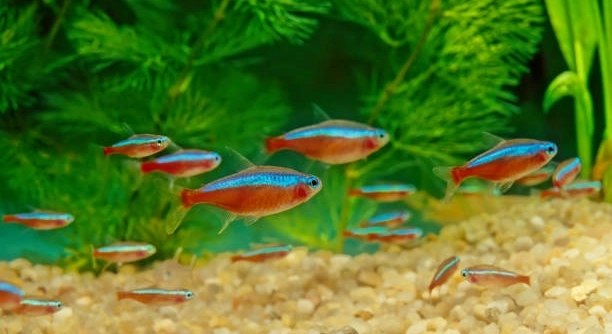
Is your tetra glass suddenly surfing the water surface, making you wonder what’s going on? Many aquarium owners notice this behavior and want to understand why their fish acts this way. It can be surprising and a bit concerning at first.
Tetra glass surfing happens for several reasons, including low oxygen levels, water quality issues, stress, improper tank conditions, or health problems. Each factor affects the fish’s comfort, causing it to seek air or better conditions near the surface.
Knowing why your tetra behaves this way can help you make the right changes to improve its environment and health. Understanding these causes will guide you to a calmer and happier aquarium.
Low Oxygen Levels in the Aquarium
Low oxygen levels are a common reason for tetra glass surfing. Fish rely on oxygen dissolved in water to breathe, and when levels drop, they swim near the surface where oxygen concentration is higher. This can happen if the tank lacks proper aeration or circulation. Overcrowding the tank or having too many plants and decorations can reduce oxygen availability. Also, warmer water holds less oxygen, so a higher temperature may contribute. Watching your fish gasping near the surface is a clear sign to check oxygen levels. Adding an air stone, increasing water movement with a filter, or performing partial water changes can improve oxygen supply. Ensuring proper tank conditions helps your tetra feel comfortable and less stressed.
Low oxygen levels push tetras to the surface to find air. Adjusting tank aeration can help restore a healthy environment.
Keeping oxygen balanced is essential for fish health. Simple changes like adding bubbles or reducing overcrowding keep your tetra swimming calmly below the surface. Regular maintenance is key to preventing these issues from recurring.
Poor Water Quality
Poor water quality quickly affects fish behavior. Ammonia, nitrites, and nitrates build up from waste and decaying matter, causing stress and discomfort. These chemicals irritate gills and skin, making fish seek relief at the surface. Testing water regularly with a reliable kit is necessary to spot problems early. Frequent partial water changes and cleaning the tank help maintain water purity. Avoid overfeeding, as leftover food decomposes and worsens water quality. If water parameters are off, fish may show unusual swimming patterns, including glass surfing. Keeping water clean supports your tetra’s health and reduces erratic behavior. Adjusting care routines can fix these issues and improve your tank’s balance.
Stress and Overcrowding
Stress causes fish to behave unusually, including glass surfing. Overcrowded tanks increase competition for space and resources, making tetras anxious.
Stress weakens the immune system and affects fish behavior. Overcrowding leads to fights and limited hiding spots, which raises stress levels. Fish may surf the glass trying to escape the crowded environment or find a calmer place. Reducing the number of fish and providing plants or decorations for hiding can ease stress. A balanced tank population supports a peaceful atmosphere and healthier fish.
Maintaining proper space per fish and minimizing sudden changes lowers stress. A calm tank environment keeps tetras comfortable and reduces surface surfing.
Illness or Parasites
Illness or parasites can cause abnormal swimming. Infected tetras may surf glass to breathe easier or escape irritation.
Common infections affect gills or skin, leading to discomfort. Parasites attach to fish, causing itching and stress. These conditions often show other signs like clamped fins, lethargy, or loss of appetite. Quarantining sick fish and treating with appropriate medications can stop the problem. Early diagnosis helps prevent serious health issues and spreading to other tank mates.
Keeping the tank clean and monitoring fish regularly helps catch illness early. Prompt treatment protects your tetra’s health and prevents frequent surface surfing caused by discomfort.
Temperature Stress
Temperature that is too high or too low can cause tetras to surface swim. Fish prefer stable temperatures within their ideal range.
Sudden temperature changes stress fish and disrupt oxygen levels. Keeping a consistent, appropriate temperature helps your tetra stay calm and healthy.
Poor Tank Maintenance
Ignoring regular tank cleaning leads to waste buildup and toxins. This causes fish discomfort and surface swimming.
Frequent water changes and filter upkeep remove harmful substances and maintain water clarity. Good maintenance is key to a healthy environment for your tetras.
Lack of Plants or Hiding Spots
Tetras feel safer with places to hide and explore. An empty tank may cause stress and surface behavior.
Adding plants and decorations creates shelter, reducing anxiety and encouraging natural behavior. This improves your tetra’s comfort and reduces glass surfing.
FAQ
Why is my tetra constantly swimming at the surface?
Tetras swim at the surface mainly due to low oxygen levels or stress. If the water lacks enough oxygen, fish instinctively seek air near the top. Stress from overcrowding, poor water quality, or sudden changes in the environment can also push them to the surface. Checking tank conditions and adjusting aeration usually helps.
Can water temperature cause my tetra to surf the glass?
Yes, temperature affects fish behavior significantly. If the water is too warm, it holds less oxygen, which may force your tetra to swim near the surface to breathe better. Sudden drops or spikes in temperature also cause stress. Keeping water stable between 72-80°F helps maintain comfort.
How often should I test my aquarium water?
Testing water once a week is ideal to catch early signs of harmful chemicals like ammonia, nitrites, and nitrates. More frequent testing might be necessary if you notice strange behavior or after adding new fish. Maintaining clean, balanced water prevents many common issues.
What signs show my tetra might be sick?
Look for clamped fins, loss of appetite, lethargy, or unusual swimming like constant surface surfing. White spots, redness, or damaged scales also indicate illness. Early detection helps treat infections before they worsen.
Can overcrowding cause glass surfing in tetras?
Definitely. Too many fish in one tank increase competition for space and oxygen, causing stress. This stress can lead to abnormal behaviors such as swimming near the surface. Reducing fish numbers or increasing tank size can ease stress.
Is it necessary to have plants or decorations in a tetra tank?
Yes, plants and hiding spots provide shelter and security, reducing stress. Without these, tetras may feel exposed and unsafe, which can lead to glass surfing or erratic swimming. Adding live or artificial plants improves their comfort.
How do I increase oxygen in my aquarium?
Improving water circulation with a filter, adding air stones, and increasing surface agitation help oxygenate water. Avoid overstocking and keep the tank clean to reduce oxygen demand. Cooler water temperatures also hold more oxygen.
Can poor diet affect my tetra’s behavior?
Yes, a poor diet weakens fish and makes them more prone to illness and stress, which may cause surface swimming. Feeding a varied, high-quality diet supports immune health and natural behavior.
Should I quarantine new fish before adding them to the tank?
Quarantining new fish helps prevent introducing diseases and parasites. Sick fish often show abnormal swimming, including surface surfing. Isolating new arrivals for 2-4 weeks protects your established fish population.
What is the best way to reduce stress in my tetra tank?
Maintain proper tank size, stable water conditions, and provide hiding places. Avoid sudden changes in light, temperature, or water chemistry. A peaceful environment reduces stress and unwanted behaviors like glass surfing.
Understanding why your tetra glass surfs is important for maintaining a healthy aquarium. This behavior often signals that something in the tank needs attention. It may be related to water quality, oxygen levels, temperature, stress, or health issues. Identifying the cause early helps prevent further problems and keeps your fish comfortable. Many common causes can be fixed with simple changes, such as improving aeration, performing water changes, or reducing overcrowding. Paying attention to these details ensures your tetra stays happy and active.
Keeping a consistent routine is key to avoiding glass surfing behavior. Regularly testing water parameters and making sure the tank is clean can prevent many issues. It is also helpful to monitor temperature closely and maintain it within the ideal range for tetras. Providing enough space and hiding places reduces stress and promotes natural behavior. A balanced diet and good fish care also support your tetra’s health. When you create a stable and comfortable environment, surface swimming becomes less common.
Finally, always watch your fish for any signs of illness or discomfort. Early treatment can stop problems from worsening and spreading to other fish. If your tetra continues to surf the glass despite improvements, it may be necessary to consult an expert or experienced aquarist. Understanding your fish’s behavior and responding with care will help you enjoy a healthy and beautiful aquarium for years to come.

Hello,
If you enjoy the content that we create, please consider saying a "Thank You!" by leaving a tip.
Every little bit helps us continue crafting quality advice that supports the health, happiness, and well-being of pets around the world, for pets of all shapes, sizes, and species.
We really appreciate the kindness and support that you show us!