
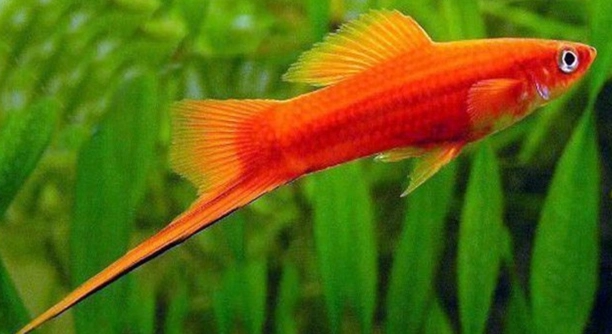
Swordtail fish are popular among aquarium enthusiasts, thanks to their colorful appearance and easy care. However, their health can sometimes be affected by small changes. One such concern is when their tails start to curl slightly, leaving owners puzzled.
Tail curling in swordtails is often caused by poor water quality, such as high ammonia or nitrate levels, or by stress from overcrowding or abrupt temperature changes. It’s essential to address these factors to prevent further health issues.
Understanding why your swordtail’s tail is curling is crucial for maintaining its well-being. This article will help guide you through the possible causes and the steps you can take to improve your fish’s environment.
Poor Water Quality Can Cause Tail Curling
Swordtail fish are very sensitive to water conditions. High levels of ammonia, nitrates, or nitrites can damage their health and cause abnormal behaviors like tail curling. These harmful substances can build up quickly if the aquarium isn’t properly maintained, which stresses your fish. Poor water quality leads to weakened immune systems, making the fish more vulnerable to infections and diseases, which may cause their tail to curl as a sign of discomfort.
Even small fluctuations in water temperature can cause stress to swordtails, especially if they are subjected to sudden changes. Over time, this consistent stress can lead to health problems, including tail deformities. Regular water changes, using a good filtration system, and monitoring the water parameters (such as pH and hardness) are essential to keeping your fish healthy. If your swordtail’s tail is curling, check the water quality first to rule out environmental causes.
Maintaining a stable and clean aquarium environment is key to preventing tail issues. Regular testing for ammonia, nitrites, and nitrates will help you catch problems early before they harm your fish. Be sure to use a reliable water testing kit to monitor these levels regularly.
Stress from Overcrowding
Swordtails are social fish but need enough space to thrive. When kept in overcrowded tanks, they experience increased stress. This stress can manifest in many ways, including changes in behavior and physical appearance. One of the first signs you might notice is tail curling. When there isn’t enough room to swim freely, swordtails become agitated, and their immune system weakens. This opens the door for illness and deformities like curled tails.
Overcrowding can also lead to fights over territory or food. Swordtails, particularly males, may fight if they feel their space is being invaded. This constant fighting causes additional stress, which can worsen the tail curling issue. Providing plenty of space for each fish helps reduce competition and gives them room to swim comfortably.
To prevent overcrowding, be sure to follow the recommended stocking guidelines based on tank size. A good rule of thumb is one inch of fish per gallon of water. If you have a smaller tank, avoid overloading it with too many swordtails.
Temperature Fluctuations Can Contribute to Tail Curling
Swordtails are sensitive to sudden temperature changes in their tank. If the water temperature fluctuates too much, it can cause stress, which might lead to tail curling. Keeping the temperature stable between 72°F and 82°F (22°C to 28°C) is ideal. Anything outside this range can weaken their immune system.
Temperature changes often occur due to improper heater settings or external factors like drafts or nearby windows. Swordtails are naturally found in warm waters, and their bodies are adapted to stable temperatures. Sudden drops or rises in temperature can affect their metabolism and cause abnormal behaviors like tail curling. Inconsistent heating also leads to stress, as your swordtail struggles to adapt.
To avoid this, consider investing in a reliable aquarium heater with a thermostat. Check your tank’s temperature regularly using a thermometer to ensure it stays within the optimal range. Avoid placing the aquarium in areas with fluctuating temperatures, like near open windows or vents, to maintain a steady environment.
Poor Diet May Affect Your Swordtail
A poor or imbalanced diet can contribute to the development of physical issues, including tail curling. Swordtails need a variety of nutrients, including proteins, fats, and vitamins, to maintain their health. If they aren’t getting a balanced diet, their immune system can weaken, leading to deformities and infections. Inadequate nutrition can result in physical changes, such as a curled tail.
Feeding your swordtails high-quality flakes or pellets is crucial for their health. You should also occasionally offer live or frozen foods like brine shrimp, daphnia, or bloodworms to ensure they get enough protein. A varied diet ensures that they receive all the necessary nutrients for growth and overall well-being. Overfeeding or underfeeding can also cause health issues, so be sure to feed them in moderation.
Providing a healthy diet not only boosts your swordtail’s immune system but also prevents many common fish diseases. Always make sure to remove any uneaten food after feeding to keep the water clean.
Possible Disease or Infection
Swordtails, like other fish, are susceptible to diseases and infections that may cause physical changes like tail curling. Infections, especially those affecting the skin or fins, can make the tail appear deformed. Diseases such as fin rot or bacterial infections can cause the tissue around the tail to deteriorate, leading to curling.
It’s important to monitor your swordtail for any other symptoms of illness, such as faded color, lethargy, or clamped fins. If you notice these signs along with tail curling, an infection might be the cause. Addressing the illness early can prevent further complications and tail damage.
Treating infections promptly with appropriate medication can help save your fish from further harm. Make sure to isolate any sick fish to prevent the spread of disease to healthy tankmates. Proper care and cleanliness go a long way in avoiding such issues.
Genetic Factors Can Play a Role
Sometimes, tail curling in swordtails may be due to genetic factors. Some fish might have inherited a tendency for tail deformities, even if the water quality, temperature, and diet are all in check. This genetic predisposition is rare but can still occur, particularly in poorly bred swordtails.
Although genetic issues can’t always be prevented, buying swordtails from reputable breeders who focus on healthy genetics can reduce the risk of such deformities. If you notice tail curling in younger swordtails, it might be helpful to examine their parents’ health and look for any genetic patterns.
FAQ
Why is my swordtail’s tail curling?
Tail curling in swordtails is usually a sign of stress or poor health. The most common causes are poor water quality, overcrowding, sudden temperature fluctuations, or an inadequate diet. In some cases, the curling could be due to a bacterial infection or a genetic issue. To find the exact cause, you’ll need to check your tank’s water parameters, ensure the fish aren’t stressed, and rule out any diseases. Adjusting the environment and providing a balanced diet can help resolve the issue.
How can I prevent my swordtail’s tail from curling?
To prevent tail curling, focus on maintaining optimal water quality. Regular water changes, proper filtration, and checking for ammonia or nitrate spikes are essential. Keep the water temperature stable, avoiding sudden changes, and avoid overcrowding the tank. Additionally, provide a varied and nutritious diet to ensure the fish stay healthy and strong. If there are any signs of disease, treat them promptly to avoid further damage to your swordtail.
Can water quality affect my swordtail’s tail?
Yes, poor water quality can cause several health problems, including tail curling. High ammonia, nitrites, or nitrates in the water can stress your swordtail and affect its fins. Regular water testing is essential to ensure your aquarium has the proper balance of these chemicals. Keeping the tank clean, filtering the water effectively, and conducting regular water changes can help keep your fish healthy.
What temperature should my swordtail’s tank be?
Swordtails prefer water temperatures between 72°F and 82°F (22°C to 28°C). Maintaining a stable temperature within this range is crucial for their well-being. Sudden drops or increases in temperature can stress the fish and lead to health issues like tail curling. Use a reliable heater with a thermometer to monitor the temperature regularly.
Can overcrowding cause tail curling in swordtails?
Yes, overcrowding can cause stress in swordtails, leading to issues like tail curling. When too many fish are kept in a small tank, they struggle for space and resources, causing physical stress. This stress weakens their immune systems, making them more vulnerable to diseases and deformities. Ensure your tank is appropriately stocked based on its size to avoid overcrowding and minimize stress.
What should I feed my swordtail to keep it healthy?
To keep your swordtail healthy, feed it a variety of high-quality foods. Use flakes or pellets designed for tropical fish, and occasionally offer live or frozen foods such as brine shrimp, daphnia, or bloodworms for extra protein. Avoid overfeeding, as uneaten food can pollute the water and harm the fish. A balanced diet ensures your swordtail gets the right nutrients to prevent health problems, including tail curling.
Can genetic issues cause tail curling in swordtails?
In some cases, genetic factors can contribute to tail curling in swordtails. Poor breeding practices may lead to fish with a genetic predisposition to physical deformities, including curled tails. If your swordtail’s tail curling appears to be a hereditary issue, consider purchasing fish from reputable breeders who focus on healthy genetics to reduce the risk of inherited defects.
How do I know if my swordtail has an infection?
Infections may cause tail curling along with other signs of illness. Look for symptoms like faded coloration, lethargy, clamped fins, or lesions on the skin or fins. If your swordtail has a swollen or decaying tail, or if the tail seems to be deteriorating over time, it could be a sign of a bacterial infection or fin rot. Quarantine the affected fish and begin treatment with an appropriate medication as soon as possible.
Can stress from other fish cause tail curling?
Yes, stress from other tank mates can cause swordtails to curl their tails. Aggressive fish or an overly competitive environment can lead to stress, which in turn weakens the swordtail’s immune system. If you notice that one or more fish are being picked on, you may need to rearrange the tank or add hiding places to help the swordtail feel safe.
Should I remove a sick swordtail from the tank if it has a curled tail?
If you suspect that your swordtail has an infection or is showing signs of disease along with the tail curling, it’s a good idea to remove it from the main tank. This prevents the spread of any potential disease to the other fish. Place the sick swordtail in a separate quarantine tank and begin treatment according to the symptoms you observe.
Can medications fix my swordtail’s tail curling?
Medications can be helpful if the tail curling is caused by an infection or disease. Fin rot and other bacterial infections can cause the tail to curl or deteriorate, and treating these infections with appropriate medications can help the fish recover. However, if the curling is due to environmental stress or genetic factors, medications will not resolve the issue. Adjusting the water quality and tank conditions is necessary in such cases.
Final Thoughts
Tail curling in swordtail fish can be caused by a variety of factors, from poor water quality to stress or even diseases. Identifying the cause is essential in addressing the issue. If the water conditions in your aquarium aren’t ideal, it can lead to stress, weak immune systems, and visible deformities like tail curling. Regular water testing and maintenance, such as performing water changes and ensuring proper filtration, are essential for keeping your swordtail healthy. A stable and clean environment is the foundation for preventing many common fish problems, including tail deformities.
In addition to water quality, factors like overcrowding, sudden temperature fluctuations, and an unbalanced diet can contribute to your swordtail’s tail curling. Swordtails need a proper amount of space to swim freely and should not be kept in tanks that are overcrowded. Stress from competing for space or food can negatively impact their health, making them more prone to issues like tail curling. Providing a variety of foods, including high-quality flakes and occasional live or frozen foods, helps support their immune system and ensures they receive all the nutrients they need for healthy growth and development.
Lastly, some swordtails may experience tail curling due to genetic factors. While this is rare, it can happen, especially with fish from poor breeding lines. If the issue is genetic, unfortunately, it cannot be fixed with environmental changes. However, by choosing swordtails from reputable breeders who focus on health and genetics, you can reduce the likelihood of inheriting genetic deformities. Whether the cause is environmental or genetic, keeping a close eye on your fish’s health and making adjustments when needed will help ensure they live a long and healthy life.

Hello,
If you enjoy the content that we create, please consider saying a "Thank You!" by leaving a tip.
Every little bit helps us continue crafting quality advice that supports the health, happiness, and well-being of pets around the world, for pets of all shapes, sizes, and species.
We really appreciate the kindness and support that you show us!