
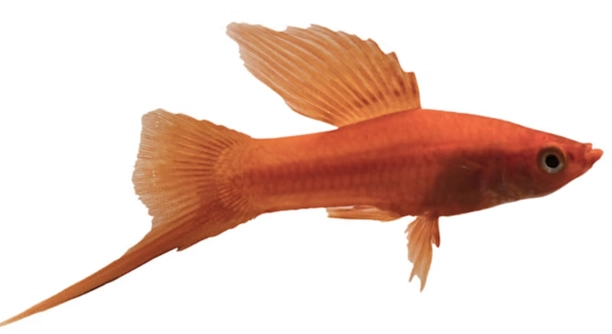
Is your swordtail not moving in your aquarium? You may be concerned about its health or behavior, and understanding why this is happening can help you address the situation effectively.
A swordtail’s lack of movement may be caused by a variety of factors, including poor water quality, stress, illness, or an inappropriate tank environment. To restore normal behavior, it is essential to assess the water conditions and the overall environment.
Identifying these factors will help you provide the necessary care and make adjustments to ensure your swordtail remains healthy and active.
Water Quality
Poor water quality is a common reason why swordtails may stop moving. Fish are very sensitive to their environment, and if the water has too much ammonia, nitrites, or an improper pH, it can cause stress. Test the water regularly to check for these imbalances. It’s important to perform water changes frequently to maintain a clean and safe environment for your fish.
If you haven’t tested the water yet, do so immediately. Ensuring the temperature is correct and the levels of ammonia and nitrates are low will help your swordtail recover. Clean filters and avoid overcrowding in the tank to maintain stable conditions.
In addition to water quality, make sure the water temperature stays within the recommended range of 72-78°F. Fluctuations in temperature can cause stress, leading to lethargy. Swordtails also prefer soft water with low hardness. When these factors are balanced, your swordtail should feel comfortable and resume its usual activity level. Always monitor the water parameters and take action if anything seems off.
Stress Factors
Stress can also cause a swordtail to become inactive. It can come from a variety of sources, such as aggressive tank mates, sudden changes in the environment, or loud noises near the tank. Swordtails are generally peaceful but can become stressed when kept with more aggressive species or if there is too much movement around their tank.
In cases where tank mates are causing stress, consider rearranging the setup or adding hiding places. A calm environment can make all the difference. Reducing any loud noises and ensuring your swordtail has a space to retreat to can ease its anxiety. Ensuring your fish feels safe and secure will promote better health.
Illness or Injury
Swordtails may become inactive if they are sick or injured. If the fish is showing signs of lesions, fin rot, or abnormal body posture, it’s crucial to address the issue immediately. Look out for any changes in skin color or swimming patterns.
Common illnesses that affect swordtails include fungal infections, parasites, and swim bladder disorder. These conditions can cause lethargy and loss of appetite. If you suspect illness, consider quarantining the sick fish in a separate tank. This allows you to treat it without affecting other fish. It’s important to monitor your swordtail for any signs of further health deterioration.
Injuries can also cause your swordtail to stop moving. Fish that are attacked by other tank mates or that have collided with hard surfaces may become injured. If this happens, isolate the affected fish and give it a stress-free environment to recover. Providing extra care, including proper water quality and temperature, can help it heal faster.
Tank Environment
The environment in which your swordtail lives plays a major role in its behavior. If the tank setup is not suitable, your swordtail may avoid moving. Swordtails prefer planted tanks with plenty of space to swim and explore.
Tank conditions such as overcrowding can make the swordtail feel restricted and stressed. Overcrowded tanks are a breeding ground for poor water quality and increased aggression between fish. Ensure your tank is appropriately sized for the number of fish you have and has enough plants and decorations for hiding and swimming.
A poor tank setup may also affect the swordtail’s mental well-being. If it lacks sufficient places to hide or explore, the fish can become inactive. Swordtails enjoy a balanced environment with room for movement, as it mimics their natural habitat. Ensure the tank is large enough to accommodate them comfortably and offers enough stimulation.
Water Temperature
Water temperature can greatly affect your swordtail’s activity. If the water is too cold, the fish may become lethargic and stop moving. Swordtails prefer a stable temperature range of 72-78°F.
Fluctuations in temperature can cause stress, leading to inactivity. It’s important to use an aquarium heater to maintain a consistent temperature. Sudden drops or increases in temperature can weaken your swordtail’s immune system, making it more susceptible to illness. Make sure to monitor the water regularly and adjust the heater as needed to keep the temperature stable.
Overfeeding
Overfeeding your swordtail can also lead to inactivity. Excess food can pollute the water, decreasing oxygen levels and making it harder for your fish to swim.
Swordtails should be fed small portions of food that they can consume within a few minutes. Overfeeding can lead to uneaten food decaying in the tank, which can cause water quality to drop, further stressing the fish. This can also lead to obesity, making the swordtail less active. Keep an eye on how much food is left behind and adjust feeding habits accordingly.
Aggressive Tank Mates
Aggressive tank mates can lead to your swordtail staying still and avoiding movement. Fish that are overly aggressive may bully or chase the swordtail, causing it to hide or stop swimming.
If aggression is observed, consider moving the aggressive fish to a different tank. Swordtails are peaceful and thrive in a calm, relaxed environment. They do well with other peaceful species but may struggle with more aggressive fish. Ensuring a peaceful community will help keep your swordtail moving and healthy.
FAQ
Why is my swordtail not swimming and just staying at the bottom of the tank?
If your swordtail is staying at the bottom of the tank, it could be due to poor water quality or stress. Swordtails are usually active swimmers, and if they are not moving much, it’s often a sign that something is wrong. First, check the water parameters, including ammonia, nitrate, and pH levels. A sudden shift in water temperature or dirty water can also cause them to retreat to the bottom. Also, consider if there are any aggressive tank mates, as this could cause stress.
How do I know if my swordtail is sick?
Signs of illness in swordtails include lethargy, discoloration, abnormal swimming patterns, and loss of appetite. You may also notice visible lesions, bloating, or frayed fins. If you observe these symptoms, it’s best to isolate the sick fish to prevent the illness from spreading. A proper diagnosis can be made by examining the fish more closely and observing its behavior. If needed, consult with a vet who specializes in fish.
Can my swordtail stop moving due to stress?
Yes, stress can definitely cause a swordtail to stop moving. Stressors like aggressive tank mates, overcrowding, or sudden changes in the environment can make a swordtail feel unsafe, which may result in it becoming inactive. Try to minimize loud noises, sudden water changes, or aggressive interactions. A peaceful tank environment is key to a healthy, active swordtail.
What should I do if my swordtail is swimming upside down?
Swimming upside down is usually a sign of swim bladder disorder, a common issue in aquarium fish. This condition affects the fish’s ability to control its buoyancy. Swim bladder problems can be caused by overfeeding, poor water quality, or infection. If you notice your swordtail swimming upside down, check the water parameters and reduce the feeding schedule. You can also try feeding it a high-fiber food, like peas, to help with digestion. In severe cases, a quarantine tank may be necessary for treatment.
How do I treat swim bladder disorder in swordtails?
To treat swim bladder disorder, first ensure that your swordtail’s diet is appropriate. Overfeeding or feeding improper foods can contribute to the problem. Offering small portions of food and including fiber-rich options, such as blanched peas, may help. Additionally, make sure the water quality is ideal with regular water changes and proper filtration. If the condition persists, consult with a fish vet, as antibiotics or other treatments may be needed.
Can overfeeding cause my swordtail to stop moving?
Yes, overfeeding can contribute to inactivity in swordtails. When too much food is added to the tank, it can pollute the water and create an environment that is harmful to the fish. Excess food decays, consuming oxygen and making it harder for your swordtail to swim freely. Additionally, overfeeding can lead to obesity in fish, making them sluggish. Stick to feeding small amounts that your swordtail can eat in a few minutes, and avoid leaving uneaten food in the tank.
How long should I wait before noticing improvements in my swordtail’s activity?
It depends on the underlying cause, but you should start seeing improvements within a few days to a week after addressing the issue. If your swordtail’s inactivity is due to poor water quality, make sure to clean the tank and adjust the water parameters. For stress or illness, isolating the fish from potential aggressors and providing proper care can help speed up recovery. However, if you don’t see any improvement after several days, it may be necessary to seek advice from a fish specialist.
What temperature should I keep my swordtail tank at?
Swordtails prefer a water temperature between 72°F and 78°F. Temperatures outside of this range can cause stress and affect their health. Too cold, and they become lethargic; too warm, and they may become stressed or prone to diseases. A stable temperature is crucial for the well-being of your swordtail, so using a reliable aquarium heater is highly recommended to maintain a consistent environment.
What should I do if my swordtail is hiding all the time?
If your swordtail is constantly hiding, it could be a sign of stress or illness. First, check the water quality and ensure it’s within the correct parameters. Poor water quality or sudden changes in the tank environment can cause a swordtail to retreat and hide. Also, consider if there are any aggressive fish in the tank or if there’s not enough hiding spots. Adding more plants or decorations can help your swordtail feel more secure and encourage it to come out.
Can swordtails become inactive when they are breeding?
Yes, swordtails may become less active when they are breeding. During mating, they might spend more time hiding or staying still, especially if the female is pregnant. It’s normal for swordtails to slow down a bit during this time, but they should still move occasionally. Ensure the water quality remains optimal and provide hiding spots for the female if she needs privacy. If the inactivity lasts too long or worsens, check for other issues, such as illness or water problems.
Is it normal for swordtails to not move much at night?
Swordtails are generally more active during the day and rest at night, so it’s normal for them to be less active after the lights are turned off. However, if your swordtail remains inactive throughout the day and night, it could indicate a health problem or environmental stress. Monitor your fish’s behavior, and if inactivity continues for an extended period, investigate potential issues with water quality, temperature, or tank mates.
How can I tell if my swordtail is depressed?
While fish cannot experience depression the same way humans do, they can become lethargic due to stress, poor water conditions, or illness. A depressed-looking swordtail may swim in circles, stay at the bottom, or show less interest in food. If your swordtail has been exhibiting such behavior, it’s important to rule out water quality issues, aggression from tank mates, or any signs of illness. A peaceful, comfortable environment should help the fish feel better.
Final Thoughts
Swordtails are generally active and hardy fish, but they can become inactive due to a variety of factors. If your swordtail is not moving, it’s important to first examine the water quality. Poor water conditions, such as incorrect temperature, high levels of ammonia or nitrates, or improper pH, can all contribute to lethargy. Ensuring that the water parameters are within the ideal range for swordtails is essential to their overall health. Regular water changes, proper filtration, and using a reliable heater to maintain a stable temperature are crucial steps in preventing inactivity caused by water issues.
Another key factor to consider is stress. Swordtails are peaceful fish and can become inactive if they feel threatened. Aggressive tank mates, overcrowding, or a lack of hiding spots can cause your swordtail to retreat or stop swimming altogether. Creating a peaceful, well-decorated tank with plenty of plants or structures for hiding can help reduce stress. Additionally, avoid sudden changes in the tank environment, such as large water temperature fluctuations or frequent rearranging of decorations, as these changes can also stress your fish and lead to inactivity.
Lastly, overfeeding and related issues, such as swim bladder disorders, can also contribute to inactivity in swordtails. It’s important to feed your fish appropriately, offering small amounts of food that they can consume within a few minutes. Excess food left in the tank can cause water quality to degrade, which may make your swordtail less active. If swim bladder problems occur, adjusting feeding habits and offering fiber-rich foods like peas can help. Monitoring your fish regularly and paying attention to their behavior will help ensure that any issues are identified early, allowing for quicker solutions and a healthier, more active swordtail.

Hello,
If you enjoy the content that we create, please consider saying a "Thank You!" by leaving a tip.
Every little bit helps us continue crafting quality advice that supports the health, happiness, and well-being of pets around the world, for pets of all shapes, sizes, and species.
We really appreciate the kindness and support that you show us!