
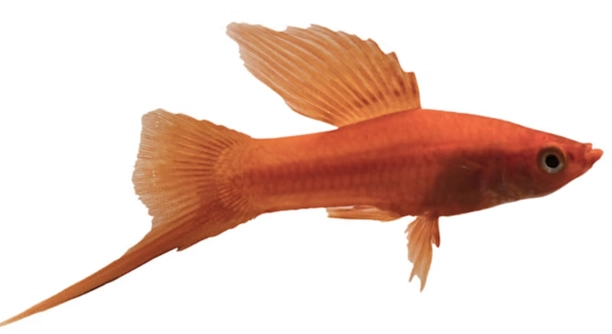
Swordtails are popular fish in home aquariums, known for their active behavior and vibrant colors. However, it can be concerning when your swordtail refuses to eat, leaving you wondering if something is wrong.
The main reasons a swordtail may not eat include stress, water quality issues, illness, or improper feeding. Identifying the cause and addressing it promptly can help restore your fish’s appetite and overall health.
Finding the right approach to fix the issue can make all the difference. We’ll cover common causes and helpful solutions to help your swordtail get back to its usual self.
Stress and Anxiety in Swordtails
Stress is one of the leading reasons why a swordtail may stop eating. These fish are highly sensitive to their environment, and changes in water conditions, temperature, or tank mates can cause them to feel anxious. Swordtails are social creatures and can be affected by overcrowding or bullying from other fish. A stressed swordtail may hide more often, swim erratically, or refuse food.
If your swordtail is stressed, it’s essential to check the tank environment. Ensure that the water temperature is stable, typically between 72-78°F, and that the water quality is optimal. Ammonia, nitrites, and nitrates should all be within safe limits. Tank decorations or plants can also provide hiding spaces and reduce stress. Consider adding more hiding spots if your fish feel exposed or threatened.
Swordtails can be sensitive to sudden changes in their environment. They also prefer peaceful surroundings, so avoid adding aggressive tank mates. Monitoring your fish’s behavior can help you pinpoint stress-related issues, allowing you to fix the problem more quickly. A calm tank can encourage your swordtail to feel secure enough to resume eating.
Illness and Disease in Swordtails
Swordtails, like any other fish, are susceptible to various illnesses and infections. When they feel unwell, their appetite can drop significantly. Common diseases include fin rot, swim bladder disorder, or parasites. These conditions can make it painful or difficult for your swordtail to feed.
If you suspect illness, closely monitor your swordtail’s behavior. Look for signs like faded colors, abnormal swimming patterns, or lesions on their body. It’s important to quarantine sick fish to prevent spreading diseases to healthy ones. Early diagnosis and treatment can help prevent further complications and get your swordtail eating again.
Regular water changes and proper filtration help maintain a healthy tank, reducing the risk of infections. Always ensure that your swordtail’s diet consists of nutritious, varied food, and avoid overfeeding. If your swordtail’s health doesn’t improve, seek advice from an aquarium specialist or veterinarian for further guidance. Taking action quickly can often help your fish recover and return to their normal eating habits.
Poor Water Quality
Water quality plays a huge role in your swordtail’s health. If the tank water isn’t clean or has an imbalance in its chemical levels, your swordtail may stop eating. Ammonia, nitrites, and high nitrates can be toxic to fish.
To maintain water quality, test the water regularly and perform partial water changes at least once a week. Ensure your filtration system is working properly to keep the water clean. Swordtails are sensitive to fluctuations, so aim for consistent water conditions. Keep an eye on pH, hardness, and temperature to avoid causing stress.
In addition to water changes, remove any uneaten food promptly to avoid pollution. Overfeeding can quickly deteriorate water quality and make your fish sick. Keep the tank clean by vacuuming the substrate to remove debris. Healthy water means a healthy swordtail, which should help encourage your fish to eat regularly.
Feeding Issues
If you’re offering the wrong type of food, your swordtail may refuse to eat. Swordtails need a balanced diet that includes both plant-based and protein-based foods. A lack of variety can make feeding time dull for them.
Swordtails are omnivores, meaning they need a mix of foods like flakes, pellets, and occasional live or frozen foods like brine shrimp or daphnia. If your swordtail isn’t eating the food provided, consider switching to a different brand or trying a new food type. Some fish may prefer one type of food over another.
If your swordtail isn’t eating, also check that the food is appropriately sized. Too large or small pieces may discourage your fish from trying them. The key is to experiment with different options until you find what they enjoy.
Overfeeding
Overfeeding is another common reason why swordtails may stop eating. If you provide too much food, your fish might not feel the need to eat because there’s already excess in the tank.
Excess food can also lead to poor water quality. It’s important to feed your swordtail only what it can consume in a few minutes. Avoid leaving uneaten food in the tank for too long. This helps keep the tank cleaner and ensures your fish eat what’s necessary for their health.
Temperature Stress
Swordtails are sensitive to water temperature. If the tank is too cold or too hot, your fish may not eat.
The ideal water temperature for swordtails is between 72°F and 78°F. Anything outside this range can cause stress, making your fish lose its appetite. Use a reliable thermometer to monitor the temperature and adjust the heater if needed. Swordtails thrive in stable environments, so keep the temperature consistent.
Tank Mates and Compatibility
Aggressive tank mates can cause your swordtail to feel stressed and avoid eating. Swordtails are peaceful but may stop eating if they are bullied or chased.
Before adding new fish, research their compatibility with swordtails. Aggressive species, like certain cichlids, may not be suitable. Also, consider the size of the tank. Overcrowding can create tension, reducing your swordtail’s willingness to eat. If your swordtail is being bullied, separating the aggressor can help restore normal behavior.
FAQ
Why is my swordtail not eating after a water change?
A swordtail might stop eating after a water change due to sudden shifts in water temperature, pH, or other water parameters. If the water change was too drastic, it could stress your fish. Always make sure the new water matches the temperature and pH of the tank to minimize stress. If your swordtail seems unsettled, give it time to adjust to the new conditions. Ensure that the water you add is clean and properly treated to avoid introducing harmful chemicals or chlorine.
Can overfeeding cause my swordtail to stop eating?
Yes, overfeeding can cause your swordtail to stop eating. If there’s too much food in the tank, your fish may not feel the need to eat. Additionally, uneaten food can lead to poor water quality, making your fish uncomfortable and less likely to eat. Stick to feeding small amounts your swordtail can consume in a few minutes, and remove any excess food from the tank promptly.
How can I tell if my swordtail is sick?
Signs that your swordtail might be sick include faded colors, abnormal swimming patterns, lethargy, or visible lesions on the body. A sick swordtail may also have difficulty swimming or may stay at the bottom of the tank for long periods. If you notice these symptoms, check water quality and consider quarantining your fish to prevent the spread of illness to other tank mates. Consulting an aquarium specialist or vet for a diagnosis can help.
What is the best temperature for a swordtail?
Swordtails thrive in water temperatures between 72°F and 78°F. If the water is too hot or too cold, it can cause stress, leading to a loss of appetite. Maintaining a stable temperature is crucial. Use a reliable aquarium heater and thermometer to keep the water within this range. Fluctuations in temperature can also be harmful, so consistency is key for keeping your swordtail healthy and active.
Can I feed my swordtail live food?
Yes, feeding swordtails live food can be a great addition to their diet. Swordtails enjoy live foods like brine shrimp, daphnia, and bloodworms. These can help stimulate their appetite and offer them variety in their meals. However, it’s important to offer live food in moderation to avoid overfeeding, and always ensure that the live food is from a safe, clean source to prevent introducing parasites into the tank.
Why is my swordtail hiding and not eating?
If your swordtail is hiding and not eating, it could be due to stress, illness, or poor water conditions. Swordtails are social fish, and hiding may indicate they feel threatened or unwell. First, check the water quality and temperature. Ensure there are enough hiding spots in the tank and that no aggressive tank mates are causing stress. If the behavior persists, monitor for signs of illness and consider isolating the fish for further observation.
Should I change the water if my swordtail isn’t eating?
Yes, changing the water could help if your swordtail isn’t eating, especially if the water quality is poor. Poor water conditions can make fish feel stressed and reduce their appetite. Performing a water change can refresh the tank, remove toxins, and create a healthier environment. Always test the water before and after the change to ensure the parameters are safe and stable for your fish.
Can tank mates affect my swordtail’s eating habits?
Yes, tank mates can significantly affect your swordtail’s eating habits. Aggressive or overly dominant fish may intimidate your swordtail, causing stress and a loss of appetite. If you have aggressive tank mates, consider separating them or finding more compatible species. Swordtails are peaceful and prefer calm, social environments, so it’s essential to choose tank mates that won’t cause anxiety.
How often should I feed my swordtail?
Swordtails should be fed small meals 2-3 times a day. Offer just enough food that they can consume in a few minutes. Overfeeding can lead to poor water quality and health issues, so it’s essential to monitor the amount of food given. Swordtails enjoy variety, so mix up their diet with flakes, pellets, and occasional live or frozen foods.
Can swordtails eat vegetables?
Yes, swordtails can eat vegetables as part of their balanced diet. They are omnivores and benefit from plant-based foods such as spinach, zucchini, and peas. You can blanch vegetables to soften them before offering them to your swordtail. A mix of plant matter and protein helps keep your fish healthy and well-fed.
Why won’t my swordtail eat frozen food?
If your swordtail refuses frozen food, it could be due to the type of food offered or the way it’s prepared. Some swordtails may be hesitant to try frozen food, especially if they are used to dry flakes or pellets. Try thawing the food thoroughly and offering it in smaller pieces. If your fish continues to refuse it, consider offering other types of food to see if they have a preference.
Do swordtails need a varied diet?
Yes, swordtails need a varied diet to stay healthy. A combination of high-quality flakes, pellets, and occasional live or frozen food will provide the necessary nutrients for their growth and energy. A lack of variety can lead to nutritional deficiencies, making your swordtail more prone to illness and loss of appetite.
How long can a swordtail go without eating?
Swordtails can survive for several days without food, but it’s not ideal for their health. A loss of appetite lasting for more than a few days should be a concern. It’s essential to address the cause, whether it’s stress, illness, or water quality issues. A prolonged lack of food can weaken your fish, making it more susceptible to health problems.
Final Thoughts
When your swordtail isn’t eating, it can be worrying, but most of the time, it’s due to common, manageable issues like water quality, stress, or diet. Swordtails are hardy fish, and with a little attention, you can usually get them back on track. The key is to observe your fish closely and understand what might be causing the problem. Whether it’s adjusting water conditions, checking tank mates, or providing a more varied diet, small changes can often lead to big improvements in your fish’s health.
Paying attention to the tank environment is essential. Swordtails are sensitive to changes in water temperature, cleanliness, and chemical balance. Regular water testing and maintenance are the best ways to keep things in check. Keeping your tank well-maintained also helps prevent the growth of harmful bacteria or parasites that could make your swordtail sick. Ensuring that your fish are not stressed by other aggressive tank mates or overcrowding will also contribute to their overall well-being. If your swordtail continues to refuse food, a check-up on these basic factors might solve the problem.
Remember, it’s also important to be patient. Swordtails can be picky eaters or simply take time to adjust to new foods or environments. If the issue persists for a long time, or if you notice symptoms of illness, seeking advice from an aquarium specialist or veterinarian could be helpful. Taking these simple steps and remaining calm can help you create a healthy, happy environment for your swordtail to thrive in. By keeping things stable and being mindful of your fish’s needs, you can likely prevent future feeding problems.

Hello,
If you enjoy the content that we create, please consider saying a "Thank You!" by leaving a tip.
Every little bit helps us continue crafting quality advice that supports the health, happiness, and well-being of pets around the world, for pets of all shapes, sizes, and species.
We really appreciate the kindness and support that you show us!