
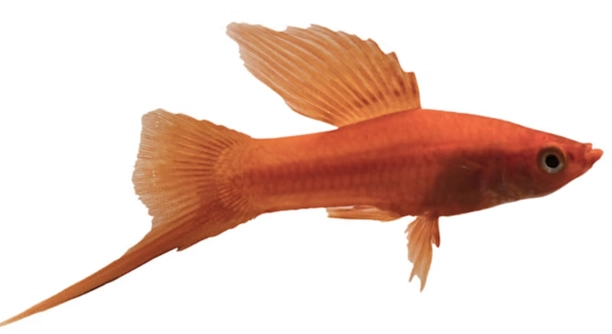
Swordtails are beautiful fish, but when they start losing weight, it can be a concerning issue. Understanding why this happens is important for their health and well-being. Let’s explore the potential causes behind this problem.
The most common reasons for weight loss in swordtails are poor water quality, improper diet, and stress. These factors can lead to malnutrition, weakened immune systems, and reduced overall health, causing your swordtail to lose weight.
Understanding the root cause of your swordtail’s weight loss will help you take the right steps to improve their condition and keep them healthy.
Water Quality and Its Impact on Swordtail Health
Poor water quality is one of the leading causes of weight loss in swordtails. If your aquarium’s water parameters aren’t ideal, it can put unnecessary stress on your fish, leading to a weakened immune system and loss of appetite. Swordtails thrive in clean, well-maintained water. When ammonia, nitrite, or nitrate levels rise, it can directly affect their health, causing them to lose weight over time.
Ensuring that your aquarium is properly filtered and that water changes are done regularly is essential for keeping your swordtail healthy.
Make sure to test your aquarium water at least once a week. Proper water conditions not only prevent weight loss but also improve the overall well-being of your fish, keeping them active and vibrant.
Stress and Its Role in Weight Loss
Stress is another significant factor that can contribute to weight loss in swordtails.
Swordtails can easily become stressed due to changes in their environment, such as overcrowding, aggressive tank mates, or sudden temperature fluctuations. Stress weakens their immune system, making them more susceptible to illness and affecting their feeding habits. A stressed swordtail may stop eating or become lethargic, leading to noticeable weight loss.
Creating a stable and peaceful environment for your swordtail is key. This involves ensuring they have enough space to swim, providing appropriate hiding spots, and monitoring tank conditions closely. When swordtails feel safe and secure, they are more likely to thrive, maintaining a healthy weight and good overall health.
Diet and Nutrition
Swordtails require a well-balanced diet to stay healthy. If they aren’t getting the right nutrients, they may start losing weight. Poor nutrition can result from feeding them only one type of food or offering low-quality options.
A healthy diet for swordtails includes a mix of high-quality flakes, pellets, and occasional live or frozen foods like brine shrimp or daphnia. These provide essential vitamins and minerals. A lack of variety in their diet can cause malnutrition, making it harder for them to maintain a healthy weight.
Make sure to feed your swordtail small amounts of food several times a day. Overfeeding can lead to water quality issues, while underfeeding can cause them to lose weight. Maintaining a balanced and varied diet is crucial for their health and vitality.
Illness and Parasites
Illness and parasites are common reasons swordtails lose weight.
Parasites can make it difficult for your fish to absorb nutrients, resulting in weight loss. If your swordtail is lethargic, has visible skin lesions, or is swimming erratically, it may be suffering from a parasite or infection.
Treatment for parasitic infections involves isolating the affected fish, adjusting water conditions, and using medications that target specific parasites. Regular water testing and monitoring the fish’s behavior are essential in detecting illness early. By addressing health issues promptly, you can help your swordtail regain its health and prevent further weight loss.
Overcrowding and Space Issues
Overcrowding can lead to stress and health problems for swordtails. When too many fish are kept in one tank, they may not have enough space to swim freely, which can cause anxiety and result in weight loss.
To avoid overcrowding, ensure your tank has adequate space for all fish. A general rule is to provide at least 1 inch of fish per gallon of water. By giving swordtails enough room, they’ll feel more comfortable and are less likely to experience stress-related weight loss.
Temperature Fluctuations
Temperature changes can also impact a swordtail’s health and weight.
Swordtails prefer a consistent water temperature between 72°F and 78°F. Sudden fluctuations can cause stress and disrupt their digestion, leading to weight loss. Make sure to keep your tank’s heater in good working order and avoid placing your aquarium in areas with temperature changes, like near windows or air conditioners. Maintaining a stable environment ensures that your swordtail remains healthy and avoids stress-induced weight loss.
FAQ
Why is my swordtail not eating?
A swordtail may refuse to eat for several reasons, including stress, illness, poor water quality, or inadequate diet. If your swordtail is stressed due to overcrowding or aggressive tank mates, it may stop eating. Additionally, if the water quality isn’t ideal, such as high ammonia or nitrite levels, your swordtail may lose its appetite. Illness, such as parasites or infections, can also cause a lack of interest in food. Finally, if your swordtail is not offered a varied diet, it may become uninterested in the food provided.
How do I know if my swordtail is stressed?
Stress can manifest in several ways, such as lethargy, hiding more than usual, or swimming erratically. A stressed swordtail may also lose its appetite and show signs of aggressive behavior. If your swordtail is constantly hiding or not interacting with the other fish, it’s a sign that it may be stressed. Watch for physical signs like faded colors or torn fins, which can indicate stress from poor water conditions or fighting with tank mates.
Can swordtails lose weight if the water is dirty?
Yes, poor water quality is a common cause of weight loss in swordtails. When the water in the tank is dirty or improperly maintained, it can stress out your fish. High levels of ammonia, nitrite, or nitrate can harm your swordtail’s health, leading to weight loss, lethargy, and poor appetite. Regular water changes and proper filtration are essential for keeping your swordtail healthy and preventing weight loss.
How often should I feed my swordtail?
Swordtails should be fed small amounts of food once or twice a day. Overfeeding can lead to poor water quality, while underfeeding can cause your swordtail to lose weight. Make sure to offer a variety of foods, such as high-quality flakes, pellets, and occasional live or frozen foods like brine shrimp. Adjust the feeding schedule depending on your fish’s needs and behavior, but avoid overfeeding to maintain a healthy environment.
Can swordtails lose weight if they are sick?
Yes, illness can cause swordtails to lose weight. If your fish is infected with parasites, bacteria, or other diseases, it may stop eating or become lethargic. Infected swordtails may also appear skinny, with visible skin lesions or abnormal swimming patterns. It’s important to identify the illness early and treat it promptly. Using appropriate medications and adjusting the water conditions can help your swordtail recover and regain its health.
What type of food should I feed my swordtail to prevent weight loss?
To prevent weight loss, provide a varied and well-balanced diet. High-quality fish flakes or pellets should form the base of the diet, while live or frozen foods like brine shrimp, daphnia, or bloodworms can provide essential nutrients. Avoid feeding your swordtail only one type of food, as a lack of variety can lead to malnutrition. Feed small portions several times a day to ensure your fish gets enough food without overfeeding.
Is it okay to keep swordtails with other species?
Yes, swordtails are generally peaceful and can be kept with many other species of fish. However, overcrowding or housing them with aggressive tank mates can lead to stress and weight loss. It’s important to ensure that all fish in the tank are compatible and have enough space to swim. Swordtails should not be kept with overly aggressive fish that might bully them, as this will cause them to become stressed and may affect their appetite and weight.
How can I treat my swordtail if it is losing weight due to parasites?
If your swordtail is losing weight due to parasites, it’s important to treat the infection promptly. First, isolate the infected fish to prevent the spread of parasites to other tank mates. Use a medicated treatment that is specifically designed for the type of parasite your fish has. Adjusting the water conditions by ensuring the tank is clean and well-maintained will help speed up the recovery process.
Can water temperature affect swordtail weight loss?
Yes, fluctuations in water temperature can affect swordtail health and cause weight loss. Swordtails prefer a stable water temperature between 72°F and 78°F. If the temperature drops or rises suddenly, it can stress the fish, leading to a loss of appetite and weight. Make sure to monitor the temperature regularly and ensure that the heater is functioning properly. Keeping a stable temperature will help prevent stress and allow your swordtail to maintain a healthy weight.
Why is my swordtail’s color fading?
Faded colors in swordtails can be a sign of stress, poor water quality, or illness. When swordtails are stressed due to factors like overcrowding or aggressive tank mates, their colors may become dull or less vibrant. Poor water conditions, such as high levels of ammonia or nitrite, can also cause their colors to fade. If your swordtail is sick or has a parasite infection, its colors may dull as well. It’s important to address these issues quickly to prevent further health problems.
What’s the best tank size for swordtails?
Swordtails need a tank that’s large enough for them to swim freely. A 20-gallon tank is typically the minimum size for a group of swordtails, though a larger tank is recommended if you plan to house multiple fish. A larger tank provides more space and reduces the chances of overcrowding, which can cause stress and lead to weight loss. Ensuring your swordtails have plenty of swimming room and a well-maintained environment will help them stay healthy and active.
Can I prevent my swordtail from losing weight?
Yes, you can prevent weight loss in swordtails by maintaining a stable and clean environment. Ensure that the water quality is consistently good with regular water changes and proper filtration. Provide a varied diet that includes high-quality fish food and occasional live or frozen foods. Keep the tank temperature stable, avoid overcrowding, and monitor the health of your fish regularly. Taking these precautions will help your swordtail stay healthy and avoid weight loss.
Final Thoughts
Swordtails are generally hardy fish, but they can face various challenges that affect their health, such as weight loss. Common reasons for weight loss include poor water quality, overcrowding, stress, and illness. By monitoring the conditions in your tank and providing your swordtails with proper care, you can reduce the chances of them losing weight. Regular water changes, maintaining the right temperature, and feeding them a balanced diet are key factors that help ensure their well-being.
If you notice that your swordtail is losing weight, take action quickly to identify the cause. Check the water parameters, including ammonia, nitrites, and nitrates, and make adjustments if needed. If the fish seems sick, isolate it from other fish and consider using appropriate treatments for any parasites or infections. Keeping your swordtail in a stress-free environment with plenty of space and suitable tank mates can also improve their overall health and help prevent further weight loss.
Overall, taking the time to understand your swordtail’s needs will go a long way in maintaining its health and happiness. Regular tank maintenance, proper feeding practices, and a watchful eye for any signs of illness or stress will keep your swordtail thriving. With the right care, your swordtail should be able to regain its weight and enjoy a healthy, active life in your aquarium. By providing a stable environment and meeting its basic needs, your swordtail will be well on its way to recovery.

Hello,
If you enjoy the content that we create, please consider saying a "Thank You!" by leaving a tip.
Every little bit helps us continue crafting quality advice that supports the health, happiness, and well-being of pets around the world, for pets of all shapes, sizes, and species.
We really appreciate the kindness and support that you show us!