
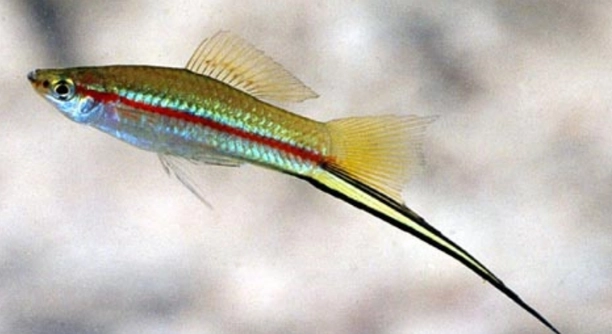
Swordtails are a popular fish species in many home aquariums, but sometimes they seem to ignore their fry. This behavior can leave fish owners puzzled, especially when they expect the adult fish to nurture the young ones.
There are several reasons why a swordtail might ignore its fry. Stress, improper water conditions, and even genetic factors can contribute to this behavior. Swordtails are known to prioritize their own health and may not instinctively care for their young.
Understanding why your swordtail behaves this way can help you address the issue and provide a better environment for your fish. Proper tank conditions and care are key to supporting the fry’s survival.
Why Swordtails Might Ignore Their Fry
Swordtails are livebearers, meaning they give birth to fully formed fry instead of laying eggs. In the wild, these fish are protective of their young, but in an aquarium, they may not behave the same way. Stress, overcrowding, and even environmental changes can cause swordtails to ignore their fry. A change in tank conditions, such as a sudden shift in water temperature or water quality, can stress the fish, leading to neglect of the offspring.
Moreover, some swordtails may not instinctively care for the fry because they do not have the same survival instincts as other fish species. In nature, these fish often live in large groups where many fry are born at once. This can lead to a situation where not all fry survive.
To help ensure your fry’s survival, creating an optimal environment is essential. Adding plants, hiding places, and adjusting water conditions can help. Proper feeding for both adults and fry is also important for the health of both.
Environmental Factors at Play
Aquarium conditions can influence how swordtails behave with their fry. When water temperature fluctuates or is improperly maintained, swordtails can become stressed. This can lead them to act aggressively or ignore their young altogether.
Proper water quality is key to ensuring your fish are healthy and attentive. Fish in poor water conditions may not have the energy or interest to care for their fry. Regular water changes and using a good filtration system can improve the environment, helping swordtails feel secure enough to engage with their offspring.
Stress and Overcrowding
Stress plays a significant role in a swordtail’s behavior toward its fry. Overcrowding is one of the main stressors, leading to aggressive or indifferent actions. When there are too many fish in the tank, there isn’t enough space for each one to thrive. Swordtails can become territorial and focus on defending their space rather than caring for their offspring.
Ensuring a suitable tank size for the number of fish can reduce stress. Swordtails are active swimmers, and they need enough room to feel secure. Additionally, maintaining a proper male-to-female ratio can prevent harassment, which can also reduce stress. If overcrowding is an issue, consider moving some fish to another tank to improve the environment for both the adults and the fry.
The Role of Genetics
Genetics can affect how a swordtail interacts with its fry. Some swordtails may simply lack the instinct to care for their young. While many fish species instinctively protect their fry, swordtails do not always exhibit this behavior. In some cases, the parental care instincts may be weaker or absent altogether.
Additionally, selectively breeding swordtails can influence how they behave toward their offspring. Over time, breeders may unintentionally breed fish with less strong parental instincts. It is important to consider these factors when selecting swordtails for your aquarium. Understanding their natural behavior helps set expectations for the care of the fry.
Feeding and Nutrition
The diet of swordtails can influence their behavior. If the adult fish are not getting enough nutrition, they may lack the energy to care for their fry. Proper nutrition is essential for the overall health of your fish. If swordtails are not well-fed, they may ignore the fry in favor of their own survival.
Offering a balanced diet that includes high-quality pellets, vegetables, and live food can help maintain healthy adults. In turn, this can improve their chances of engaging with their young. Additionally, ensure that the fry are getting the proper food as they grow. This ensures that both the adults and fry stay healthy, which can positively affect how they interact with each other.
Tank Setup and Hiding Spots
Swordtails are more likely to care for their fry if there are hiding spots in the tank. When fry are born, they need places to escape from the adults, who may see them as prey. Adding plants or decorations to create hiding spaces can increase the survival rate of the fry.
Without enough cover, the fry become vulnerable. If the swordtails feel stressed or threatened, they may ignore their young altogether. Creating a tank environment that promotes safety for the fry can encourage swordtails to be more tolerant. This also provides a more natural setting for both the adults and the fry.
Separation from Adults
One effective method to increase the survival rate of swordtail fry is separating them from the adults. This can be done by using a breeder box or separate tank for the fry. Doing so ensures that the adults do not view them as food or ignore their presence altogether.
By separating the fry, you allow them the opportunity to grow and develop without the constant risk of being eaten or neglected. This also reduces stress for the adults, who may otherwise be too focused on defending territory or avoiding other tank mates.
Water Temperature and Quality
Maintaining the right water temperature and quality is essential for swordtail fry to thrive. Swordtails are more likely to ignore their young if the water conditions are not optimal. Water that is too warm or too cold can stress the fish, leading them to be less attentive.
Consistent water temperature and clean water are key for overall health. Regular water changes and monitoring of the pH levels can help ensure that the fish remain comfortable. This improves their chances of surviving and thriving, both for the fry and the adult swordtails.
FAQ
Why do swordtails sometimes eat their fry?
Swordtails, like many other livebearers, may eat their fry due to stress, overcrowding, or a lack of suitable hiding places. In the wild, they do not have the same safety concerns as in an aquarium. Fry are seen as prey in the absence of proper tank conditions or parental instincts. To prevent this, it’s important to create a secure environment, with plants or decorations that allow the fry to hide and avoid being eaten.
How can I prevent swordtails from ignoring their fry?
The best way to prevent swordtails from ignoring their fry is by maintaining a stress-free environment. Ensure that the tank is not overcrowded, and the water quality is optimal. Providing hiding spots can also help, as it allows the fry to escape from the adults. Additionally, feeding your swordtails a balanced diet can encourage better care and attention to their offspring.
Can I leave swordtail fry in the main tank?
While it is possible to leave swordtail fry in the main tank, it is often safer to separate them. Adult swordtails may ignore or even consume the fry, especially if the tank lacks sufficient hiding places. Using a breeder box or setting up a separate tank for the fry will increase their chances of survival. This also reduces stress for the adult swordtails, who are less likely to feel threatened by the fry.
Do swordtails need a breeding tank for their fry?
A separate breeding tank is not mandatory but can be helpful. If you are concerned about your swordtails ignoring or eating the fry, having a breeding tank or breeder box gives them a safer space to grow. This tank should have proper filtration, water temperature, and hiding spots. Keeping the fry separate allows them to develop without the risk of being eaten by the adults.
How long does it take for swordtail fry to grow?
Swordtail fry grow relatively quickly. In the first few weeks, they will begin to swim freely and start eating on their own. Typically, it takes about 3 to 4 months for swordtail fry to reach adulthood, depending on water temperature and diet. A warmer temperature can speed up their growth, but it’s important not to make the water too hot, as this can lead to other issues.
What is the best diet for swordtail fry?
Swordtail fry need finely crushed fish food or specialized fry food to grow properly. After a few days, they can be fed live foods like brine shrimp or microworms. As they grow, you can gradually introduce small pellet food and vegetables. Proper feeding is crucial for healthy development and can encourage the swordtails to be more active and engaged with their young.
How can I tell if my swordtail is pregnant?
A pregnant female swordtail will have a noticeable bulge near her abdomen, which is where the developing fry are. This bulge becomes more pronounced as the pregnancy progresses, and you may see a dark spot near the rear of her body, known as the gravid spot. The gravid spot gets darker as the fry near birth. When she is ready to give birth, the fry will start to appear in the tank.
Is it normal for swordtails to ignore their fry?
Yes, it’s fairly common for swordtails to ignore their fry, especially in an aquarium setting. Swordtails, like many other species, do not always have strong parental instincts, especially if they feel stressed or unsafe. By improving water quality, reducing stress, and adding hiding spots, you can encourage better behavior from the adults and increase the chances of fry survival.
Can swordtail fry survive without the parents’ care?
Swordtail fry can survive without the parents’ care, as long as they are given the proper environment. In nature, many fish species do not receive parental care, and swordtail fry can manage on their own with the right conditions. By offering a safe environment with food and hiding spots, the fry can grow independently of their parents.
What are some signs that swordtail fry are not thriving?
Signs that swordtail fry are not thriving include lethargy, swimming in circles, or staying near the surface of the water. If they are not growing or seem to be struggling to eat, it could be a sign of poor water conditions or lack of proper nutrition. Regular water changes and a balanced diet can help address these issues and promote better health.
Final Thoughts
Understanding why swordtails may ignore or eat their fry is important for ensuring the survival of their young. Various factors, including stress, overcrowding, and genetics, can influence how the adults interact with their offspring. Creating a stress-free environment and providing the right conditions, such as hiding spots and proper nutrition, can help encourage the swordtails to care for their fry. By managing these factors, you increase the likelihood of the fry surviving and growing into healthy adults.
While swordtails are not always the most attentive parents, they can thrive in well-maintained tanks where their fry have enough space and safety. If you’re finding that your swordtails are consistently ignoring or eating their fry, consider adjusting the tank setup. Make sure there is enough space for each fish, as overcrowding can lead to stress and aggressive behavior. Adding more hiding spots or creating a breeder box for the fry can help protect them from being eaten. This approach ensures the adults have the space to swim and the fry can grow without fear of being preyed upon.
In the end, swordtail care requires patience and attention to detail. Understanding their natural behavior and providing the best environment possible for both the adults and fry is crucial. By keeping water quality high, maintaining a proper male-to-female ratio, and offering sufficient hiding spots, you can help ensure your swordtail fry grow into healthy fish. It’s important to remain mindful of their needs and make adjustments as needed. With the right care and attention, you can successfully raise swordtail fry and enjoy watching them grow.

Hello,
If you enjoy the content that we create, please consider saying a "Thank You!" by leaving a tip.
Every little bit helps us continue crafting quality advice that supports the health, happiness, and well-being of pets around the world, for pets of all shapes, sizes, and species.
We really appreciate the kindness and support that you show us!