
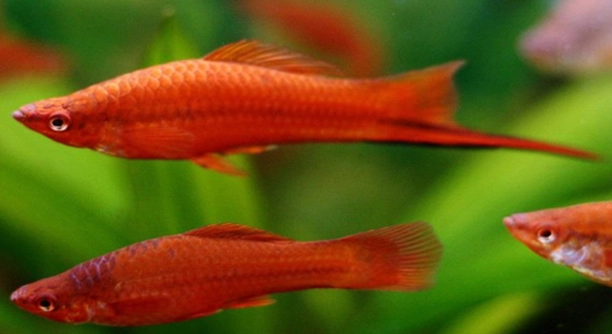
Swordtails are popular aquarium fish, known for their bright colors and active nature. However, if your swordtail is hiding all day, it could be a sign of stress or discomfort. Understanding the reasons behind this behavior can help you address the issue.
The primary reasons for a swordtail hiding all day include poor water conditions, stress from tank mates, illness, or environmental changes. Swordtails are sensitive to water temperature, pH, and other factors that could make them retreat to safe spots.
Keeping your swordtail healthy and active involves understanding the potential causes of hiding. By making a few changes to your tank setup or monitoring their health, you can improve your fish’s behavior and overall well-being.
Why Swordtails Hide: Common Reasons
Swordtails are naturally active fish, but if yours is hiding for long periods, there might be an issue with its environment. It could be as simple as the water temperature or stress from other fish. Even minor changes in the tank, like new decorations or water levels, can make them feel insecure. Fish are sensitive to their surroundings, and if something isn’t quite right, they may retreat to a safe spot to avoid potential threats. Changes in their behavior should never be ignored, as they are a clear signal that something needs attention.
Water quality is one of the most common factors affecting swordtail behavior. They thrive in stable environments, so fluctuations in pH, ammonia, or nitrate levels can stress them out. Stress can also result from overcrowding in the tank. Swordtails are social but need enough space to feel comfortable. Even if your swordtail isn’t visibly sick, a few minor environmental changes can make a huge difference in its mood and behavior.
In addition to the water conditions, swordtails can hide when they feel threatened by other fish. Aggressive tank mates can cause stress, leading to hiding. This is especially true in tanks with fish that compete for space or resources. Even if the other fish don’t directly harm the swordtail, constant stress can affect its behavior. It’s important to make sure all tank members are compatible to keep everyone feeling safe. Fish do not always show signs of aggression outwardly, so subtle interactions could be enough to push your swordtail into hiding.
Health Issues and Infections
Swordtails might also hide due to illness or injury. Like all fish, they can suffer from internal or external health problems that affect their behavior. When sick, fish often hide to avoid predators, as they are more vulnerable when not feeling well. If your swordtail is hiding, it could indicate that something is wrong physically.
Common health issues for swordtails include parasitic infections, fin rot, or internal diseases. These conditions can cause discomfort, which leads them to seek out isolated spots in the tank. If your swordtail is not eating, swimming abnormally, or showing signs of discoloration, it’s important to examine it more closely. Check for external parasites or lesions. Also, consider isolating the affected fish in a quarantine tank to prevent the spread of illness. Fish that aren’t eating or acting normally should be given proper treatment right away to avoid further health decline.
Tank Setup and Maintenance
Your swordtail may be hiding because the tank isn’t set up properly. Fish are sensitive to their environment, and even small changes can affect their behavior. Make sure the tank has adequate hiding places, but also open swimming areas.
A well-maintained tank with proper filtration is crucial for swordtail health. Dirty water can cause stress and lead to hiding behavior. Make sure the water is filtered regularly, and perform routine water changes to maintain a clean environment. Swordtails prefer slightly alkaline water with a temperature between 72-79°F (22-26°C). Keeping the water parameters consistent will help them feel more secure.
In addition to water quality, the tank layout plays a significant role in their comfort. Adding plants, rocks, and decorations provides your swordtail with plenty of hiding spots. These safe spaces allow them to retreat when they feel threatened. However, make sure there’s enough open swimming space, as swordtails are active and enjoy moving freely. A balanced tank setup can reduce stress and prevent hiding.
Tank Mates and Compatibility
Swordtails may hide because they feel intimidated by aggressive tank mates. Some fish species may not be compatible with swordtails and can cause them stress. Pay attention to how your swordtail interacts with other fish.
Aggressive fish can dominate the tank and chase swordtails, making them feel unsafe. When choosing tank mates, avoid fish that are overly territorial or aggressive. Species like bettas, cichlids, or large goldfish can stress swordtails. Instead, opt for peaceful fish that get along well with others. This ensures a more peaceful environment where swordtails can swim freely without fear of constant aggression.
Also, consider the number of fish in the tank. Swordtails do well in groups, but too many fish in a small space can lead to overcrowding and stress. A crowded tank can make swordtails feel cornered, increasing their tendency to hide. Ensuring the right balance of fish in the tank helps keep everyone comfortable.
Stress and Anxiety
Swordtails may hide due to stress from environmental factors. It could be as simple as sudden changes in light or noise levels. Fish are sensitive to their surroundings, and even small disruptions can cause anxiety.
Stress from new tank decorations or changes in the water can also make swordtails retreat. If you recently added or removed items in the tank, your swordtail may need time to adjust. They often hide when they feel unfamiliar changes are threatening. To reduce stress, try to make changes gradually and keep the environment as stable as possible.
Water Temperature
Swordtails prefer water temperatures between 72-79°F (22-26°C). If the temperature drops too low or gets too high, they may seek out hiding spots. Make sure to use a reliable heater to maintain a consistent temperature.
When the water is too warm or too cold, it can lead to stress or even illness. A sudden temperature fluctuation can cause swordtails to hide as they try to find a more suitable area in the tank. Regularly check the water temperature to keep it within the ideal range for your fish’s well-being.
Overcrowding
Overcrowding in the tank can cause swordtails to hide to avoid feeling overwhelmed. When there’s too much competition for space, food, or resources, swordtails can become stressed. It’s essential to provide enough room for each fish.
Overcrowding leads to a rise in ammonia levels, poor water quality, and constant competition for food. This causes swordtails to feel threatened and seek shelter. It’s best to maintain a proper fish-to-tank ratio to reduce overcrowding. Consider upgrading the tank size or removing excess fish to create a more comfortable living space.
FAQ
Why is my swordtail hiding all the time?
Swordtails may hide because of stress, illness, or poor water conditions. If the water temperature, pH, or ammonia levels are off, your swordtail may feel unsafe and retreat to a hiding spot. It could also be due to aggressive tank mates or overcrowding. Fish can be sensitive to changes, so even a small alteration in the tank setup can cause them to hide.
How can I tell if my swordtail is sick?
Look for signs like loss of appetite, abnormal swimming patterns, discoloration, or visible lesions on the body. A healthy swordtail should swim actively, be vibrant in color, and have a good appetite. If it’s spending more time hiding, especially with other symptoms, it may be sick and require treatment.
Can swordtails be kept with other fish?
Yes, swordtails can live with many other peaceful fish, such as guppies or tetras. However, they should not be kept with aggressive species like bettas or large cichlids. Swordtails are peaceful but can become stressed in a tank with territorial fish. Ensure that tank mates are compatible.
What is the ideal tank size for swordtails?
Swordtails need at least a 20-gallon tank to thrive. This provides enough space for swimming and reduces stress. A larger tank is always better if you plan to keep multiple swordtails or other fish with them. This helps maintain stable water conditions and avoids overcrowding.
How often should I feed my swordtail?
Feed your swordtail twice a day, offering only as much food as it can consume in a few minutes. Swordtails are omnivores, so a mix of flakes, pellets, and live or frozen foods works best. Overfeeding can lead to poor water quality, which can cause stress and hiding.
Why is my swordtail not eating?
If your swordtail isn’t eating, it could be stressed, sick, or dealing with poor water quality. Check if any environmental factors are affecting it. If the water is too warm or too cold, swordtails might lose their appetite. It’s also possible that an aggressive tank mate is making it too anxious to eat.
Do swordtails need a filter?
Yes, swordtails require a filter to keep the water clean and oxygenated. Without proper filtration, the tank water can become polluted, which leads to poor water quality and stressed fish. A filter helps maintain healthy living conditions by removing waste and toxins from the water.
What temperature should I keep my swordtail tank at?
Swordtails prefer water temperatures between 72-79°F (22-26°C). Keeping the water within this range helps them remain active and healthy. If the temperature is too low or too high, it can cause stress, lead to hiding, and even affect their health. Use a reliable aquarium heater to maintain stable temperatures.
Can swordtails live alone?
Swordtails are social fish and do better in groups. Keeping them alone can cause them stress and make them more likely to hide. It’s best to keep at least two swordtails together, although a group of 3-4 is ideal. They are less likely to hide if they have tank mates of their own kind.
How can I reduce stress in my swordtail?
To reduce stress, maintain a stable environment with proper water quality and temperature. Avoid overcrowding and provide plenty of hiding spots, as well as open swimming areas. Keep tank mates peaceful and monitor for signs of aggression. Regular water changes and proper filtration are key to reducing stress.
Why is my swordtail chasing other fish?
Swordtails can display chasing behavior if they feel their territory is threatened or if they are competing for food. This can sometimes be a sign of aggression, especially if they feel overcrowded. Ensure that there is enough space for all fish in the tank and try to balance the population to reduce conflict.
Is it normal for swordtails to swim upside down?
No, this is not normal behavior. Swordtails should swim upright, and if they are swimming upside down, it may be a sign of swim bladder disease or another health issue. If you notice this, monitor your swordtail closely for other symptoms, such as bloating or difficulty swimming. Consult an aquarium vet if needed.
How do I know if my swordtail is pregnant?
Female swordtails can become pregnant and may show signs such as a swollen belly and dark spots near the tail, which indicate developing fry. If you suspect your swordtail is pregnant, be sure to provide plenty of hiding spots for the baby fish when they are born. If you don’t want babies, you might need to separate the males from the females.
What is the lifespan of a swordtail?
Swordtails typically live for around 3 to 5 years in a well-maintained aquarium. Their lifespan can be affected by factors like water quality, temperature, diet, and overall tank conditions. Keeping the tank clean, feeding them properly, and providing a stable environment will help them live a long and healthy life.
Can swordtails change gender?
In rare cases, swordtails can undergo sex changes. This is typically seen in environments where there is a lack of males, and females can transform into males to breed. However, this behavior is uncommon in home aquariums. If you have a good ratio of males to females, this should not happen.
Final Thoughts
Swordtails are generally hardy fish that enjoy swimming in groups and thriving in stable environments. If your swordtail is hiding all day, it’s important to consider several factors that could be causing this behavior. Whether it’s due to poor water quality, aggressive tank mates, or even stress from environmental changes, addressing these factors can help your swordtail feel more comfortable and less likely to retreat to hiding spots. It’s crucial to make sure their environment is clean, stable, and peaceful to help them thrive.
Monitoring water quality regularly is one of the easiest ways to ensure your swordtail stays healthy. Swordtails prefer slightly alkaline water with a temperature between 72-79°F (22-26°C). Small changes in water parameters, such as a drop in pH or an increase in ammonia, can cause stress and make your fish feel unsafe. Regular water changes and using a reliable filter can help maintain a healthy environment for all fish in the tank. Additionally, make sure there’s enough space for each fish. Overcrowding can lead to stress and hiding behavior as fish feel more threatened and less secure in cramped conditions.
By paying attention to their tank mates, you can reduce the chances of your swordtail feeling anxious or intimidated. Swordtails are peaceful fish, but they need compatible companions to avoid stress. Aggressive or territorial fish may make your swordtail feel threatened, leading them to hide. It’s important to choose tank mates carefully, making sure that all species can coexist peacefully. Creating a balanced and peaceful aquarium is key to ensuring your swordtail’s happiness and overall well-being. If your fish are still hiding despite addressing these issues, it may be a sign of illness, and further attention will be required to ensure your fish stay healthy.

Hello,
If you enjoy the content that we create, please consider saying a "Thank You!" by leaving a tip.
Every little bit helps us continue crafting quality advice that supports the health, happiness, and well-being of pets around the world, for pets of all shapes, sizes, and species.
We really appreciate the kindness and support that you show us!