
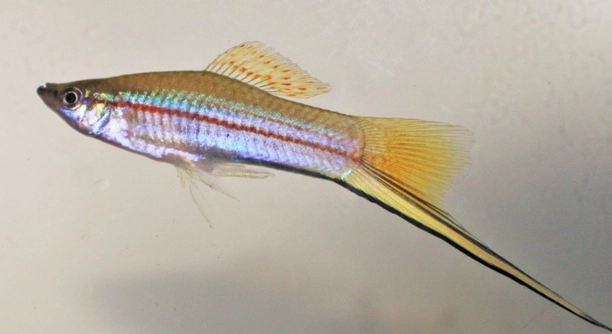
Swordtail fry may stay still for several reasons, ranging from environmental factors to their developmental stage. Understanding why this happens can help create the best environment for their growth and well-being.
The main cause of swordtail fry staying still is stress or poor water quality. Fry are highly sensitive to changes in their environment, such as temperature, water hardness, and ammonia levels. Ensuring optimal water conditions can reduce this behavior.
Making adjustments to your tank environment, such as improving water quality and temperature, will likely help your swordtail fry become more active.
Common Causes of Swordtail Fry Staying Still
Swordtail fry can stay still for various reasons, but the primary one is usually stress. Fry are extremely sensitive to changes in their surroundings, especially when they’re young. Even small fluctuations in water temperature, pH levels, or ammonia concentration can cause them to become lethargic or motionless. It’s also possible that they are not feeling secure in their environment. Swordtail fry, like many other species, instinctively seek protection from potential predators. If the tank doesn’t have enough hiding spots, they might stay still, hoping to avoid danger.
Aside from environmental factors, diet plays a key role in the fry’s behavior. If they are not eating enough or the food is not suitable for their tiny mouths, they may lack the energy to swim around. It’s important to ensure that the fry are being fed the right food in appropriate amounts.
Make sure your tank has appropriate hiding spaces such as plants or decorations. Also, providing the right food and maintaining a stable water environment will help the fry thrive. Regular water testing and feeding the right foods can make a noticeable difference.
Stress and Water Quality
Poor water quality is another major reason swordtail fry may stay still. Ammonia or nitrite levels that are too high can be toxic and cause fry to exhibit this behavior. Fry are particularly sensitive to water changes because their immune systems are not yet fully developed.
One solution is performing regular water changes to maintain a clean environment. Keep an eye on ammonia and nitrite levels using water test kits, and ensure your filtration system is working effectively. If necessary, use a water conditioner to remove harmful chemicals that might be present in tap water. Swordtail fry require clean, stable water to develop properly, so it’s essential to monitor their habitat closely.
Keep in mind that too many fish in a tank can lead to high waste production, which negatively impacts water quality. Additionally, swordtail fry are more sensitive to extreme temperature fluctuations. Ensuring your tank is equipped with a reliable heater can help maintain a constant temperature, which is crucial for the fry’s health.
Water Temperature and Fry Activity
Water temperature can directly impact swordtail fry’s activity levels. Fry are especially sensitive to changes, so it’s essential to keep the water within the ideal temperature range for swordtails, which is around 74°F to 80°F (23°C to 27°C). If the water is too cold, fry may become lethargic and remain still.
An aquarium heater can help regulate water temperature, ensuring it stays within this range. Fluctuations, even slight ones, can stress the fry and disrupt their normal behavior. It’s also important to monitor the temperature regularly, as extreme heat or cold can lead to issues with their development or cause long-term health problems.
Avoid placing the tank in areas with drafts or direct sunlight, as these can affect the temperature. Consistent conditions help fry feel safe and active. Maintaining the right water temperature is one of the simplest ways to ensure they thrive.
Lighting and Fry Behavior
Lighting in the tank plays a significant role in swordtail fry’s behavior. While fry do need light to thrive, too much or too little can cause them to become inactive. Swordtail fry prefer dim to moderate lighting, which mimics natural conditions.
If the tank is too bright, fry may retreat to the corners, staying still in the shadows to avoid being overwhelmed. Bright lights can also cause stress, affecting their eating and swimming habits. It’s essential to provide gentle lighting to help them feel secure.
Low lighting conditions can also lead to inactive behavior. A balance is key—fry need enough light to stay alert and active, but not so much that it becomes a source of stress. Consider using aquarium lights with adjustable brightness to accommodate their needs.
Tank Size and Fry Movement
The size of the tank can influence swordtail fry’s activity levels. If the tank is too small, the fry may feel cramped and stressed, limiting their movement. A larger tank provides enough space for them to swim around and feel safe.
Larger tanks also help maintain better water quality by allowing more room for filtration, which benefits fry health. If your tank feels crowded, fry may stay still to avoid feeling threatened. Ensuring they have space to explore can encourage natural swimming behavior and growth.
Overcrowding and Fry Behavior
Overcrowding can cause swordtail fry to become lethargic and stay still. Too many fish in a small tank creates high stress levels, which can reduce activity. Even if the water quality is good, the fry may not feel comfortable.
Keeping the tank population balanced is essential for fry well-being. When there are too many fry or adult swordtails, it can lead to aggression and competition for resources. This causes fry to stay still, seeking safety. To avoid overcrowding, make sure the fry are moved to a larger tank as they grow.
Feeding Frequency and Fry Health
Feeding frequency is another important factor in swordtail fry’s behavior. If the fry are not fed often enough, they may become weak and remain motionless. Fry have high energy needs due to their rapid growth, and regular feeding is essential.
It’s important to feed them small portions multiple times a day, using high-quality, finely ground foods that suit their size. Overfeeding can also lead to poor water quality, which can further stress the fry and cause them to be inactive. Finding the right balance is key to keeping them active.
FAQ
Why is my swordtail fry staying still?
Swordtail fry may stay still due to several factors. Poor water quality, incorrect temperature, and stress are common causes. Fry are sensitive to changes in their environment and need stable conditions to thrive. Lack of hiding spots, overcrowding, or inadequate feeding can also lead to inactivity. It’s important to maintain optimal water conditions and ensure the fry have enough space to move around.
How can I encourage my swordtail fry to swim?
To encourage swimming, create a secure and stable environment. Ensure the water temperature is within the ideal range (74°F to 80°F or 23°C to 27°C). Regular water changes, along with a good filtration system, will keep the water clean. Additionally, provide hiding spots using plants or decorations to make the fry feel safe. Reducing stress factors, such as too much lighting or sudden changes in the tank, can also help the fry become more active.
Can lighting affect my swordtail fry’s behavior?
Yes, lighting can have a significant impact on swordtail fry’s activity. Bright lights can cause stress, making the fry stay still or hide in dark areas. Fry tend to prefer dim or moderate lighting, which mimics their natural environment. Using adjustable lighting or providing shaded areas can help keep them comfortable and active.
What water temperature is best for swordtail fry?
Swordtail fry prefer water temperatures between 74°F to 80°F (23°C to 27°C). If the water is too cold or too hot, they may become sluggish or stressed, leading to inactivity. It’s important to keep the tank temperature stable, avoiding any sudden fluctuations that could disturb the fry.
How often should I feed swordtail fry?
Swordtail fry need to be fed small amounts multiple times a day. They have fast metabolisms and require frequent feeding to support their rapid growth. A high-quality, finely ground food that is appropriate for their size is essential. Overfeeding can lead to water quality issues, so it’s important to find the right balance.
Is my swordtail fry sick if it’s staying still?
Not necessarily. While staying still could indicate health problems, it is more likely a result of environmental stress, poor water quality, or a lack of space. However, if you notice other signs of illness, such as discoloration, bloating, or a loss of appetite, it may be time to check for health issues and take necessary action.
Can overcrowding cause swordtail fry to stay still?
Yes, overcrowding can lead to lethargy in swordtail fry. When there are too many fish in the tank, they may feel stressed and lack the space to swim around freely. This can cause them to remain still or hide. It’s important to ensure that the tank size is appropriate for the number of fry to promote healthy growth and behavior.
How can I maintain good water quality for my swordtail fry?
Regular water changes are the best way to keep the water quality high. Perform small water changes (10-20%) every few days to prevent a buildup of waste and toxins. Use a reliable filtration system, and test the water regularly to monitor ammonia, nitrite, and nitrate levels. Keeping the water clean is essential for swordtail fry health.
What type of food is best for swordtail fry?
Swordtail fry thrive on finely ground, high-quality foods. Start with powdered fry food or crushed flakes, and gradually introduce baby brine shrimp or micro worms as they grow. A varied diet will provide the necessary nutrients for healthy development. Be sure to feed small amounts frequently to prevent overfeeding.
Can swordtail fry eat adult swordtail food?
Adult swordtail food is usually too large for fry to consume effectively. Swordtail fry need finely ground or powdered foods, as their mouths are small. Feeding them larger particles may result in wasted food and poor nutrition. It’s best to feed them food specifically designed for fry until they are large enough to eat adult food.
What is the best tank size for swordtail fry?
A 10-gallon tank is ideal for a small group of swordtail fry. A larger tank allows for better filtration and more space for the fry to swim. As they grow, they may need a larger tank to prevent overcrowding. Ensuring the tank is appropriately sized helps keep the water quality high and provides the fry with room to grow.
How long does it take for swordtail fry to become active?
Swordtail fry typically become more active as they grow and develop. In the first few weeks, they might stay still more often as they adjust to their new environment. With proper care, including clean water, appropriate lighting, and a balanced diet, fry should become more active within a few weeks.
Why aren’t my swordtail fry eating?
If swordtail fry are not eating, the cause may be poor water quality, incorrect water temperature, or the food being too large. Check the water parameters and ensure they are within the recommended ranges. Also, make sure you are feeding them the right type of food for their size. If the issue persists, consider observing them for other signs of illness.
How can I tell if my swordtail fry are healthy?
Healthy swordtail fry are active, have clear eyes, and swim in schools. They should be eating regularly and growing at a steady pace. If you notice that they are staying still more than usual, it could be a sign of stress or environmental factors. Regular observation and good water care are key to ensuring their health.
Can swordtail fry survive in a community tank?
Swordtail fry can survive in a community tank, but only if the tankmates are not aggressive. It’s important to ensure that adult swordtails or other fish in the tank are not bullying the fry. Also, providing plenty of hiding spots helps protect them from larger, more dominant fish. Make sure the tank is well-maintained with stable water conditions for the fry’s survival.
Final Thoughts
When it comes to swordtail fry, it’s important to remember that their behavior is largely influenced by their environment. If they’re staying still, it’s usually a sign that something isn’t quite right, whether it’s the water quality, temperature, or stress levels. Swordtail fry are naturally active, and under healthy conditions, they should swim around freely and explore their surroundings. Keeping an eye on the tank’s water parameters, such as ammonia and nitrate levels, can help ensure they stay in good health. Adjusting the lighting to a comfortable level and ensuring the fry have plenty of space to swim can also make a noticeable difference.
Another key factor to consider is feeding. Swordtail fry have high nutritional needs, especially as they grow. Feeding them small portions multiple times a day is crucial for their development. The right kind of food can help promote their activity levels and overall health. It’s also important to avoid overfeeding, as this can cause water quality issues, which may stress the fry and lead to inactivity. Fresh, finely ground food is ideal for fry, as they have tiny mouths that need small particles to consume properly.
Ultimately, taking steps to address the environmental and dietary factors that affect swordtail fry can help ensure they grow into healthy, active fish. Regular tank maintenance, such as water changes and monitoring for signs of illness, is essential for their well-being. If you notice the fry staying still, consider reviewing their environment and feeding habits to identify any areas for improvement. Providing a comfortable, stable habitat will encourage swordtail fry to thrive and develop into strong adult fish.

Hello,
If you enjoy the content that we create, please consider saying a "Thank You!" by leaving a tip.
Every little bit helps us continue crafting quality advice that supports the health, happiness, and well-being of pets around the world, for pets of all shapes, sizes, and species.
We really appreciate the kindness and support that you show us!