
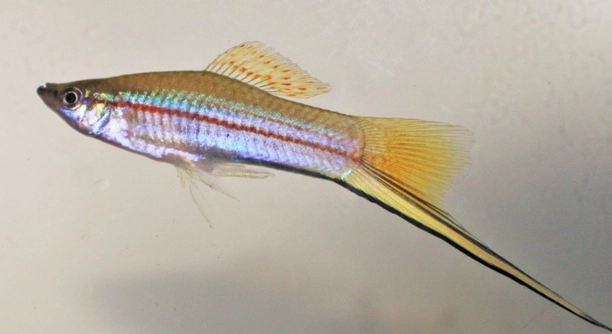
Swordtails are lively fish, but if you notice them flipping in the water, it can be a sign of underlying issues. Their behavior could point to health or environmental factors that need attention.
Flipping behavior in swordtails is commonly caused by water quality problems, stress, or an injury. Poor water conditions, such as high ammonia or nitrate levels, can trigger erratic movements. Additionally, overcrowding or aggressive tankmates may contribute to this behavior.
Understanding these factors will help improve the well-being of your swordtail. Identifying and addressing the root cause is essential to restoring balance in the aquarium.
Possible Water Quality Issues
Water quality plays a vital role in the health of swordtails. If the water is contaminated with excessive toxins, such as ammonia, nitrites, or nitrates, it can cause fish to behave unusually, including flipping in the water. Swordtails are sensitive to poor water conditions, and these substances can irritate their gills, causing them to struggle for air. Ammonia is especially harmful, as it can lead to serious health problems. It’s important to regularly test your water to ensure that pH, hardness, and toxin levels are within safe limits. A filtration system that keeps the water clean and stable is also essential.
Test your tank water frequently, especially if you notice your swordtail flipping. If the water quality is compromised, perform a water change immediately. Keeping the aquarium clean and maintaining proper filtration will help ensure your fish remain healthy and calm.
Changing the water often is an essential step in maintaining a healthy tank. Swordtails thrive in water that is free from contaminants. A clean environment ensures fewer health issues and supports their natural behaviors.
Stress and Aggressive Tankmates
Stress is another common reason why swordtails might flip in the water. These fish are peaceful and can become easily stressed by overcrowding, sudden temperature changes, or the presence of aggressive tankmates. It’s important to keep swordtails with other calm fish that won’t harass or intimidate them. Overcrowding in a tank can lead to competition for space and oxygen, further escalating stress levels.
To reduce stress, ensure that the tank is appropriately sized for the number of fish and that there is enough space for each one to swim comfortably. If aggression is an issue, consider separating aggressive fish or providing more hiding spots. Peaceful environments help swordtails feel secure and more relaxed.
By paying attention to tank conditions, you can prevent stress from affecting your swordtail. A calm tank promotes overall well-being, reducing the likelihood of erratic behavior.
Injury or Physical Discomfort
Swordtails may flip in the water if they’re experiencing pain from an injury. This could be caused by a fight with other fish or even a rough encounter with decorations or objects in the tank. Injuries can range from minor scrapes to more serious internal damage.
If you suspect an injury, closely observe your swordtail for any visible signs of damage, such as torn fins or abrasions. A fish that’s injured may exhibit strange swimming patterns or erratic flipping. If you notice any of these signs, it’s best to isolate the affected fish to reduce stress and allow it to recover.
Treatment for physical injuries typically includes water changes, maintaining clean tank conditions, and ensuring the fish isn’t further stressed by other tankmates. In some cases, antibiotic treatment might be needed to prevent infection. Prompt action will improve your swordtail’s chances of recovery.
Temperature Fluctuations
Sudden changes in water temperature can cause stress, making swordtails behave erratically. Swordtails prefer a stable environment with a consistent temperature range. A fluctuating or extreme temperature shift may make your fish uncomfortable, prompting them to flip in the water.
A reliable aquarium heater is crucial for keeping the water temperature stable. Swordtails thrive in temperatures between 72°F and 78°F. If the tank becomes too hot or too cold, it can lead to severe stress and health issues. If you notice the temperature has fluctuated, immediately correct it to prevent further discomfort for your fish.
Maintaining a stable temperature is key for overall fish health. Investing in a good quality thermometer and heater will help regulate the environment. Swordtails will feel more comfortable and less likely to show signs of distress.
Water Hardness and pH Imbalance
Swordtails are sensitive to water hardness and pH levels. When these factors are out of balance, they can cause distress and unusual behaviors, such as flipping. It’s crucial to monitor these conditions regularly.
If the water is too soft or too hard, it can lead to poor health and erratic movements. Swordtails prefer slightly alkaline water with a pH of 7.0 to 8.2. Use test kits to check these parameters and adjust as needed. Sudden changes in water chemistry can shock the fish, causing stress and discomfort.
Overfeeding and Water Contamination
Overfeeding can lead to water contamination, which harms fish. Uneaten food can break down, raising ammonia and nitrate levels, causing poor water quality and triggering abnormal behavior in swordtails.
To avoid this, feed only as much as your swordtail can consume in a few minutes. Any leftover food should be removed promptly. Overfeeding leads to water changes becoming more frequent, stressing your fish even further.
Lack of Proper Tank Maintenance
Without proper maintenance, the tank environment can quickly deteriorate, affecting your swordtail’s health. Regular cleaning and water changes are essential for keeping the aquarium safe.
A lack of maintenance can cause harmful toxins to build up, leading to stress and abnormal behaviors. Consistent care prevents these issues and promotes a healthier environment for your fish.
FAQ
Why is my swordtail swimming upside down?
If your swordtail is swimming upside down, it could be a sign of swim bladder disorder. This issue affects the fish’s ability to maintain proper buoyancy. Swim bladder problems can arise from overfeeding, water quality issues, or injury. To help your swordtail recover, check the water conditions, and if the fish is overfed, reduce the amount of food you provide. Consider fasting your swordtail for a day to let its digestive system reset. You can also try adding a bit of aquarium salt to the water, which may help alleviate some of the symptoms.
Can I fix a swordtail with a swim bladder problem?
Yes, swim bladder issues are often treatable. First, assess the tank’s water quality. If the water has high ammonia, nitrates, or fluctuating temperatures, those factors need to be corrected. Additionally, fasting your swordtail for 24-48 hours can help clear any digestive issues contributing to the disorder. If overfeeding is a regular habit, feed only small amounts of food twice a day. In severe cases, consult a vet to determine if additional treatments, such as medicated food or salt baths, may be necessary.
How do I know if my swordtail is stressed?
Signs of stress in swordtails include erratic swimming patterns, loss of color, hiding, or excessive flipping. Stress can result from poor water quality, overcrowding, or aggressive tankmates. If your swordtail is displaying these symptoms, it’s essential to assess the water quality, check for signs of illness, and ensure the tank is not too crowded. Swordtails also thrive when they have peaceful companions, so avoiding overly aggressive fish is important. Ensuring that the tank environment is suitable for your swordtail is the first step in reducing stress.
What can I do if my swordtail is flipping and not eating?
If your swordtail is flipping and refusing food, this could be a sign of illness or severe stress. It’s essential to check the water conditions immediately to rule out toxic levels of ammonia or nitrites. Make sure the water temperature is consistent and within the ideal range for swordtails (72°F to 78°F). Additionally, consider isolating the fish to reduce stress from other tankmates. If the problem persists, consult a veterinarian who specializes in aquatic life for further diagnosis and treatment.
How often should I change the water in my swordtail tank?
Water changes should be done regularly to maintain a healthy tank environment. For swordtails, changing about 25-30% of the water once a week is recommended. This helps to remove toxins and keep the water fresh. Be sure to test the water regularly for pH, ammonia, nitrate, and nitrite levels. A well-maintained tank will not only keep your swordtail healthy but also prevent the flipping behavior caused by poor water quality. If you notice the fish showing stress symptoms, you may need to increase the frequency of water changes temporarily.
Can swordtails live with other fish?
Yes, swordtails can live with other peaceful fish. They are generally friendly and social but do best when housed with non-aggressive species. Good tank mates for swordtails include tetras, mollies, and other calm livebearers. However, avoid keeping them with fin-nipping fish or overly aggressive species, as this can lead to stress, causing your swordtail to act erratically. If you’re uncertain about compatibility, it’s important to research potential tankmates to ensure everyone in the tank gets along well.
Why is my swordtail breathing rapidly?
Rapid breathing can be an indication of poor water quality or low oxygen levels. If your swordtail is breathing heavily, it’s essential to test the water for ammonia, nitrites, and oxygen levels. Ensure the filtration system is working properly and that there is adequate aeration in the tank. In some cases, rapid breathing can also be a sign of stress or illness. If the water quality is fine and the issue persists, consult an aquatic veterinarian for further diagnosis.
How do I prevent swordtail flipping?
To prevent flipping behavior in swordtails, focus on maintaining a stable environment. Regular water changes, proper filtration, and avoiding overfeeding are key factors in keeping your swordtail healthy. Additionally, be mindful of the tank’s temperature and pH levels. Ensure that your swordtail is not stressed by overcrowding or aggressive tankmates. Providing a calm and clean environment will help prevent the flipping behavior from reoccurring.
Is flipping a sign of a serious illness?
Flipping can be a sign of a serious issue, but not always. It may indicate swim bladder problems, stress, or poor water quality. If flipping is accompanied by other symptoms like loss of color, lethargy, or abnormal swimming, it could suggest a more severe illness such as an internal infection or parasites. In these cases, it’s important to take immediate action to improve the water quality and monitor for any additional symptoms. If necessary, consult a veterinarian who specializes in fish to get a proper diagnosis and treatment plan.
Final Thoughts
Swordtails are hardy fish, but they can experience stress or health issues that affect their behavior. Flipping in the water can be caused by several factors, from poor water quality to physical injuries or illness. Understanding the underlying causes of this behavior is essential to properly address the issue and ensure your fish’s well-being. By closely monitoring your tank’s water conditions, feeding habits, and any potential injuries, you can provide a better environment for your swordtail. A little attention to detail can go a long way in helping your fish thrive.
Maintaining a clean and stable environment is key to preventing most health problems. Regular water changes, testing water parameters, and keeping the tank free from excess food or waste will reduce the chances of your swordtail experiencing stress or flipping. If you notice your fish showing signs of distress, such as erratic swimming or refusal to eat, don’t hesitate to act. Testing water quality and checking for potential injuries or illness are the first steps in resolving the issue. Being proactive in keeping your tank in good condition can make all the difference.
If the problem persists despite these measures, it may be time to consult a professional. A veterinarian with experience in aquatic animals can provide more detailed insights and treatments. While some issues, like swim bladder problems or stress, may be resolved with simple adjustments, others might require more targeted treatment. In any case, observing your swordtail’s behavior and responding quickly is crucial for its health. With proper care and attention, you can help your swordtail return to its normal, active self.

Hello,
If you enjoy the content that we create, please consider saying a "Thank You!" by leaving a tip.
Every little bit helps us continue crafting quality advice that supports the health, happiness, and well-being of pets around the world, for pets of all shapes, sizes, and species.
We really appreciate the kindness and support that you show us!