
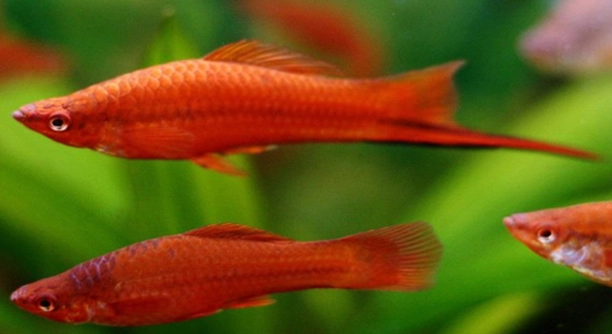
Is your swordtail acting a little different lately, flicking its tail more than usual? This behavior might seem odd at first. While it can be harmless, sometimes it points to something that needs your attention.
Tail flicking in swordtails is often a reaction to irritation or stress, commonly caused by poor water quality, sudden environmental changes, or parasites. Monitoring tank conditions and fish behavior helps determine whether this is normal or a cause for concern.
Learning what causes this behavior can help you create a healthier space for your swordtail and possibly prevent future problems.
Common Reasons Your Swordtail Flicks Its Tail
Swordtails often flick their tails when something in their environment doesn’t feel right. One common reason is poor water quality. Even small changes in ammonia, nitrites, or pH levels can affect your fish. Sudden shifts in temperature or lighting can also cause stress, leading to twitchy or erratic movements. Another reason could be the presence of external parasites like ich or flukes, which irritate the fish’s skin and gills. Tail flicking might also be a sign of mild aggression or communication with other fish in the tank. It’s important to observe whether the flicking is occasional or constant and whether it’s accompanied by other symptoms like rubbing against objects or loss of appetite. Watching for these signs early can help you act quickly. A healthy tank environment and steady routine usually reduce stress and unusual behaviors, so regular maintenance goes a long way in keeping your swordtail comfortable.
Swordtails also respond to social dynamics in the tank. New additions or changes in territory may cause short-term stress.
Look for subtle clues beyond tail flicking. Changes in color, eating habits, or activity levels may suggest your swordtail is reacting to something deeper. These signs help guide how to best adjust their care.
How to Help Your Swordtail Feel Better
Start with checking your tank’s water parameters. Use a test kit to monitor ammonia, nitrite, nitrate, pH, and temperature. Make sure the levels are stable and within the ideal range for swordtails. If anything seems off, do a partial water change and adjust slowly to avoid shocking the fish. Consistency is key. Clean the tank regularly and avoid overcrowding. If parasites are suspected, isolate the affected fish and consider a treatment that’s safe for livebearers. Keep the lighting soft and avoid tapping on the glass or moving decorations too often. Give your swordtail places to hide and rest, which can help lower stress. Feeding high-quality food also supports their immune system. If you’ve recently added new fish, make sure they’re not bullying or chasing your swordtail. Sometimes, a peaceful setup makes all the difference. Tail flicking usually improves once the tank feels stable, clean, and calm again. Always observe your fish and adjust slowly.
When to Be Concerned About Tail Flicking
Tail flicking now and then isn’t always a problem, but if it happens constantly or is paired with other symptoms, it could signal an issue. Watch for signs like clamped fins, white spots, or labored breathing.
If you notice your swordtail rubbing against decorations or plants, it might be trying to relieve irritation. This behavior often points to parasites or skin problems. If the fish stops eating or becomes less active, these are clear signs something’s not right. In these cases, quarantine the fish and check the tank’s parameters immediately. Medications made for freshwater parasites can help, but follow instructions carefully. Keep the water clean and avoid sudden changes during treatment. Even stress from aggressive tank mates or frequent tank rearranging can make things worse. Observing your fish closely helps you act before the problem becomes serious or affects other fish in the tank.
Tail flicking without other symptoms may still mean the fish is uncomfortable. Sometimes, even small changes in the environment can bother them. Loud sounds, sudden light, or a shift in routine may be enough to cause it. Try to maintain a calm space around the tank and give your fish time to adjust to any new setup.
Creating a Comfortable Tank for Your Swordtail
Your swordtail will feel safer in a tank that’s calm and steady. Avoid making frequent changes to their space. Try to keep lighting, feeding, and cleaning routines consistent. Predictability helps reduce stress and supports better health over time.
A well-maintained tank can prevent many problems. Use a filter that fits your tank size and clean it regularly. Provide live or silk plants, smooth decorations, and plenty of swimming room. Avoid overstocking, as crowding can lead to fights and higher waste levels. Make sure new fish are quarantined before being added to the main tank. Feed a mix of high-quality flakes, vegetables, and occasional protein. Keep the tank covered to avoid temperature swings. Test the water weekly to catch small changes before they grow into bigger issues. By keeping everything stable and clean, your swordtail is more likely to stay healthy and show calm, natural behavior rather than frequent tail flicking.
Foods That Support a Healthy Swordtail
Good nutrition can help reduce stress and support healing. Offer a balanced mix of quality flakes, blanched vegetables like zucchini, and occasional treats such as brine shrimp. A healthy diet boosts immunity and helps your swordtail feel better overall.
Avoid overfeeding, which can lead to waste buildup and poor water quality. Uneaten food should be removed after feeding. Stick to feeding small amounts once or twice a day. Watch how your swordtail responds to food—loss of appetite might signal something is wrong and should be taken seriously.
Signs Your Swordtail Is Getting Better
A healthy swordtail will start to show smoother, more natural movements. Tail flicking will slow down or stop, and you’ll notice regular swimming patterns again. Eating habits will return to normal, and colors may appear brighter. These are good signs the environment is improving.
What to Avoid During Recovery
Don’t make sudden changes to the tank. Avoid adding new fish, moving decorations, or changing water conditions too quickly. This can cause more stress and delay healing. Let your swordtail recover in a calm, stable space.
FAQ
Why is my swordtail flicking its tail but acting normal otherwise?
If your swordtail is flicking its tail but still eating, swimming, and interacting like usual, it might be responding to minor irritation or a small change in its environment. Sometimes even freshly added plants, a small shift in temperature, or a loud noise near the tank can cause this behavior. Keep an eye on the water parameters and avoid sudden changes. If the flicking continues for several days, it may be worth testing the water or observing for other small signs of stress or early illness.
Can tail flicking be caused by poor water quality?
Yes, poor water quality is one of the most common reasons swordtails flick their tails. High levels of ammonia, nitrite, or nitrate can irritate their skin and gills. Even small imbalances can cause discomfort. Regular testing and water changes help prevent this. Make sure the filter is working properly and the tank isn’t overcrowded. Water quality should always be the first thing you check when noticing unusual behavior.
How can I tell if parasites are causing the tail flicking?
When parasites are the issue, you’ll usually see more signs than just tail flicking. Your swordtail might rub its body against decorations or plants (also called flashing), breathe rapidly, or show white spots or cloudy patches. Some parasites are internal and harder to spot, but behavior changes are often the first clue. If you suspect parasites, isolate the fish and begin a treatment plan suitable for livebearers. Always follow dosing instructions carefully.
Do swordtails flick their tails when they are stressed?
Yes, stress is a big factor. Stress can come from a variety of sources, including sudden changes in lighting, water temperature, aggressive tank mates, or a recent move to a new tank. A stressed swordtail may flick its tail, hide more often, or lose its appetite. Creating a calm environment and reducing tank traffic can help. Adding hiding places like plants or caves can also make your swordtail feel more secure.
Is tail flicking ever normal behavior?
Occasional tail flicking can be completely normal, especially during feeding time or when the fish is interacting with others. It may also happen during mating behavior. What matters is the frequency and whether other symptoms appear. If it’s brief and your swordtail seems healthy otherwise, it’s likely nothing to worry about. Ongoing or aggressive flicking, especially when paired with changes in eating or swimming, is more likely to be a sign of discomfort.
What kind of treatment should I use for parasites?
If parasites are confirmed, choose a treatment that targets common external parasites like ich, flukes, or velvet. Medications such as copper-based treatments, formalin, or malachite green are often used, but be sure the product is safe for livebearers. Treat in a separate tank if possible to avoid affecting healthy fish. Remove activated carbon from the filter during treatment, as it can absorb medication. Finish the full course of treatment even if the symptoms seem to go away early.
How long does it take for tail flicking to stop once the issue is fixed?
It depends on the cause. If the problem is water quality and it’s corrected quickly, tail flicking can stop within a day or two. If it’s due to parasites or more serious stress, it might take a week or longer for your swordtail to fully calm down. During this time, keep the environment steady and continue observing their behavior. Improvement in appetite, color, and swimming patterns usually means your fish is on the mend.
Can swordtails flick their tails because of tank mates?
Yes, swordtails can react to certain tank mates with tail flicking. If they’re being chased, nipped, or harassed by other fish, they might flick their tails as a warning or defense response. Male swordtails can also become aggressive toward each other, especially in a tank with too few females. Try to keep a good male-to-female ratio and avoid mixing them with fin-nipping species like barbs. Watching how your fish interact helps identify if social stress is the cause.
Final Thoughts
Tail flicking in swordtails is something many fish keepers notice at some point. While it might look like a harmless movement, it can sometimes be your fish’s way of telling you something isn’t right. Most of the time, it’s related to water quality, stress, or minor irritation. A clean, stable tank with gentle lighting and steady water conditions goes a long way in preventing issues. If the tail flicking is mild and your swordtail is otherwise behaving normally—eating well, swimming actively, and showing no physical signs of illness—it may not be anything serious. Still, it’s always a good idea to check the basics, like temperature, pH, ammonia, and nitrate levels, to be safe.
Paying attention to changes in your swordtail’s behavior can help you catch small problems before they become big ones. If tail flicking is constant, or if you start seeing other symptoms like rubbing, loss of color, clamped fins, or odd swimming patterns, that’s when it becomes more concerning. It could mean parasites, stress from bullying, or poor tank conditions. Simple changes, like improving water quality or adjusting tank mates, can often make a big difference. Observing your fish closely, especially during feeding and resting times, can help you spot problems early. Fish often give quiet signs before anything serious shows up.
Taking care of your swordtail doesn’t need to be complicated. Regular water testing, small water changes each week, and a balanced diet are the most important parts. Avoid adding too many new fish at once, and always watch how your fish respond to changes. Providing hiding spots and a calm space helps them feel safe. Even healthy swordtails may flick their tails now and then, especially during excitement or after something new is introduced to the tank. The key is to look at the full picture—how they eat, swim, and interact. When everything stays calm and steady, swordtails usually thrive. Tail flicking can be part of that process or a helpful sign that tells you when something might need your attention. With simple care and regular observation, your swordtail can stay healthy and active for a long time.

Hello,
If you enjoy the content that we create, please consider saying a "Thank You!" by leaving a tip.
Every little bit helps us continue crafting quality advice that supports the health, happiness, and well-being of pets around the world, for pets of all shapes, sizes, and species.
We really appreciate the kindness and support that you show us!