
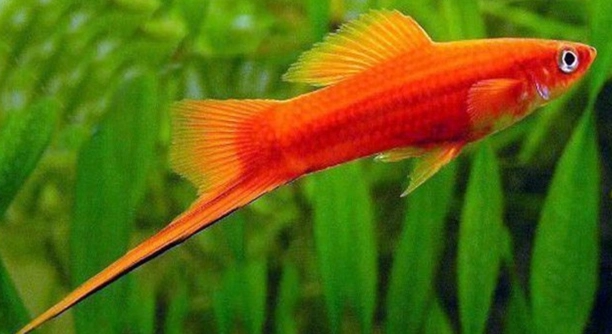
Do you ever find yourself watching your swordtail fish and noticing it keeps poking around and moving the gravel at the bottom of the tank?
Swordtail fish dig in gravel as part of their natural behavior, often related to foraging, nesting instincts, or reacting to changes in their environment such as stress or breeding conditions.
Understanding this behavior helps ensure your fish stays healthy and comfortable in its tank while giving you better insight into its needs.
Common Reasons Swordtails Dig in Gravel
Swordtails are active and curious fish. When you see them digging in gravel, it can be tied to a few basic reasons. One of the most common is that they’re foraging for food. Even if you feed them regularly, they may still search the gravel for leftover flakes or bits. Another possible reason is related to breeding behavior. Female swordtails may dig to find a comfortable spot to rest or give birth. Sometimes they simply enjoy rearranging the gravel as a way of exploring their environment. Gravel movement can also help them sift through things and keep their space how they like it. In some cases, this behavior shows up when something in the tank is off. Poor water conditions, stress from other fish, or changes in lighting and temperature might cause your swordtail to act out more. Observing this behavior helps you understand what’s going on in your tank.
Gravel digging isn’t always something to worry about. It often reflects your swordtail’s natural instincts.
If you notice your fish digging more often or with urgency, it may be a sign that something needs to be checked. Clean water and a peaceful tank setup help prevent stress.
When Digging Might Be a Concern
Frequent or aggressive digging can sometimes suggest the fish is uncomfortable or stressed.
If your swordtail is suddenly digging more than usual, you’ll want to look at possible stress factors in the tank. Poor water quality is one of the most common causes. Check ammonia, nitrite, and nitrate levels to make sure they’re within a safe range. Overcrowding can also lead to this behavior. Too many fish in a small tank creates competition for space and can make swordtails uneasy. Another factor is tank mates. Some fish are more aggressive or territorial, and your swordtail may be reacting to them. Temperature changes and loud noises around the tank can also influence their actions. Providing enough hiding spots like plants or decorations gives them a sense of security. If your fish is female and pregnant, she might be digging more in preparation for giving birth. Paying attention to patterns helps you know if the digging is part of a normal routine or something to investigate further.
Creating a Comfortable Tank Setup
Swordtails do best in a clean, stable tank with plenty of space to swim and explore. A 20-gallon tank is a good minimum size. Use smooth gravel and include live or silk plants to give them shelter and places to hide when they feel stressed.
Lighting should be soft and consistent, with a set day-night schedule to keep them calm. Avoid placing the tank in high-traffic or noisy areas. A filter helps keep the water clean and oxygenated, which reduces stress and keeps behavior balanced. Decorations like rocks or caves can encourage natural exploring without overwhelming them. Make sure the water temperature stays between 72°F and 82°F. Sudden changes in temperature or pH can lead to discomfort, which sometimes shows up through digging or other unusual activity. A well-set-up tank keeps your swordtail relaxed and active in a healthy way.
Try not to overcrowd the tank. Even peaceful fish need their space to avoid becoming territorial or anxious. Keep a balanced male-to-female ratio, especially if you’re keeping more than one male. Too many males can lead to chasing or dominance behavior, which might stress the others out. Clean the gravel regularly with a siphon during water changes to avoid waste buildup. This also helps prevent illness and keeps your swordtail from digging excessively due to irritation or discomfort in the environment. Observing how your fish interacts with its surroundings gives you clues on what it needs.
Signs the Behavior Is Normal
If your swordtail digs occasionally but still eats well, swims normally, and interacts with tank mates, it’s usually not a problem. Light gravel movement is often just part of their natural routine, especially in a clean and peaceful tank.
Normal digging doesn’t include signs of distress like clamped fins, rapid breathing, or isolation. If the behavior is calm and steady, your swordtail is likely just exploring or reacting to minor changes in its surroundings.
What to Watch Out For
Watch for sudden changes in digging patterns, especially if they come with other signs like hiding more than usual, swimming frantically, or refusing food. These could suggest stress or illness. Also, take note if your swordtail begins to disturb plants or tank décor more than usual. It might be trying to make space due to discomfort or prepare a hiding spot when something feels off. Keeping a close eye on both behavior and appearance can help catch problems early. Testing the water weekly and staying on top of tank maintenance makes a big difference. A healthy tank supports normal behaviors while reducing stress-related actions.
Final Notes on Monitoring
Keep track of how often your swordtail digs and what else is happening in the tank. Patterns tell you a lot.
FAQ
Why does my swordtail fish dig in the gravel?
Swordtail fish dig in the gravel for several reasons, most of which are natural behaviors. They may be foraging for food, especially if there are leftover flakes or particles in the gravel. Swordtails are curious creatures, and digging helps them explore and find food that might be hidden. Additionally, pregnant females may dig to prepare for giving birth. They often rearrange gravel to create a comfortable space for their fry. If your swordtail is digging often, it’s also a sign they may be adjusting to their environment or responding to changes in the tank’s water conditions, temperature, or lighting.
How can I tell if my swordtail is stressed?
If your swordtail is digging excessively or showing signs of distress, look for other signs of stress. These may include clamped fins, rapid breathing, or hiding more often than usual. Stress can also show in changes to eating habits—if they refuse food or seem lethargic, it’s a red flag. Swordtails may also start swimming erratically or avoid socializing with other fish. Poor water quality, overcrowding, or aggressive tank mates are common causes of stress. Regularly checking water parameters and ensuring the environment is stable can help prevent these issues.
Can I prevent my swordtail from digging?
While it’s hard to completely stop a swordtail from digging, you can reduce excessive digging by improving tank conditions. Ensure your swordtail has a balanced environment with plenty of space, appropriate water temperature, and smooth gravel. Adding hiding spots with plants, decorations, or caves gives them places to retreat without digging too much. Keeping the water clean with regular maintenance also helps, as dirty water can lead to anxiety, causing fish to dig more. However, remember that light digging is a normal behavior, especially for swordtails that like to explore.
Should I be worried if my swordtail digs constantly?
Constant digging isn’t necessarily something to worry about unless it’s accompanied by other signs of stress or illness. If your swordtail is digging a lot, but still eating and swimming well, it’s likely just part of their natural behavior. However, if the digging seems excessive and you notice other issues, such as changes in behavior, appearance, or eating habits, it’s time to take a closer look. Check the water quality, temperature, and the general environment. If everything seems normal, the behavior might just be an occasional habit.
What could cause my swordtail to dig more often?
If your swordtail is digging more than usual, it could be due to stress factors like poor water quality, overcrowding, or a shift in tank temperature. Stress from aggressive tank mates can also lead to increased digging, as the fish may try to find a safe space. Another reason could be pregnancy. Female swordtails dig more often when they are about to give birth, as they search for a secluded area to rest. Changes in lighting or tank setup can also trigger more digging if your swordtail feels insecure or uncomfortable in its environment.
Can swordtail fish live with other fish if they dig a lot?
Yes, swordtails can live with other fish even if they dig occasionally. They are generally peaceful, but it’s important to match them with tank mates that can tolerate their behavior. Fish that are too aggressive or territorial may not get along with swordtails, especially if the swordtails are digging or foraging frequently. Make sure the tank is large enough to accommodate all the fish and that there are plenty of hiding spots for everyone. Monitoring interactions and ensuring enough space can help keep peace in a mixed-species tank.
How often should I clean my swordtail’s tank to prevent excessive digging?
Regular tank maintenance is essential to prevent any fish from feeling uncomfortable. Perform a partial water change at least once a week, removing 10-20% of the water and replacing it with fresh, dechlorinated water. Clean the gravel using a siphon during these changes to remove waste buildup. This will help keep the environment clean and reduce the risk of stress-induced digging. Additionally, check the filter regularly and clean it as needed. Maintaining good water quality and cleanliness will ensure your swordtail is healthy and less likely to dig due to discomfort.
Are there any health issues that can cause swordtails to dig more?
Health issues, such as skin irritation, parasites, or injuries, can cause swordtails to dig more frequently. If your swordtail is digging obsessively, look for other symptoms like unusual markings, redness, or visible wounds. These could be signs of infection or disease. If you suspect health issues, check the water parameters immediately, as poor water quality can contribute to skin problems. Consulting a vet or fish expert for diagnosis and treatment can help ensure your swordtail stays healthy and the digging doesn’t become a sign of a more serious issue.
Final Thoughts
Swordtail fish are fascinating and active creatures, and their digging behavior is often just a part of their natural instincts. Whether they’re exploring their tank, foraging for food, or preparing to give birth, digging is typically harmless. It’s important to observe your swordtail’s actions carefully. If the digging seems excessive or if it’s paired with other signs of stress, it could indicate something is wrong. However, in many cases, it’s simply part of their normal routine. Keeping a clean, stable tank with proper water quality is key to preventing issues and ensuring your swordtail feels safe and comfortable.
While occasional digging is common, it’s essential to be proactive about tank maintenance. A proper setup with plenty of hiding spots, smooth gravel, and appropriate water conditions makes a huge difference in reducing stress and promoting natural behaviors. Swordtails thrive in a peaceful environment, so avoiding overcrowding and providing enough space for all your fish to feel secure is crucial. Regular water changes and proper filtration ensure the water remains clean, which is vital for your swordtail’s health and happiness. If the environment stays stable and comfortable, the digging behavior should be minimal and manageable.
Finally, knowing your swordtail’s personality will help you differentiate between normal digging and behavior that might need attention. Swordtails are social fish and will often dig as part of their curiosity or interaction with their environment. If you notice a change in their behavior, such as increased digging, combined with other signs like hiding, lethargy, or a change in appetite, it’s time to assess the tank’s conditions. Monitoring the tank, ensuring good water quality, and keeping an eye on your swordtail’s overall health will help you address any concerns early and provide a healthier, more enjoyable environment for your fish.

Hello,
If you enjoy the content that we create, please consider saying a "Thank You!" by leaving a tip.
Every little bit helps us continue crafting quality advice that supports the health, happiness, and well-being of pets around the world, for pets of all shapes, sizes, and species.
We really appreciate the kindness and support that you show us!