
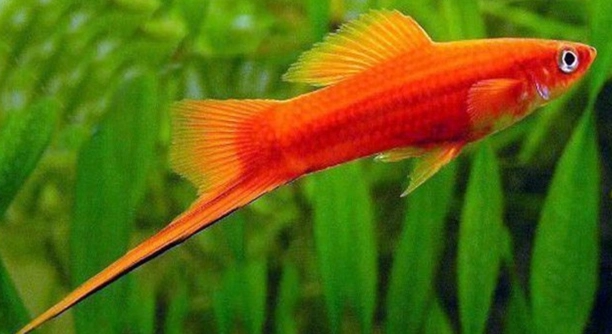
Is your swordtail swimming around faster than usual, making you wonder if something might be wrong with its behavior or tank setup? Fast darting can sometimes be alarming, especially if it happens without warning or reason.
Swordtails often dart around quickly due to stress, poor water conditions, or environmental changes. This behavior can also result from aggressive tank mates or a lack of hiding spaces. Monitoring tank parameters and observing other fish interactions is essential.
Understanding these factors will help you provide a more comfortable environment and improve your swordtail’s health and behavior over time.
Common Reasons for Darting Behavior
Swordtails may dart around due to stress, water quality issues, or sudden changes in their environment. Poor filtration, high ammonia levels, or temperature fluctuations can all trigger erratic swimming. Even loud noises or tapping on the tank glass may unsettle them. These fish are sensitive to disruptions and will respond quickly to stressors, especially in smaller or crowded tanks. Fast swimming may also appear during mating behaviors or when there’s competition for space. Watching for other symptoms like gasping, fin clamping, or loss of appetite can help identify whether the behavior is harmless or a sign of distress.
New decorations, lighting changes, or the addition of tank mates may also lead to increased activity. Swordtails need time to adjust to changes, and swimming quickly is a natural reaction to new surroundings.
Try to keep a calm environment and introduce changes gradually. Stable conditions and gentle tank maintenance can help them stay relaxed.
When to Be Concerned
Erratic swimming combined with clamped fins, hiding, or changes in eating habits often indicates a deeper issue. These signs may reflect ongoing stress or illness.
Check water parameters regularly and ensure your filtration system works properly. Ammonia or nitrite spikes can lead to serious health problems and must be corrected quickly. If the darting continues, observe the fish for any physical signs of disease, such as white spots, bloating, or rapid gill movement. Aggression from other fish can also cause continuous darting. Rearranging tank decor or moving aggressive species may help create a safer space. Diet also plays a role—lack of proper nutrition can affect energy and stress. If the fish appears healthy but still behaves anxiously, try reducing noise levels around the tank. When symptoms persist, consider isolating the fish for close monitoring. This can prevent further stress and help you determine whether medication or treatment is needed.
How Tank Conditions Influence Behavior
Poor water quality is one of the most common reasons swordtails start darting. Sudden changes in pH, ammonia spikes, or low oxygen levels can create an unstable environment that stresses the fish and triggers erratic movement.
Keep a consistent cleaning schedule and test the water weekly. Swordtails thrive in temperatures between 72–82°F and prefer a pH between 7.0 and 8.4. Regular monitoring of ammonia, nitrite, and nitrate levels helps prevent harmful imbalances. If your fish start darting unexpectedly, perform a partial water change and check your filter. Sometimes, even clean water can lack sufficient oxygen, so consider adding an air stone or adjusting the flow rate of your filter. Clean substrates and remove uneaten food to avoid buildup of toxins. Keeping the environment steady supports more predictable, calm behavior in your swordtail.
Lighting and noise can also impact behavior. Too much brightness or sudden exposure to light can make your fish feel unsafe. Loud music or vibration from electronics near the tank may also be disruptive. Keep your tank in a quiet place with consistent lighting schedules. If possible, use a timer to avoid sudden changes. Minimizing noise and maintaining calm surroundings will help your swordtail feel more secure and less likely to dart around.
The Role of Tank Mates and Space
Aggressive tank mates or overcrowding can lead to darting. Swordtails need enough space to swim freely without constant interaction or competition. A crowded tank often causes stress, especially if other fish nip or chase them.
A minimum of 20 gallons is recommended for swordtails, with an extra 5 gallons for each additional fish. Avoid keeping them with fin-nipping species or overly territorial fish. Peaceful tank mates like mollies, platies, and corydoras are better options. Adding plants or decorations provides hiding places and helps divide territories, reducing stress and minimizing darting behavior. It also gives swordtails spots to retreat when they feel overwhelmed. Watching how your fish interact is important—constant chasing or fin-nipping are signs that changes may be needed. Rearranging the tank layout can disrupt aggressive patterns and provide a reset for fish dynamics. A peaceful environment leads to calmer behavior and healthier fish overall.
Feeding Habits and Energy Levels
A sudden burst of energy could be linked to recent feeding. Swordtails often become more active right after eating, especially if they’re fed high-protein or live foods. This temporary activity is normal and not usually a sign of stress.
Overfeeding can also contribute to erratic swimming. When too much food is given, uneaten portions decay and impact water quality. This can lead to stress, discomfort, and hyperactivity. Stick to small, scheduled feedings once or twice daily.
Breeding Behavior and Mating Displays
Male swordtails can become very active during mating periods, chasing females around the tank in fast, darting movements. This behavior is part of their courtship and is more common in tanks with more males than females. Keeping a proper male-to-female ratio, such as one male for every two or three females, can reduce excessive chasing and help everyone stay calm. Providing hiding spots and plants gives females places to rest, which helps minimize stress. Mating behavior is usually harmless but can become a problem if it leads to injuries or exhaustion, especially in overstocked tanks.
When to Isolate the Fish
If one swordtail continues darting and shows signs of injury or illness, it may need to be separated from the group. Isolation helps reduce stress and allows you to monitor symptoms more closely.
FAQ
Why is my swordtail swimming rapidly?
Rapid swimming is often a sign of stress or anxiety in swordtails. It can be caused by poor water conditions, changes in the environment, or aggression from other tank mates. If there are no other symptoms, the fish may be responding to temporary stressors. However, if combined with other signs like clamped fins, loss of appetite, or hiding, it’s a good idea to test the water quality and check for any potential issues.
How can I reduce my swordtail’s darting behavior?
To reduce darting, you must ensure a stable environment. Regular water changes, proper filtration, and appropriate tank temperature and pH are essential. Adding plants or decorations creates hiding spots, helping the fish feel more secure. Keep noise levels low around the tank and avoid sudden lighting changes.
Can swordtail darting be caused by water quality?
Yes, poor water quality is a common reason for darting behavior. High ammonia, nitrites, or low oxygen levels can stress swordtails and cause them to swim erratically. It’s important to check your water regularly with test kits and perform water changes as needed. Poor filtration or overcrowding can also affect water quality and contribute to stress.
Are swordtails aggressive towards other fish?
Swordtails are generally peaceful, but males can become territorial, especially when competing for females. They may chase or nip at other fish, particularly in crowded tanks. To reduce aggression, provide plenty of swimming space and ensure a good balance between males and females. Avoid keeping swordtails with overly aggressive or fin-nipping species.
How often should I feed my swordtail?
Swordtails should be fed once or twice a day, with small portions that they can consume within a few minutes. Overfeeding can lead to water quality issues and stress. A varied diet that includes high-quality pellets, live foods, and occasional vegetables will keep them healthy and reduce any excess energy that might lead to darting.
Can swordtail darting indicate an illness?
While darting can sometimes be linked to stress, it can also be a symptom of illness. If the fish is showing other signs like bloating, abnormal coloration, or rapid breathing, it may be sick. Common swordtail diseases include swim bladder issues, parasites, or fungal infections. If symptoms persist, consider isolating the fish and consulting a veterinarian.
Do swordtails need a specific water temperature?
Swordtails prefer a water temperature between 72–82°F (22–28°C). Keeping the temperature within this range is important for their overall health and behavior. Extreme fluctuations in temperature can stress them, causing erratic swimming or other health problems. Use a reliable heater and thermometer to maintain a consistent environment.
What should I do if my swordtail is being bullied by other fish?
If bullying occurs, it’s essential to act quickly to prevent injury or stress. Rearranging tank decorations can help break up territorial disputes and give fish more space. If the aggression continues, consider removing the aggressor or isolating the affected swordtail until it recovers. Providing plenty of hiding spots and plants can also offer refuge for timid fish.
Can swordtails live with other species?
Yes, swordtails can live with peaceful species that are similar in size and temperament. Avoid keeping them with fin-nippers or overly aggressive fish. Suitable tank mates include mollies, platies, and peaceful catfish. Ensure the tank is large enough to accommodate the fish comfortably and provide hiding spots for less dominant species.
Is it normal for swordtails to swim near the surface?
Swordtails typically swim at all levels of the tank, but it is normal for them to spend some time near the surface, especially when looking for food. If they are constantly at the surface and showing signs like gasping, it may indicate poor oxygen levels or a water quality issue. Check the oxygenation and ensure the filter is working properly.
How can I tell if my swordtail is stressed?
Stress in swordtails can be identified by behaviors such as rapid swimming, hiding, loss of appetite, or clamped fins. The fish may also exhibit a faded coloration or appear lethargic. If multiple signs of stress are present, it’s important to assess the tank conditions, tank mates, and overall environment.
Can I prevent swordtail darting with a planted tank?
Yes, plants can help reduce darting behavior by providing hiding spots and a more natural environment. Swordtails are more likely to feel secure if they have places to retreat. Plants also improve water quality by absorbing excess nutrients. Live plants, such as Java fern or Anubias, are easy to maintain and can create a more peaceful tank.
How long do swordtails live?
Swordtails typically live for 3 to 5 years when kept in proper conditions. Their lifespan can be influenced by water quality, tank mates, diet, and overall care. Keeping a stable and healthy environment will ensure that your swordtail lives a long and happy life.
What is the best way to handle swordtail darting during breeding?
During breeding, males may dart around chasing females. To reduce stress on the females, ensure that the male-to-female ratio is appropriate (one male to two or three females). Adding plants and hiding spots allows females to escape unwanted attention. If darting becomes excessive, consider separating the breeding pair for a while.
How can I tell if my swordtail is sick?
Sick swordtails often display abnormal behavior, such as lethargy, erratic swimming, loss of appetite, or clamped fins. They may also show physical signs like discoloration, bloating, or lesions on the body. If any of these symptoms occur, isolate the fish and treat it according to the illness suspected. Early diagnosis and treatment are essential for recovery.
Do swordtails need a filter in their tank?
Yes, swordtails require a filter to maintain clean water and healthy living conditions. A good filtration system helps remove excess waste and harmful chemicals from the water, preventing health issues and stress. Ensure that the filter’s flow rate is suitable for the size of the tank to avoid strong currents that could stress the fish.
Final Thoughts
Swordtails are generally peaceful fish, but when they dart around rapidly, it’s important to observe their behavior carefully. This activity can be a sign of excitement, stress, or mating behavior. By addressing environmental factors like water quality, tank conditions, and the fish’s diet, you can help reduce the chances of your swordtail becoming overly active. Regular water changes, proper filtration, and avoiding overfeeding can go a long way in keeping your swordtail healthy and calm.
Another significant factor is the social dynamics within the tank. Swordtails tend to thrive in groups with a balanced male-to-female ratio. When there are too many males, they often chase females in an attempt to breed. This behavior can sometimes lead to excessive darting, which may stress out the females or other tank mates. Giving your swordtail the right number of companions and enough space to swim will help reduce this type of activity. It’s also important to provide plenty of plants and hiding spots, which can make your fish feel more secure and reduce their stress levels.
Overall, understanding the reasons behind your swordtail’s darting behavior and taking the necessary steps to maintain a stable tank environment will ensure they stay healthy and comfortable. Whether it’s adjusting their diet, improving tank conditions, or modifying social dynamics, small changes can lead to a calmer and more balanced aquarium. Always monitor your swordtail for any signs of illness or stress, and take action when needed. With proper care, swordtails can live long, happy lives and continue to bring beauty to your tank.

Hello,
If you enjoy the content that we create, please consider saying a "Thank You!" by leaving a tip.
Every little bit helps us continue crafting quality advice that supports the health, happiness, and well-being of pets around the world, for pets of all shapes, sizes, and species.
We really appreciate the kindness and support that you show us!