
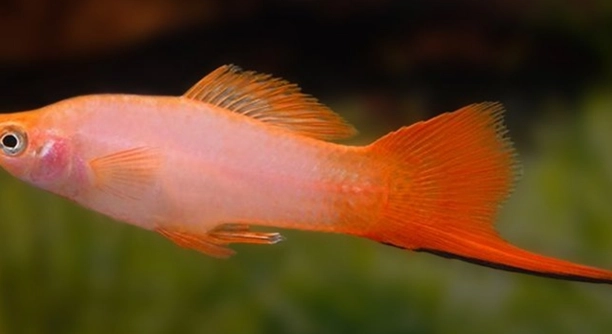
Swordsails are active and curious fish, often displaying behaviors that leave fish owners wondering. If your swordtail is persistently chasing the thermometer, this article will help you understand the reason behind this odd behavior.
Swordtails often chase the thermometer due to their natural curiosity and interest in temperature fluctuations. This behavior is linked to their instinctual need to find optimal water conditions. They are highly sensitive to changes in their environment.
By recognizing these behaviors, you’ll be better prepared to adjust your tank setup and ensure your fish stay comfortable and healthy.
Why Do Swordtails React to Temperature?
Swordtails are naturally sensitive to their environment, especially when it comes to temperature. They are known to react to changes in their tank’s warmth or coolness, which often results in behaviors like chasing the thermometer. This instinctual reaction is a way for them to monitor their surroundings. Fish like swordtails thrive in stable water conditions, and even small fluctuations can make them uncomfortable or stressed.
When swordtails chase the thermometer, they may be checking for any changes in temperature. This behavior is also seen when they feel that the temperature may not be ideal for their comfort or health. Understanding their sensitivity to water conditions is crucial in keeping them happy and healthy in the aquarium.
It’s also important to note that swordtails are curious and active. They are naturally inclined to explore their surroundings. When they spot an object like a thermometer, it can easily catch their attention. This is a typical behavior in many fish species, driven by instinct and curiosity.
How to Adjust Your Tank for Swordtails
Ensuring your swordtail tank maintains the right temperature is key to preventing this behavior. Swordtails prefer water that is between 72°F and 82°F.
To maintain stable conditions, consider investing in a quality aquarium heater with a thermometer built-in. By using these tools, you can set the perfect environment for your fish. Regularly check the temperature and make adjustments when necessary. This will help keep your swordtails from feeling the need to constantly monitor the thermometer. A stable temperature is essential for your swordtail’s health and happiness.
The Impact of Tank Placement
Tank placement plays a major role in maintaining a stable environment. Avoid placing your aquarium near windows or drafty areas where temperature can fluctuate. These environmental changes can stress your swordtails and cause them to react by chasing the thermometer. Stability is key.
To help your swordtails feel secure, try positioning your tank away from direct sunlight or cold drafts. Natural light can cause temperature swings, while drafts from air conditioners or heaters might make the water temperature too unstable. Consistency will reduce your swordtail’s need to constantly monitor the temperature, making them feel more at ease in their home.
Consider placing the tank in a room where temperature control is steady, such as a room without air conditioning or heating vents nearby. This helps keep the water temperature within the desired range and reduces the risk of stressing your swordtails. Stable surroundings support their overall health.
Aquarium Decorations and Water Flow
Aquarium decorations and water flow can also affect your swordtail’s behavior. Too many decorations can create spots where water circulation is poor, leading to temperature fluctuations. Swordtails prefer areas where water is circulating, as this helps maintain consistent water temperature.
If your tank’s water flow is too strong or too weak, it can create pockets of warmer or cooler water. Swordtails may sense these fluctuations, leading them to chase the thermometer in an effort to check on the temperature. To avoid this, create a balanced flow that promotes even temperature distribution throughout the tank. Ensure there’s a mix of decorations and open space for proper water movement.
A good water pump or filter can help keep the water moving, which is essential for maintaining consistent conditions. Consider adjusting the flow rate or adding more plants to break up the flow, helping your swordtails feel more comfortable while keeping their surroundings stable.
Temperature Fluctuations from External Factors
External factors, like room temperature or a change in seasons, can cause sudden shifts in your tank’s water temperature. Swordtails are sensitive to these fluctuations, which is why they may start chasing the thermometer. A stable environment reduces this behavior.
Monitoring the room temperature and adjusting your tank setup accordingly can help prevent sudden changes. For example, using a heater with a thermostat will maintain a consistent water temperature. Keeping your tank away from windows or heaters will also protect it from rapid environmental shifts. A constant temperature ensures a healthier environment for your swordtails.
Adjusting for Optimal Temperature Range
Swordtails prefer water temperatures between 72°F and 82°F. Keeping the water within this range is important to avoid any stress or discomfort. Using a thermometer will help you make sure that the water temperature is always ideal for your fish.
In addition to the heater, you can also use a reliable thermometer to check for any fluctuations in temperature. If your swordtails are still acting erratically or chasing the thermometer, it might be worth reviewing your tank setup and making sure that the water stays consistently warm. Keeping the temperature stable will reduce anxiety for your swordtails.
The Role of Water Quality
Swordtails are sensitive to water quality, and poor conditions can cause them to act out, including chasing the thermometer. Ammonia and nitrite levels, as well as pH balance, should be monitored regularly. When water quality is off, your swordtails may act more erratically.
FAQ
Why does my swordtail chase the thermometer?
Swordtails are curious fish and sensitive to changes in their environment, especially when it comes to temperature. They may chase the thermometer to check if the water temperature is consistent and comfortable. Temperature fluctuations, whether from external factors like room temperature or issues within the tank, can cause them to react. Swordtails naturally prefer stable conditions, and if they detect a shift, they might investigate by focusing on the thermometer.
Can temperature fluctuations harm my swordtail?
Yes, rapid temperature changes can stress your swordtail and affect their health. Sudden drops or rises in temperature can weaken their immune system, making them more susceptible to diseases. Swordtails are best suited to temperatures between 72°F and 82°F. Keeping the water temperature consistent is essential for their well-being.
How do I prevent temperature fluctuations in my tank?
To prevent temperature fluctuations, ensure your tank is placed in a stable room, away from windows or air vents. A quality aquarium heater with a built-in thermometer will help maintain a consistent water temperature. Regularly monitor the temperature with a thermometer to catch any unexpected changes early.
What is the best temperature range for swordtails?
Swordtails thrive in water temperatures between 72°F and 82°F. This range provides the most comfortable and healthy environment for them. Anything outside this range, particularly temperatures below 70°F or above 85°F, can cause stress, slow their metabolism, and lead to health problems.
Can water quality affect my swordtail’s behavior?
Yes, water quality can have a big impact on your swordtail’s behavior. Poor water conditions, like high ammonia or nitrite levels, or an incorrect pH balance, can cause stress and discomfort. Swordtails may become more agitated and exhibit behaviors like chasing the thermometer in response to poor water quality. Regular water changes and filtration are necessary to maintain a healthy tank environment.
How often should I change the water in my tank?
Water changes should be done regularly to ensure clean and healthy water for your swordtails. Typically, a 25-30% water change every 1-2 weeks is recommended. However, this can vary depending on the size of your tank, the number of fish, and the filtration system. Test the water regularly to monitor ammonia, nitrite, and nitrate levels.
Should I use a water heater in my swordtail tank?
Yes, using a water heater is highly recommended for swordtails. Since they are tropical fish, they need a stable water temperature. A heater with a built-in thermostat will maintain the ideal temperature range, preventing fluctuations that could stress your fish. Make sure to select a heater appropriate for the size of your tank.
How can I tell if my swordtail is stressed?
Stressed swordtails may exhibit changes in behavior such as erratic swimming, chasing other fish, or spending excessive time near the surface of the tank. They may also lose their vibrant color or display signs of illness. Monitoring their temperature, water quality, and tank conditions will help reduce stressors.
Do swordtails get along with other fish?
Swordtails are generally peaceful and social fish, making them suitable for community tanks. However, they can be territorial, especially males, and may display some aggression toward other males or small fish. It’s important to provide enough space and hiding spots to reduce territorial behavior.
Can I keep multiple swordtails in the same tank?
Yes, you can keep multiple swordtails in the same tank, especially if it’s large enough. Males may be territorial, so it’s best to have a higher number of females to reduce male aggression. A ratio of 1 male to 2-3 females is often recommended.
What size tank do swordtails need?
Swordtails require a minimum of a 20-gallon tank for a small group of fish. The more swordtails you have, the larger the tank should be to ensure enough space. A bigger tank also helps maintain water quality and reduces stress from overcrowding.
Can swordtails live in cold water?
Swordtails are tropical fish and cannot live in cold water. They prefer water temperatures between 72°F and 82°F. If the water drops below 70°F, swordtails can become lethargic, stressed, and more susceptible to illness. It’s crucial to maintain a proper water temperature for their health.
Why is my swordtail swimming near the top of the tank?
Swordtails may swim near the top of the tank due to low oxygen levels, poor water quality, or an issue with water temperature. If this behavior is new, check your filtration system, water conditions, and temperature. Swordtails may also swim near the surface if they are feeling stressed or unwell.
How do I ensure my swordtail tank has proper water circulation?
To ensure proper water circulation, use a filter that matches your tank’s size and flow requirements. A filter that creates gentle water movement is ideal for swordtails. Avoid strong currents that may stress the fish. Adding live plants can also help improve water flow and create hiding spots for your fish.
What should I feed my swordtail?
Swordtails are omnivores and will eat a variety of foods, including flakes, pellets, live, and frozen food like brine shrimp or bloodworms. A balanced diet is important for their health. You can supplement their diet with plant matter, such as algae wafers or blanched vegetables, for added nutrition.
How can I keep my swordtail tank clean?
Regular tank maintenance is key to keeping your swordtail tank clean. Perform regular water changes, clean the substrate, and remove any uneaten food. Make sure your filter is working properly and clean it regularly. Keeping the tank clean will reduce stress for your swordtails and maintain a healthy environment.
Can swordtails breed in a community tank?
Yes, swordtails can breed in a community tank if there are both males and females present. However, be prepared for baby swordtails, as they give birth to live young. To prevent overpopulation, you may need to remove fry or separate the males and females.
Final Thoughts
Understanding why your swordtail chases the thermometer can help you create a more comfortable and healthy environment for your fish. Swordtails are sensitive to changes in their water temperature, and they instinctively monitor their surroundings to ensure they are within their preferred range. If your swordtail seems obsessed with the thermometer, it’s a sign they are responding to fluctuating water temperatures, which can cause stress. By maintaining a consistent, stable temperature between 72°F and 82°F, you can reduce this behavior and keep your swordtails calm and happy.
In addition to temperature, water quality is also crucial for your swordtail’s well-being. Poor water conditions, such as high ammonia or nitrite levels, can cause discomfort and stress, leading to abnormal behaviors. Regular water changes, proper filtration, and monitoring water parameters are important steps in keeping your swordtail healthy. Make sure to provide a balanced environment with stable water conditions, gentle water flow, and appropriate tank placement. Swordtails thrive in aquariums with minimal stress, so paying attention to the details of your tank setup will help them flourish.
While chasing the thermometer might seem like a quirky behavior, it’s a sign of your swordtail’s natural curiosity and their need for stable water conditions. By taking simple steps like maintaining proper water temperature, water quality, and tank environment, you can help ensure that your swordtails live a long and healthy life. Monitoring your tank regularly and making necessary adjustments will not only keep your swordtails comfortable but also reduce the stress that may cause them to chase the thermometer. With these steps, your swordtails will be able to enjoy a peaceful, balanced aquarium.

Hello,
If you enjoy the content that we create, please consider saying a "Thank You!" by leaving a tip.
Every little bit helps us continue crafting quality advice that supports the health, happiness, and well-being of pets around the world, for pets of all shapes, sizes, and species.
We really appreciate the kindness and support that you show us!