
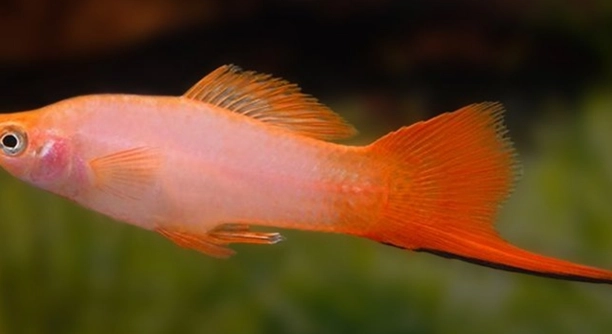
Swordtails are popular aquarium fish, but sometimes they exhibit unusual behavior, like bumping the tank floor. This can raise concerns for aquarium owners, especially if you are unsure about its cause or how to address it.
The most common reason for swordtails bumping the tank floor is a health issue, such as swim bladder disorder. This condition affects their buoyancy and can cause them to swim abnormally or struggle to maintain their position in the tank.
Identifying the cause of this behavior can help you provide the necessary care for your swordtail. There are multiple factors to consider, including water quality and tank conditions, that may affect your fish’s health.
Understanding Swim Bladder Disorder
Swim bladder disorder is a common issue for swordtails, leading to abnormal swimming patterns. This condition affects the fish’s buoyancy, which can cause them to swim sideways, upside down, or even bump the tank floor. The swim bladder is an organ that helps fish control their position in the water. When this organ is damaged or not functioning properly, it can result in the fish struggling to maintain balance. This condition is often caused by overfeeding, poor water quality, or genetic factors. Swordtails with swim bladder issues may also have difficulty staying at the surface or sinking properly.
It’s important to note that swim bladder problems can be temporary or more severe. Treatment can vary depending on the cause and severity of the disorder.
If the issue is related to water quality, improving filtration and performing regular water changes may help your swordtail recover. Adjusting your fish’s diet and avoiding overfeeding can also help reduce the risk of swim bladder disorder.
Water Quality and Environmental Factors
Poor water quality can stress swordtails, leading to swimming problems and other health issues. Dirty water or unstable conditions can cause infections and weaken the fish’s immune system. Regular water changes and monitoring parameters like temperature, pH, and ammonia levels are essential to keeping your tank healthy.
Swordtails thrive in clean, well-maintained environments. Keep your tank at the right temperature, between 72-78°F, and check the water parameters regularly. Filtration plays a big role in maintaining water quality, so invest in a reliable system to help keep toxins and waste under control.
Keeping the water in your swordtail’s tank stable and clean will not only help prevent swim bladder problems but will also keep your fish more comfortable and active. Regular maintenance can prevent many common issues, ensuring your swordtail stays healthy and happy.
Overfeeding and Its Effects
Overfeeding is a common mistake that can lead to swim bladder problems in swordtails. Excess food in the tank decomposes, pollutes the water, and can even cause digestive issues in your fish. When swordtails consume too much, it can cause their digestive system to become overloaded, leading to buoyancy problems.
To avoid overfeeding, feed your swordtail only what it can consume in 2-3 minutes. Remove any uneaten food after that time to prevent excess waste. Stick to a consistent feeding schedule and monitor their food intake to ensure they are getting the right amount.
Overfeeding may not just affect the swim bladder but can also lead to other health issues, like obesity or poor water quality. By feeding your swordtail properly, you’ll help it stay healthier and avoid unnecessary stress or problems. Keep the tank clean and monitor how much food your fish eats to ensure it stays balanced and active.
Tank Mates and Stress Factors
Swordtails can be sensitive to tank mates that are too aggressive. Stress from bullying or competition for food can weaken the immune system and lead to swim bladder issues. It’s important to select peaceful companions for your swordtail to avoid unnecessary stress.
When choosing tank mates, opt for species that have similar temperaments and size. Avoid aggressive fish that may chase or nip at your swordtail. If you notice signs of stress, such as hiding or erratic swimming, it’s a good idea to separate the aggressive fish.
A peaceful and well-balanced tank environment is essential for swordtails to thrive. Stress can cause both physical and behavioral problems, so it’s essential to create a space where your swordtail feels safe. By monitoring the interactions between your fish, you can reduce the chances of stress-induced health problems.
Tank Size and Space
Swordtails need enough space to swim freely and remain active. A small tank can contribute to stress and physical issues, including problems with buoyancy. Ensuring your swordtail has ample room to move will help prevent these types of health issues.
A 20-gallon tank is a good size for a small group of swordtails. If the tank is overcrowded or too small, fish are more likely to develop stress-related problems, including swim bladder disorder. Providing adequate space is key to keeping your fish healthy and happy.
Temperature and its Impact
Water temperature plays a big role in swordtail health. If the water is too cold or too warm, it can cause stress and potentially worsen any existing health issues, including swim bladder problems. Maintaining a consistent temperature is vital.
Swordtails thrive in water temperatures between 72-78°F. Ensure that the tank heater is working properly to keep the temperature stable. Sudden fluctuations in temperature can put stress on your swordtail, making them more vulnerable to disease or buoyancy problems. Regularly check the water temperature to ensure it’s ideal.
Medication and Treatment
If your swordtail’s swim bladder issue is severe, medication might be necessary. Some aquarium treatments can help relieve symptoms by addressing underlying infections or inflammation. Consult with an experienced aquarium professional before administering any treatment.
Medications designed to treat swim bladder problems often target bacterial or parasitic infections. Be sure to follow the instructions carefully and adjust the tank conditions accordingly.
FAQ
Why is my swordtail swimming upside down or at an angle?
This behavior is often a sign of swim bladder disorder. The swim bladder helps regulate a fish’s buoyancy, and when it’s not functioning properly, swordtails can struggle to stay upright. This can cause them to float upside down or swim at odd angles. Other causes might include poor water quality, overfeeding, or even bacterial infections. Keeping the water clean and monitoring your fish’s food intake is key to preventing this problem.
Can swim bladder problems be treated?
Yes, swim bladder issues can sometimes be treated, depending on the cause. If the problem is caused by poor water quality, improving the water conditions might help. In cases of overfeeding, adjusting your swordtail’s diet can also make a difference. For more serious cases, such as infections, medications designed to treat swim bladder disorders are available. Consult with a vet or aquarium expert for guidance on the best course of action.
What can I do if my swordtail is struggling to swim properly?
If your swordtail is having trouble swimming, first check the water quality. Ensure that ammonia, nitrite, and nitrate levels are within acceptable ranges, and that the temperature is stable. If the water quality is fine, consider adjusting the diet to prevent overfeeding. If the problem persists, look for signs of disease or injury and consider consulting a vet for a proper diagnosis.
How can I prevent swim bladder problems in my swordtail?
Preventing swim bladder issues starts with maintaining a clean tank and monitoring water conditions. Regular water changes and proper filtration are essential. You should also avoid overfeeding and stick to a feeding schedule. Make sure your swordtail has enough space to swim comfortably, as cramped conditions can lead to stress and health issues. Keeping tank mates peaceful and free from aggression will also help prevent stress-related health problems.
Can swim bladder disorder be a result of stress?
Yes, stress can contribute to swim bladder problems. Swordtails that are constantly stressed due to factors like overcrowding, aggressive tank mates, or fluctuating water conditions may develop swim bladder issues. Creating a calm, stable environment with adequate space and proper water parameters can reduce stress and prevent health problems.
How do I treat swim bladder disorder at home?
To treat swim bladder disorder at home, first make sure the tank’s water quality is optimal. Perform water changes if necessary and check temperature levels. Adjust your swordtail’s diet, reducing the amount of food or switching to a more suitable food source. If the problem seems to persist, consider adding a fish-safe medication designed for swim bladder issues, available at most pet stores.
Can swim bladder problems affect my swordtail’s long-term health?
If left untreated, swim bladder issues can lead to chronic health problems in swordtails. They may become weaker, lose appetite, or struggle to compete for food. In severe cases, it can even result in death. Proper care, such as maintaining good water quality and providing a balanced diet, can improve their chances of recovery. Regular check-ups and monitoring will help catch any issues early.
What is the best food for swordtails to avoid swim bladder issues?
A balanced diet is crucial for swordtails to avoid swim bladder problems. Feeding them high-quality pellets or flakes that are specifically designed for livebearers is a good choice. Avoid overfeeding, and consider supplementing their diet with occasional live or frozen foods, such as brine shrimp or daphnia. Ensure they are eating the appropriate amount of food to prevent digestive issues.
Are there any other fish diseases that can cause swim bladder problems?
Yes, several diseases can cause swim bladder problems in swordtails. Bacterial infections, such as those caused by Aeromonas, or parasitic infections like Hexamita, can affect the swim bladder. It’s important to keep an eye out for other symptoms, such as redness, swelling, or unusual behavior. If you suspect an infection, it’s best to isolate the affected fish and consult an aquarium professional for advice on treatment options.
How can I tell if my swordtail is sick or just acting strange?
Sick swordtails often display behaviors such as erratic swimming, staying at the bottom of the tank, or swimming upside down. They may also lose their appetite or become less active. To determine if your swordtail is sick, observe its behavior closely and check the water quality. If the strange behavior persists and no improvements are seen, it may be time to take action, such as providing medication or visiting an aquarium vet.
Should I isolate my swordtail if it’s showing swim bladder issues?
If your swordtail is exhibiting severe swim bladder symptoms or seems to be struggling to breathe, isolating it in a quarantine tank can be a good idea. This helps reduce stress from tank mates and allows you to focus on the treatment. Make sure to provide the appropriate water conditions and medications in the quarantine tank to help your swordtail recover.
Is it common for swordtails to have swim bladder issues?
Swim bladder issues are not uncommon in swordtails, especially if water quality is poor, they’re overfed, or they’re kept in stressful environments. However, with proper care, these issues can often be prevented or resolved. Regular maintenance of the tank, proper feeding, and careful monitoring of the fish’s health are key factors in reducing the risk of swim bladder disorders.
What should I do if my swordtail keeps hitting the tank floor?
If your swordtail is frequently hitting the tank floor, it could indicate a swim bladder issue or other underlying health problems. First, ensure the water quality is optimal, as poor water conditions can affect fish behavior. Reduce feeding to prevent overfeeding, and monitor your swordtail for signs of illness. If necessary, consult an expert for further treatment.
Final Thoughts
Swordtails are generally hardy fish that thrive in well-maintained tanks, but when they begin to display unusual behavior, such as bumping the tank floor, it’s important to take notice. The most common cause of this behavior is a swim bladder issue, which affects the fish’s buoyancy and can result in them swimming erratically or struggling to stay upright. Other factors, such as poor water quality, overfeeding, and stress from tank mates, can also contribute to this problem. Understanding the underlying causes is the first step in providing the right care for your swordtail.
In many cases, swim bladder issues can be managed or prevented with simple changes to the tank environment. Regular water changes, proper filtration, and monitoring the tank’s temperature are essential to keeping your swordtail healthy. Avoiding overfeeding and offering a balanced diet can also help prevent digestive issues that might lead to swim bladder problems. If your swordtail’s behavior persists despite improving these factors, further investigation may be needed. Consulting with an aquarium professional or veterinarian can provide additional guidance on treatment options, including medication or adjustments to the fish’s environment.
While dealing with swim bladder issues can be concerning, remember that many swordtails can recover with the right care. By paying close attention to their behavior and maintaining a clean, stable environment, you can help your swordtail stay healthy and active. It’s important to act quickly when you notice symptoms to prevent further complications. Whether it’s adjusting their diet, providing more space, or seeking professional help, there are many ways to support your swordtail’s well-being.

Hello,
If you enjoy the content that we create, please consider saying a "Thank You!" by leaving a tip.
Every little bit helps us continue crafting quality advice that supports the health, happiness, and well-being of pets around the world, for pets of all shapes, sizes, and species.
We really appreciate the kindness and support that you show us!