
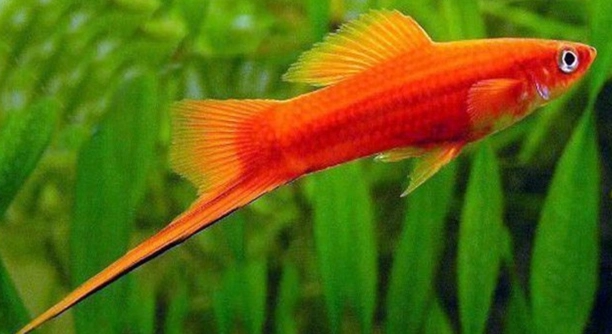
Swordtails are popular aquarium fish, and sometimes, you may notice them breathing faster than usual. This change can be concerning for any fish owner, but understanding the causes will help you respond appropriately.
The main reason your swordtail may be breathing fast is due to stress, poor water quality, or low oxygen levels. Factors like tank overcrowding, high temperatures, or illness can also contribute to rapid breathing.
Understanding these factors will help you address your swordtail’s needs and ensure a healthier, happier environment for your fish.
Common Causes of Fast Breathing in Swordtails
There are a few key factors that could be making your swordtail breathe faster. Stress is one of the top reasons. Any change in the environment, like adding new fish, moving the tank, or even loud noises, can upset your swordtail. Poor water quality also plays a huge role. When ammonia or nitrites are high, it can be overwhelming for fish to breathe. If the oxygen levels are low in the tank, swordtails will naturally try to compensate by increasing their breathing rate. Overcrowding can contribute to both stress and poor water conditions, making it harder for the fish to get enough oxygen.
If you notice your swordtail is breathing rapidly, the first step is to check the water quality. A water test kit can help identify if ammonia, nitrites, or nitrates are too high. Adjusting the filtration or doing a partial water change can make a big difference.
It’s important to monitor the tank temperature, as swordtails prefer water between 72°F to 78°F. Keeping the tank at the right temperature helps maintain stable oxygen levels. Ensure that there are no sudden changes in the water conditions.
How Stress Affects Your Swordtail’s Breathing
Stress can be one of the hardest things to address in aquarium fish. Swordtails are sensitive to changes in their environment, and even small alterations can trigger stress. Things like sudden tank changes, aggressive tank mates, or even a lack of hiding spots can cause them distress. This increased anxiety makes the swordtail breathe faster to get more oxygen, and it can lead to long-term health problems if not addressed.
To reduce stress, it’s important to provide a stable and comfortable environment. Keeping the tank size appropriate for the number of fish, adding plants or hiding spots, and ensuring your swordtail isn’t being bullied by other fish can help. Swordtails are social creatures, but they don’t do well in crowded tanks. It’s best to aim for one swordtail per 10 gallons of water to prevent stress.
In addition to reducing stress, be sure to check the lighting in the tank. Swordtails, like many fish, can become stressed by bright or fluctuating lights. Try using a gentle, consistent light cycle to maintain a calm environment for your fish.
Poor Water Quality and Its Effect on Swordtails
When your swordtail’s breathing speed increases, poor water quality is often to blame. Ammonia, nitrites, and nitrates can build up if the tank isn’t cleaned regularly or if the filter isn’t working properly. High levels of these chemicals can irritate your fish’s gills, making it harder to breathe. Swordtails need clean water to thrive, and the water must be tested frequently to maintain a healthy environment.
Water quality can also be influenced by overfeeding. Uneaten food decays in the tank, contributing to an increase in harmful substances. To prevent this, only feed what your fish can consume in a few minutes. Regular water changes and proper filtration are essential to keep the water clean and healthy.
In addition to monitoring the chemical balance in your tank, consider the oxygen levels. If the oxygen content is low, your swordtail will likely breathe faster. Adding an air stone or adjusting the filter can help improve oxygen circulation. Ensuring that the water is well-oxygenated is key to your swordtail’s overall health.
Temperature Fluctuations and Swordtail Breathing
Temperature changes in your tank can make swordtails more stressed and cause them to breathe faster. Swordtails are comfortable in water between 72°F and 78°F. If the temperature fluctuates too much, your fish may struggle to adjust. Sudden drops or increases can stress the fish, affecting its breathing rate. Stable temperatures are key to keeping your swordtail healthy and calm.
To maintain a consistent temperature, it’s best to use a reliable aquarium heater. Avoid placing the tank in areas where it can be exposed to drafts or direct sunlight, as these can lead to sudden temperature changes. A thermometer will help you keep track of the water’s temperature to ensure it stays within the ideal range.
In extreme cases, too high of a temperature can reduce oxygen levels in the tank, forcing your swordtail to breathe faster to compensate. If you notice rapid breathing during warm weather, consider using a fan to cool the tank down slightly. Keeping your swordtail’s environment stable can go a long way in preventing breathing issues.
Overcrowding and Its Impact on Breathing
When too many fish are placed in a tank, it leads to overcrowding, which stresses swordtails and affects their breathing. Overcrowded tanks have lower oxygen levels, causing swordtails to breathe faster to compensate. Ensuring enough space for each fish is essential to avoid this issue.
The recommended tank size for swordtails is 10 gallons per fish. If you have more than a few swordtails in a smaller tank, it’s likely that oxygen levels are insufficient. To address this, consider upgrading to a larger tank or reducing the number of fish. More space will provide better oxygen flow and reduce stress.
Illness and Breathing Problems
Illnesses, like internal parasites or bacterial infections, can cause swordtails to breathe faster. These health issues make it harder for the fish to get enough oxygen, triggering rapid breathing as a response. Watching for other symptoms like clamped fins, lethargy, or abnormal swimming patterns can help in identifying an illness.
If you suspect your swordtail is ill, separate it from other fish to avoid spreading any potential diseases. You can treat certain infections with antibiotics or parasite treatments, but it’s important to use the proper medication based on the specific illness. Consulting with an aquarium expert or veterinarian can help you determine the right course of action. Taking prompt action can prevent further complications.
Poor Filtration
Without proper filtration, waste builds up in the tank, affecting water quality and causing your swordtail to breathe rapidly. If the filter isn’t strong enough or not working properly, toxins accumulate and make it harder for the fish to get oxygen. Regular filter maintenance is essential.
Make sure to clean your filter regularly and replace the filter media as needed. If you find that your filter is too small for your tank, it may be worth upgrading to one that can handle a larger capacity. A strong filter improves water flow and ensures oxygen circulation, benefiting your swordtail’s overall health.
FAQ
Why is my swordtail breathing fast after a water change?
When you perform a water change, swordtails may become stressed due to sudden changes in water parameters, such as temperature, pH, or water hardness. Even if the new water seems ideal, it’s important to ensure that it matches the existing tank conditions as closely as possible. This stress response can cause the swordtail to breathe faster. To minimize this, always acclimate the new water gradually and ensure proper filtration and aeration to help your fish adjust smoothly.
Can a dirty tank cause my swordtail to breathe fast?
Yes, a dirty tank can lead to a buildup of toxins like ammonia and nitrites, which are harmful to your swordtail. If the tank isn’t cleaned regularly, the water quality deteriorates, affecting oxygen levels and causing stress, which leads to rapid breathing. Regular water changes, proper filtration, and removing uneaten food are essential for maintaining clean water.
How can I tell if my swordtail is stressed?
Stress can show itself in various ways. Aside from rapid breathing, your swordtail might display behaviors like hiding, aggressive interactions with tank mates, or reduced activity levels. It may also lose its appetite or show signs of unusual swimming patterns, such as darting or erratic movements. Identifying stress early can help you address the underlying issue quickly.
What should I do if my swordtail is breathing fast all the time?
If your swordtail is constantly breathing fast, the first thing to check is water quality. Perform a water test to check for harmful chemicals like ammonia, nitrites, or nitrates. If the water quality is good, check for overcrowding, poor filtration, or temperature fluctuations. If these are all within proper ranges and the fish still shows signs of rapid breathing, consider possible illness or stress as other contributing factors.
How can I improve oxygen levels in my tank for my swordtail?
Improving oxygen levels is crucial for your swordtail’s health. To enhance oxygenation, you can add an air stone or adjust the flow rate on your filter to improve circulation. Also, make sure that the tank is not overcrowded, as this will reduce the amount of available oxygen. Keeping the tank well-maintained and ensuring the filter is functioning properly can also help increase oxygen levels.
Is it normal for my swordtail to breathe fast when the tank lights are on?
Swordtails may breathe faster under bright lighting, especially if they’re stressed by it. Some fish find bright lights intimidating and will react by breathing faster or hiding. If you notice this happening, try reducing the intensity of the lights or providing plants or hiding spots to make your swordtail feel more secure.
Can tank mates cause my swordtail to breathe fast?
Yes, aggressive or territorial tank mates can stress your swordtail and cause it to breathe rapidly. If your swordtail feels threatened or bullied by other fish, it may respond with faster breathing. It’s important to choose peaceful tank mates that won’t harm or stress your swordtail. Pay attention to any signs of aggression and consider rehoming any problematic fish.
How can I tell if my swordtail has a respiratory infection?
Respiratory infections are often indicated by symptoms like rapid breathing, labored breathing, or gill movement. Your swordtail might also show signs of lethargy or lose its appetite. If you suspect an infection, it’s crucial to separate the affected fish from the others to prevent the spread of the disease. Treatment depends on the type of infection, and a visit to an aquarium specialist can help guide you in choosing the correct medication.
Can temperature fluctuations cause my swordtail to breathe fast?
Yes, sudden temperature changes can stress swordtails and lead to rapid breathing. Swordtails prefer a stable temperature range between 72°F and 78°F. Large fluctuations in temperature, such as during a water change or in extreme weather, can make it harder for them to breathe. To avoid this, ensure your tank has a reliable heater and monitor the temperature regularly to maintain consistency.
Why is my swordtail breathing fast after feeding?
Swordtails may breathe faster after feeding, especially if they’ve consumed more food than they can comfortably handle. Overfeeding can also cause bloating or digestive discomfort, which might make the fish breathe faster. It’s essential to feed only what the fish can eat in a few minutes and remove any uneaten food to prevent water quality issues.
How can I tell if my swordtail’s fast breathing is due to low oxygen?
If your swordtail is breathing rapidly and other possible causes, like stress or illness, are ruled out, it may be due to low oxygen levels. You might notice the fish hovering near the surface, where oxygen levels are higher. Increasing tank aeration, adding an air stone, or adjusting the filter to improve water movement can help resolve this issue.
Can I prevent fast breathing in my swordtail?
Preventing fast breathing in your swordtail starts with maintaining a stable, healthy environment. Regular water changes, proper filtration, and monitoring the tank’s temperature and oxygen levels can prevent most issues that lead to fast breathing. It’s also important to avoid overcrowding and keep the tank clean to reduce stress and improve water quality.
Is it safe to add a new swordtail to my tank if the others are breathing fast?
If your swordtails are already showing signs of stress or fast breathing, it’s not advisable to add another fish. Adding new fish could further stress the existing ones, making the problem worse. It’s best to address the underlying issues—such as water quality, overcrowding, or illness—before introducing new fish into the tank.
What’s the best way to monitor my swordtail’s breathing?
To monitor your swordtail’s breathing, observe its gill movements and the overall speed of its breath. Rapid gill movement or noticeably fast breathing can indicate stress or a health issue. Regularly observing your fish will help you spot any unusual changes. If you notice consistent rapid breathing, investigate water quality, temperature, and other potential causes.
Final Thoughts
When it comes to understanding why your swordtail is breathing fast, the key is to pay attention to the water quality, tank conditions, and the overall health of your fish. Rapid breathing is often a sign of stress, poor water quality, illness, or overcrowding. Regularly testing your tank water for ammonia, nitrites, and nitrates can help you maintain a healthy environment. Ensuring that your swordtail has enough space and clean, oxygen-rich water will help reduce stress and improve its well-being.
Another factor to consider is the importance of temperature stability. Swordtails are sensitive to sudden temperature fluctuations, and any rapid changes can cause stress and lead to faster breathing. Keeping the tank within the recommended temperature range of 72°F to 78°F, with a reliable heater, will provide your swordtail with a comfortable environment. If your swordtail is constantly experiencing rapid breathing, check your heater and ensure it is functioning properly, as water that is too cold or too hot can be harmful to fish.
In addition to monitoring water quality and temperature, keep an eye on your swordtail’s behavior. If it’s showing other signs of illness, such as loss of appetite, unusual swimming patterns, or discoloration, it’s important to address these issues promptly. Sometimes, fast breathing is just a symptom of a bigger problem, like an internal parasite or bacterial infection. Taking action early can prevent more serious health issues down the line. By creating a stable, clean environment and providing regular care, your swordtail can thrive and enjoy a long, healthy life.

Hello,
If you enjoy the content that we create, please consider saying a "Thank You!" by leaving a tip.
Every little bit helps us continue crafting quality advice that supports the health, happiness, and well-being of pets around the world, for pets of all shapes, sizes, and species.
We really appreciate the kindness and support that you show us!