
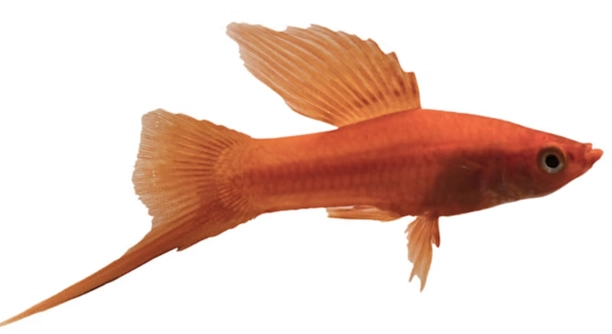
Swordtail fish are lively and colorful additions to any aquarium, but sometimes their behavior can raise questions. If you’ve noticed aggression in your tank, you’re not alone. Understanding why your swordtail attacks others can help resolve these issues.
Swordtails often show aggression due to territorial behavior, mating competition, or overcrowding. Male swordtails, in particular, may fight over female attention or defend their space, leading to hostile interactions with other fish.
The causes of aggression in swordtails can be managed with the right care and environment. Adjusting tank size, introducing hiding spots, or managing the male-to-female ratio can help restore peace.
Reasons Why Swordtails Get Aggressive
Swordtails are typically peaceful fish, but aggression can emerge for several reasons. One of the primary factors is territorial behavior, especially when there’s not enough space. Male swordtails are particularly prone to defending their space and will chase or nip at other fish, especially other males. Additionally, mating behavior can cause tension. Males often fight to win over a female, leading to more aggression in the tank. Overcrowding can also heighten stress and trigger fights, as fish feel they need to protect their territory.
Male swordtails, being naturally more territorial, can be especially aggressive towards each other. They might display aggression when competing for the attention of females, which increases the likelihood of skirmishes. Providing enough space and ensuring there are more females than males in your tank can help reduce this issue.
To manage aggression, consider adjusting the male-to-female ratio and adding more plants or decorations to create hiding spots. This will help reduce the tension and allow the swordtails to establish their own territories. A spacious tank with enough cover can make a big difference in reducing hostile behavior.
Environmental Factors That Influence Aggression
The environment your swordtail fish live in can play a huge role in their behavior. Overcrowding is a common factor that leads to increased aggression. When swordtails are packed into a small space, they feel threatened and stressed, which can result in fighting. Another environmental factor is water quality. Poor water conditions can increase stress levels in fish, making them more likely to lash out at one another. Regular water changes and maintaining a clean tank can help reduce this stress.
In addition to water quality and tank size, the temperature of the water matters. Swordtails are happiest in water between 72-79°F (22-26°C). If the temperature is too high or low, they may become more aggressive. Swordtails also thrive in a well-planted tank with plenty of hiding spots. These places allow them to escape from aggressive tankmates or even show dominance. If you want to keep swordtails happy and reduce aggression, providing an environment that mimics their natural habitat is key.
You might also want to avoid sudden changes in the environment, such as introducing new fish too quickly. This can disrupt the balance in the tank and lead to aggression. Ensuring that your swordtails feel comfortable and secure in their environment will go a long way in preventing unnecessary conflicts.
Male-to-Female Ratio
Swordtails are more likely to fight when there are more males than females in the tank. Males tend to compete for female attention, and with no balance, this can lead to frequent aggression. A ratio of 1 male to 2 or 3 females can reduce these aggressive encounters.
If you have more males than females, the constant competition can stress both the males and females. The males may be more aggressive towards each other, and the females can become stressed from the attention. A balanced ratio gives males less incentive to fight and keeps stress levels lower for all fish. Additionally, a few females give each male less direct competition, reducing the tension in the tank.
Adjusting the male-to-female ratio is one of the easiest ways to manage aggression in your swordtail tank. Keeping this ratio in mind will help promote a calmer environment for your fish. If your tank is too small to maintain this balance, consider adding more plants or hiding spots to reduce territorial disputes.
Tank Size and Overcrowding
A small tank can contribute to swordtail aggression. When swordtails don’t have enough space to swim freely, they become stressed, leading to territorial fights and bullying. Overcrowding increases the chances of aggressive interactions. A bigger tank allows swordtails to establish their territories and helps reduce competition.
The general rule is that swordtails need at least 20 gallons of water for a small group. A larger tank will make it easier to add more plants, rocks, and hiding spots, which can help create boundaries between fish and reduce aggression. If overcrowded, the fish will feel cramped and defensive, and territorial disputes will increase. A larger tank with proper filtration also ensures better water quality, which plays a big role in reducing stress.
Overcrowding isn’t just about the number of swordtails. It’s also important to consider the other fish species in the tank. If your swordtails are sharing space with aggressive species, this could make them more likely to act out. More space gives all fish room to spread out, lowering overall aggression levels.
Stress and Environmental Changes
Stress is a major factor in swordtail aggression. Changes in the environment, such as water temperature or quality shifts, can trigger defensive behaviors. Swordtails are sensitive to sudden changes and can react by becoming territorial or aggressive.
Even slight shifts in water parameters, such as pH or hardness, can cause stress. Fish may feel threatened or confused by these changes, leading them to lash out at their tankmates. Keeping the water conditions stable is key to preventing stress-related aggression. Regular water testing and adjustments will help maintain a peaceful environment for your swordtails.
Mating Behavior
Male swordtails often display aggression during mating season. They become more territorial and may chase or fight other males competing for a female. This behavior is a natural part of their reproductive process.
To reduce mating-related aggression, ensure there are enough females to go around. With fewer males competing, the aggression between them is likely to decrease. Adding plants or hiding spots can also provide refuges for less dominant fish. Managing the mating process can lead to a calmer tank.
Compatibility with Other Fish
Swordtails may show aggression toward other species, especially if they feel their territory is being threatened. Aggressive fish, like cichlids, can provoke your swordtails into fights. The right tankmates matter.
Choosing peaceful species and ensuring there is enough space for everyone can reduce these conflicts. Fish like tetras or mollies often make better companions for swordtails. The goal is to create a harmonious tank where all species feel secure.
FAQ
Why do my swordtails chase each other?
Swordtails often chase each other due to territorial disputes or mating competition. Males, in particular, will chase each other when they’re trying to establish dominance or attract females. If there are too many males in the tank, they will fight more often. To reduce chasing, ensure there’s a good male-to-female ratio, and provide enough space for the fish to establish territories. Adding plants or decorations will also give them areas to hide, making them feel more secure.
How can I stop my swordtail from being aggressive?
Reducing aggression involves a few key steps: adjust the male-to-female ratio (1 male to 2-3 females), ensure your tank isn’t overcrowded, and provide plenty of plants and hiding spots. Keeping the water conditions stable also helps, as poor water quality can increase stress. If aggression continues, separating aggressive individuals temporarily or adjusting the tank setup can provide relief.
What size tank do swordtails need to prevent aggression?
Swordtails need at least 20 gallons of water for a small group, though larger tanks are better. The more space available, the fewer chances there are for territorial disputes. A tank that’s too small can lead to overcrowding, stress, and increased aggression. In larger tanks, swordtails can swim freely, establish territories, and avoid constant competition with other fish.
Can water temperature affect swordtail aggression?
Yes, water temperature can influence swordtail behavior. Swordtails prefer a stable water temperature between 72-79°F (22-26°C). If the water gets too hot or too cold, it can stress the fish and increase aggression. Consistent temperatures help swordtails feel more comfortable and less likely to fight over territory or mates.
Do swordtails attack other species?
Swordtails are generally peaceful but may show aggression towards other species, especially if they feel their space is being threatened. Fish like aggressive cichlids can provoke swordtails into defensive behavior. When choosing tankmates, go for peaceful fish that won’t compete too aggressively with swordtails for space or food.
How do I know if my swordtail is stressed?
Stressed swordtails may display erratic swimming, excessive hiding, or reduced appetite. They may also become more aggressive or overly shy. Stress can result from poor water conditions, overcrowding, or changes in the environment. Monitoring your tank’s water quality and keeping a consistent routine can help reduce stress.
Can swordtails be kept with other livebearers?
Yes, swordtails generally do well with other livebearers like guppies and mollies. These species share similar water conditions and behavior patterns. However, make sure there is enough space and a good balance between males and females to avoid aggressive competition. Adding plenty of hiding spots can also help reduce conflict among livebearers.
What do I do if my swordtail is bullying other fish?
If your swordtail is bullying other fish, try to create more hiding spaces or rearrange the tank decorations to reduce territorial aggression. Sometimes separating the aggressive swordtail temporarily can help it cool down. You may also want to evaluate the male-to-female ratio and consider adjusting it to reduce competition.
Do swordtails get along with other peaceful fish?
Yes, swordtails typically get along with peaceful species like tetras, mollies, or small catfish. These fish have similar care needs and don’t compete aggressively for space or food. Always make sure to research each species’ temperament and care requirements before mixing them to ensure a peaceful tank environment.
Can I reduce swordtail aggression by adding more plants?
Yes, adding more plants to your tank can help reduce aggression. Plants provide natural hiding spots, which allow fish to retreat from aggressive tankmates. They also create boundaries in the tank, helping fish establish territories and avoid constant conflict. Providing plenty of plants and decorations will help create a more peaceful environment.
How often should I change the water in my swordtail tank?
Water changes are essential to keeping swordtails healthy and reducing aggression. Aim for partial water changes (about 25-30%) once a week. Clean water reduces stress, keeps ammonia levels in check, and helps maintain stable water conditions, which ultimately lowers aggression. Regular water testing ensures the conditions are optimal for your fish.
Do swordtails need a filter?
Yes, swordtails require a filter to maintain clean and healthy water. A good filter helps keep the water free from toxins like ammonia and nitrate, which can stress your fish and increase aggression. It also promotes better oxygen circulation, contributing to a healthier environment. Choose a filter suitable for your tank size and water conditions.
What other factors contribute to swordtail aggression?
Aside from overcrowding and mating behavior, factors like poor water quality, high levels of stress, and lack of hiding spots can contribute to aggression. When swordtails don’t feel safe or comfortable in their environment, they may become territorial or defensive. Maintaining stable water conditions and providing ample space and cover can help reduce these issues.
Will swordtails calm down after breeding?
Swordtails may calm down after breeding, especially if they are provided with ample space and hiding spots. However, males may continue to show aggression toward each other while competing for females, even after breeding. Adjusting the male-to-female ratio and providing plenty of cover in the tank can help reduce ongoing aggression.
Do swordtails fight with each other?
Swordtails can fight, especially males competing for females or territory. If males are too numerous, they may become aggressive toward one another. To prevent this, maintain a proper male-to-female ratio and avoid overcrowding. Ensuring your swordtails have enough space and hiding spots can also reduce fighting.
How can I tell if my swordtail is injured from a fight?
Injured swordtails may show signs of damage such as torn fins, visible wounds, or an unusual swimming pattern. If you notice these signs, isolate the injured fish to avoid further bullying and allow it to heal. You may need to treat the wound with aquarium salt or antibiotics, depending on the severity.
Do swordtails need constant monitoring for aggression?
While swordtails don’t require constant monitoring, it’s important to check on them regularly to ensure their behavior remains calm. Keep an eye on their interactions, especially during breeding or when introducing new tankmates. If you notice frequent aggression, it may be time to adjust the tank environment or fish ratios.
Final Thoughts
Swordtails are generally peaceful fish, but like any aquarium species, they can display aggressive behaviors under certain conditions. These behaviors are often linked to factors like territoriality, mating competition, overcrowding, and stress. By understanding the root causes of aggression in swordtails, you can take simple steps to create a more harmonious environment. Adjusting the male-to-female ratio, ensuring the tank isn’t overcrowded, and providing plenty of hiding spots and plants can go a long way in reducing aggression. These changes not only help with territorial disputes but also create a more natural and comfortable environment for your fish.
Another important factor to consider is the water quality and temperature in your tank. Swordtails thrive in stable, clean water, and poor water conditions can contribute to stress and aggression. Regular water changes, maintaining proper filtration, and monitoring the water temperature are key to keeping your swordtails happy and healthy. Stress from fluctuating water conditions or overcrowding can make swordtails more aggressive, so maintaining a consistent environment is crucial for their well-being. A stable tank setup reduces the chances of aggression and ensures that your swordtails live in a peaceful environment where they can thrive.
Finally, it’s important to remember that fish behavior can sometimes be unpredictable, and each swordtail may have its own personality. Even with all the right conditions in place, some swordtails may still show signs of aggression. If this happens, it’s essential to monitor the situation and make adjustments as needed. Whether that means adding more hiding spots, changing the male-to-female ratio, or separating overly aggressive individuals, addressing the issue promptly can prevent long-term stress for all fish in the tank. Ultimately, keeping your swordtails in a peaceful environment with proper care will help them live healthy, happy lives.

Hello,
If you enjoy the content that we create, please consider saying a "Thank You!" by leaving a tip.
Every little bit helps us continue crafting quality advice that supports the health, happiness, and well-being of pets around the world, for pets of all shapes, sizes, and species.
We really appreciate the kindness and support that you show us!