
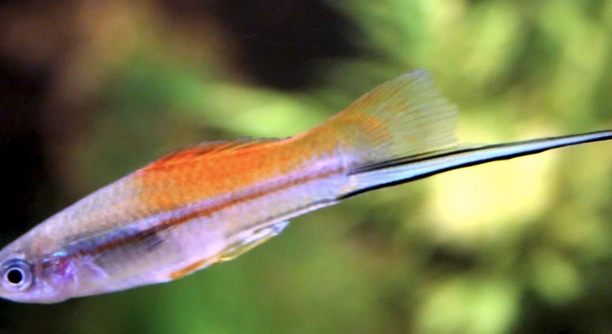
Swordtail fish are known for their energetic behavior and vibrant personalities. However, when your swordtail spends an unusual amount of time under the heater, it may signal something more than just a preference for warmth.
Swordtails gravitate toward heat sources because they thrive in warmer water temperatures. If your fish is constantly near the heater, it may indicate that the water temperature is too low or not stable enough for their comfort.
This behavior can be influenced by several factors, and understanding them will help ensure your swordtail remains healthy and content in its environment.
Temperature Sensitivity in Swordtails
Swordtails are highly sensitive to changes in water temperature. If the water is too cold, they may seek out warmer areas of the tank, often near the heater. These fish are most comfortable when the water temperature is between 74°F and 79°F (23°C to 26°C). When the water temperature fluctuates outside this range, swordtails can become stressed, which may lead to them spending more time near the heat source in an attempt to stabilize their body temperature.
If you notice your swordtail consistently seeking the warmth near the heater, it’s a sign that the current water temperature is unsuitable. You should invest in a reliable aquarium thermometer to monitor temperature fluctuations and a heater with a thermostat for more control.
It’s crucial to maintain a consistent temperature in the tank. Sudden shifts can cause stress, weakened immunity, or health problems for your swordtail. Additionally, keeping the tank at the ideal range allows your fish to be more active and display healthier behavior.
Other Potential Factors
If your swordtail continues to favor the heater despite proper water temperature, consider other contributing factors. Tank conditions, such as overcrowding or water quality, can also cause stress, prompting your fish to search for a comfortable spot. Keeping your tank clean and well-maintained is essential for promoting healthy behavior in your fish.
Swordtails thrive in clean, well-oxygenated water. If your tank’s water is unfiltered or too dirty, it could be causing discomfort and making the fish seek warmer areas. Regular water changes and a good filtration system can help keep your swordtail in a healthier environment. By addressing these factors, you’ll create a space where your fish feel secure and comfortable, promoting overall well-being.
Heater Placement and Tank Size
The placement of the heater plays a significant role in how your swordtail interacts with it. If the heater is located in an area with poor water circulation, it may create hot spots that your fish will seek out.
In larger tanks, heaters need to be placed near areas of good water movement to ensure consistent temperature distribution. For smaller tanks, a single heater may suffice, but make sure it’s positioned to avoid localized hot spots. Swordtails are likely to congregate around heaters if they are positioned improperly. To prevent this, ensure even water circulation for balanced temperatures.
Adjusting the heater’s position might prevent your swordtail from staying too close to it. For better temperature regulation, try using an adjustable heater with a thermostat that allows for even distribution. By making these adjustments, your swordtail will be more comfortable and healthy in its environment.
The Impact of Water Quality
The quality of the water directly affects your swordtail’s behavior. Poor water quality often leads to stress and discomfort, making your fish more likely to seek out warmer areas near the heater.
Regular testing of the water’s pH, ammonia, nitrite, and nitrate levels is crucial. Maintaining proper water parameters can prevent your swordtail from feeling stressed. Water that is too acidic or alkaline can lead to discomfort, causing the fish to retreat to areas they perceive as safer. Additionally, low oxygen levels can further stress your swordtail, pushing it closer to the heater.
Cleaning your tank and performing regular water changes are essential steps in ensuring good water quality. Without a proper filtration system or frequent water changes, the water can become toxic, affecting your fish’s health and behavior.
Stress from Tank Mates
Tank mates can affect your swordtail’s behavior. If there’s aggression or bullying in the tank, the swordtail may retreat to areas it feels safer, like near the heater.
Aggressive fish or overly territorial species may stress your swordtail, causing it to seek warmer areas for comfort. Ensuring a peaceful tank environment can prevent this behavior. Adding plants, decorations, or hiding spots will give your swordtail a place to retreat. Additionally, pairing swordtails with peaceful, compatible fish can help minimize stress and keep your fish healthier.
Overfeeding and Water Conditions
Overfeeding is another factor to consider. If you feed your swordtail too much, excess food can decay, polluting the water and potentially lowering oxygen levels.
This can force your swordtail to stay near the heater to find better oxygen levels or warmth. Avoid overfeeding and remove uneaten food to keep the water clean. Regular water changes and proper filtration will ensure the tank remains healthy. A healthy tank with balanced food intake supports swordtail well-being, preventing the need for them to excessively stay near heaters.
Heater Malfunctions
Sometimes, the heater itself may be malfunctioning, causing uneven heating. This can make certain parts of the tank uncomfortably cold, pushing the fish toward warmer areas.
Check the heater’s functionality regularly. If the heater isn’t providing consistent warmth, consider replacing it with a more reliable model. Swordtails need a stable environment, so any sudden fluctuations in temperature can make them seek warmth in the wrong places. Maintaining a properly functioning heater is key to keeping your swordtail comfortable.
FAQ
Why does my swordtail spend so much time near the heater?
Swordtails are naturally drawn to warmer areas in the tank, especially when the water temperature is too cold. They prefer temperatures between 74°F and 79°F (23°C to 26°C). If the water is cooler than this, your swordtail may seek out heat sources to maintain a stable body temperature. If your swordtail consistently spends time near the heater, it could indicate the tank’s temperature is too low or fluctuating.
Can stress cause my swordtail to stay near the heater?
Yes, stress can lead to abnormal behavior. Swordtails, like most fish, react to stressful conditions by seeking areas that feel more secure. If there are aggressive tank mates or overcrowding, your swordtail may retreat to areas near the heater for safety. It’s essential to ensure the tank is peaceful and spacious, with plenty of hiding places to help reduce stress.
How can I tell if my swordtail is stressed?
Signs of stress in swordtails include hiding, lethargy, or constant swimming near the heater or surface. If your fish shows any of these signs, it’s a signal that something is wrong with its environment. Check for issues such as poor water quality, inappropriate tank mates, or incorrect water temperature. If these issues are addressed, your swordtail should return to normal behavior.
Should I adjust the heater if my swordtail stays near it?
If your swordtail is always near the heater, it’s a good idea to check the water temperature. Ensure the temperature is within the recommended range of 74°F to 79°F (23°C to 26°C). If it’s too low, adjust the heater to bring the temperature up. If it’s too high, relocate the heater or adjust it to maintain a more stable environment.
Can poor water quality affect my swordtail’s behavior?
Poor water quality can absolutely affect your swordtail’s behavior. High levels of ammonia, nitrites, or nitrates can make your fish uncomfortable, prompting it to seek out the heater for comfort. Regular water changes, proper filtration, and monitoring water parameters like pH, hardness, and oxygen levels will help create a healthier environment for your swordtail. Keeping the water clean and well-maintained will also prevent other health issues.
How often should I change the water for my swordtail?
For swordtails, water changes should be done regularly. Typically, changing 25-30% of the tank water once a week is ideal for maintaining a healthy tank environment. This helps control waste buildup, maintains water quality, and reduces the risk of diseases. Be sure to use a water conditioner when adding tap water to the tank to eliminate chlorine or chloramine, which can harm your fish.
What temperature should my swordtail tank be set at?
Swordtails thrive in temperatures between 74°F and 79°F (23°C to 26°C). It’s essential to keep the water within this range for optimal health and comfort. If the water is too cold, your swordtail may show signs of stress, such as staying near the heater. Conversely, water that’s too warm can cause discomfort or even harm the fish, so it’s important to monitor the temperature regularly.
Can overfeeding affect my swordtail’s behavior?
Overfeeding can affect your swordtail in several ways. Leftover food can decay, polluting the water and potentially lowering oxygen levels, which may force your swordtail to stay near the heater in search of better oxygenated areas. Overfeeding can also lead to obesity and poor health, so it’s important to feed your swordtail an appropriate amount, removing any uneaten food after a few hours.
Why is my swordtail swimming at the surface all the time?
Swimming at the surface can indicate several issues. Low oxygen levels in the tank or poor water quality could make your swordtail seek out the surface. Additionally, if the water temperature is too cold or too warm, it can cause the fish to stay near the surface. Check the water conditions and temperature to ensure a comfortable environment for your swordtail.
What should I do if my swordtail isn’t eating?
If your swordtail isn’t eating, it could be due to stress, poor water quality, or illness. Check the water parameters and ensure that the temperature, pH, and oxygen levels are within the ideal range. If the water is suitable, check for signs of disease, such as discoloration or unusual behavior. If there are no obvious issues, you might want to try offering a variety of foods to see if your swordtail shows more interest.
How do I know if my swordtail is too cold?
Swordtails show signs of being too cold by becoming lethargic, hiding more often, or swimming sluggishly. If your swordtail spends a lot of time near the heater or stays near the surface, it may be trying to warm itself. Monitor the water temperature and ensure it stays within the recommended range of 74°F to 79°F (23°C to 26°C).
Can tank size affect my swordtail’s behavior?
Tank size does have an impact on swordtail behavior. If the tank is too small or overcrowded, your swordtail may feel stressed, leading to abnormal behavior like staying near the heater. Providing a larger tank with adequate swimming space can reduce stress, promote healthier behavior, and ensure your swordtail’s well-being.
Is it normal for swordtails to swim near the heater at night?
It is normal for swordtails to seek warmer areas during the night, especially if the tank temperature fluctuates. Swordtails may prefer the warmth near the heater to maintain a stable body temperature while they rest. However, if they are constantly staying near the heater, it may be worth checking the overall temperature and tank conditions.
Do swordtails need a filter?
Yes, swordtails need a filter to help keep the water clean and oxygenated. A good filtration system removes waste and debris, preventing harmful buildup of toxins in the tank. Without proper filtration, the water quality will suffer, which can lead to stress, illness, and abnormal behaviors such as staying near the heater.
Final Thoughts
Understanding why your swordtail stays near the heater is crucial for ensuring its well-being. Swordtails are sensitive to water temperature, and if the tank is too cold, they may seek out warmer areas to feel comfortable. This behavior can indicate that the water temperature is not ideal or that other factors, such as tankmates or water quality, are affecting your fish. Keeping a close eye on your swordtail’s behavior and the conditions of the tank will help you provide a better environment for it.
Addressing the root cause of your swordtail’s behavior is key. If the water temperature is too low, adjusting the heater to maintain a consistent temperature within the recommended range of 74°F to 79°F (23°C to 26°C) can help. Additionally, ensuring that the tank is free from aggressive fish or other stressors will help your swordtail feel secure. If the water quality is poor, regular water changes and good filtration can prevent any harmful buildup, promoting a healthier environment for all the fish.
By maintaining a stable environment with the right temperature, water quality, and tank conditions, you can help your swordtail thrive. Fish behavior can often be linked to environmental factors, so it’s important to stay attentive to any signs that something might be wrong. With the proper care, your swordtail will be more likely to act naturally, swim freely, and avoid spending excessive time near the heater. Regular monitoring and maintenance will ensure your swordtail remains comfortable and healthy in its aquatic home.

Hello,
If you enjoy the content that we create, please consider saying a "Thank You!" by leaving a tip.
Every little bit helps us continue crafting quality advice that supports the health, happiness, and well-being of pets around the world, for pets of all shapes, sizes, and species.
We really appreciate the kindness and support that you show us!