
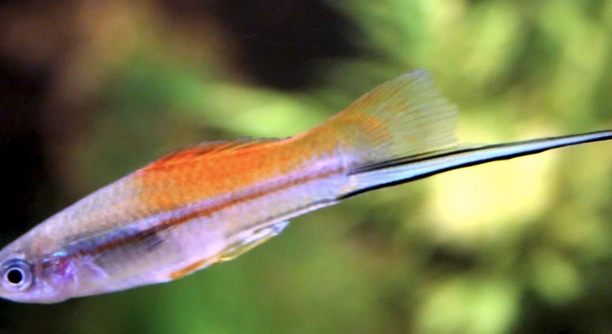
Swordtails are popular aquarium fish, loved for their beauty and energetic nature. However, if you’ve noticed your swordtail consistently facing downward, it can raise some concerns. Understanding this behavior can help ensure your fish’s well-being.
A swordtail facing downward is often a sign of stress, poor water quality, or health issues. It may indicate improper water temperature, lack of oxygen, or even an underlying illness that needs attention. Immediate action is recommended.
Addressing the cause of this behavior can help restore your swordtail’s health. Identifying the factors contributing to this issue will allow you to take steps toward improving your aquarium environment and ensuring the comfort of your fish.
Why Swordtails Face Downward
When swordtails are constantly facing downward, it can signal several possible issues. Water quality plays a significant role in their behavior. If the water is not properly filtered or if there is a high level of toxins, your swordtail might feel stressed. Other factors like high ammonia or nitrite levels can irritate fish and cause unusual swimming patterns, including facing downward.
Improper temperature can also affect their behavior. Swordtails thrive in warm water, typically between 72°F and 78°F. If the water is too cold or too hot, they might exhibit discomfort. Even small fluctuations in temperature can make a difference. You can check the water temperature with a thermometer to make sure it’s in the right range.
Additionally, a lack of oxygen in the water can make it harder for swordtails to swim freely. They may swim near the surface or position themselves in a way that looks like they’re facing downward. Ensure your tank has a proper filtration system to maintain oxygen levels and a healthy environment.
Illness and Disease
If your swordtail is facing downward and has a dull or discolored appearance, it might be sick. Many aquatic diseases can affect fish behavior. External parasites like Ichthyophthirius can cause fish to swim erratically, while internal parasites can affect digestion. Look for other signs of illness, such as lethargy, loss of appetite, or unusual marks on the body.
Checking for diseases early on is crucial for the health of your fish. If you notice any symptoms, immediately separate the sick fish from others. Use aquarium-safe medications and maintain proper tank hygiene. For more persistent issues, consult an experienced aquarium professional for further help.
When swordtails face downward due to illness, it’s often accompanied by other noticeable symptoms. It’s important to address the underlying cause quickly. Taking swift action can save your fish and prevent the spread of disease to other tank mates.
Water Quality and Its Impact
Water quality is essential for swordtail health. Poor water conditions can stress them, leading to abnormal behavior like facing downward. High ammonia, nitrites, and low oxygen levels can all cause discomfort. Regular water changes, proper filtration, and monitoring water parameters are key to keeping your fish healthy and happy.
To ensure optimal water quality, perform regular checks on ammonia, nitrite, and nitrate levels. A good filtration system helps remove waste and keeps the water clean. You should also test the pH levels, ensuring they remain stable within the appropriate range for swordtails. If the water isn’t clean, it can lead to stress, making your swordtail more prone to sickness.
Use a reliable test kit to monitor your tank’s parameters frequently. Perform weekly water changes to keep the levels in check. Clean the tank and filter regularly, as leftover food and waste can affect water quality. Healthy water means healthy fish.
Temperature Fluctuations
Swordtails prefer stable water temperatures. When the temperature is too high or too low, they may exhibit strange behavior, including facing downward. Swordtails are tropical fish that thrive in warm environments. A sudden change in temperature can shock their system and cause stress.
For consistent temperature control, use an aquarium heater. Set it to the right range, usually between 72°F and 78°F, to keep your swordtail comfortable. Sudden temperature drops or spikes can lead to stress and, in some cases, cause illness. Avoid placing the tank near windows or air conditioning units, as this can cause temperature fluctuations.
If you notice your swordtail facing downward and suspect temperature issues, check the water with a thermometer. Keeping the temperature stable will help maintain the fish’s natural behavior and keep them healthy. A sudden shift in water temperature can also decrease oxygen levels, making the fish feel weak and lethargic.
Oxygen Levels
Low oxygen levels can also contribute to your swordtail’s downward-facing behavior. If the tank is not properly aerated, your fish might struggle to breathe and exhibit strange swimming patterns. Increasing water movement or adding an air stone can help boost oxygen in the tank.
You can also add live plants to your aquarium. They naturally produce oxygen during the day, which can improve the overall water quality. In larger tanks, consider adding a filtration system that includes an air pump to ensure proper oxygenation. Keeping the water well-oxygenated will prevent stress and help your swordtail stay healthy.
Poor Tank Mates
Aggressive or overly active tank mates can cause stress in your swordtail. If other fish are constantly chasing or bullying, it may cause your swordtail to hide or stay in a downward position. Observing how the other fish behave can give you insight into the issue.
Ensure that your swordtail has space to swim freely. Choose tank mates that are peaceful and of similar size to avoid aggression. If the bullying is severe, consider separating the fish to reduce stress. Proper tank design, with plenty of hiding spots, can also help your swordtail feel safer.
Illness Symptoms to Watch For
If your swordtail is consistently facing downward, it could be showing signs of illness. Look for other symptoms like a bloated belly, abnormal swimming patterns, or discoloration. These signs could indicate internal parasites, swim bladder issues, or other health problems.
If you notice any of these symptoms, it’s important to take immediate action. Start by quarantining the affected fish to prevent the spread of potential diseases. Consult with an aquarium specialist to determine the best treatment plan. Early detection and treatment are crucial for the well-being of your fish.
FAQ
What are the main causes of swordtails facing downward?
Swordtails facing downward is usually a sign of stress, poor water quality, illness, or inappropriate water temperature. Factors like high ammonia, nitrite, or nitrate levels in the tank can disrupt the fish’s natural behavior. A lack of oxygen, sudden temperature changes, or aggressive tank mates can also cause swordtails to adopt unusual postures.
How can I tell if my swordtail is stressed?
Signs of stress in swordtails can include swimming erratically, hiding more than usual, or staying near the bottom of the tank. If the fish is facing downward, it may be trying to avoid other tank mates or reacting to poor water conditions. You may also notice fading colors or loss of appetite.
What should I do if the water quality is poor?
To improve water quality, start by performing a water change and removing any visible debris or waste. Test the water for ammonia, nitrites, and nitrates, and make sure they are within safe ranges for swordtails. Clean the filter, adjust the water flow, and ensure proper aeration by adding an air stone if necessary.
How often should I change the water in my swordtail tank?
You should change 10-20% of the water weekly. Regular water changes help maintain stable water parameters and prevent the buildup of harmful toxins. If the tank is heavily stocked or the water is visibly dirty, consider increasing the frequency of water changes to maintain a healthy environment for your swordtail.
Can temperature fluctuations cause my swordtail to face downward?
Yes, swordtails are sensitive to temperature changes. If the water temperature fluctuates too much, your swordtail might feel stressed or unwell, causing it to swim erratically or stay near the bottom of the tank. Make sure your aquarium heater is set to maintain a stable temperature between 72°F and 78°F.
How do I know if my swordtail is sick?
Sick swordtails may exhibit a variety of symptoms, such as lethargy, loss of appetite, abnormal swimming patterns (like staying at the bottom of the tank), or visible sores on their bodies. A swollen belly or discolored fins are also signs that something might be wrong. Early detection is key to treating illnesses.
Can other fish in the tank affect my swordtail’s behavior?
Yes, tank mates can have a major impact on your swordtail’s behavior. If you have aggressive or overly active fish in the tank, your swordtail may feel threatened and adopt a downward-facing position to avoid conflict. It’s important to choose peaceful, compatible tank mates for your swordtail to reduce stress.
Is it safe to add more fish to the tank if my swordtail is stressed?
If your swordtail is stressed, adding more fish can make the situation worse. Overcrowding or introducing aggressive tank mates can further stress the swordtail. Instead, focus on resolving the current issues, such as improving water quality, adjusting the temperature, and providing a more peaceful environment before adding new fish.
Can poor diet cause my swordtail to swim differently?
A poor diet can affect your swordtail’s health, making it more prone to stress or illness. If your swordtail is not getting the proper nutrients, it may swim erratically, face downward, or appear lethargic. Make sure you’re feeding a balanced, high-quality diet that includes both plant-based and protein-rich foods.
Should I separate my swordtail from other fish if it’s facing downward?
If your swordtail is facing downward and showing signs of illness or stress, it’s a good idea to separate it from the other fish. This allows you to monitor it closely and treat any potential diseases. A quarantine tank can also help prevent the spread of illness to other fish.
What type of tank setup is best for swordtails?
Swordtails prefer a well-planted tank with plenty of space to swim. Ensure the water is clean and properly filtered, and keep the water temperature stable between 72°F and 78°F. Swordtails also appreciate a moderate water flow, so avoid high-powered pumps. Adding hiding spots or decorations can help your swordtail feel secure and reduce stress.
Can swordtails face downward due to pregnancy?
Pregnant swordtails may appear more sluggish and spend time at the bottom of the tank. This behavior is not uncommon, but if your swordtail is facing downward for extended periods, check for signs of illness or water quality issues. If the pregnancy is progressing normally, the fish should eventually give birth and return to normal behavior.
What should I do if my swordtail has a swollen belly?
A swollen belly in swordtails can indicate overfeeding, constipation, or internal illness. If the fish’s belly is bloated and it’s having trouble swimming, you may need to adjust its diet or treat for possible internal parasites. Fasting the fish for a few days and offering high-fiber foods can help if it’s related to constipation.
Can high nitrate levels cause swordtails to swim poorly?
Yes, high nitrate levels can make swordtails uncomfortable and affect their swimming behavior. Nitrates are a byproduct of fish waste, and if they accumulate in the tank, they can cause oxygen deprivation, leading to poor swimming or even downward-facing behavior. Regular water changes and a properly maintained filter can help control nitrate levels.
How can I improve oxygen levels in my tank?
To improve oxygen levels in your tank, consider adding an air stone or adjusting the water flow to create more surface agitation. A properly functioning filter can also help increase oxygen exchange. Additionally, keeping live plants in the tank can provide oxygen during the day and help maintain healthy water conditions.
Are there any specific treatments for swordtail diseases?
The treatment for swordtail diseases depends on the specific illness. For external parasites like Ich, you may need to use aquarium salt or specific medications. Internal parasites may require medicated food or a specialized treatment plan. Always identify the symptoms accurately and consult an expert before using any treatments to avoid harming your fish.
Final Thoughts
Swordtails are beautiful and active fish, but like all pets, they require attention to their environment and health. If you notice your swordtail facing downward, it’s essential to figure out what might be causing this behavior. Common causes include poor water quality, incorrect water temperature, low oxygen levels, or potential health issues. By regularly checking water parameters, maintaining a stable temperature, and offering a balanced diet, you can help your swordtail live a healthier, happier life.
If your swordtail is facing downward, don’t ignore it. Start by checking the basics—water quality, temperature, and tank conditions. Make sure your tank has proper filtration, and perform regular water changes. Look for signs of illness or stress and monitor how your fish interacts with other tank mates. Swordtails are sensitive to their environment, and it’s important to address any changes quickly. If the behavior continues, isolating the fish in a quarantine tank may be necessary to prevent the spread of disease.
Taking the time to understand your swordtail’s behavior and acting promptly can prevent more serious issues down the line. Regular maintenance of the aquarium and keeping an eye on your fish’s behavior can go a long way in ensuring their well-being. Swordtails are usually hardy, but they thrive in environments that are clean, stable, and stress-free. By being proactive and attentive, you can avoid many common problems and enjoy the beauty of your swordtail for years to come.

Hello,
If you enjoy the content that we create, please consider saying a "Thank You!" by leaving a tip.
Every little bit helps us continue crafting quality advice that supports the health, happiness, and well-being of pets around the world, for pets of all shapes, sizes, and species.
We really appreciate the kindness and support that you show us!